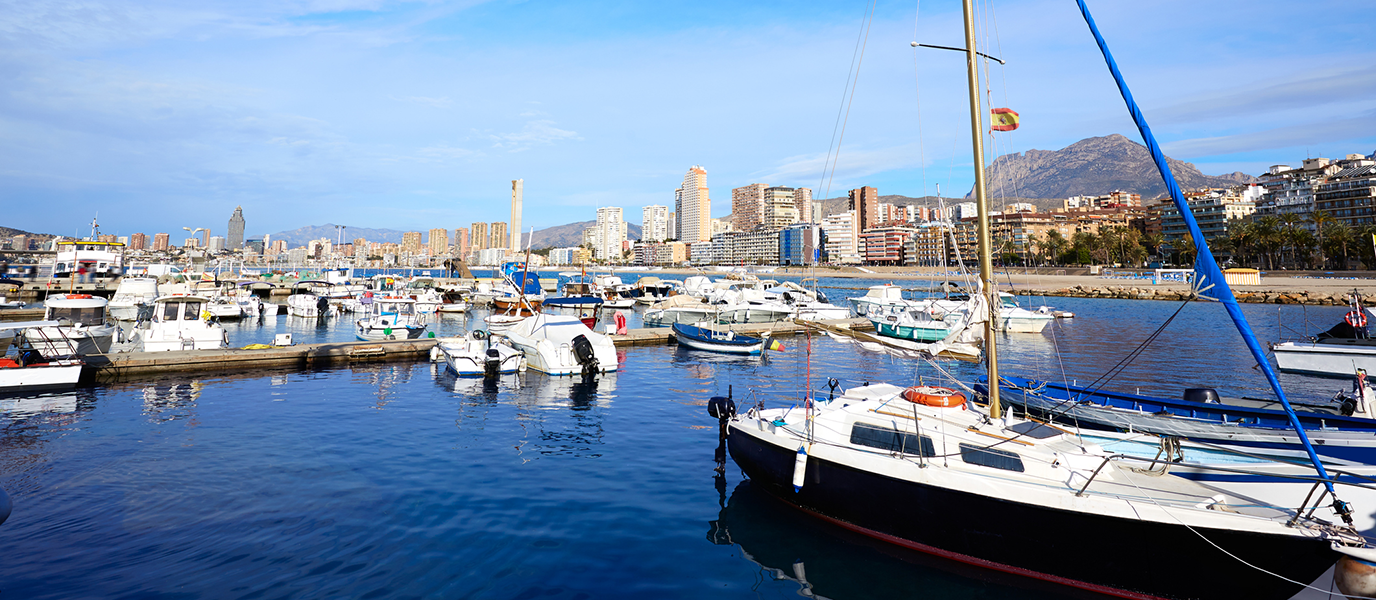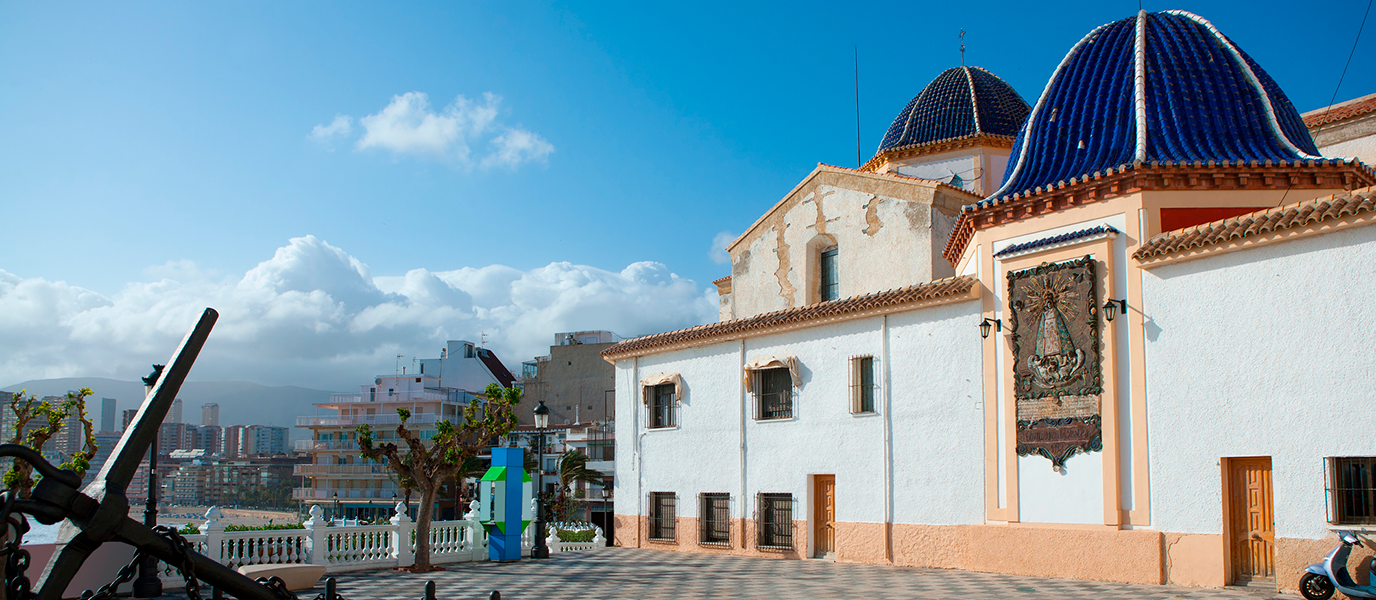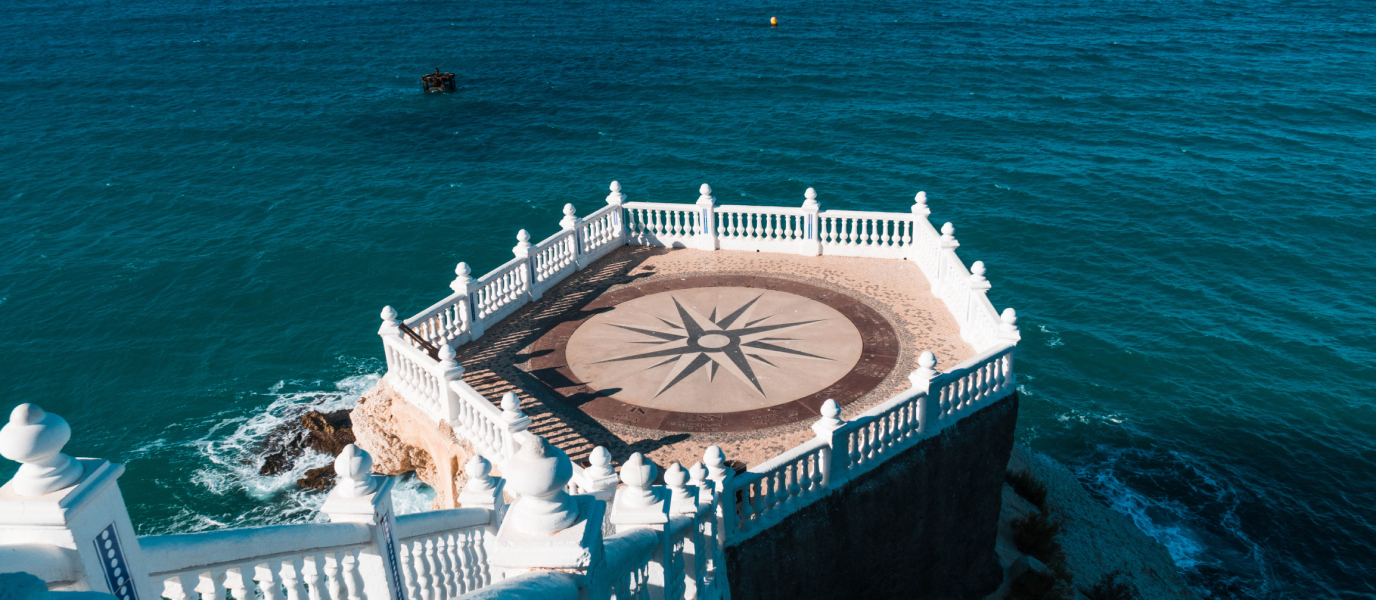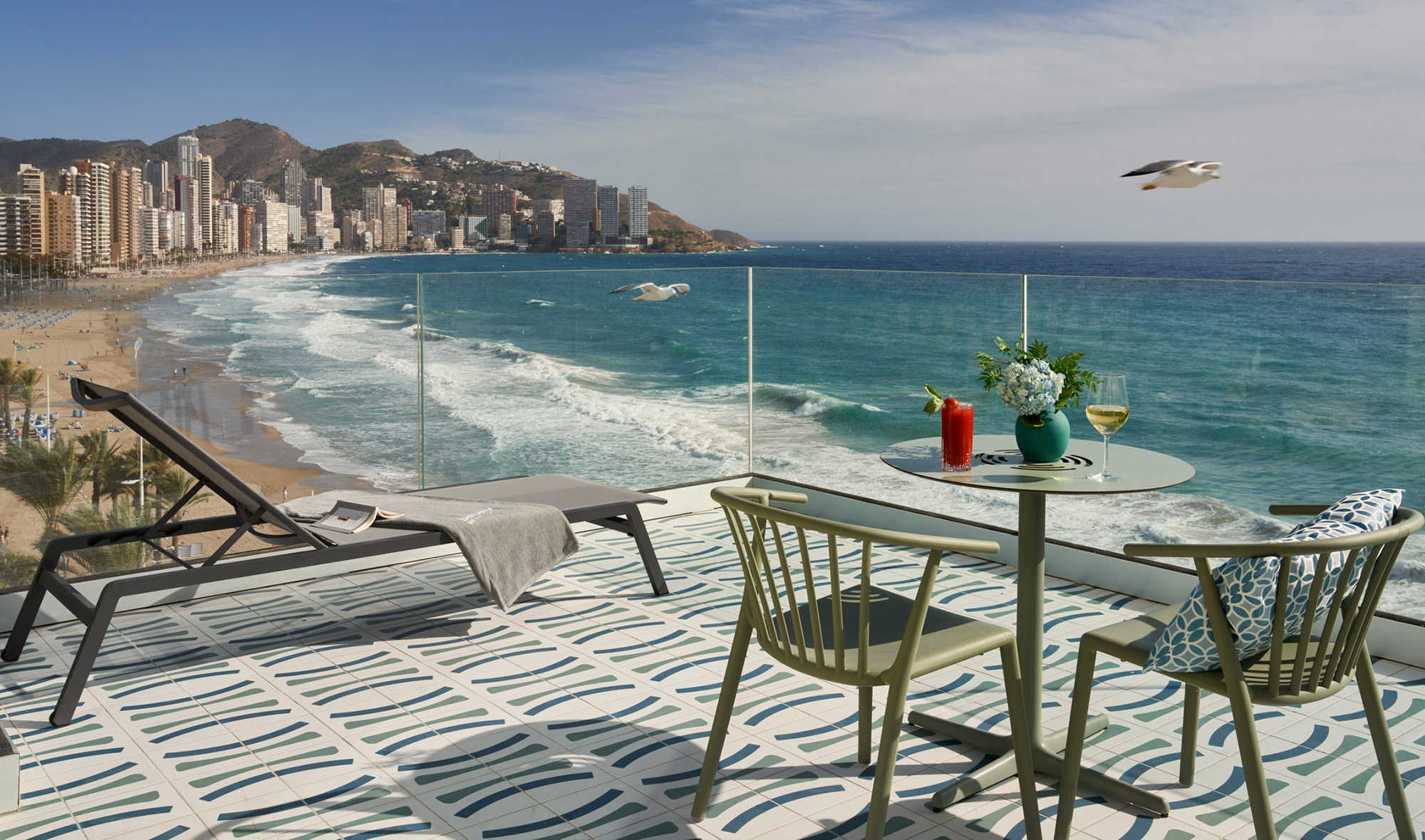
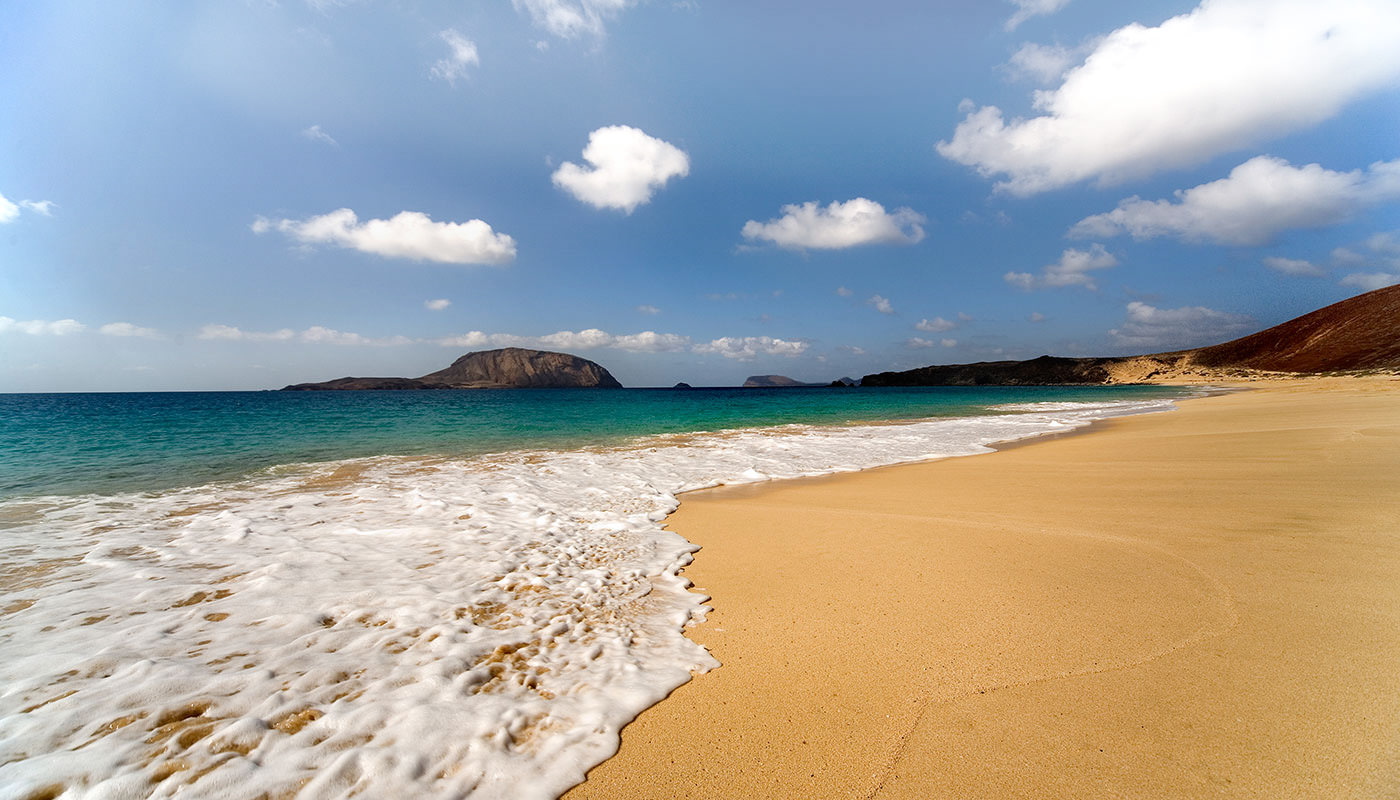











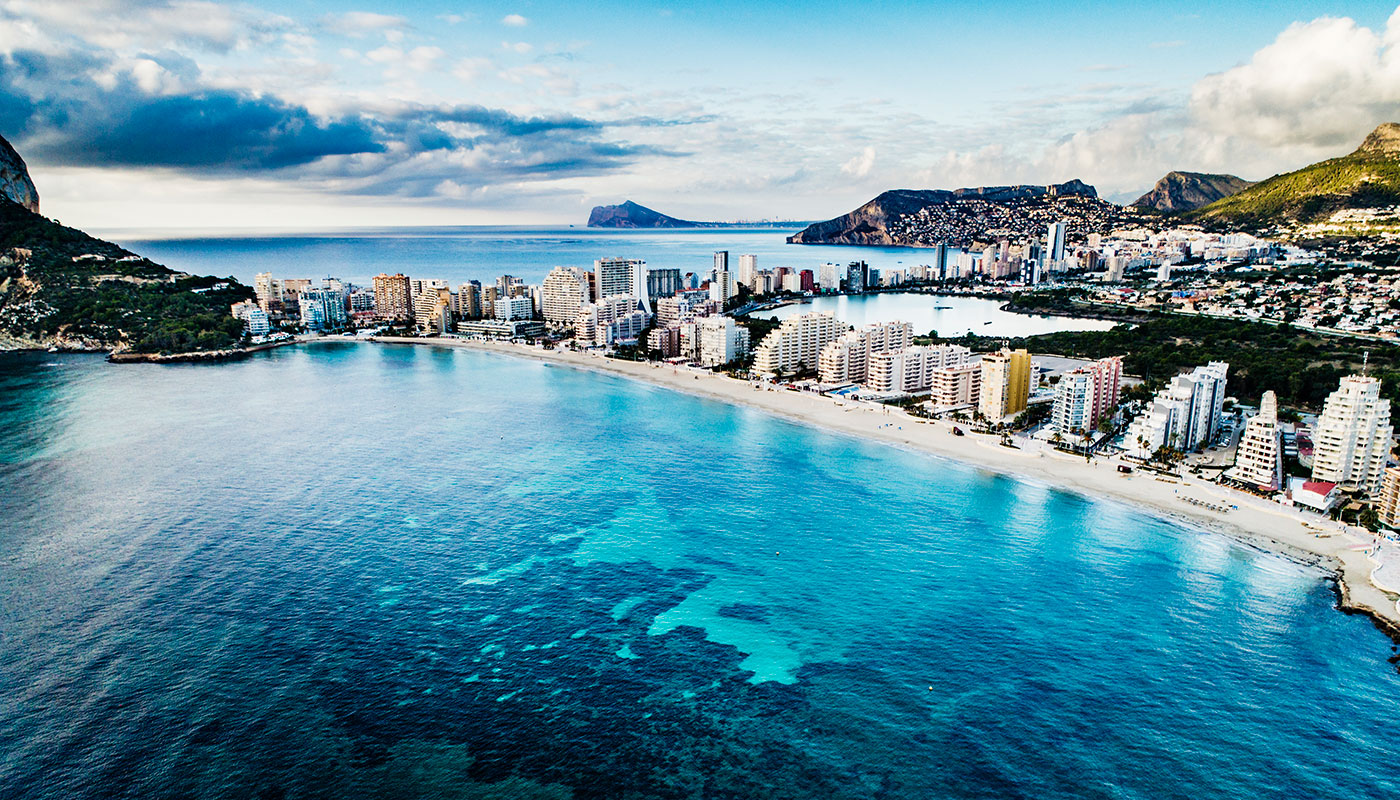
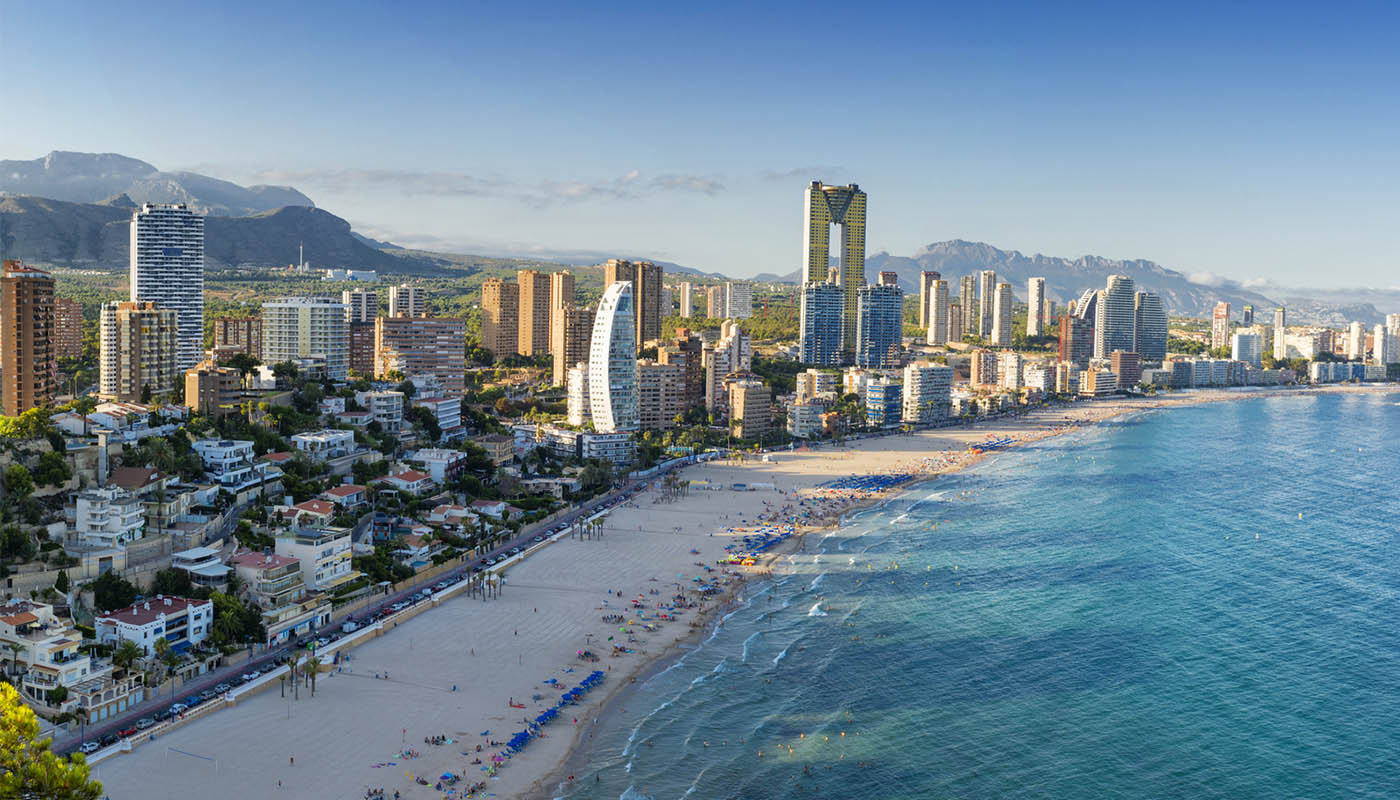










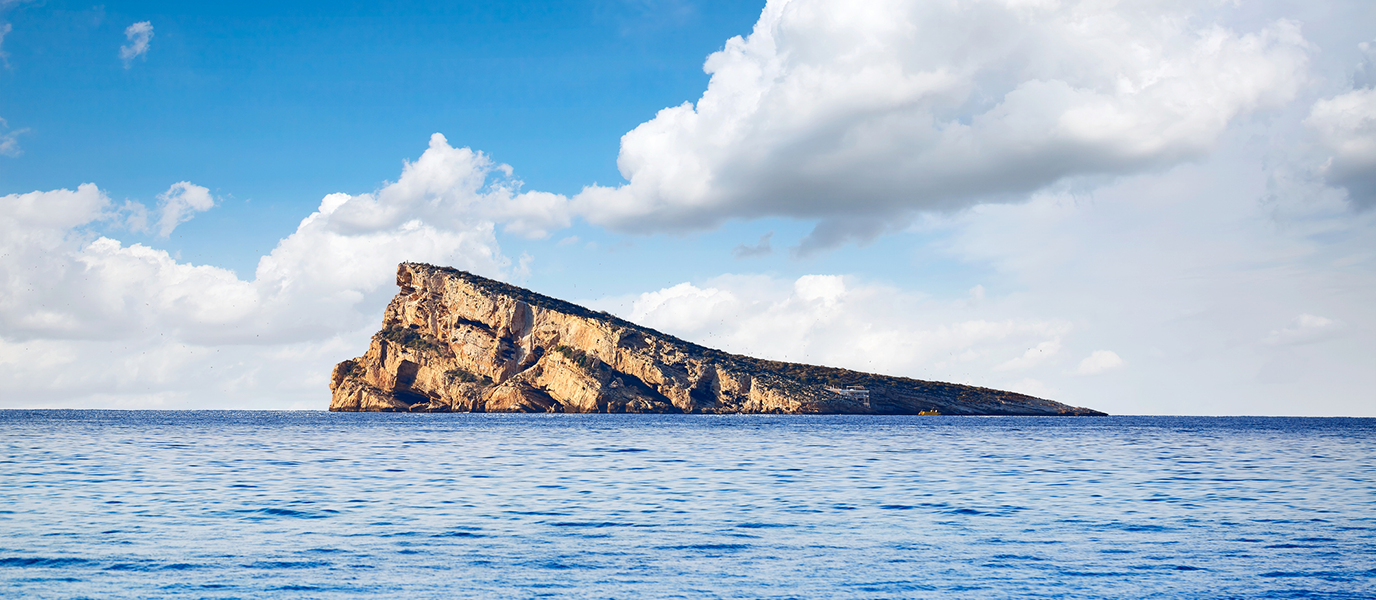
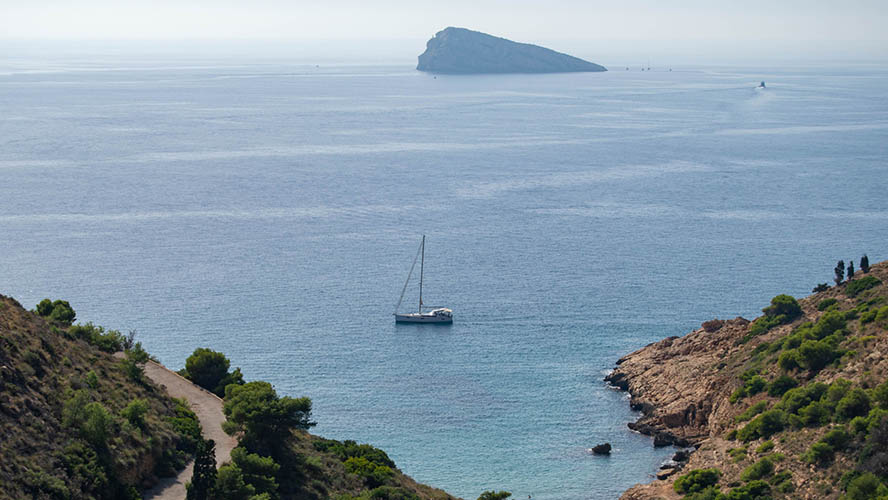
From the sand of the Poniente or Levante Beaches, when the sun begins to spill over the glass and concrete façades, there is one thing that never changes: a solitary, stony island, etched like a secret on the horizon. The Island of Benidorm, also called Journalists’ Island, or simply The Island, is not just a backdrop, it’s an anomaly suspended in time, a fragment of rock steeped in legend. Shrouded in myth, inhabited by birds and surrounded by one of the most vibrant ecosystems on the Costa Blanca, this solitary rock is much more than an islet, it’s an escape, a living picture postcard that always seems to silently observe the frenetic life of the city.
- The natural setting of Benidorm Island: a natural sanctuary among currents, birds and cliffs
- How can I get to Benidorm Island: a short trip to another world
- Activities on Benidorm Island: a prime spot for diving and a stunning natural viewpoint over the city
The natural setting of Benidorm Island: a natural sanctuary among currents, birds and cliffs
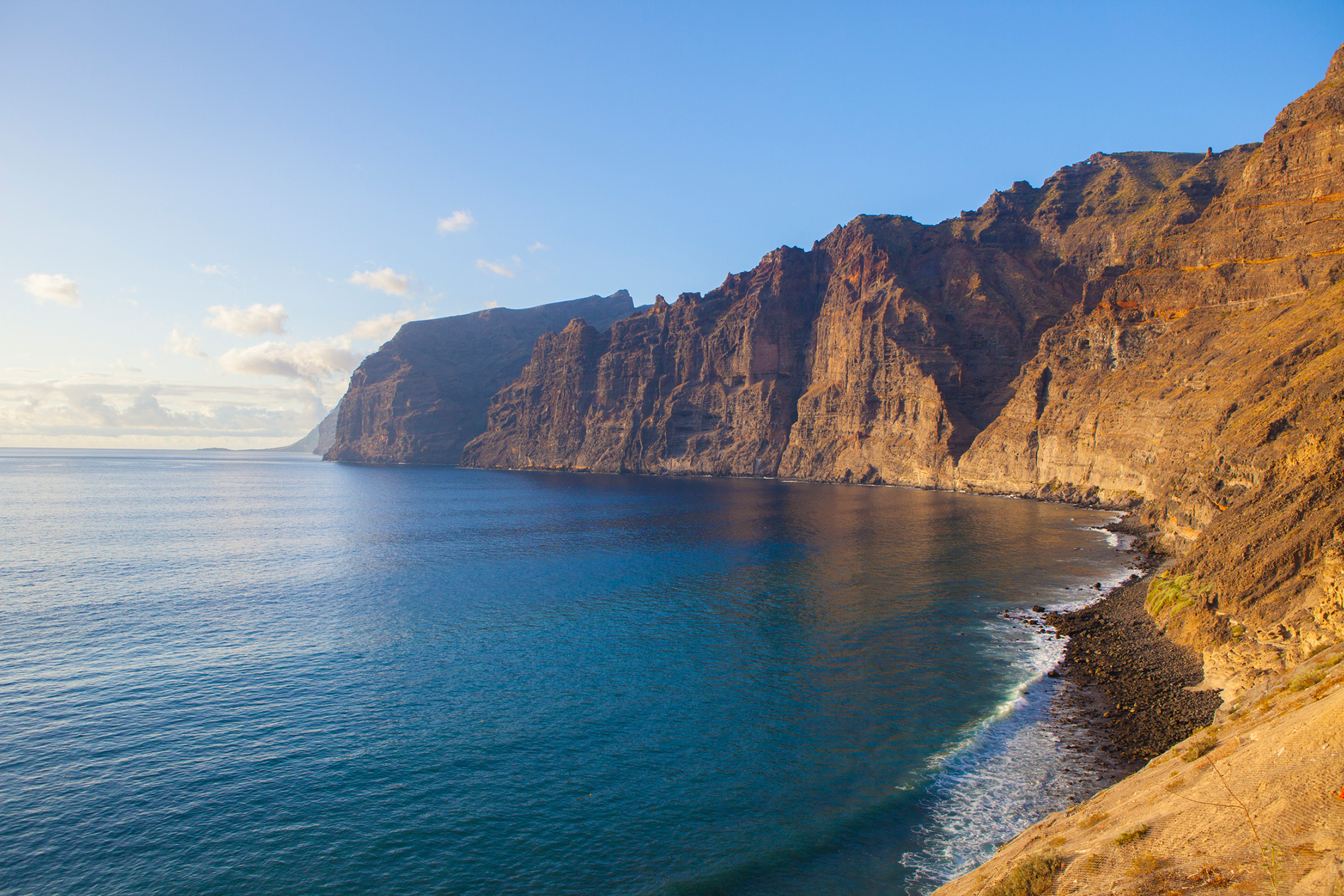
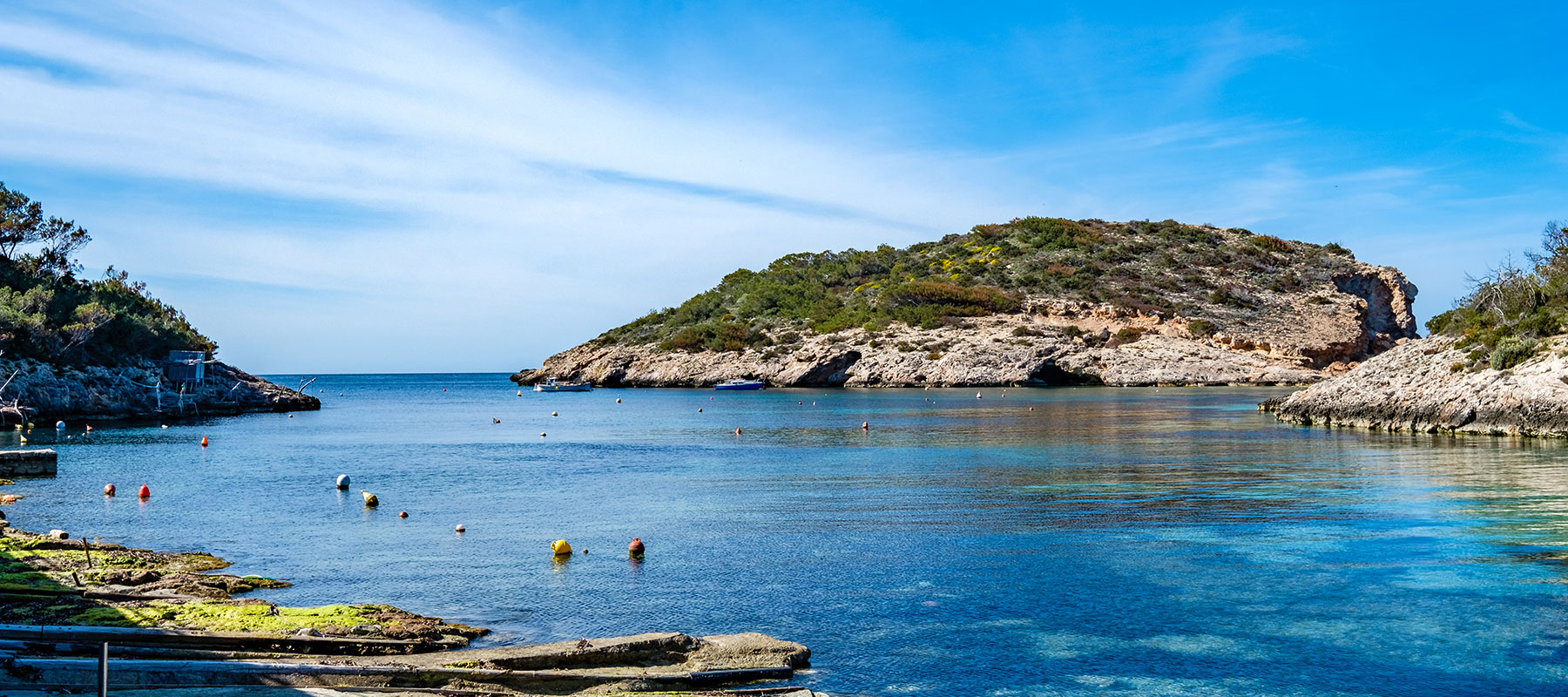
Just three kilometres separate Benidorm Island from the bustling coast, but that’s enough to make it seem like another world. With its triangular shape and rugged profile, this small piece of land covering just seven hectares rises like a natural fortress in the middle of the Mediterranean. Its origins date back to the Baetic System, and while there’s no consensus as to whether it is a volcanic remnant or a marine fault, the result is equally fascinating: cliffs plunging into the water, golden rocks dotted with lichens and a landscape that invites contemplation.
The origins of this mysterious island are shrouded in legend. One of them tells of a melancholic giant who lived in the Sierra de Aitana centuries ago and fell in love with a local girl. When she fell ill, the local wise men told him that she would only be cured if the sun touched her face at dawn. But the mass of the mountain where the giant lived cast a perpetual shadow over the valley. In desperation, the colossus struck the top of the mountain with such force that he tore off a piece of rock and threw it into the sea. That’s how the island of Benidorm was born, and how light finally reached the girl’s face. Some say she survived. Others say she died just as the sun touched her, as if her destiny were tied to that of the island. Another less romantic version claims that the rock is a fragment torn from the Serra Gelada during a cataclysm, as if the earth itself had coughed up this piece of stone and spat it out into the sea.
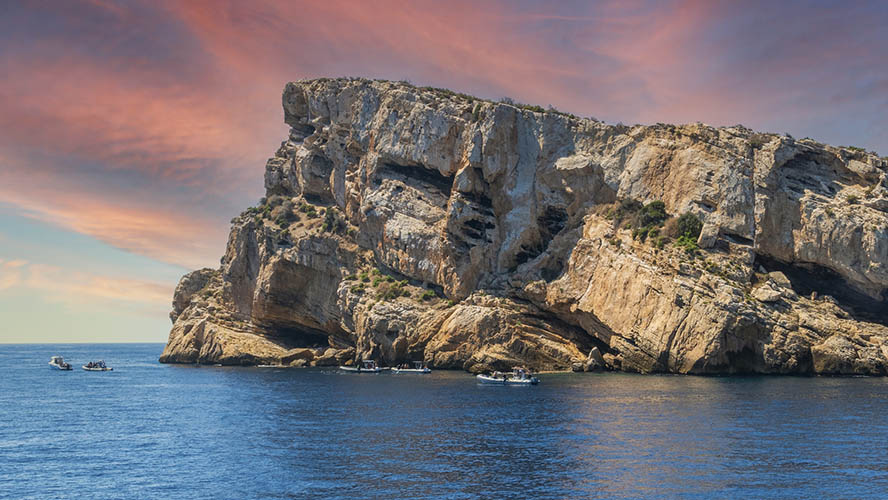
Beneath the surface, an underwater tapestry unfolds where Posidonia oceanica acts as the secret lung of the sea. Moray eels, groupers, starfish and fluorescent nudibranchs thrive in these waters. The island’s marine environment is part of the Serra Gelada Natural Park and is one of the most important ecological reserves in the Valencian Community. On the surface, birds reign supreme. European shags, yellow-legged gulls and yelkouan shearwaters turn the island into a bird sanctuary, a place where time moves to the rhythm of wings.
Access is regulated, and overnight stays and activities that disturb the ecosystem are not permitted. But if you respect the island, follow the marked trails and respect the wildlife, you’ll discover a universe where the Mediterranean regains its primitive voice.
How can I get to Benidorm Island: a short trip to another world
Despite its secluded appearance, you can get to Benidorm Island in just a few minutes. Boats leave every day from the port at the southern end of Levante Beach, with journeys taking around 15 to 20 minutes. The companies operating on the route offer regular departures throughout the year, with more frequent services in summer. Some of these boats have glass bottoms, allowing you to observe the seabed during the crossing, a way of getting in touch with the island’s ecosystem even before disembarking.
The drop-off point is at a small pier that leads to the bar/restaurant, which serves as a base for visitors. From there, paths lead up the island to various natural viewpoints. Despite its small size, walking around it feels like stepping into a remote, timeless place. There are no buildings except for a couple of old ruins, while the native vegetation, hardy and adapted to the salt air, dominates the landscape.
No special permit is required for a visit, but it is important to follow the rules of the Natural Park: stay on the paths and don’t disturb the birds or leave any rubbish behind. We recommend that you bring comfortable footwear, water and sun protection, as there’s no natural shade or tourist facilities beyond the jetty.
Activities on Benidorm Island: a prime spot for diving and a stunning natural viewpoint over the city
A visit to the island allows travellers to choose between different ways of exploring, from hiking to bird watching, but the star activity is without a doubt diving and snorkelling. The island’s underwater environment is considered one of the best diving spots on the Alicante coast. The waters are clear and calm, especially in the spring and autumn months, allowing you to see the marine life that inhabits the rocks and posidonia meadows.
There are marked underwater routes that can be followed with guides or independently (if you have experience), and diving centres in Benidorm that organise half-day excursions. In the northern part of the island, known as “La Llosa”, there is a deeper and more challenging seabed, reserved for certified divers, where you can see large groupers, barracudas and some rays, with a bit of luck.
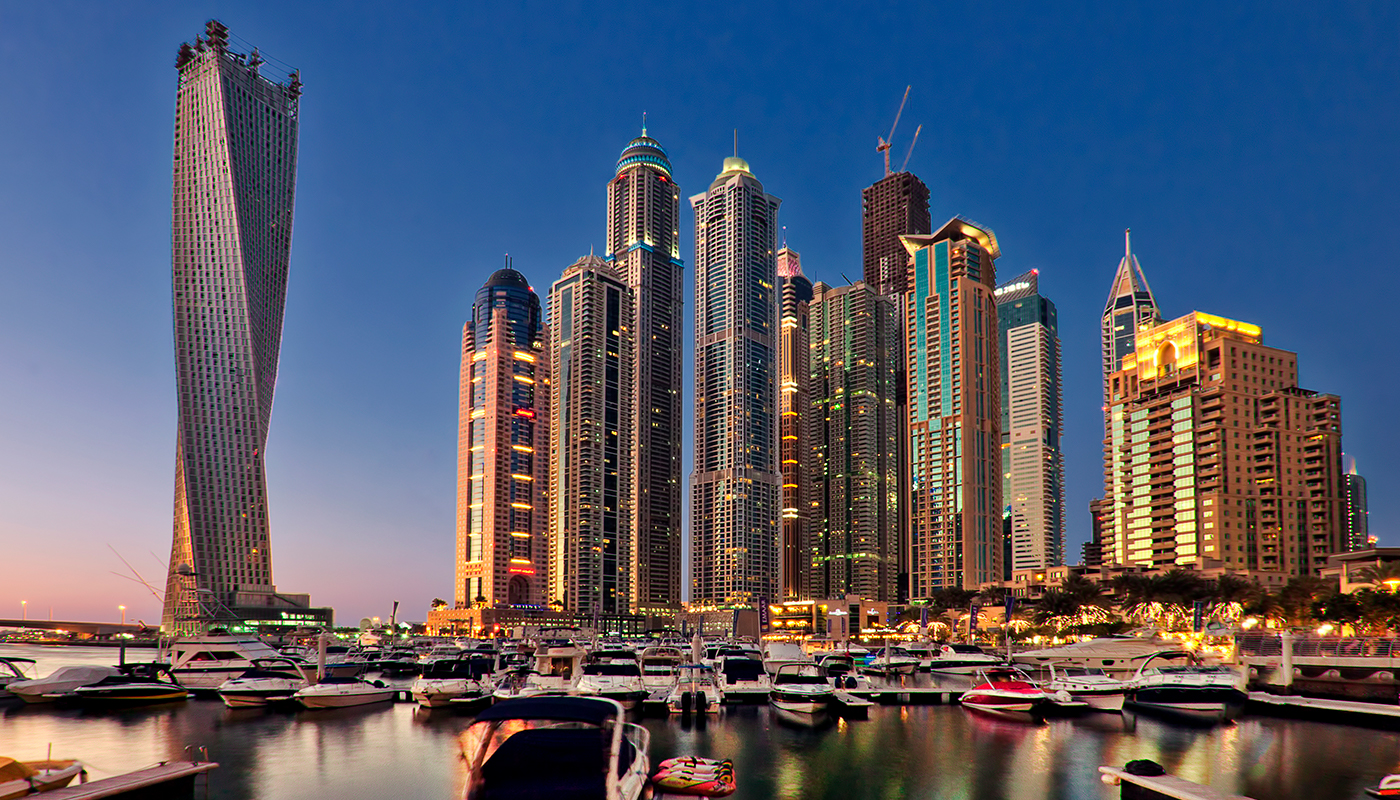
On land, the natural viewpoints offer extraordinary views of the Benidorm coastline, with its skyscrapers in the background contrasting with the tranquillity of the surroundings. It’s an ideal place for nature photographers or those simply looking for a quiet spot to listen to the sea without any interruptions. For those who prefer a more relaxed atmosphere, the island’s restaurant offers the chance to enjoy a drink with sea views, without the need for any great adventures.