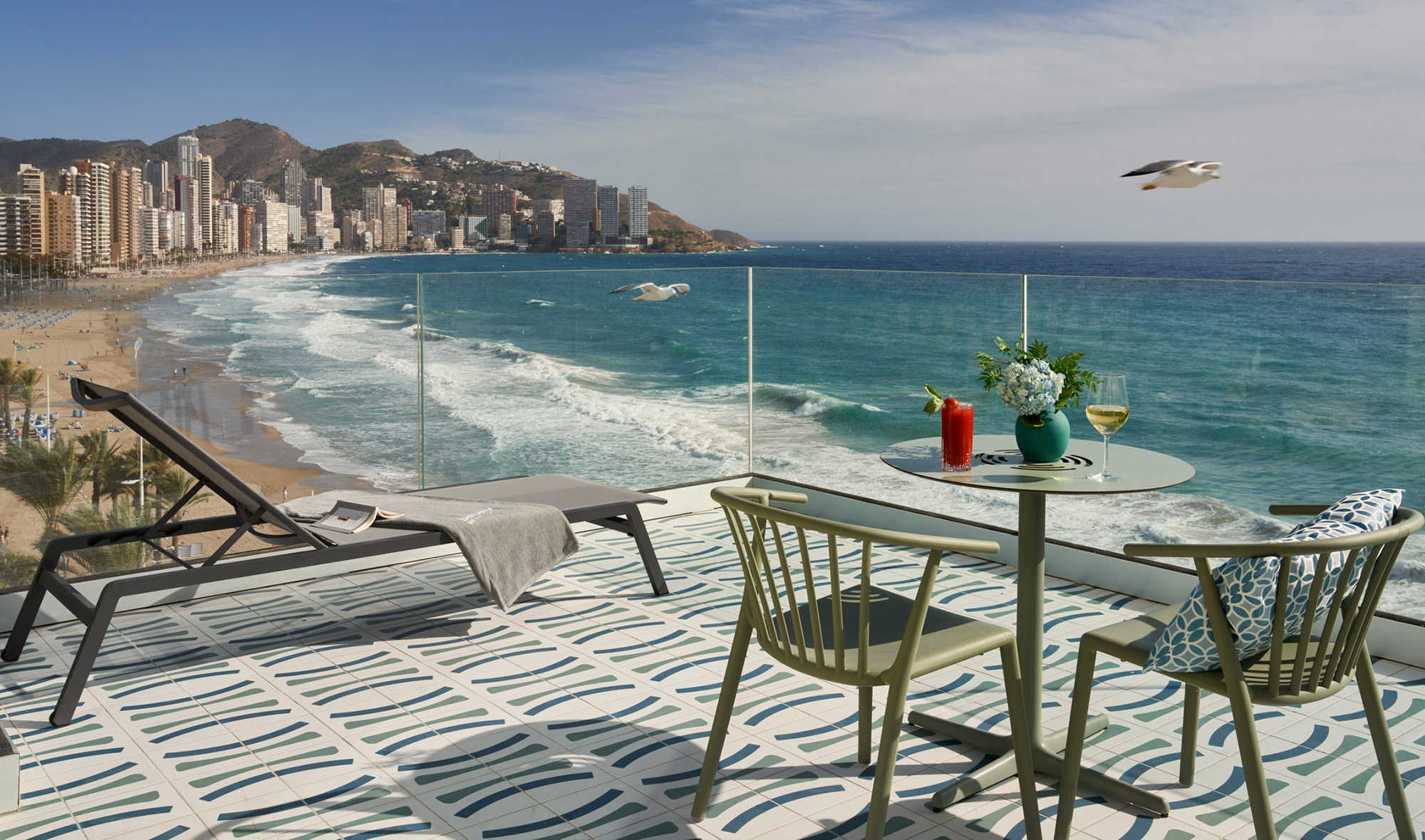










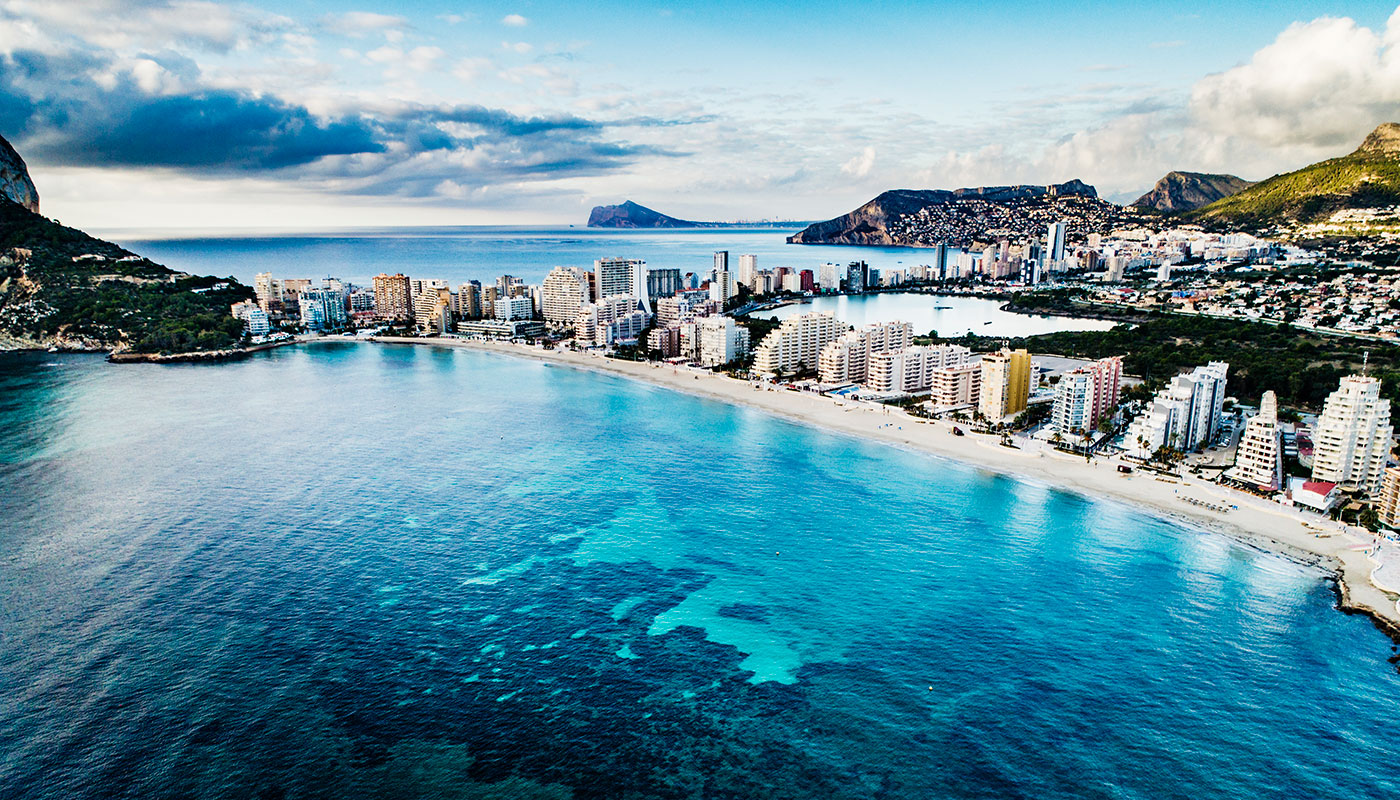
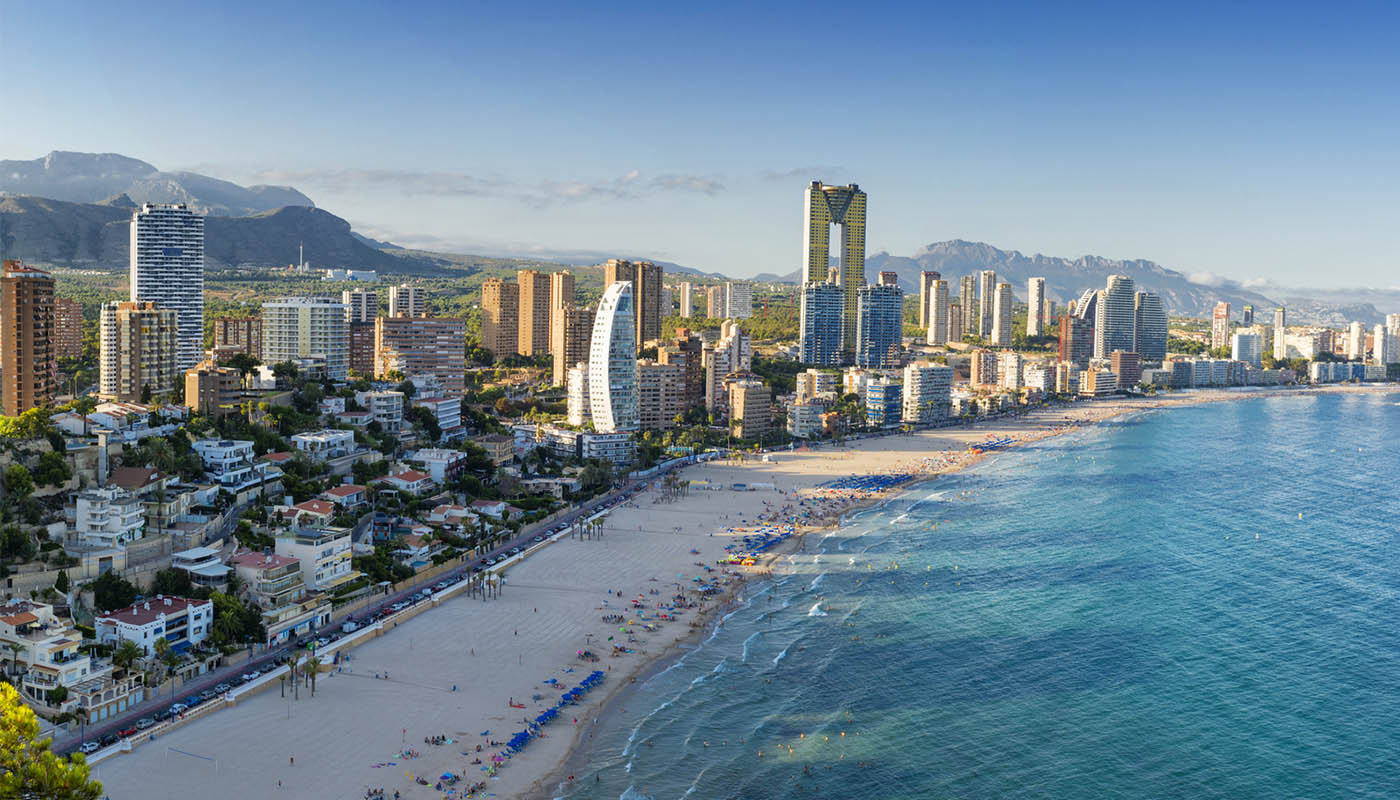



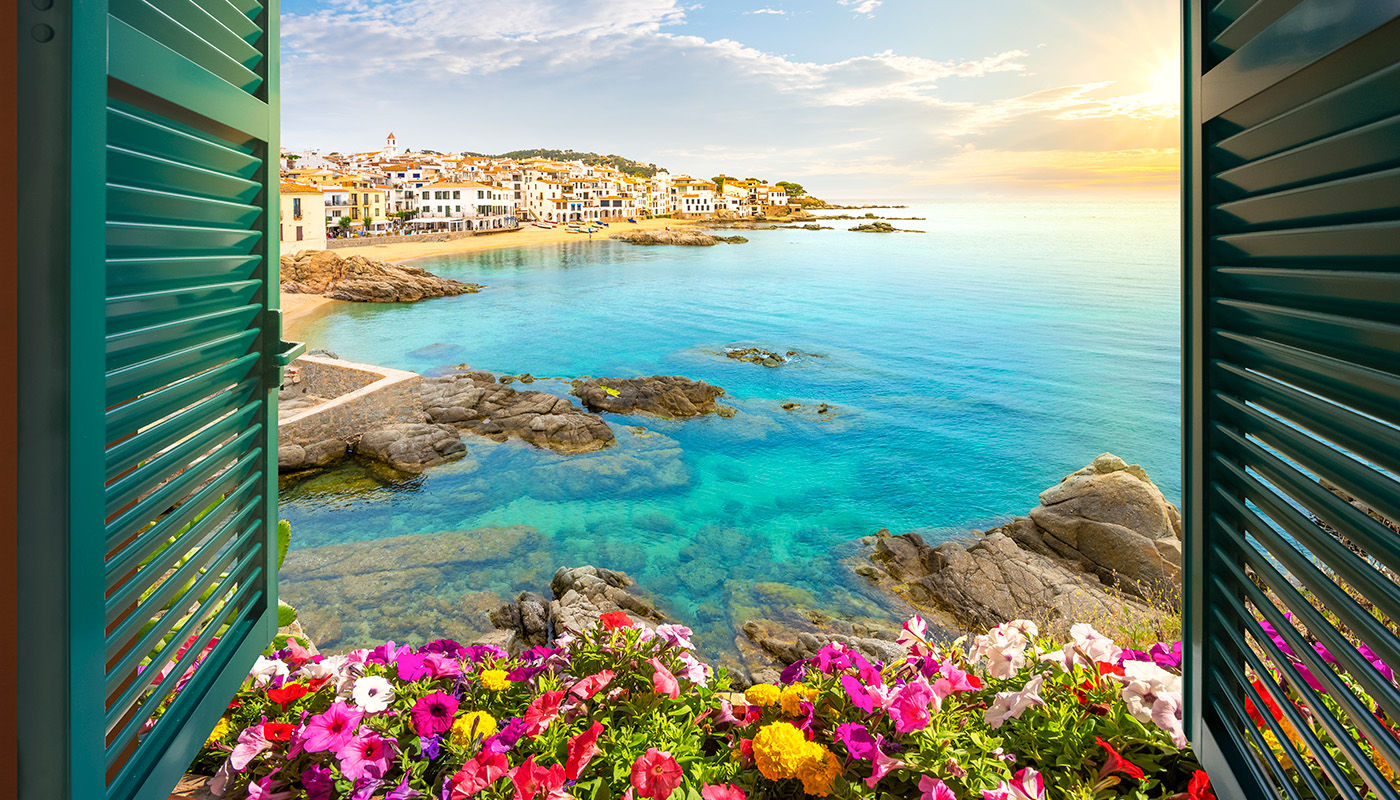


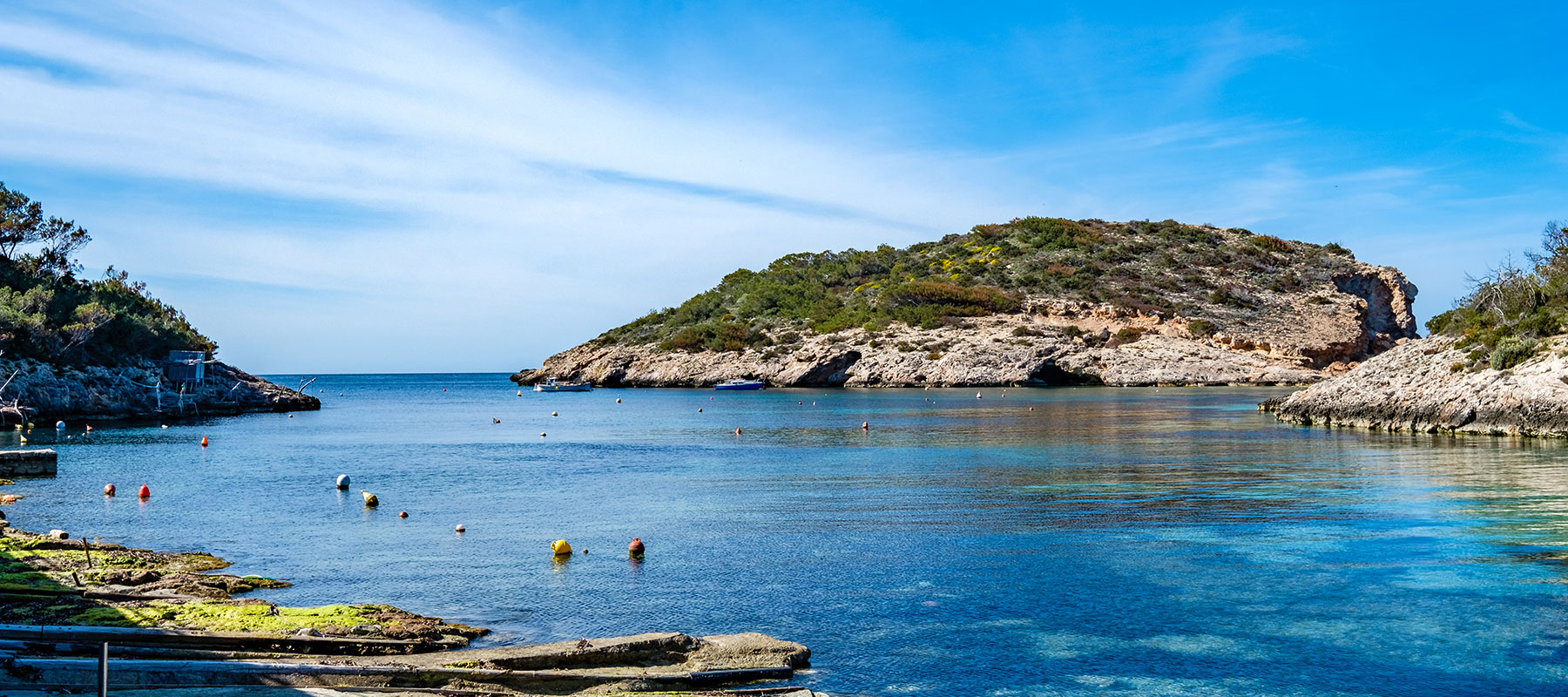

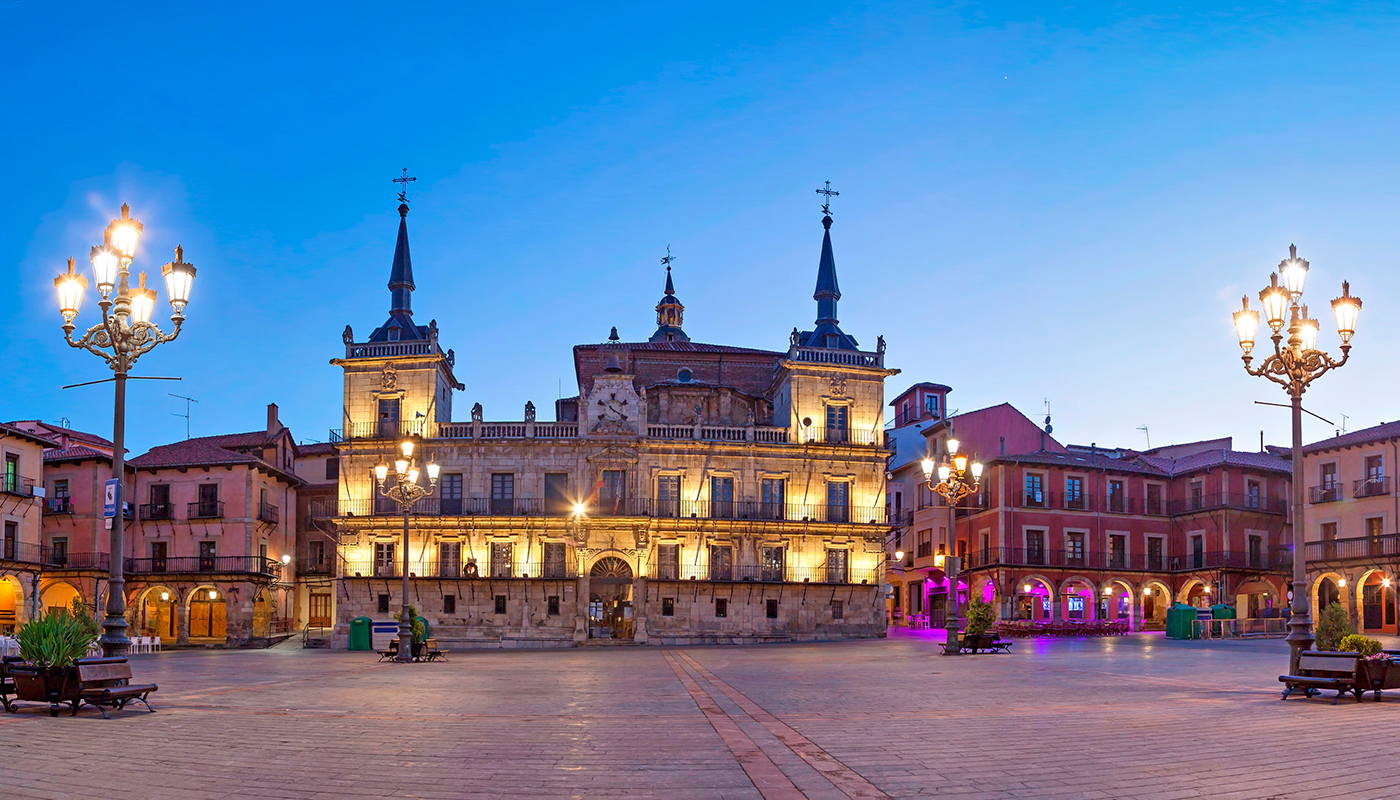



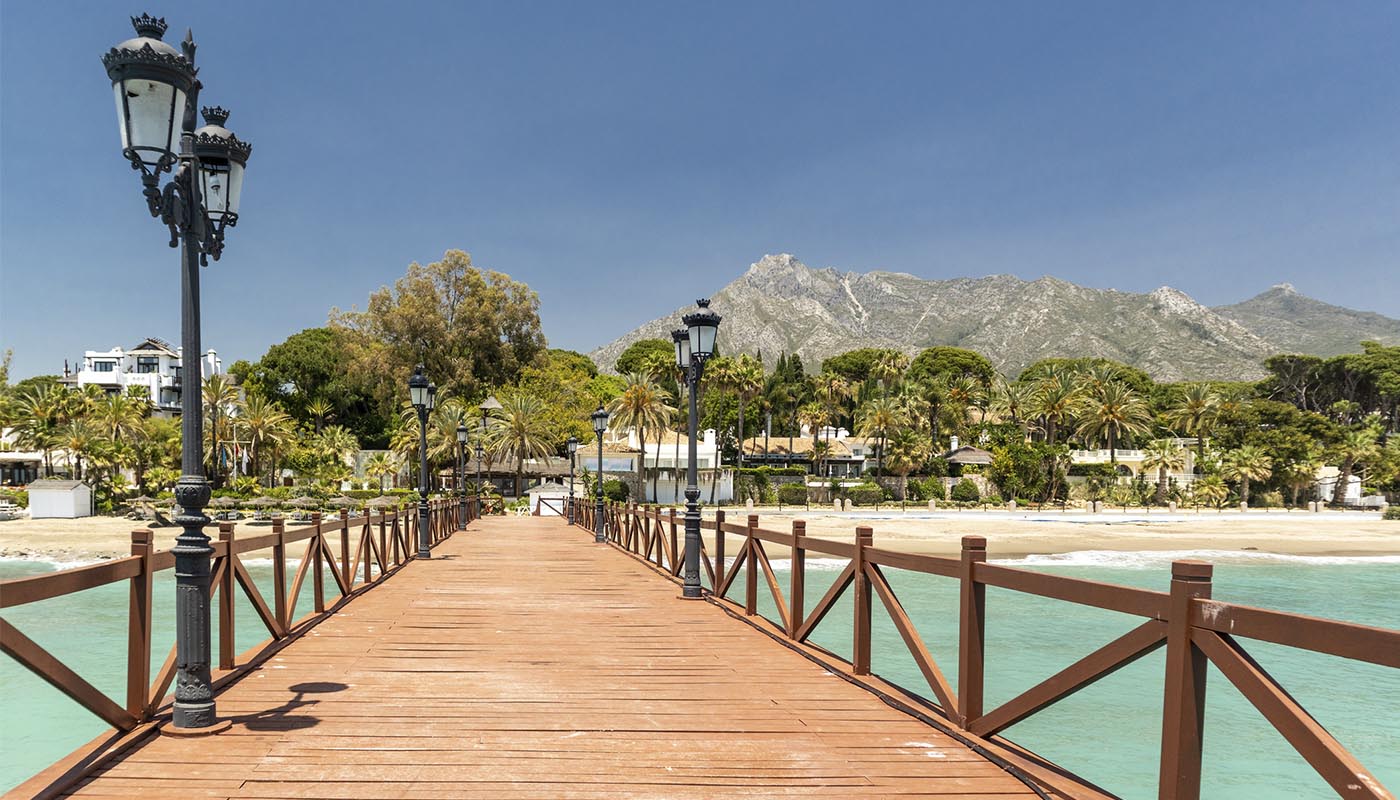
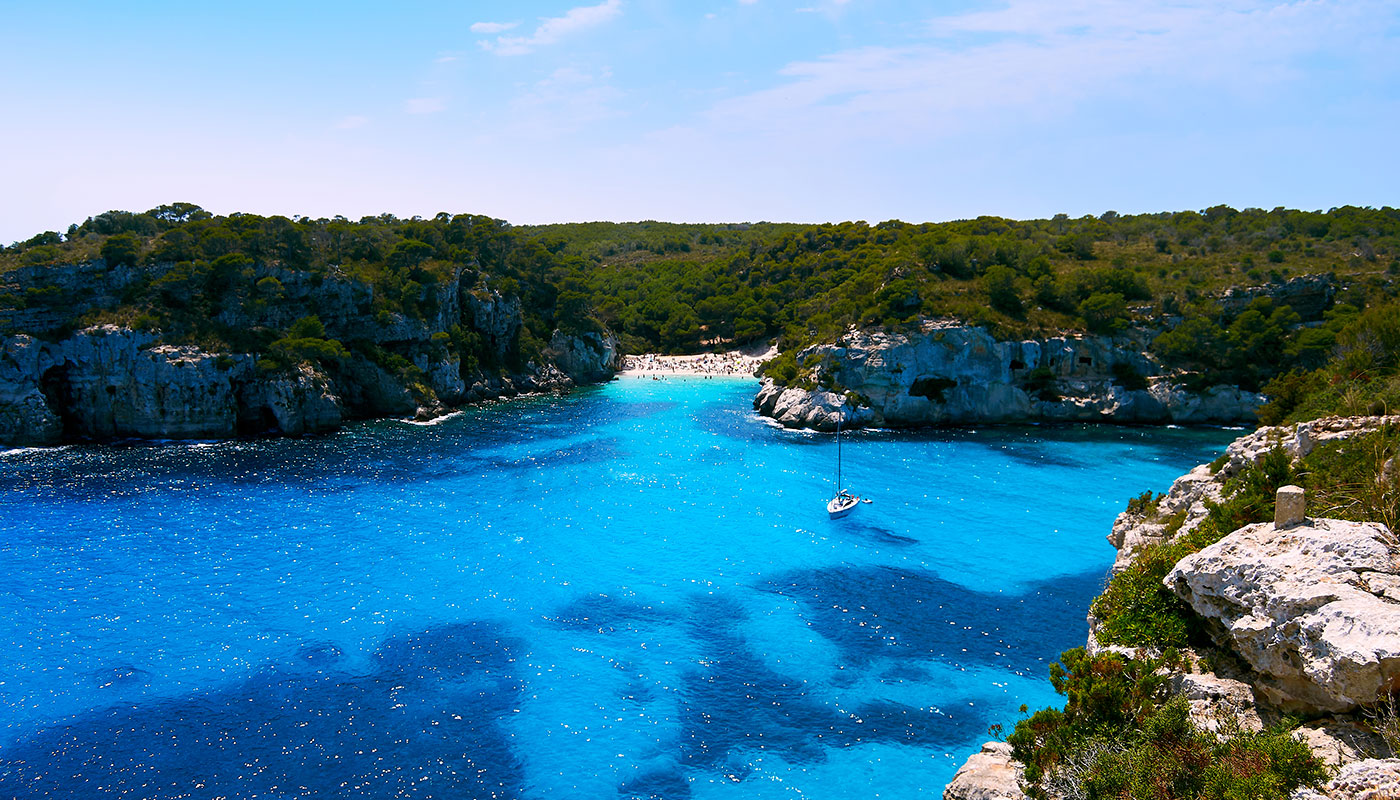
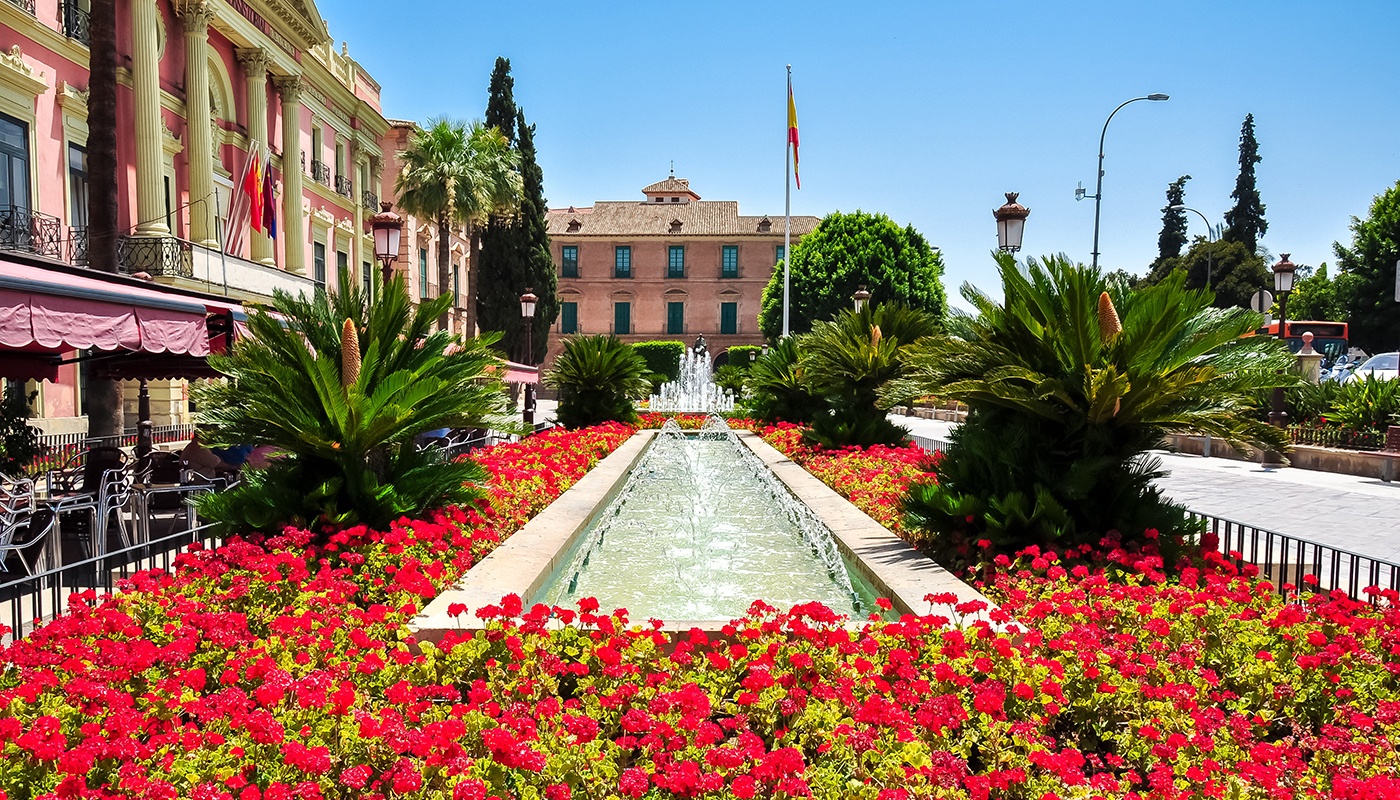



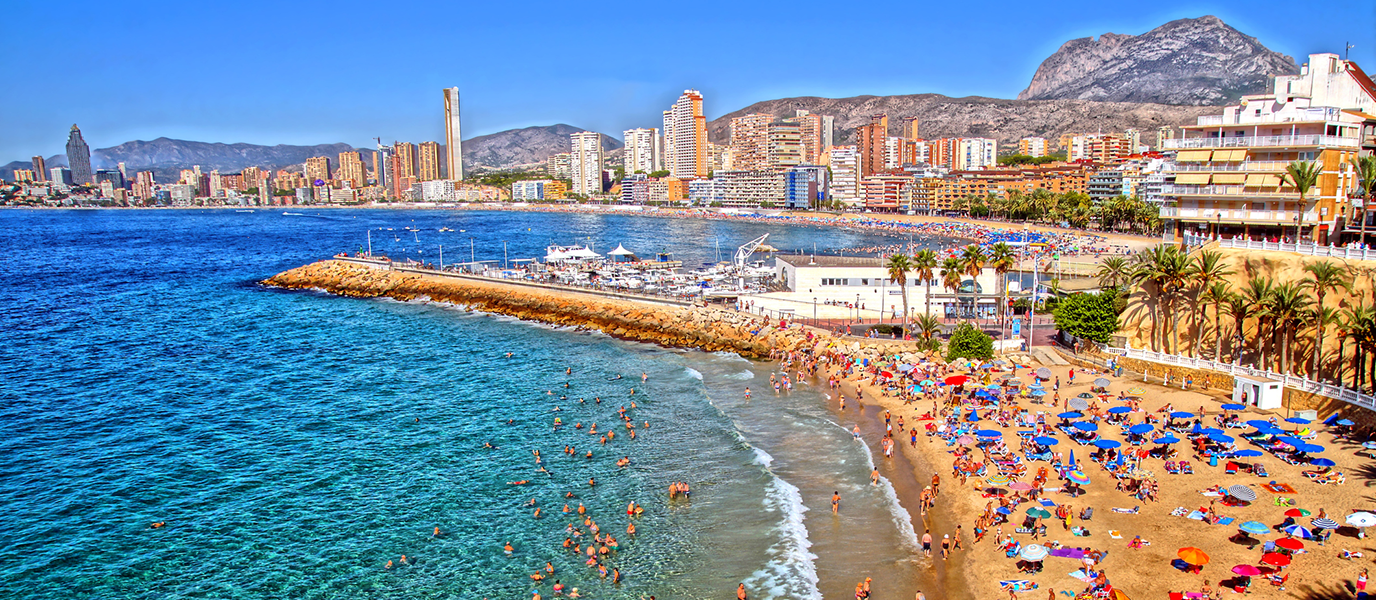
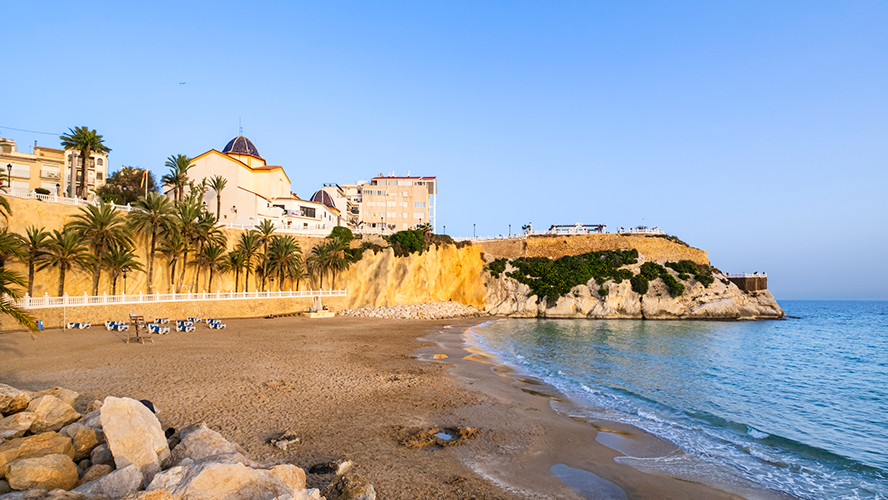
In the very centre of Benidorm, where the skyscrapers stand close to the throngs of multicoloured sunshades and bustling avenues, there is a corner that seems to defy the logic of the town. The little Cala de Mal Pas, nestled between the extensive Levante and Poniente beaches and in the shelter of the Canfali hill, is an uplifting geographical rarity. Barely 120 metres of golden sand and calm waters that do not seek to dazzle, but to offer a breathing space. More than a beach, this is a hidden whisper in this buzzing town. Its charm lies not only in its size, but also in its character. Close to the historic quarter and watched over from the heights of the Balcón del Mediterráneo, the cove seems to have been placed there on purpose, as if someone wanted to preserve a fragment of the past in the midst of the tourist whirl. Its name, Mal Pas, harks back to the days when this pass between the rocks was rugged and inhospitable — before it was softened by the hand of man.
- The context of the beach: a crease between urban history and the natural world of the coast
- Features and services: the bare essentials
- Activities: active calmness with swimming, snorkelling, and walks in the town
- Where to eat and beach bars: from classic tapas to terrace bars with views of the Mediterranean Sea
The context of the beach: a crease between urban history and the natural world of the coast
To appreciate the Cala de Mal Pas, you need to understand the layout of the land occupied by Benidorm. It lies at the exact point where Canfali hill — the rocky spur that divides the coastline into two — slopes down to the sea, generating a natural curve that shelters the area from the prevailing winds. For centuries this enclave, which now appears as a happy accident, was a point difficult to access. Its very name gives it away: in the Valencian language, ‘mal pas’ refers to the steep, narrow path that joined the two main beaches before the town expanded. It was the most arduous stretch of the coastal walk, but also the most authentic, where the sea and the rocks touched each other with nothing in between.
As time went on, this cove became a refuge for those who wanted to escape the huge crowds. The construction of the port opposite — used for tourist sailing trips and small fishing boats — lent it an even more remarkable character: as a viewing point, almost within touching distance, of Benidorm Island, which hovers on the horizon as a constant presence. Historically, the cove was a mooring and resting place for local sailors, and it still retains the same small-scale, private atmosphere. From the sand, the views alternate between the town, the islet and the whimsical shapes of the cliff.
Features and services: the bare essentials
In spite of its small size, the Cala de Mal Pas offers all the services needed for a pleasant day at the beach. It has showers, litter bins, and a daily cleaning service, and it is supervised by lifeguards during the summer season. Moreover, as it is so close to the town’s historic quarter, any extra service — supermarkets, pharmacies, cafés — is just a few minutes’ walk away. The cove can be reached from Paseo de Colón or from the port itself, which makes it easily accessible for people with reduced mobility.
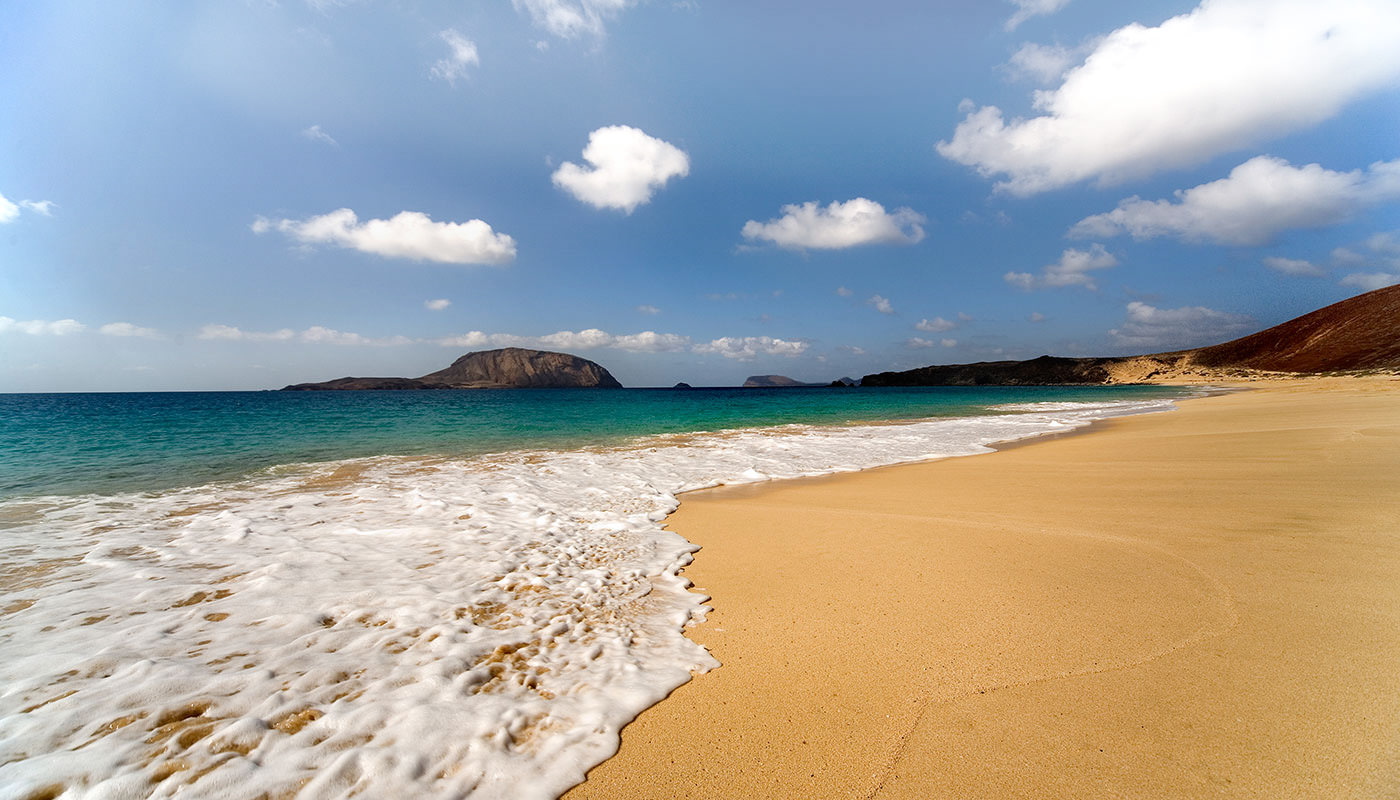
The sand is fine and golden, and slopes gently down to the sea — ideal for those who prefer a quiet swim with no swell. The water, protected by the curve of the coast and the proximity of the breakwater, tends to be warmer and clearer than in other areas. In addition, it closeness to the Balcón del Mediterráneo means that for a good part of the day, the shadow cast by the rock keeps certain parts of the beach cooler, particularly in the early morning and at sunset.
A little-known fact: the cove forms part of the protected environmental area of the Serra Gelada, and its sea bed provides a habitat for meadows of posidonia and diverse fauna. Although free anchorage is not permitted, one will often see little fish near the shore, which adds to the feeling of being close to nature.
Activities: active calmness with swimming, snorkelling, and walks in the town
Mal Pas is not a beach for large-scale sports or motorised activities. It has a different calling: contemplation, respite, peaceful swimming. That does not mean, however, that there are no interesting options for those who want to do more than simply sunbathe. The immediate area offers a perfect combination of the natural world and heritage.

One of the most highly recommended experiences is snorkelling. Although snorkelling may seem an unusual activity for the centre of a town, it is possible thanks to the transparency of the water and the presence of small shoals of fish. From the side closest to the port breakwater, you can explore rocky areas that are home to sea urchins, small octopuses, and shoals of fish swimming between the rocks. If that is not enough, several diving centres offer departures from the port to Benidorm Island or La Llosa, offering dives of significant ecological interest.
The area around the beach also offer the opportunity for short but quite strenuous walks: you can go up to the Balcón del Mediterráneo, explore the narrow cobbled streets of the old town, or even cross to Levante beach via the new seafront promenade that skirts the hill. For photography enthusiasts, both amateur and professional, the beach offers changing light, natural contrasts and unique shots. In the early morning, the light bounces off the water and the rocks to create silvery reflections, and at sunset, the sun disappears behind the buildings along the Poniente beach, lending a reddish tinge to the sand.
Where to eat and beach bars: from classic tapas to terrace bars with views of the Mediterranean Sea
One of the great charms of Cala de Mal Pas is its proximity to the finest bars and restaurants in Benidorm’s old town. Although the cove does not have a beach bar on the sand itself — something that enhances the feeling of solitude — you only have to walk up a few metres from the beach to find gastronomic options to suit all tastes.
In nearby Calle del Santo Domingo, known as ‘the street of the Basques’, you will find a concentration of northern-style taverns and pintxos bars. Here, you can go from enjoying a vermouth to an artisan beer without walking more than a few paces. If you are looking for somewhere rather more relaxed, several terrace bars in the historic quarter offer Mediterranean menus with sea views. From some of these, you can see the cove directly from above, making your meal into a panoramic experience.
Lower down on the Balcón del Mediterráneo are little cafés where you can have an ice cream or a coffee while the sea provides the only background sound. This area is ideal for couples, lone travellers, or families seeking a moment of peace and relaxation without leaving the urban setting. If you fancy fresh fish or paella, there are a couple of more traditional restaurants in the port, where you can still seeing the catch of the day being landed.