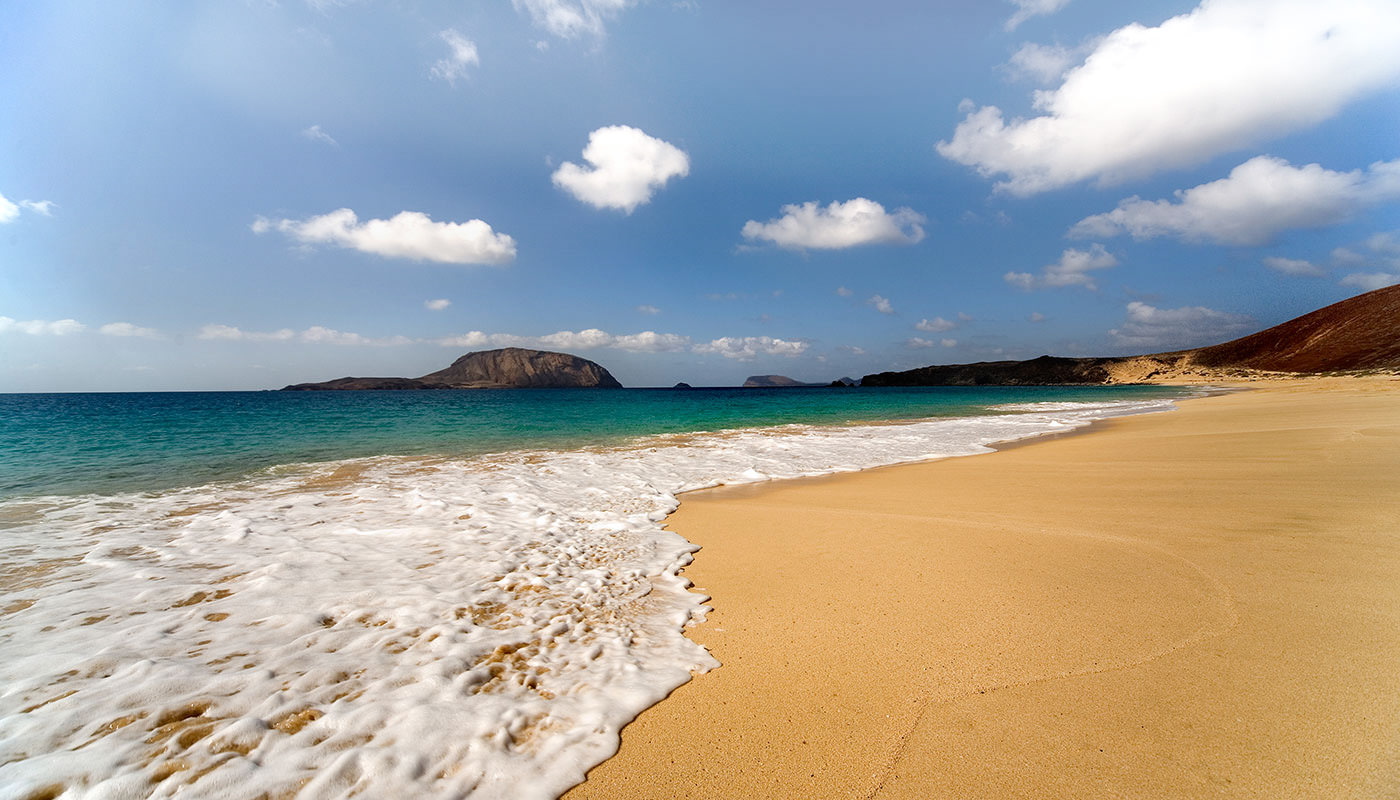


















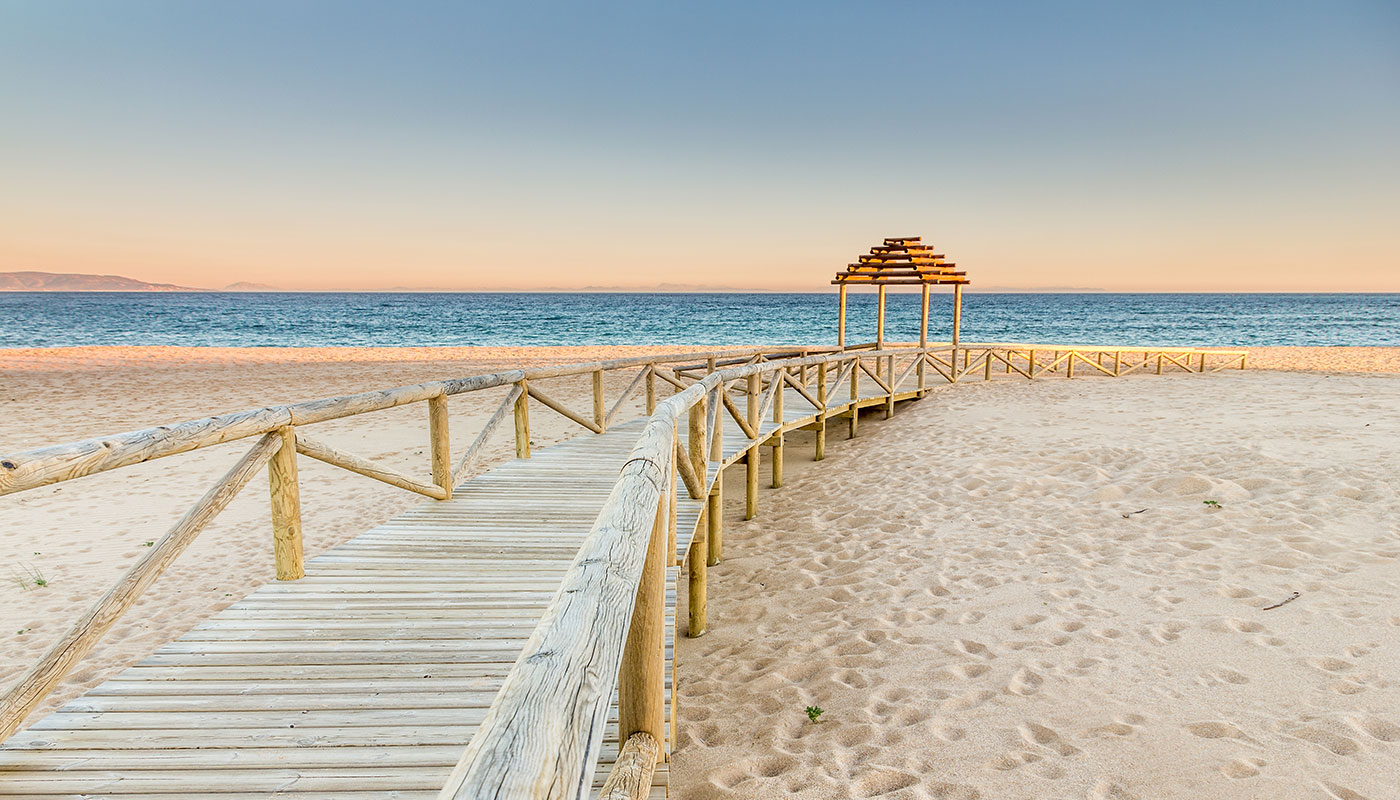
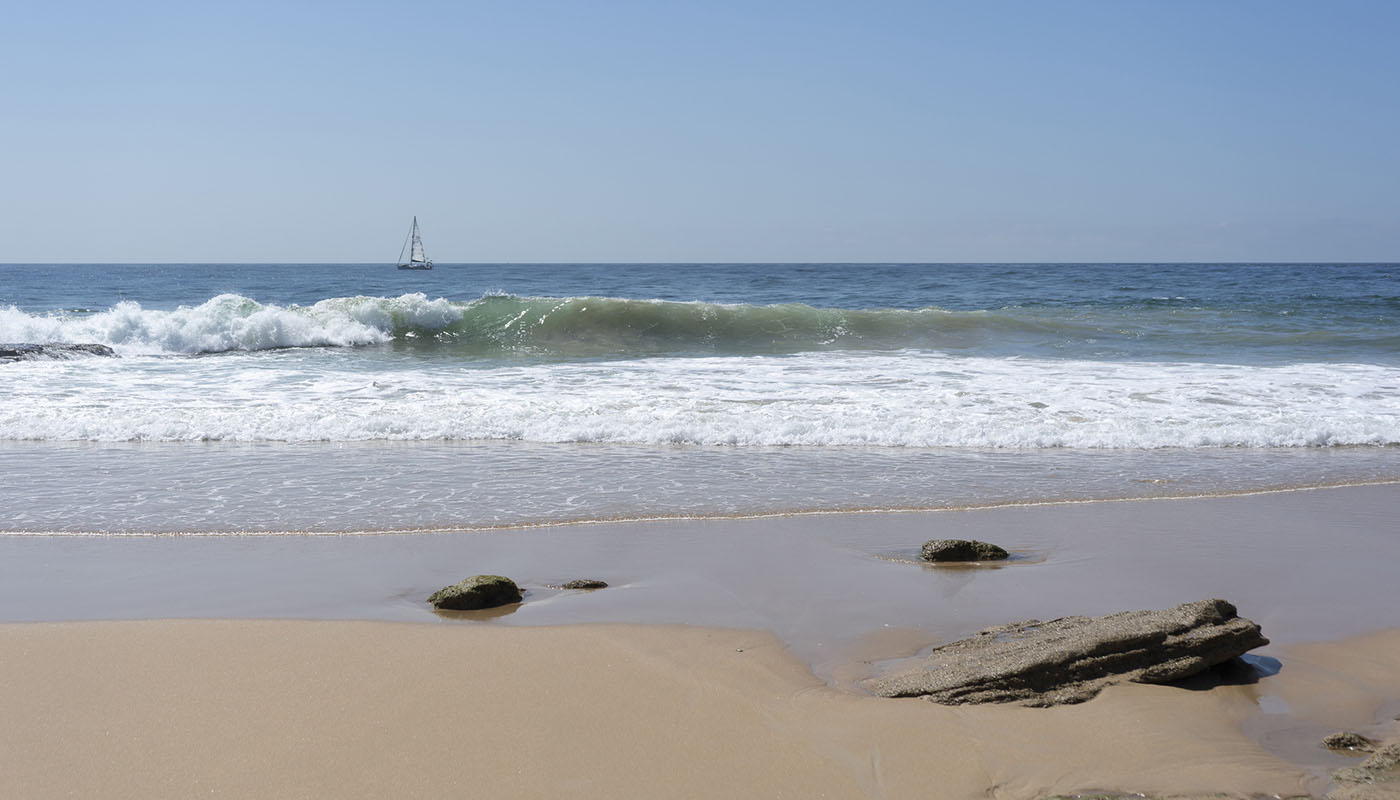
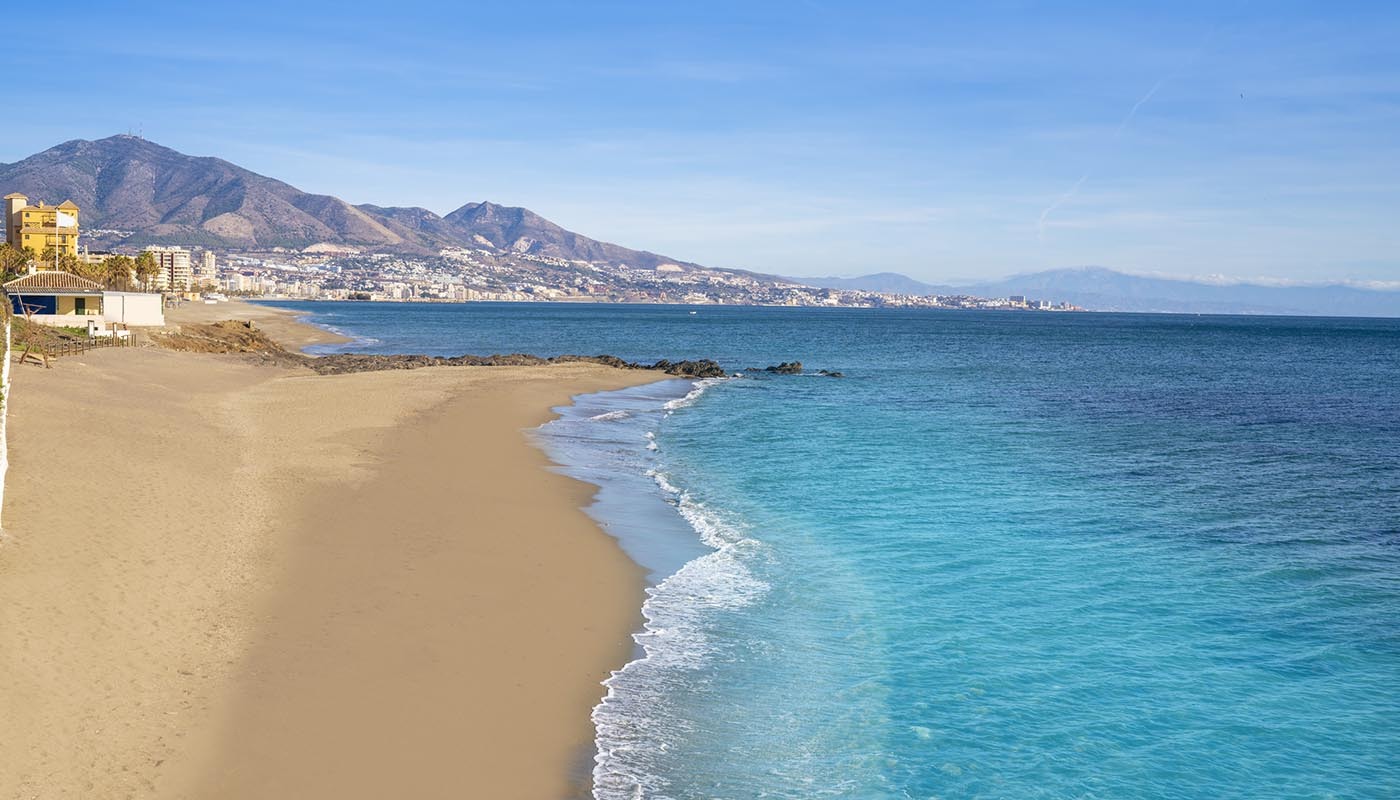

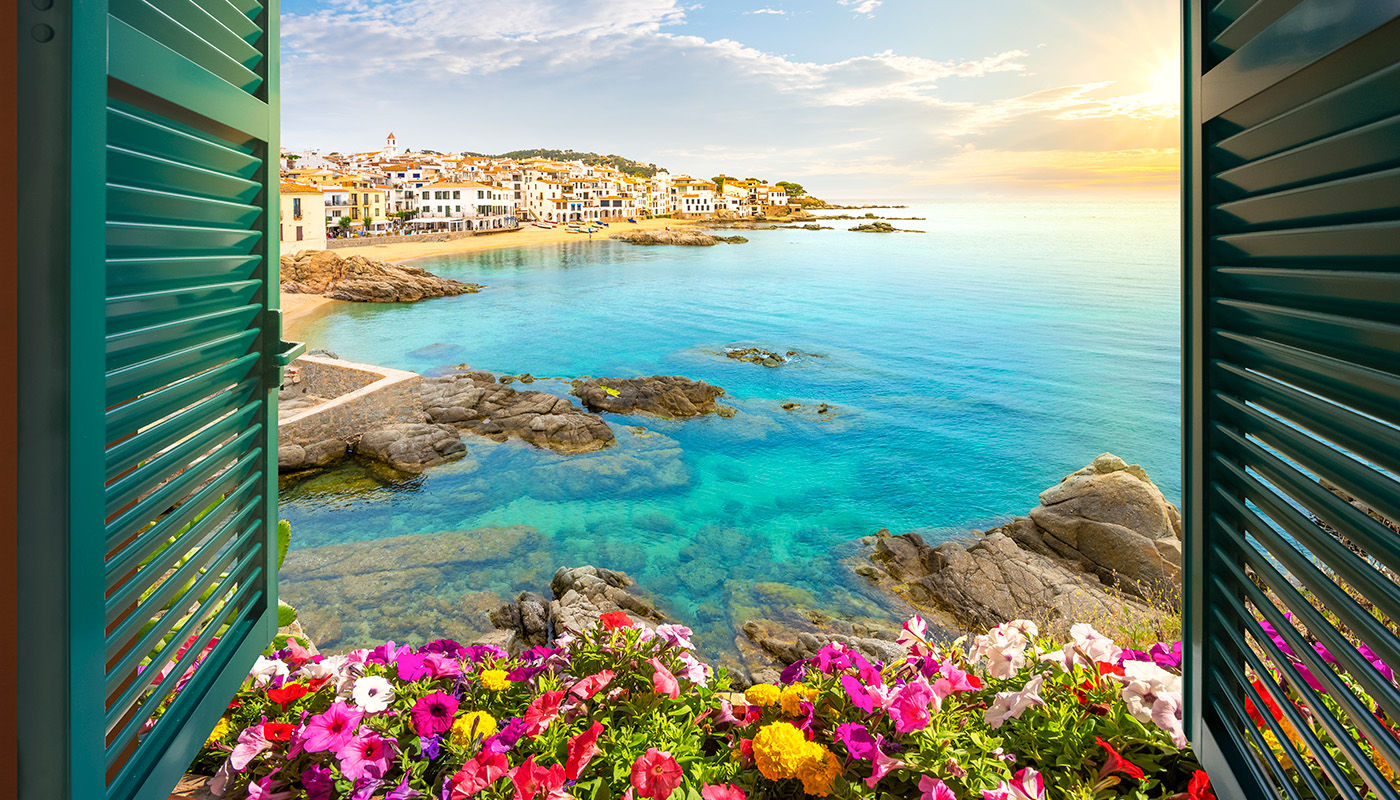
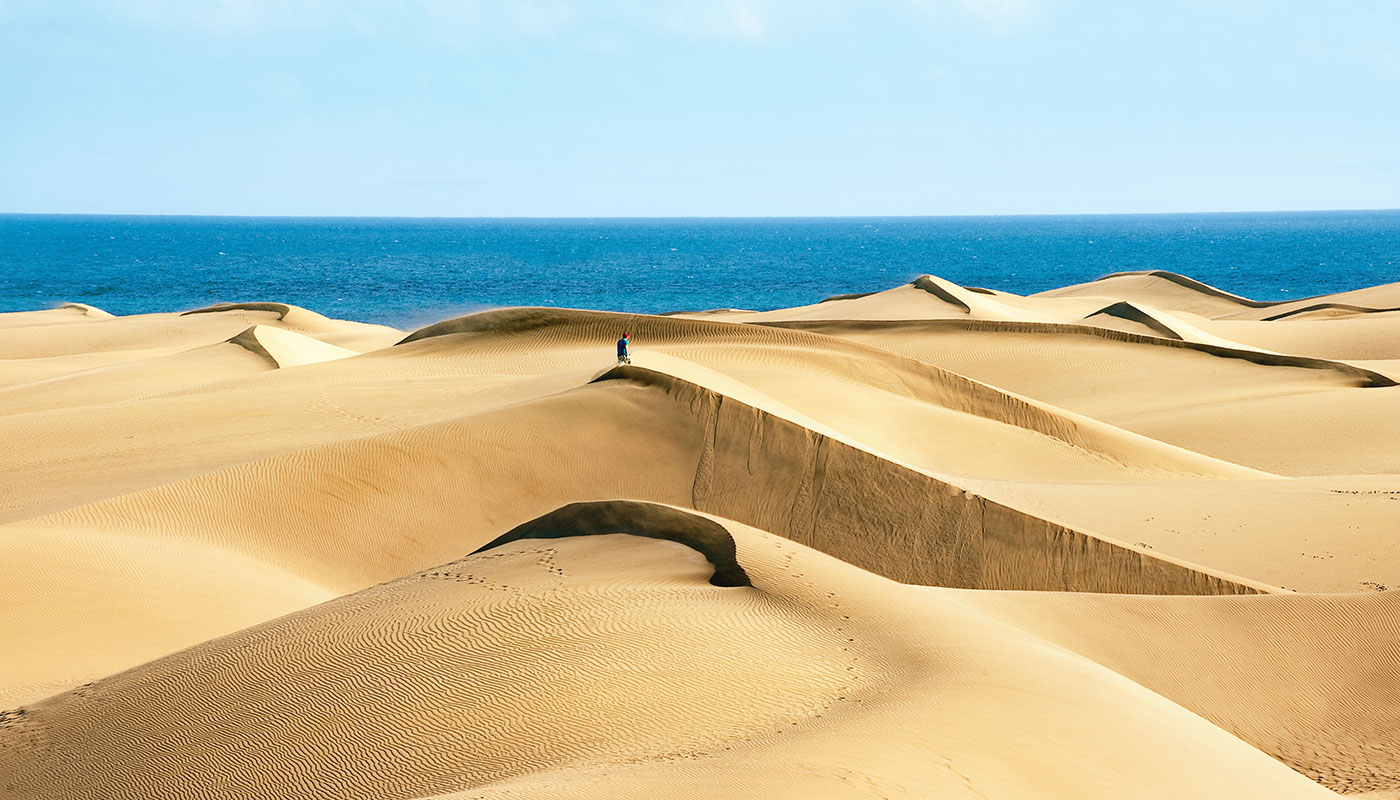






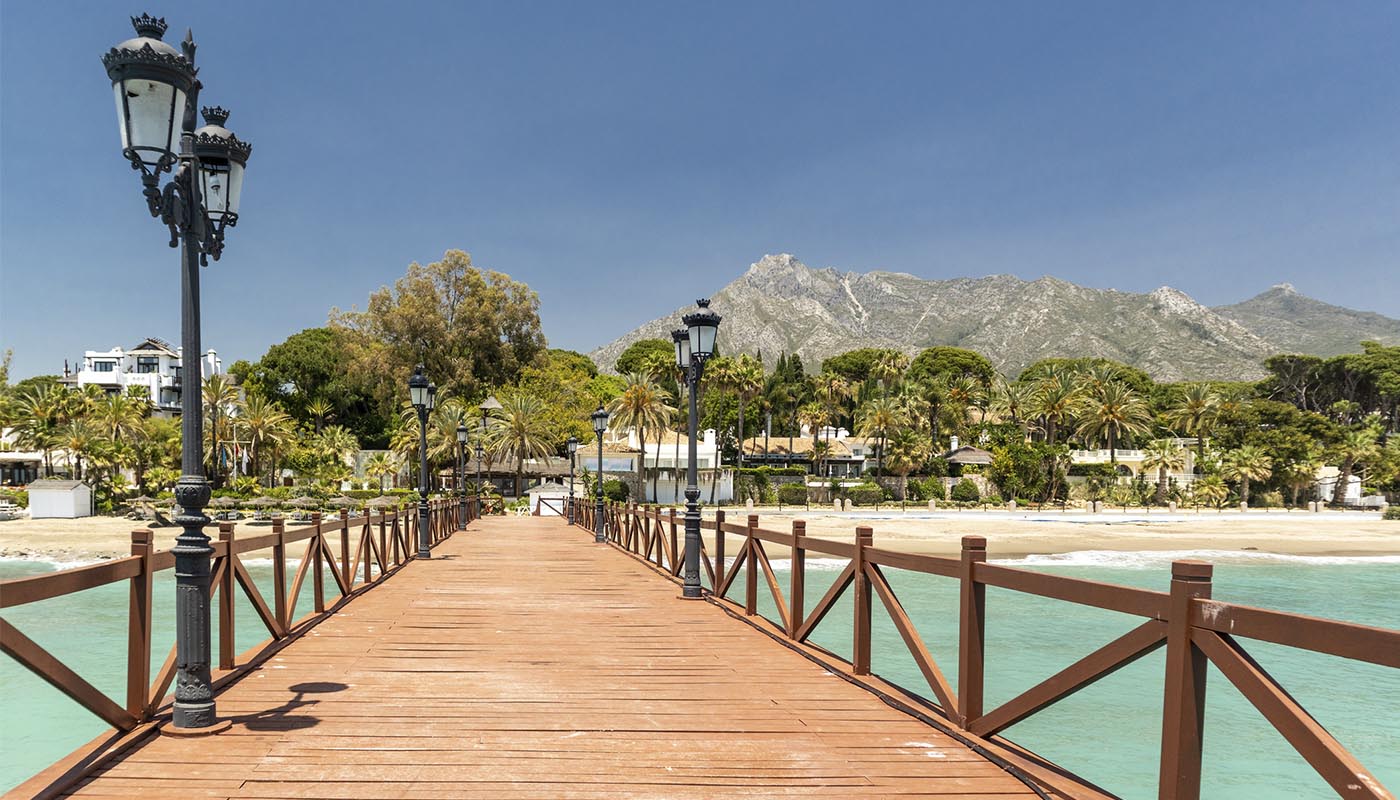




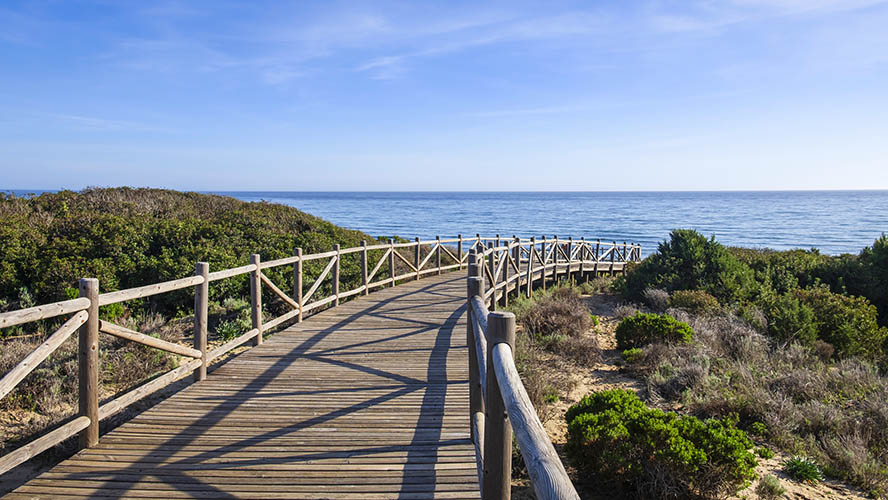
On Marbella’s eastern coast, at the point where the Cabopino building developments give way to the sand, the Dunas de Artola remain as a fragment of the Andalusian coastline as it was before the advent of tourism and mass development. This enclave, which was declared a Natural Monument in 2001, retains a range of sand dunes that has survived thanks to its ecological value and its innate beauty. There are no beach clubs or sun loungers here: just wooden walkways (from which you can spot coastal birds), threading their way through rushes, sea thistles and pine forests stirred by the breeze, a sight all too rare in the heart of the Costa del Sol.
- The natural context and how to get there: the last sigh of Marbella’s wild shoreline
- Why visit the Dunes: the magical spell of a primordial landscape on the shores of the Mediterranean Sea
- Activities in the area: living nature and naturist beaches
- Routes and trails: walkways among the dunes and old defensive towers
The natural context and how to get there: the last sigh of Marbella’s wild shoreline
Barely ten kilometres from the centre of Marbella, the Dunas de Artola rise like a geological miracle on a coastline dominated by concrete. This system of dunes, designated a Natural Monument by the Andalusia Regional Government since 2001, stretches for more than 20 hectares from the Cabopino leisure marina, over pine forests, shifting sands and halophilic vegetation that can survive this salty, windswept environment. This is one of the best-preserved coastal areas in the whole of the province of Málaga, a sanctuary of biodiversity that provides a habitat for species such as the sea thistle, the sea lily, the ocellated, or jewelled, lizard, and serves as a stopping-off point for migratory birds such as the Kentish plover and the common egret.
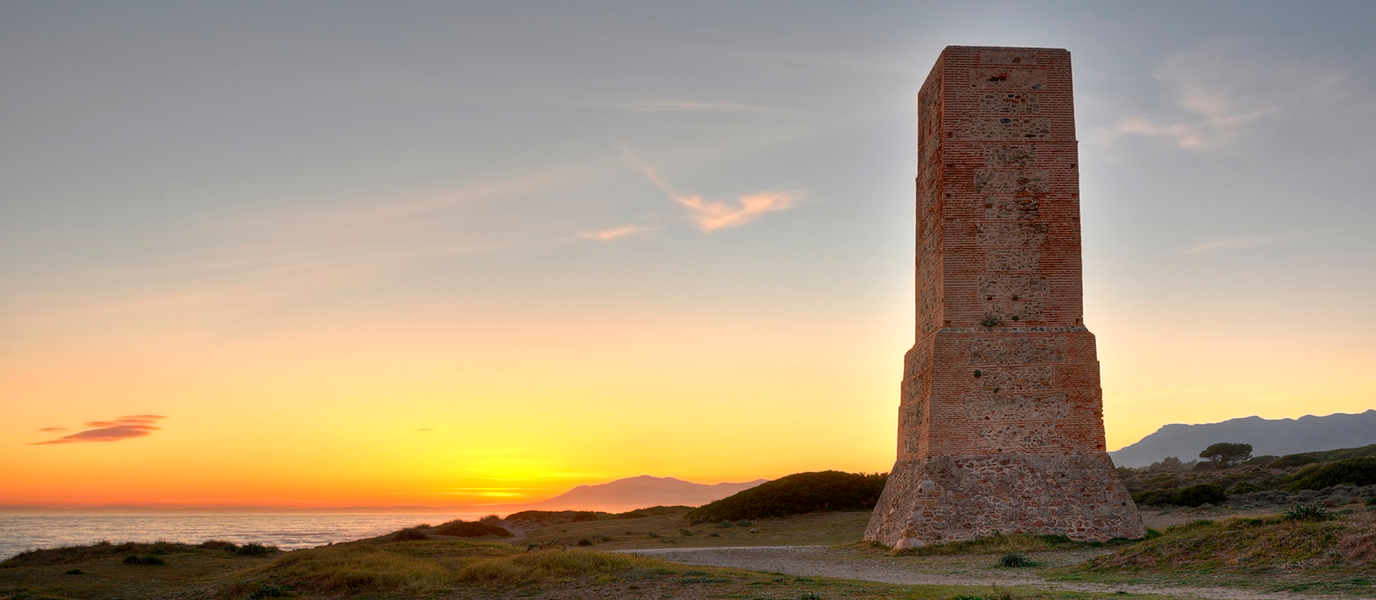
The dune system is divided into living, semi-fixed and fossil dunes, making this an enclave of great scientific and educational value — as well as a paradise for hikers, nature photographers and anyone looking for a more contemplative experience by the sea. The wooden walkways built across the landscape allow people to walk over it without damaging its fragile ecological equilibrium. They also lead to a historic landmark: Torre Ladrones, a defensive tower of Nazari origin that has stood guard over the coast for centuries.
Access to this mini Eden is surprisingly easy. From the A-7 motorway, you simply need to take the exit towards Cabopino, and follow the signs to the car park next to the leisure marina. From there, a short walk through the pine forest will bring you to the first sand dunes and give you access to the walkways. Visitors who prefer to use public transport can travel on the intercity bus routes that operate between Marbella and Fuengirola, as there are bus stops very close to the main access point. Despite their proximity to the urban centre, the Dunas de Artola offer an almost immediate sense of seclusion, as soon as you step on to the sand, all the hustle and bustle is left behind, and you are enveloped in the sounds of the wind and the sea… and silence.
Why visit the Dunes: the magical spell of a primordial landscape on the shores of the Mediterranean Sea
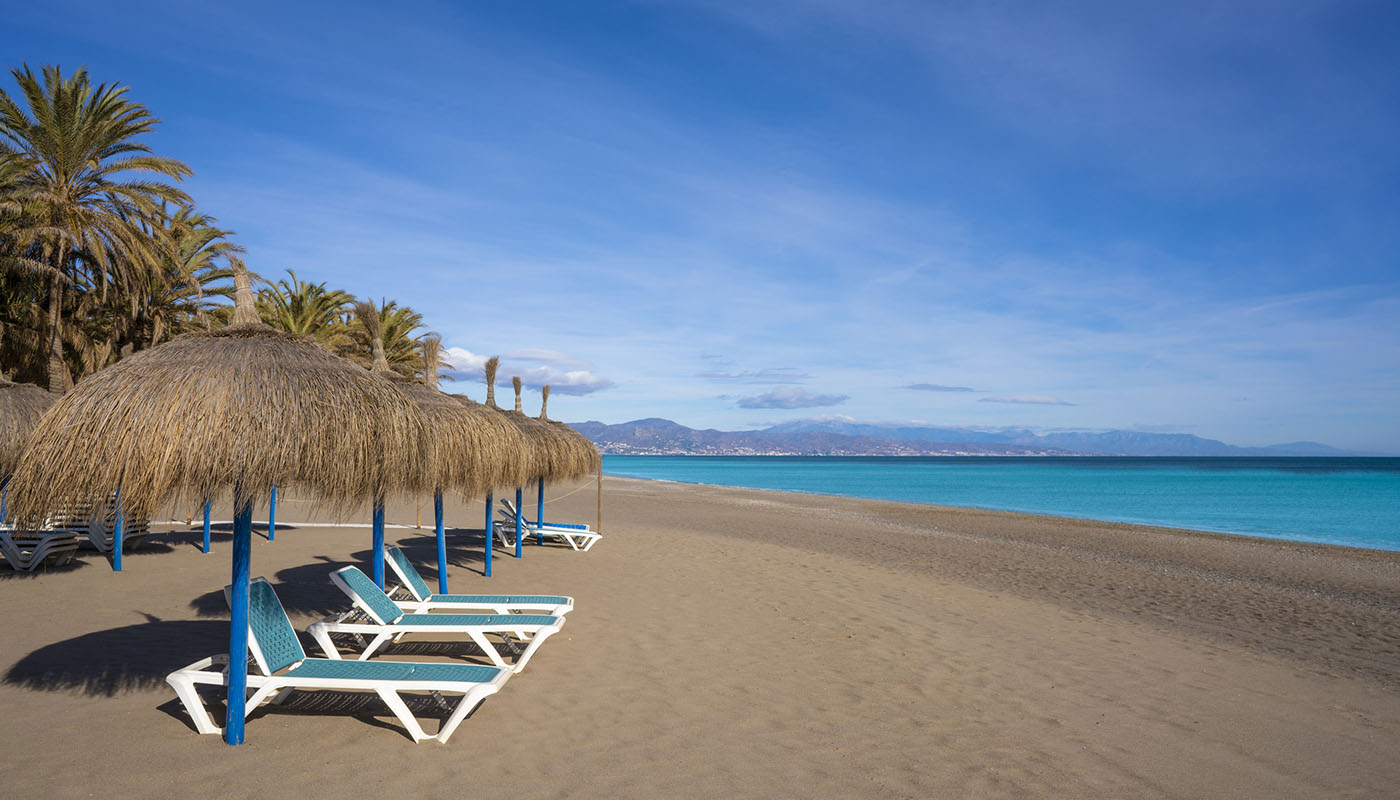
A visit to the Dunas de Artola is far more than a walk in nature: it is an opportunity to reconnect with the type of coastal scenery that now scarcely exists on the Costa del Sol. There are no enormous hotels here, and no sun loungers lined up under coloured sunshades. Instead, visitors find themselves in a landscape of shifting dunes, held in place by vegetation including juniper and marine juniper [Juniperus oxycedrus subsp. Macrocarpa], forming a fragile, but extremely valuable, ecosystem.
This area is also a refuge for migratory birds and endemic species, making a visit here a rich experience for the senses. The salty aromas blend with the perfume of the native plants, while the gentle mounds of sand and the blue of the sea fade into infinity. For many travellers, Artola represents an alternative to Marbella’s conventional beaches: a place where luxury does not reside in the design of a beach bar, but in the innate beauty of the landscape.
Activities in the area: living nature and naturist beaches
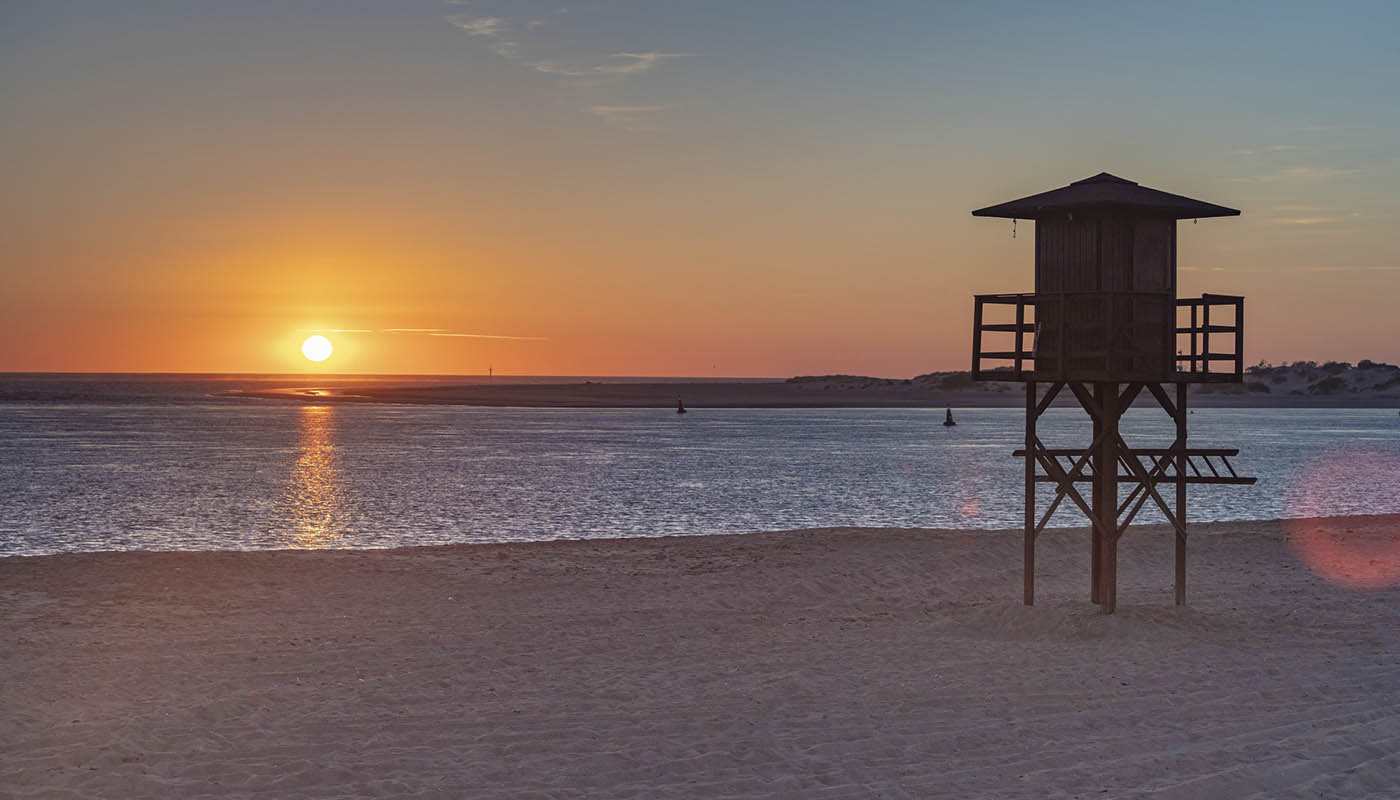
Despite its protected status, the Dunas de Artola allow visitors to enjoy a range of activities that are respectful of the environment. One of the most popular is simply strolling along the walkways that cross the dune system, the perfect opportunity for taking photographs, bird watching, or just wandering at will. At sunset, the play of light on the sand creates the perfect scene for nature photography enthusiasts.
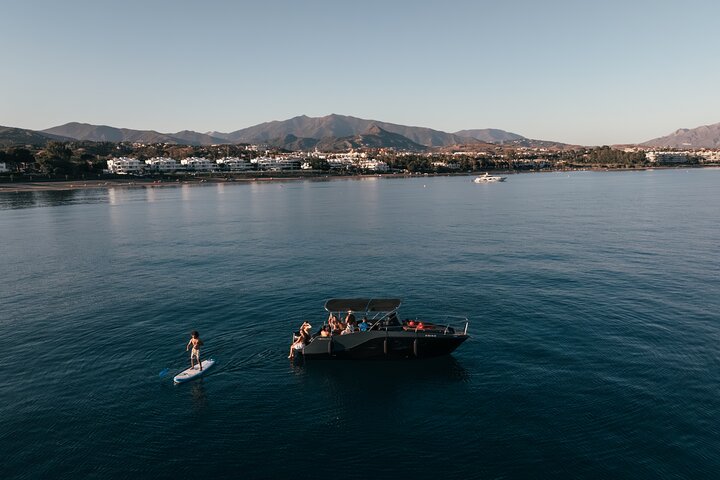
Close by lies Cabopino beach, one of Marbella’s few naturist beaches, which shares the same free spirit and crowd-free setting. In addition, the nearby Cabopino leisure marina provides options for those who wish to swap the silence of the natural world with some social activity, thanks to its beachfront restaurants and little shops. Here you can hire paddle boards or jet skis, or you can book a sailing trip to see dolphins.
Routes and trails: walkways among the dunes and old defensive towers
One of the most emblematic routes starts at the Cabopino marina and crosses the dunes, following the wooden walkways, to the Torre Ladrones, a former watchtower of Moorish origin, which has been declared an Asset of Cultural Interest. This tower once formed part of Andalusia’s coastal defence system; it was built in order to prevent attacks by pirates, and from the top you can obtain a panoramic view of the coastline. These days, it is one of the most photographed scenes in the area.
You can walk the Dunas de Artola trail in less than an hour, but lots of visitors prefer to stroll at a leisurely pace, stopping to look at the plant life, or simply to sit on a wooden seat and gaze at the sea. This trail connects to the coastal path that links up a good part of Marbella’s coastline, so you can walk further, to other nearby beaches, such as Las Chapas or Elviria. It is ideal for families, lone travellers, or anyone seeking an accessible, level stroll that is also rich in contrasting scenery.