


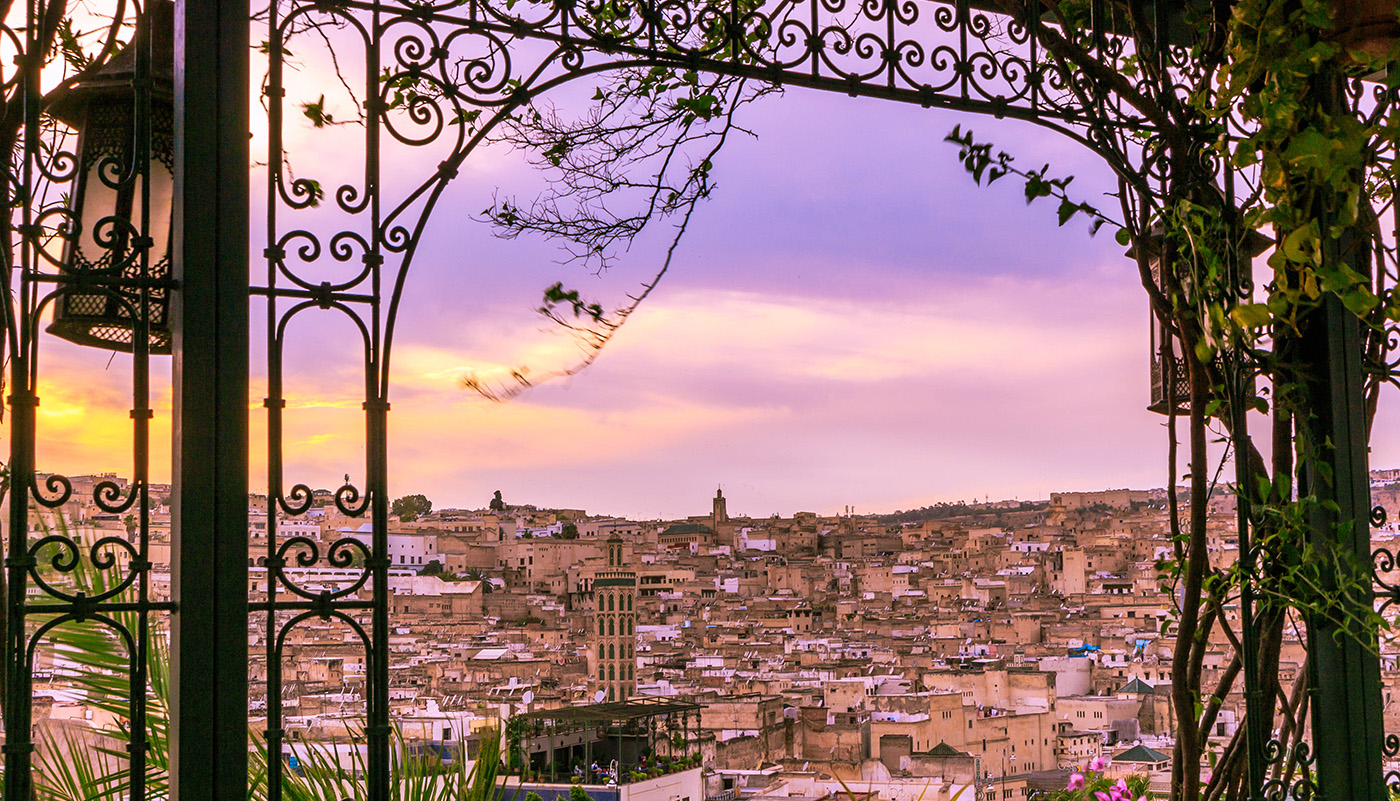
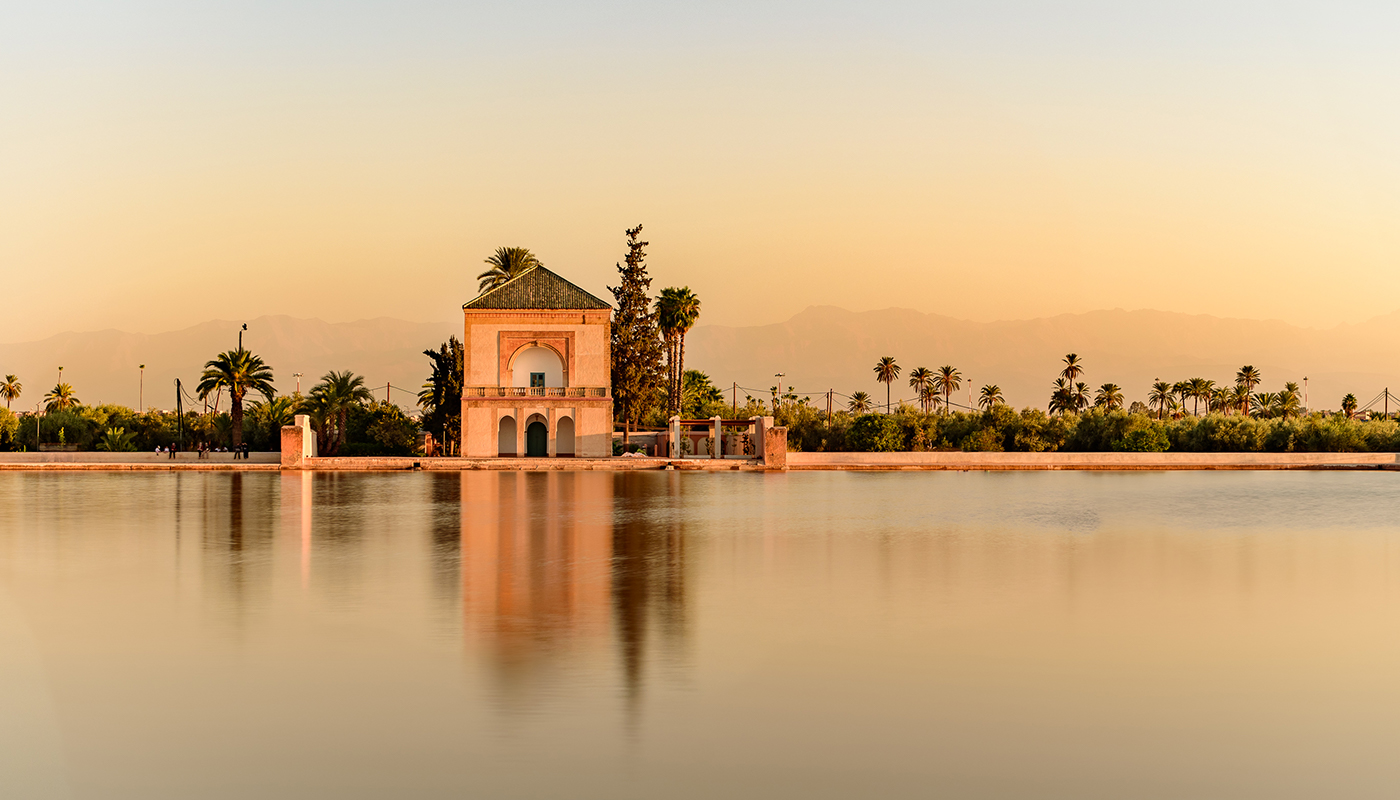
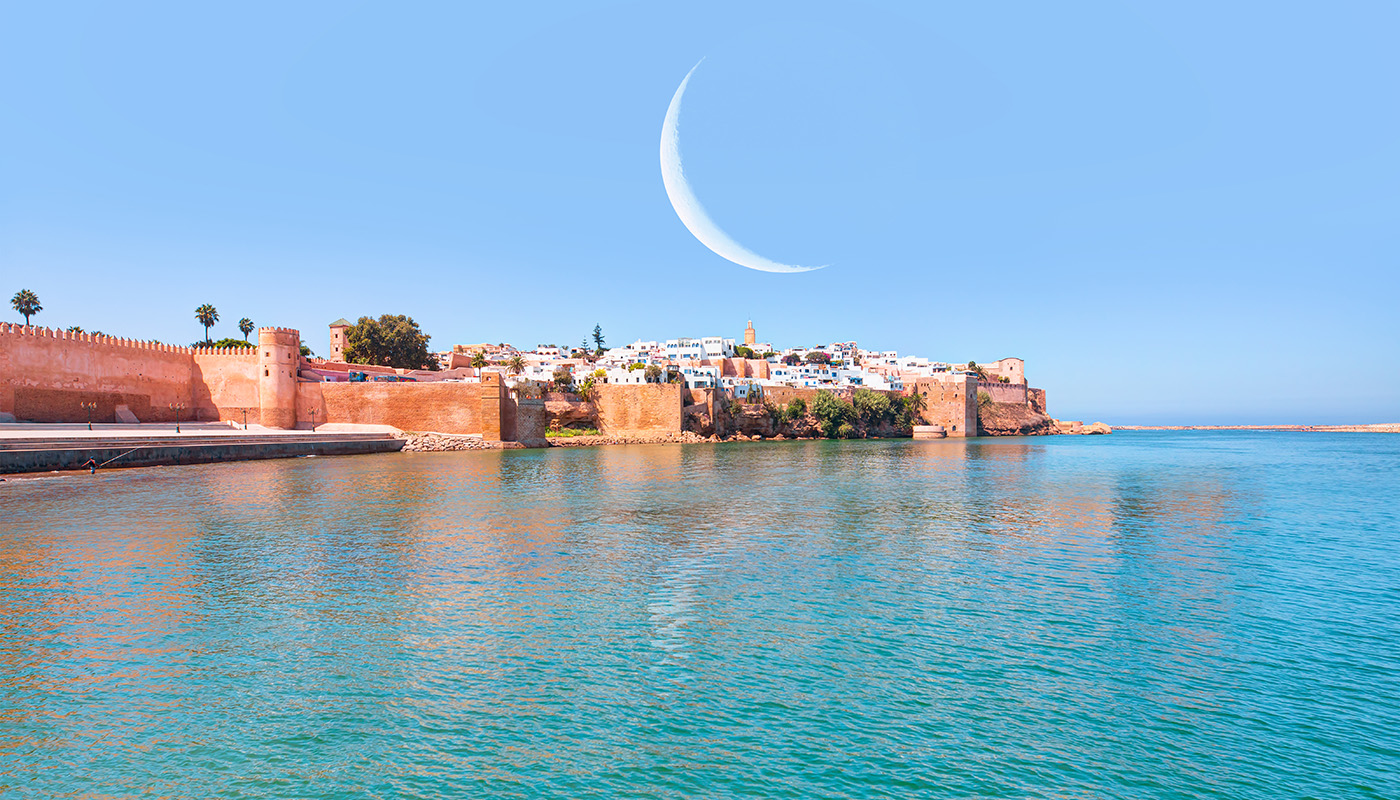




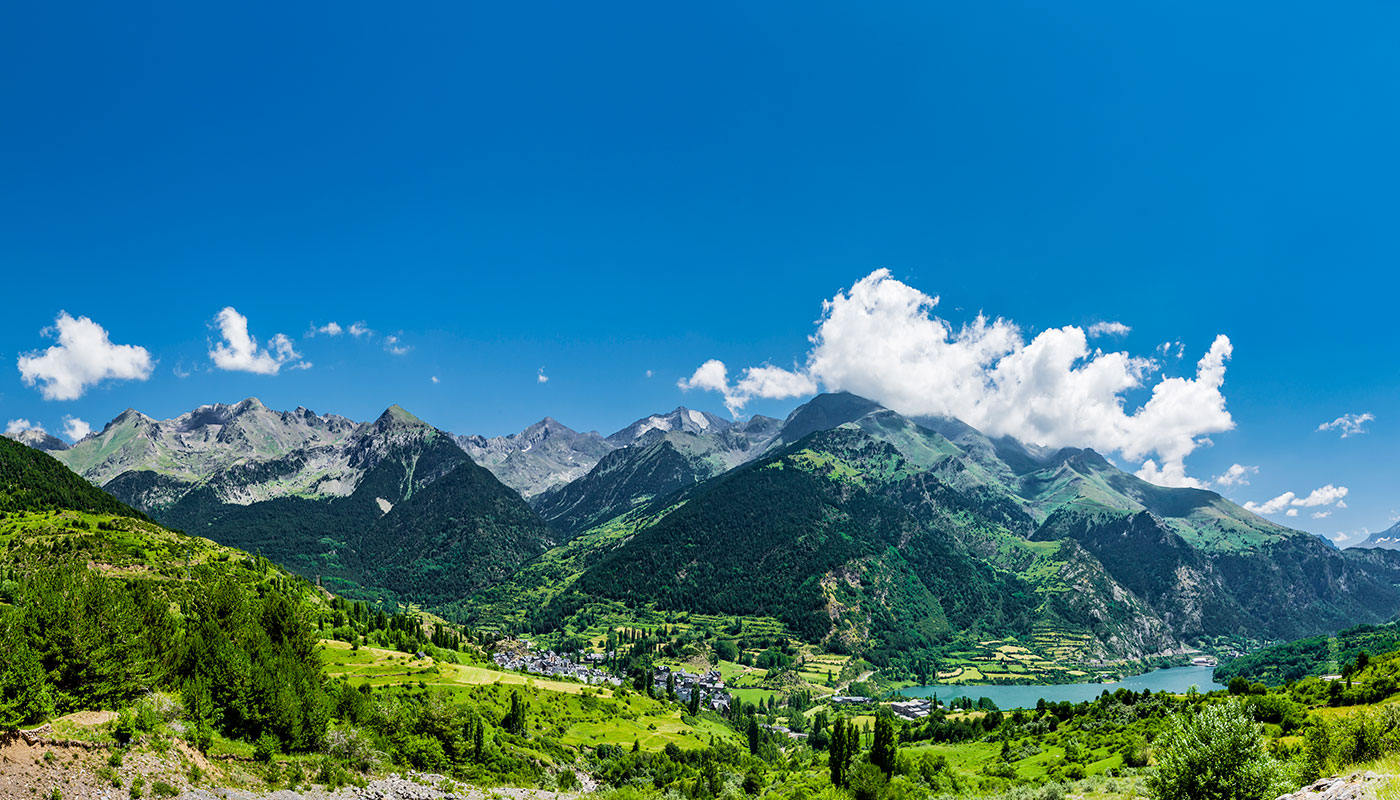
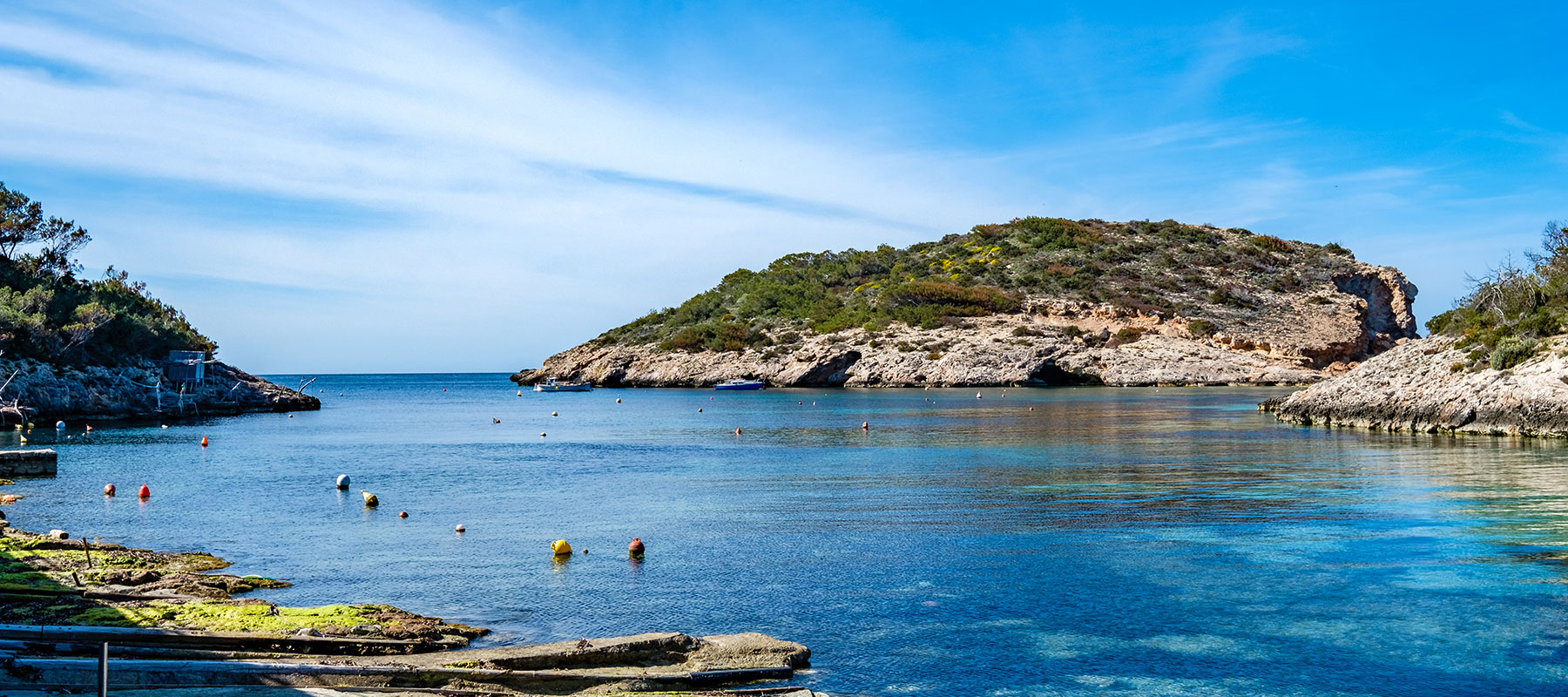
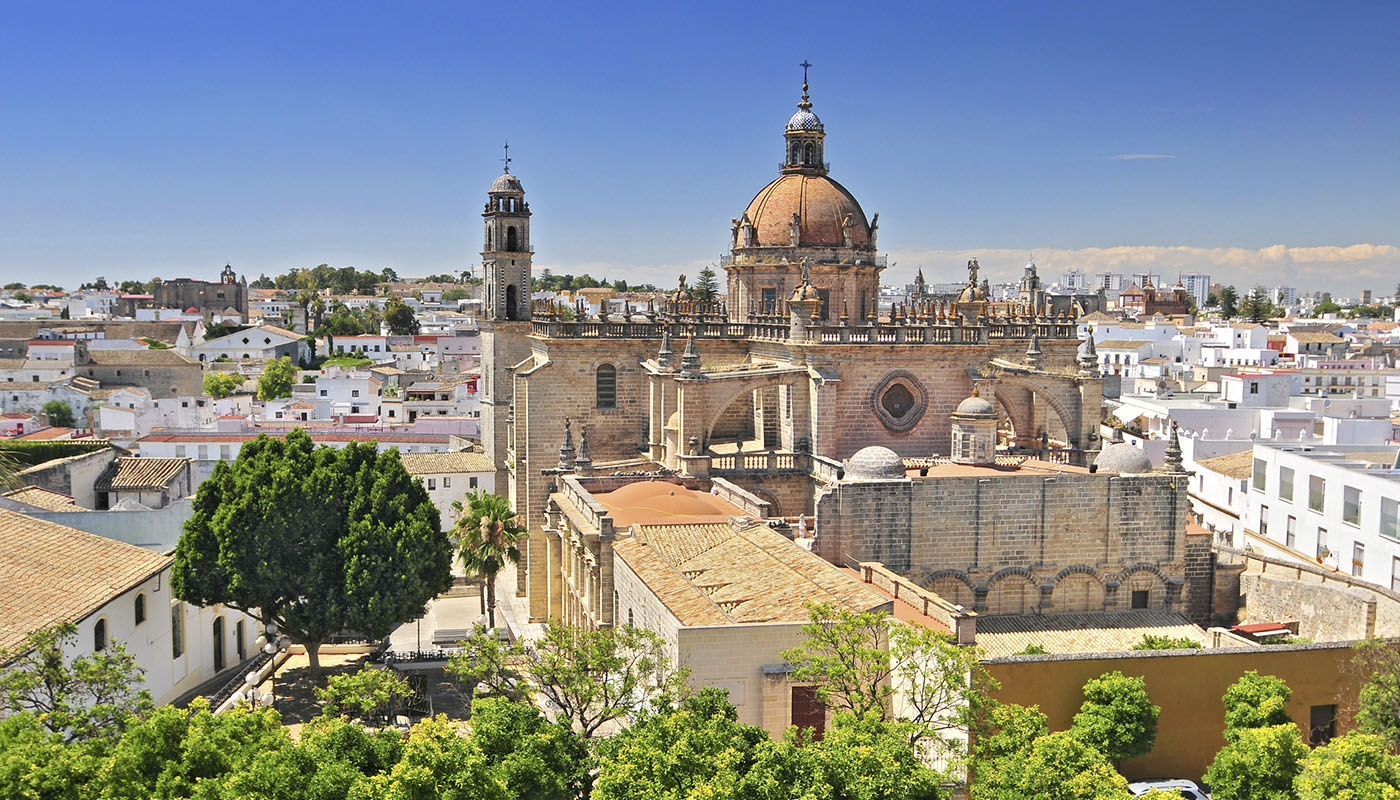
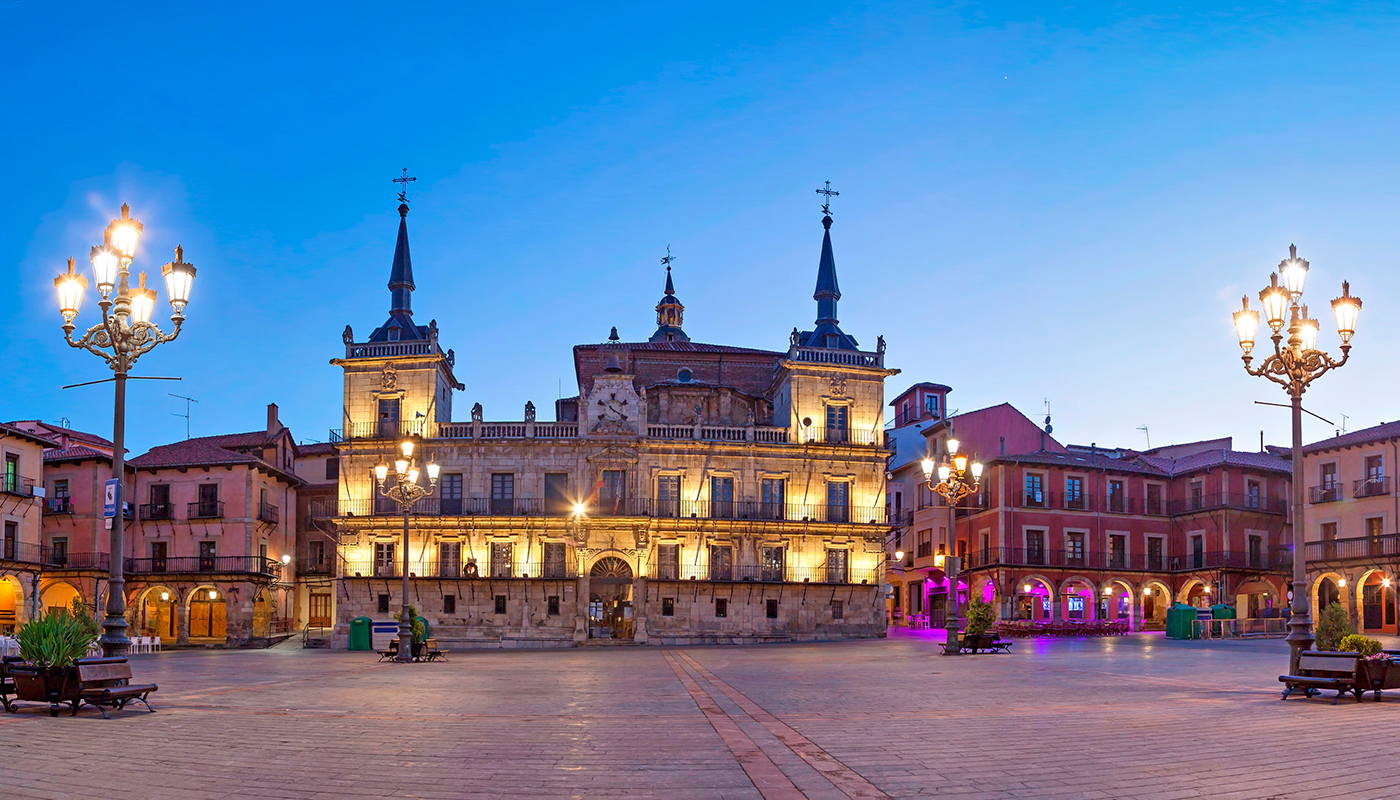



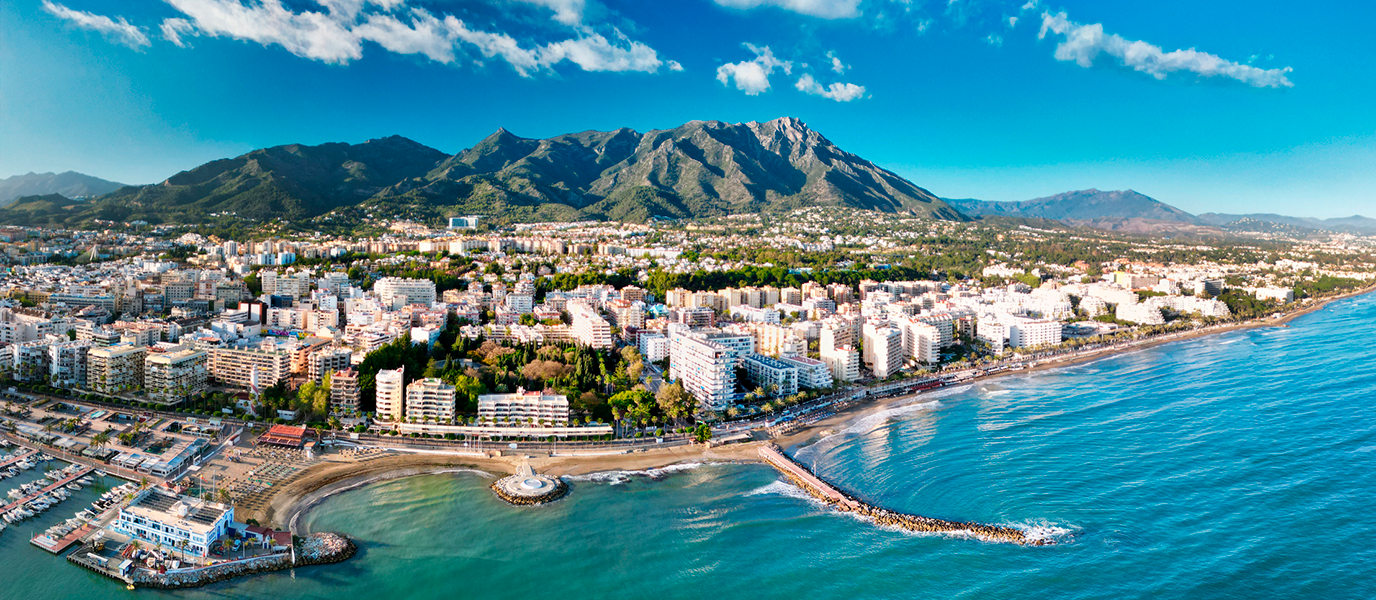
Although Marbella shines brightly on the international tourism map, those who venture beyond its beaches and bustling port will find towns and villages that paint a picture of another, more intimate and surprising Andalusia. Just a few kilometres from the town, there are valleys covered with olive trees, mountain ranges where time seems to have fallen asleep, and villages that climb the slopes as if reaching for the sky. They are places where life follows the slow pace of the countryside, geraniums overflow from the balconies and the bell towers still tell the time. On this route, each village reveals a distinct aspect of Malaga province: from the Moorish architecture in Frigiliana to the rock-hewn houses in Setenil. These hidden corners will round out your Marbella experience with a mosaic of landscapes, flavours and stories that deserve to be explored at a leisurely pace.
- Frigiliana: a white tapestry between the mountains and the sea
- Ronda: the town split by an abyss
- Nerja: cliffs, caves and a balcony overlooking the Mediterranean
- Setenil de las Bodegas: houses built under a rock providing a cool shade
- Álora: castles at the top and orchards at its feet
- Júzcar: the village that turned blue
- Ojén: between streams and liqueurs
Frigiliana: a white tapestry between the mountains and the sea
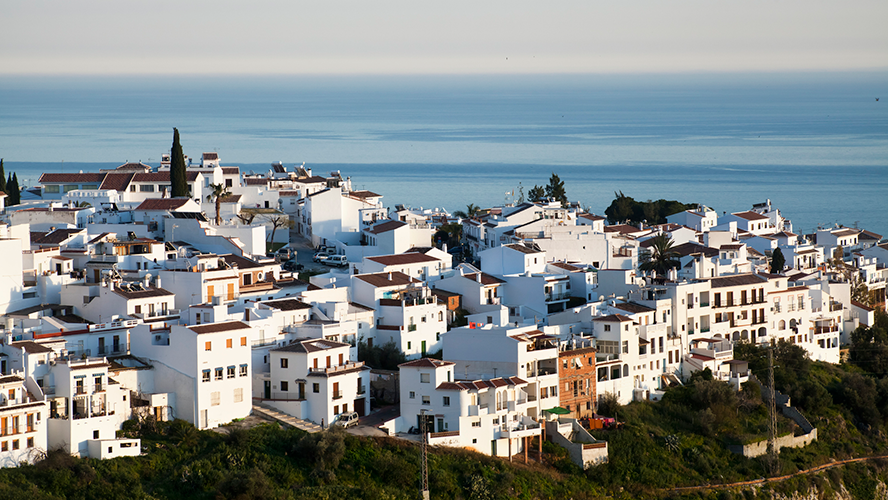
About 80 kilometres east of Marbella, Frigiliana appears suspended between the foothills of the Almijara Sierra and the deep blue of the Mediterranean. Its white silhouette is unmistakable: cobbled streets twisting around themselves, impossible staircases, flowery courtyards, and tiles that tell the story of the last Moorish stronghold on the peninsula.
Frigiliana has been voted several times as one of the prettiest villages in Spain, and it is no wonder. The Moorish Quarter, in the upper part of the village, is a jewel of traditional Andalusian architecture. There, every corner has something to say: from the Moorish rebellion in the 16th century to the artisanal production of sugarcane honey, which is still produced in the old Nuestra Señora del Carmen factory. Also, the Santo Cristo viewpoint provides a breathtaking view, where the village gradually dissolves into the sea’s horizon.
Ronda: the town split by an abyss
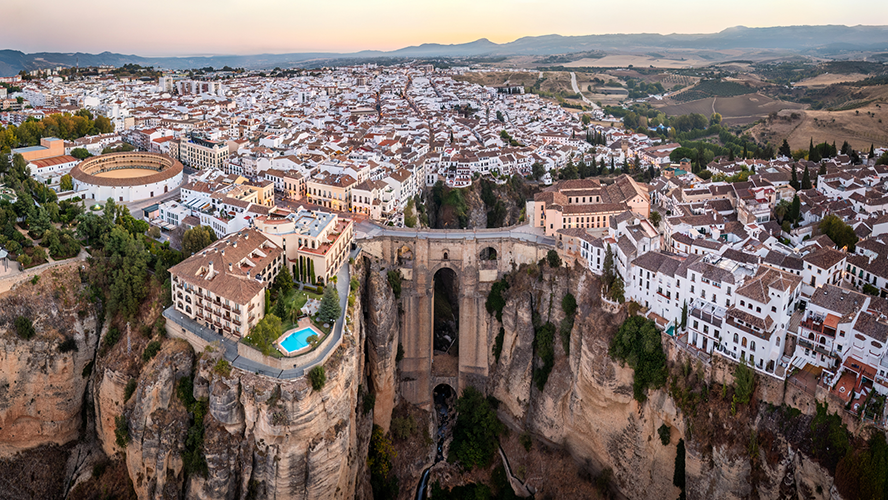
An hour and a half drive from Marbella, Ronda rises above a deep gorge that splits the town in two halves. The New Bridge, which connects both sides of the abyss, is not just an engineering marvel of the 18th century, but the unmistakable symbol of this monumental ensemble that seems to rise from the very stone itself.
Ronda’s history is shaped by its strategic location: Iberians, Romans, Moors and Christians have left their mark there. Its old town, on the southern part of the El Tajo gorge, preserves the Andalusian layout intact, with narrow streets and cool interior courtyards. Ronda’s bullring, one of the oldest in Spain, was where modern bullfighting began, while the Arab baths, excavated next to the river Guadalevín, will help you imagine what daily life was like during the Nasrid Kingdom.
Moreover, the surroundings offer spectacular hiking trails through the Sierra de las Nieves National Park and family-run wineries that produce red wines with character. Ronda requires time and attention because every stone, every corner and every silence hold centuries of history.
Nerja: cliffs, caves and a balcony overlooking the Mediterranean
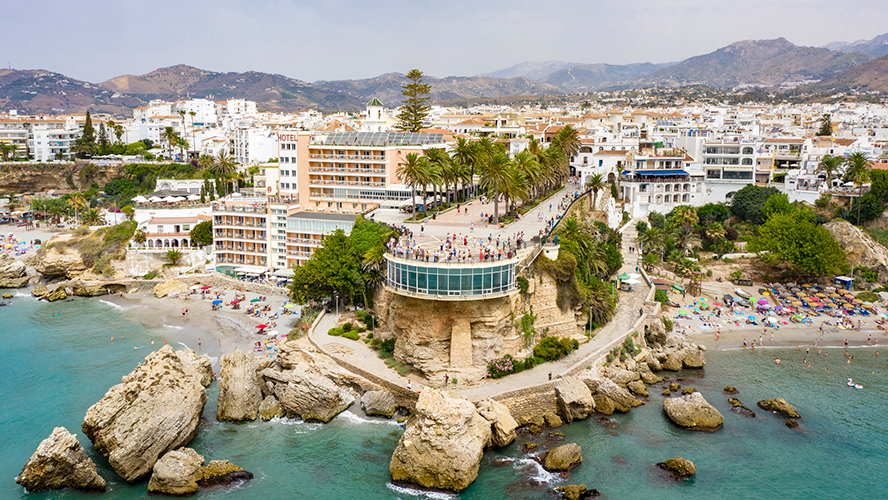
Nerja, just over an hour along the coast from Marbella, combines the charm of an old fishing village with some of the most stunning landscapes on the Malaga coast. The Balcón de Europa, a former fortress converted into a promenade, overlooks the sea from a rocky headland and provides one of the most iconic views of the Costa del Sol.
Nevertheless, the one thing that has made Nerja famous beyond its beaches and hidden coves is the caves. The Nerja Caves, discovered in 1959, conceal one of the world’s largest natural columns, plus cave paintings dating back more than 40,000 years and cathedral-sized rooms. The international festival held there every summer adds even more magic to the ensemble.
Strolling through the centre of Nerja, with its simple and bright architecture, artisan shops and seaside terraces, is a pleasant experience that combines history, nature and the peaceful atmosphere of a town that, despite tourism, has not lost its essence.
Setenil de las Bodegas: houses built under a rock providing a cool shade
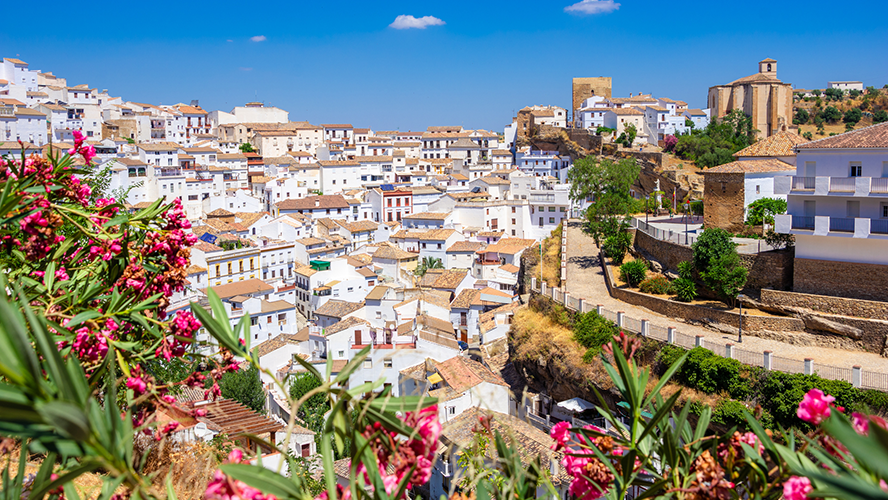
Setenil is unlike any other village. Literally. Unlike the typical Andalusian white villages that cling to the peaks, Setenil hides among the meanders of the river Guadalporcún, occupying the hollows of the living rock. Setenil’s houses were not built under the cliffs: it is the cliffs that serve as the roofs of the houses.
Strolling down Cuevas del Sol or Cuevas de la Sombra streets is like entering an underground world where the temperature remains cool even on the hottest summer days. The rocks curve over the façades and create a unique sheltered feeling. There, everything seems to be dictated by the whim of geology.
Setenil is also famous for its cuisine. Flaming chorizo, country soups and almond sweets are part of an austere but tasty culinary tradition. Visiting the village is an experience that combines an architectural surprise with a peaceful rural life.
Álora: castles at the top and orchards at its feet
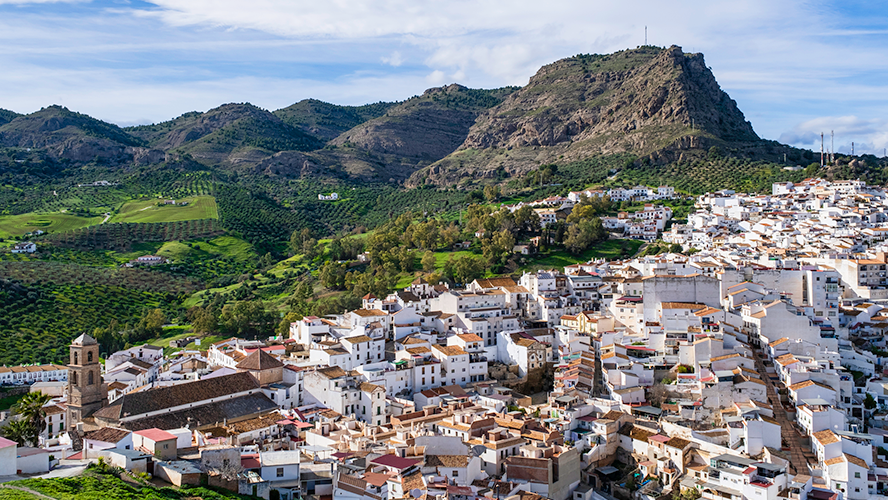
To the west of the river Guadalhorce, in the heart of the Sun Valley, lies Álora, a town that has managed to maintain its Moorish-Christian character intact. Its Moorish castle, on top of a hill overlooking the valley, was one of the key fortresses in the resistance against the Christians until its conquest in 1484. From there, the view of the orchards, lemon groves and olive groves is as extensive as it is serene.
The Church of the Incarnation, built on the site of an old mosque, marks the heart of the town, which still retains an air of seclusion. Álora is also a perfect base for exploring the Caminito del Rey walkway that hangs more than 100 metres above the Gaitanes gorge, one of the most spectacular hiking trails in Europe.
Júzcar: the village that turned blue
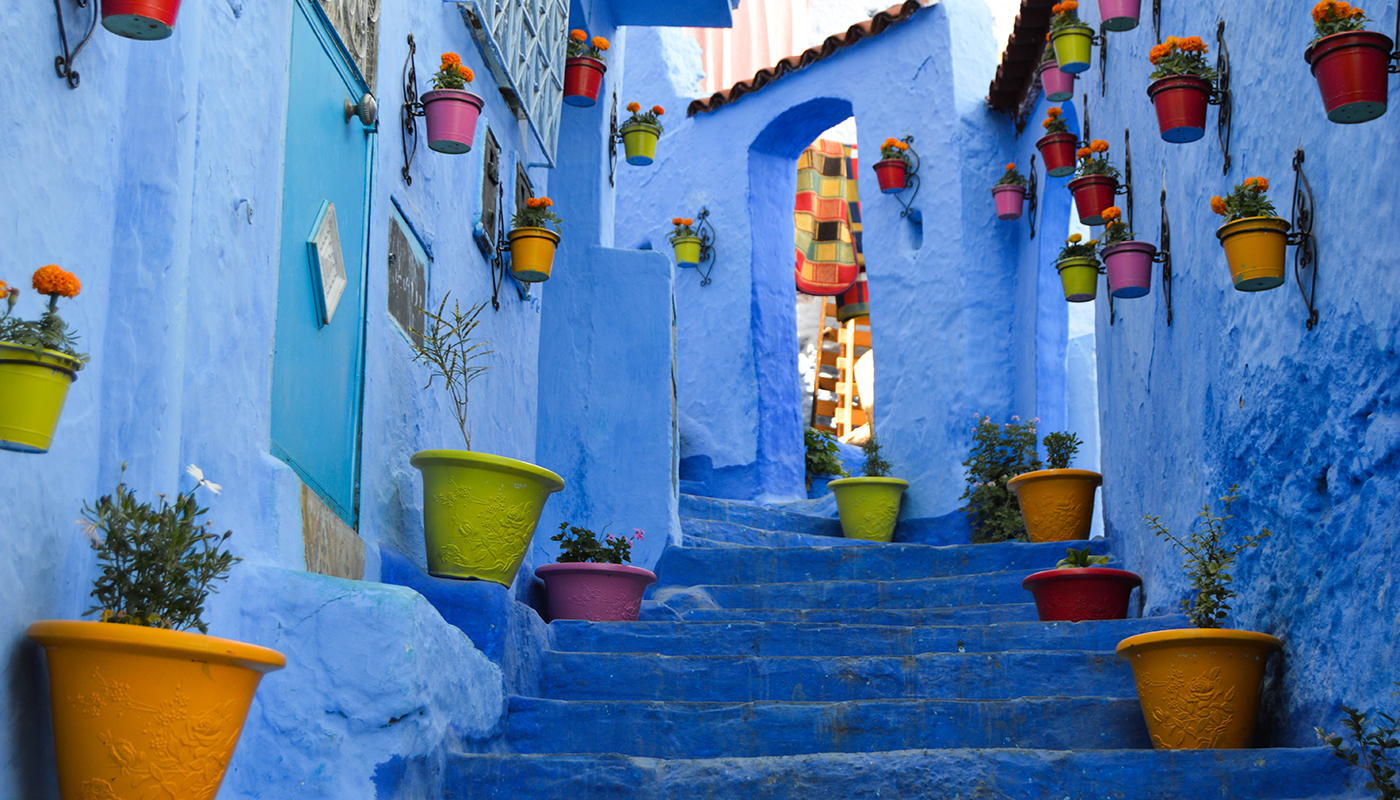
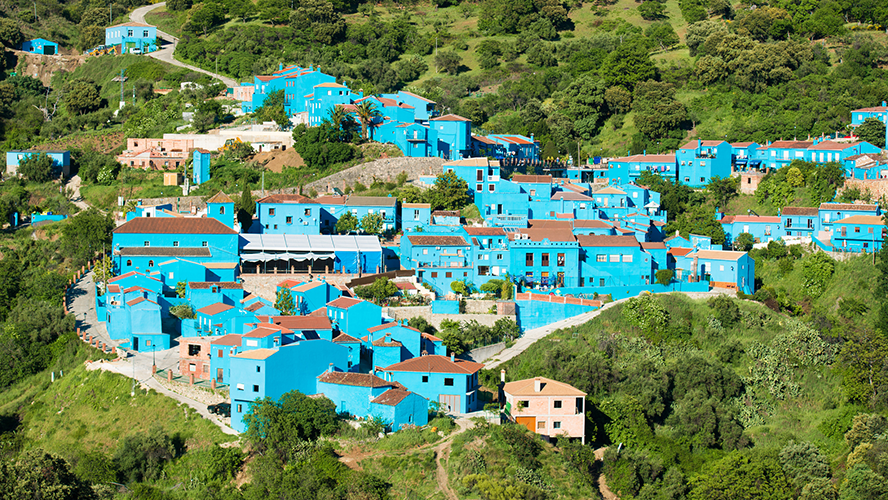
Few villages in the world change colour because of a movie, and Júzcar is one of them. In 2011, it was chosen by Sony to promote The Smurfs and its houses were painted blue. What began as a temporary campaign became a hallmark: the number of visitors increased and the town decided to maintain the new colour.
Beyond its visual appeal, Júzcar is located in the heart of the Genal Valley, one of the greenest and least-travelled corners of the Serranía de Ronda district. Its surroundings are covered with chestnut and oak forests, perfect for hiking trails. In autumn, when the leaves turn red, the valley transforms into an impressionist painting.
Ojén: between streams and liqueurs
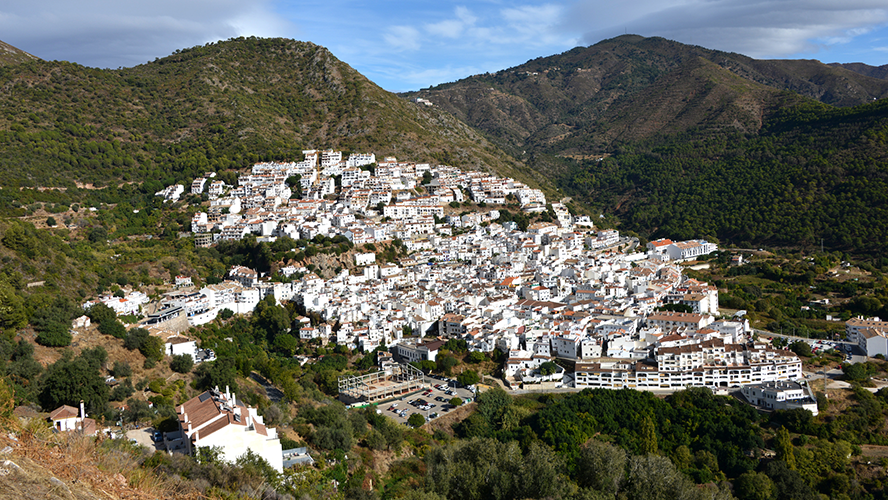
Just ten kilometres from Marbella, Ojén offers a radical change of scenery. The sea is left behind and the mountains close around this village perched between ravines and streams. Its white houses seem to climb the hillside, seeking the sun between the cool shade provided by the vines.
Ojén was famous for its liqueur, a distilled spirit that was exported to Cuba and the Philippines in the 19th century. Today you can visit the Liqueur Museum and find out how this typical beverage is produced. Its proximity to the Sierra de las Nieves National Park makes it a perfect retreat for hiking enthusiasts.