
























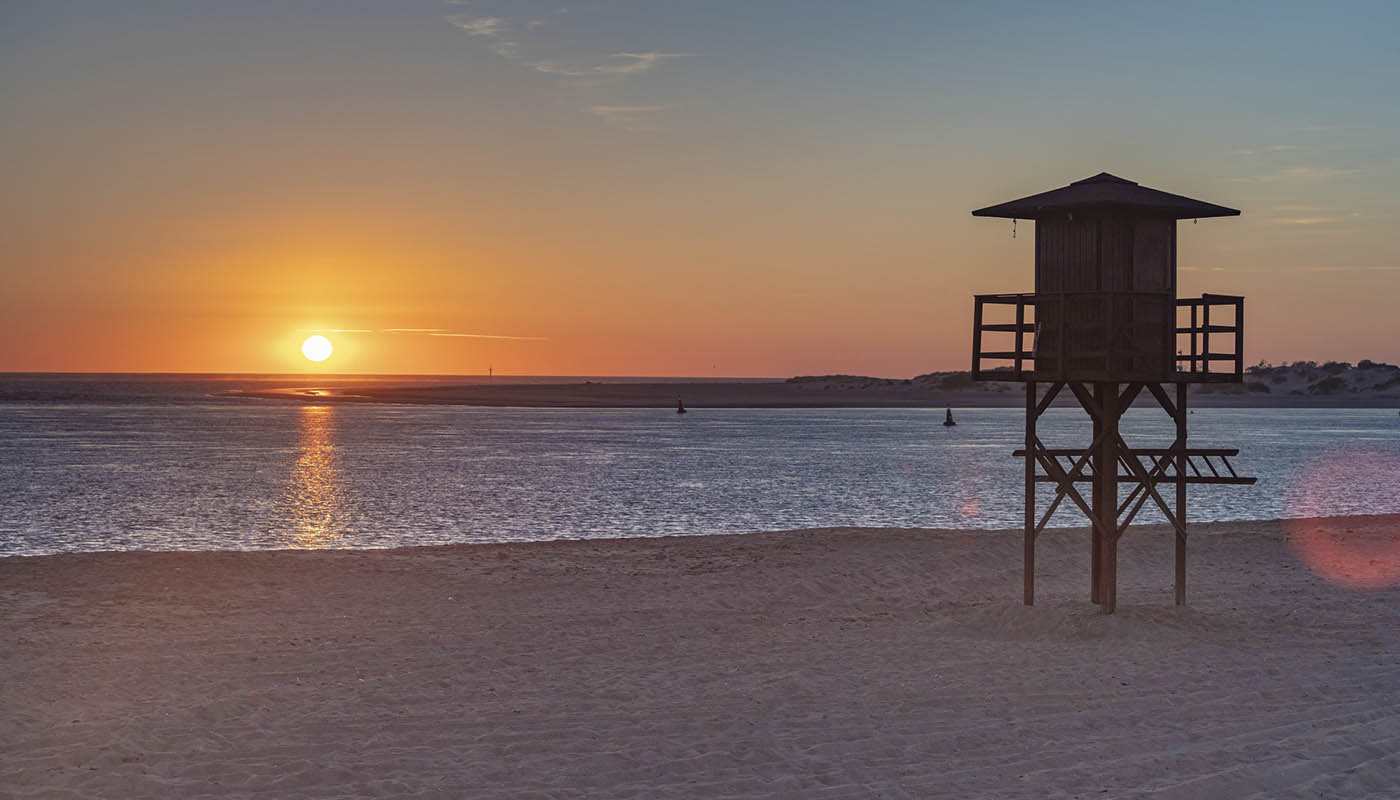




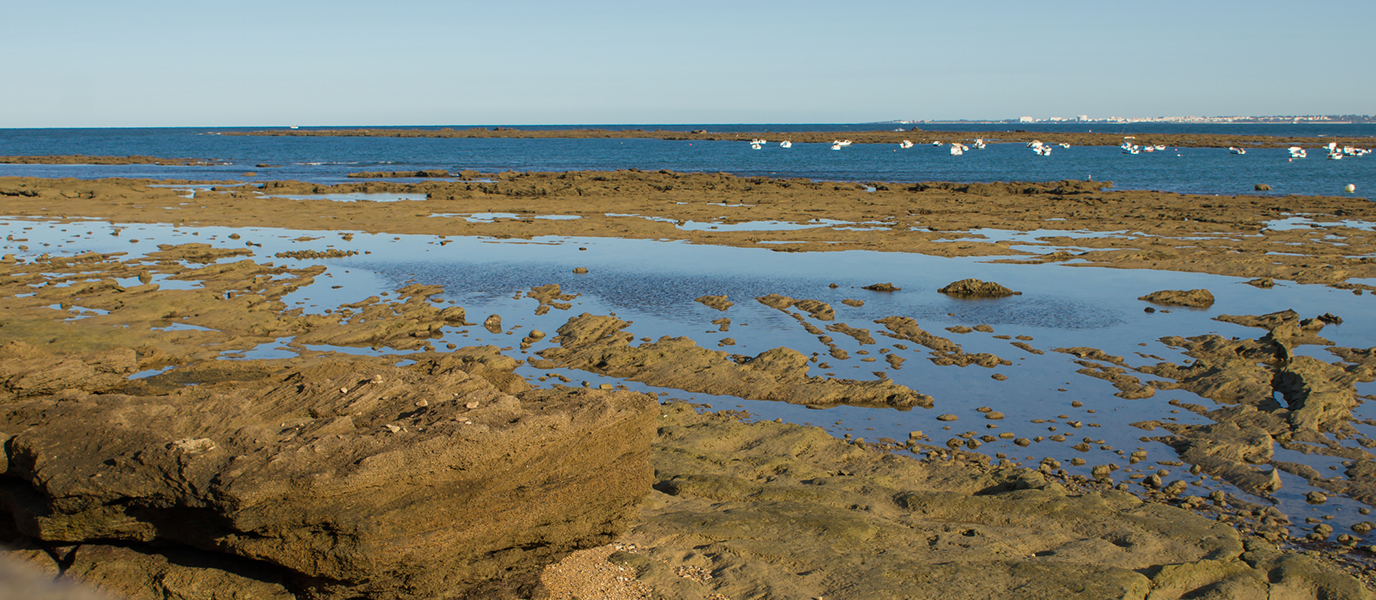
Many people talk about the magic of these spaces that are neither sea nor land. What makes the Sancti Petri marshes even more special is that they haven’t been exploited for salt production, so they’ve kept their role as a haven for the migratory birds that come and go each year to Doñana Natural Park.
- Natural setting of a unique marsh
- What you’ll see on your visit: a community of birds and crustaceans
- How to get to the marshes: a bike route
Natural setting of a unique marsh
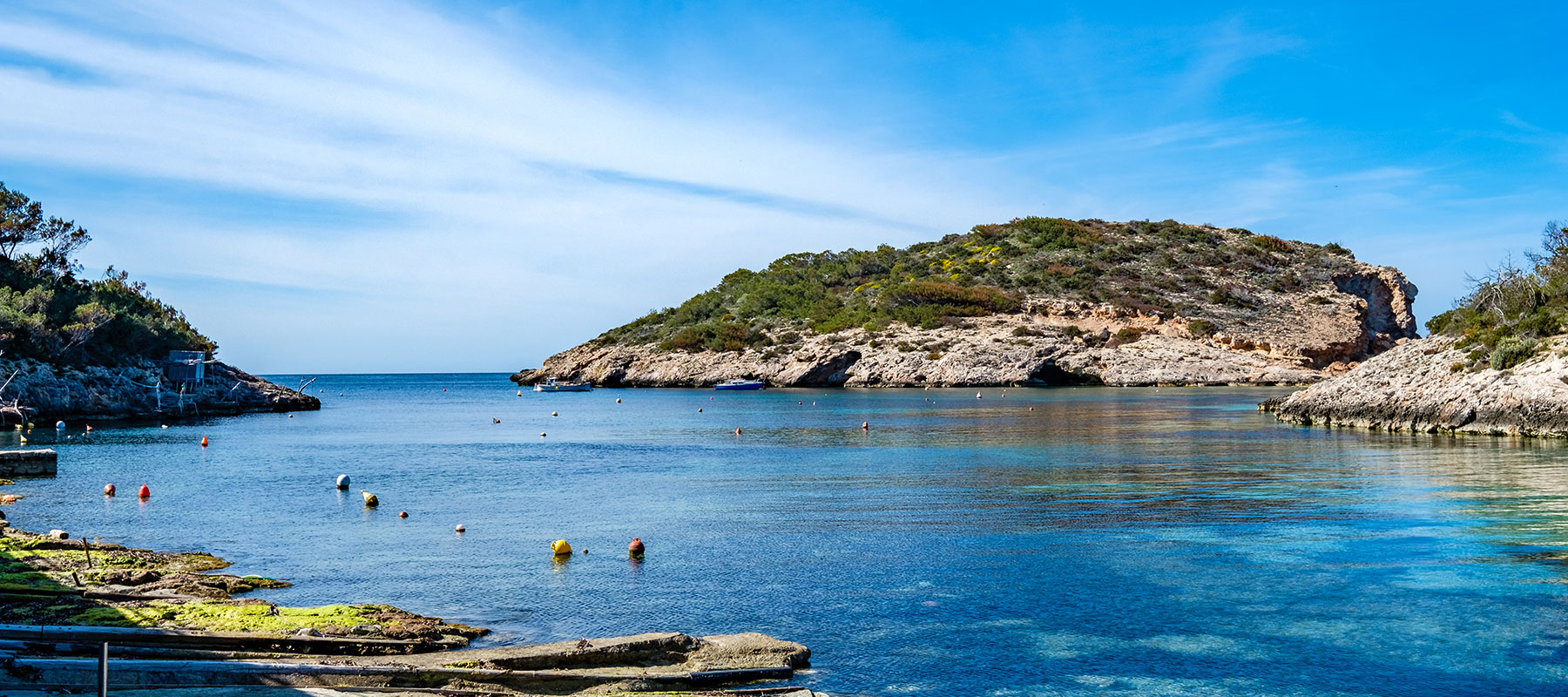
Located in the south of the Bay of Cadiz, in the municipality of Chiclana de la Frontera, the Sancti Petri marshes have survived centuries of history and human destruction. In fact, they are the only ones that haven’t been converted into salt flats, meaning that they’ve retained the natural essence that makes them unique.
Curiously, being an island with a significant pine forest, Coto de la Isleta, this place has preserved the historic landscape of the bay and become a strategic location between the Strait of Gibraltar and Doñana Natural Park, especially for the many waterbirds that pass through during migration.
The site has been designated a Special Protection Area for Birds and is a unique vantage point for spotting many species that are hard to see in the wild.
In addition to migratory birds, it’s home to plenty of waterbirds and other resident species like the woodlark, white stork and zitting cisticola. You might even spot birds that choose the Sancti Petri marshes as their nesting ground, such as the yellow-legged gull, Kentish plover, avocet, black-winged stilt and little tern.
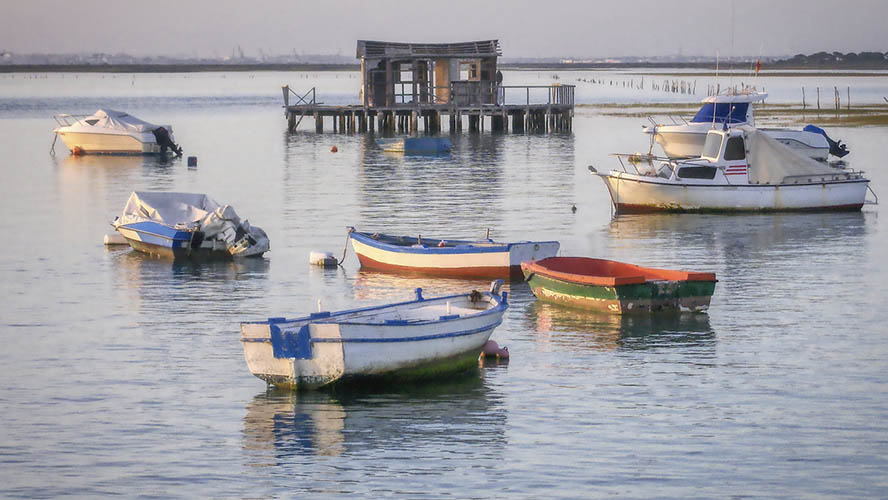
But it’s not just chicks growing up in the marshes; there are also plenty of fish, crustaceans and molluscs that have found the perfect place to live and reproduce in one of the most dynamic ecosystems in the area.
The marshes also boast a unique botanical habitat, full of species that have adapted to tidal fluctuations and saline conditions.
What you’ll see on your visit: a community of birds and crustaceans
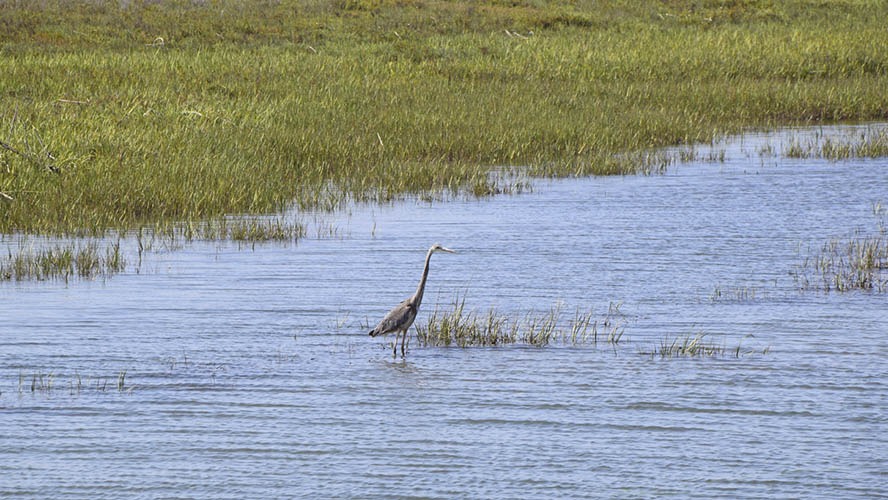
These marshes near Doñana Natural Park have become a must for many waterbirds arriving in Sancti Petri on their migratory route, mainly due to the rich food they find in the water.
There are several trails winding through the marshes that lead to viewpoints and key spots where you can see how these birds adapt, and even how they build their nests among the vegetation.
With this natural spectacle, it’s easy to see why so many bird lovers walk this terrain with eyes and ears trained on the sky, watching what species move among the greenery and seeing where they are in their life cycle. One of the most sought-after spots in this Special Protection Area for Birds is Punta del Boquerón, offering an incredible panoramic view of almost the entire marsh.
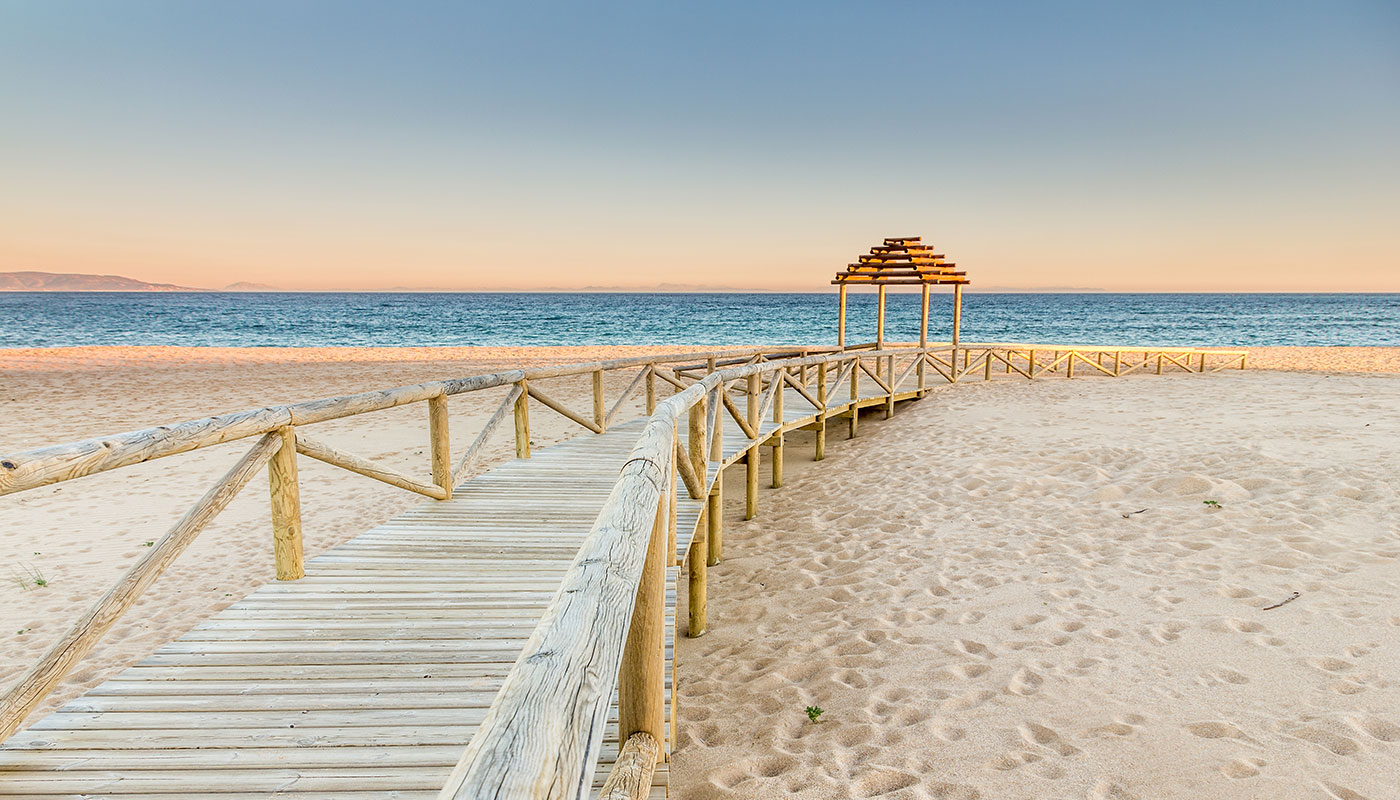
On the way, make sure not to miss the tidal water channels that feed the ecosystem and blend with the dunes typical of this stretch of coast, where stone pines grow, a key source of food for local wildlife.
One of the most special features of these marshes is the free-flowing water, which lets you see plenty of crustaceans and molluscs in their natural habitat.
How to get to the marshes: a bike route
You can reach the Sancti Petri marshes by car, via the road to La Barrosa beach and the old village, but also by bike, as there are dykes marking the most suitable route for two wheels, or even on foot, taking one of the nature trails from the Roche Coves.
If you’re driving, you’ll need to stop at the park’s main entrance and leave your car there. Once inside, you can only continue your visit on foot or by bike.
You can also get there by public bus, line 8 towards Sancti Petri Beach, or by taxi from Chiclana or Conil.