

_435x320?&)
Savour the essence of Catalonia with cava tours in Barcelona
There is no better way to make your holiday sparkle than by enjoying cool cava tours in Barcelona and learning about Catalan wines
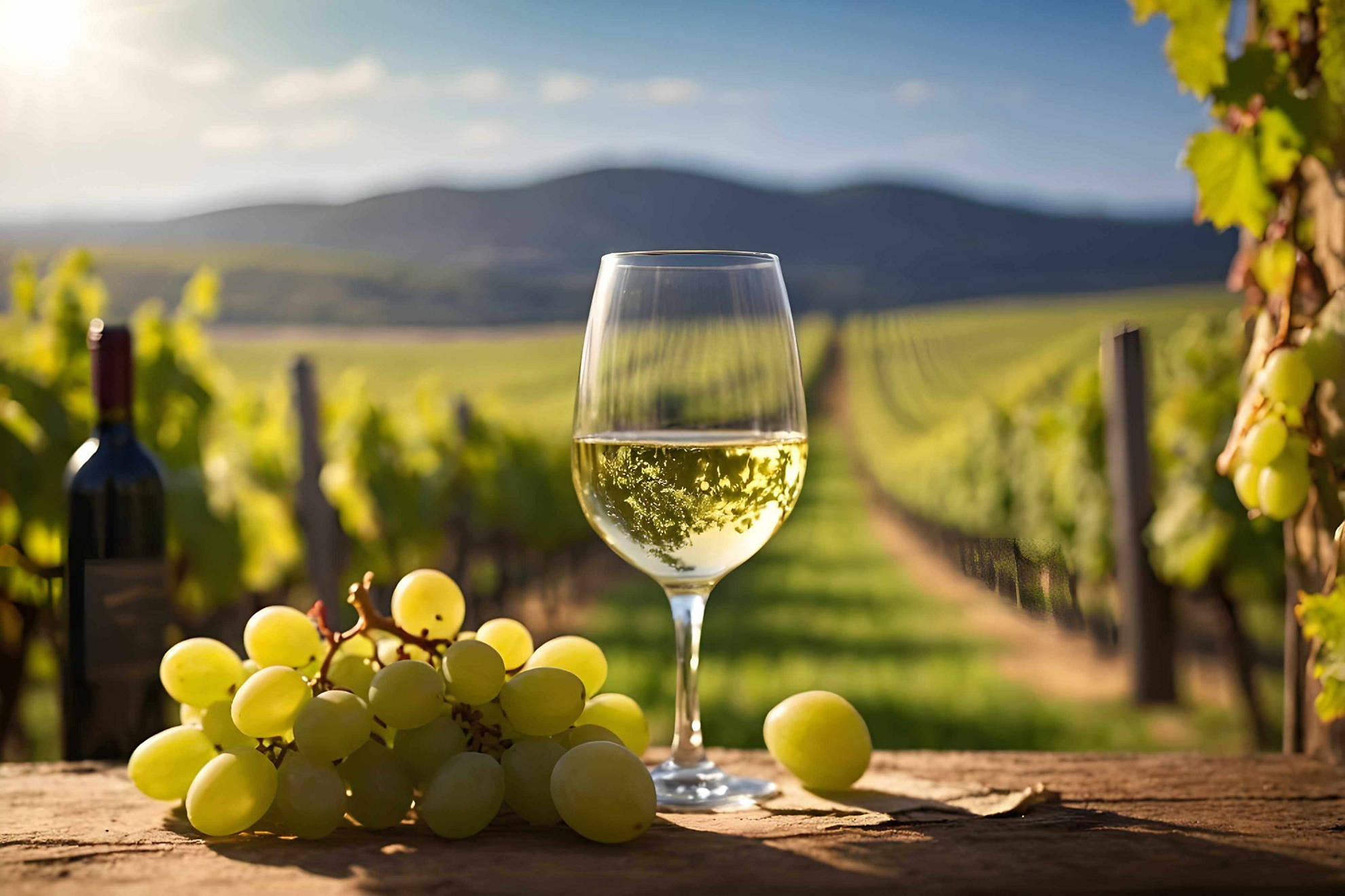
If you thought Barcelona was nothing more than historic neighbourhoods and Gaudí’s architecture, think again. Venture outside of the city's labyrinth of winding streets and you will soon be met with expansive rolling vistas populated with robust vines. This area of Spain invites slow-paced exploration, the kind that involves losing track of time in storied, culture-rich towns and dining on local farm-to-fork cuisine. It will come as no surprise that this area attracts wine enthusiasts eager to sip the golden, bubbly elixir that is crafted by skilled wine makers. Cava is the traditional tipple of choice here and cava tours in Barcelona bring the centuries-old traditions to life, from grape to glass. With 99% of Cava produced in the Penedés region of Catalonia, a short distance from Barcelona, there is no excuse not to enjoy a wine tasting near Barcelona during your travels.
What is Cava?
Cava is Spain’s version of sparkling wine, with fine, delicate bubbles and an exquisite taste that embodies the essence of the region. Although you’ll find cava produced in several regions, Catalonia is its spiritual home, with production centred around Penedès.
Its origins trace back to 1872, when Josep Raventós produced the first bottles inspired by the methods he encountered in France. Today, cava stands proudly on its own merits: bright, Mediterranean, mineral-forward, and unmistakably tied to its Catalan terroir.

A statue honouring the workers of the grape harvest in Sitges
How is Cava produced?
Just like France’s sparkling wine, Champagne, cava is produced using the traditional method, where a second fermentation happens inside the bottle. It is this exact process that gives cava its signature finesse, creaminess and tiny persistent bubbles. There are typically three grape varieties used: Macabeo, Xarel-lo and Parellada; however, it is not uncommon for Chardonnay, Pinot Noir, Trepat and Garnacha to also appear, especially in premium or rosé versions. Once the wine has undergone the slow, second fermentation, it is then aged on a traditional rack known as a less. The duration of this ageing is what ultimately defines the cava’s complexity and classification.
Knowing the different types of cava
It doesn’t take a wine connoisseur to know that not all cavas are classified equally. In general, cava wines are grouped by their sweetness and their age, which is something to take note of when looking for a cava tasting in Barcelona. When grouping cava wines by sweetness, you will see the following categories: Brut Nature (bone dry with no added sugar), Extra Brut (very dry), Brut (dry and versatile), Sec, Semi-Sec, Dulce (increasingly sweet, often paired with desserts).
These distinctions help travellers understand why one cava tastes crisp and citrusy while another leans toward brioche, toasted almond, or delicate stone fruit
When grouped by age, you will see: Cava (minimum 9 months ageing), Reserva (aged 18 months for more complexity and creaminess), Gran Reserva (aged for 30 months for an elegant and expressive taste) and Cava de Pareje Calificado (single-estate, exceptional terroir, aged 36+ months). These distinctions help travellers understand why one cava tastes crisp and citrusy while another leans toward brioche, toasted almond, or delicate stone fruit.

Taste the essence of Catalonia in a glass of cava
Can Paixano (La Xampanyeria)
Can Paixano, also known as La Xampanyeria (the Champagne bar) to the Catalans, is a beloved tapas and cava bar located on a small side street in the seaside district of Barceloneta. It is renowned for its animated and buoyant ambience, and for being one of the best places in the city to get a taste of some traditional cava.
The bar offers various types of cava and local wines at an incredibly modest price. A delicious range of food is also available, from bocadillos (sandwiches) to tapas. A standing-only bar with no tables, the venue is typically packed, so if crowds and cava tickle your fancy, then this is certainly the spot for you. Can’t get enough of their cava? Simply buy it onsite or arrange to get it delivered to your hotel.
El Xampanyet
Named after the Catalan word for sparkling wine, El Xampanyet is a long-standing traditional bodega situated just a stone’s throw away from the Picasso Museum in the Born district. If you’re looking for a place to sample the delights of cava, El Xampanyet offers a wide variety of cavas served by the glass or bottle. The Barcelonese tend to pack the venue out on the weekends, where they kickstart the night with some bubbles and tapas before heading out to the clubs. So, when in Rome, enjoy some traditional drinks in Barcelona.

Barcelona lives and breathes cava wine
La Vinya del Senyor
One of the most beautiful locations in the Born neighbourhood, La Vinya del Senyor, is situated on the square facing the iconic Gothic church, Santa Maria del Mar. Inside, the bar is relatively small, yet its gorgeous terrace makes it the perfect spot to soak up the Barcelona sunshine over a glass of fizz. This wine and tapas bar offers bubbly well worth imbibing, with its lengthy wine and cava list focusing on the good stuff rather than the cheap. If the fizz and views aren’t already enough, La Vinya del Senyor also has a delicious selection of traditional tapas and nibbles on offer.
El Rincon de Cava
Wanting to keep your Barcelona cava bar experience cheap and cheerful? At El Rincon de Cava, prices are some of the best in the city. They also serve a good range of tapas, including salami, cheese and patatas bravas (a potato dish native to Spain), with plenty more to choose from. This authentic neighbourhood bar is located in Barcelona’s Poble Nou district and its lively atmosphere makes it a firm favourite among tourists and locals alike.

Barcelona’s wineries have been in business for centuries
Visit a cava winery near Barcelona
For those who enjoy a glass of bubbly or are looking to learn more about cava making in Barcelona, why not explore the world of cava in its homeland? Here are some of the best wine and cava day trips from Barcelona.
Codorinu
Codorniu is a cava tour that offers visitors arguably the most unique experience that trumps any other cellar tour. As one of Cava’s founding houses, Codorníu offers an unforgettable introduction to the region. Its Modernist cellar complex, designed by Catalan architect Josep Puig i Cadafalch, is a UNESCO-listed architectural treasure. Tours glide through dramatic underground tunnels and end with a tasting of reserve and premium cuvées. Codorníu, often argued to be the best cava in Barcelona, is steeped in history, with its family-run wine business dating back to the 16th century.

Codorníu is an iconic cava brand
Freixenet
This Catalonian winery, located in Sant Sadurní d'Anoia, is one of the largest wine producers in the Spanish region. A Freixenet wine tour guides visitors through the subterranean wine cellars that have been in use for over one hundred years. An expert guide will walk visitors through the entire process of harvesting the grapes, the production and then explain how to taste cava like a pro with a sample of two cavas on the wine terrace.
Freixenet also caters for family tours, providing grape juice for children
Freixenet also caters for family tours, providing grape juice for children. For those who are eager to extend their knowledge even further, food pairings are also available with a selection of chocolates and cheese.

Bodegas Freixenet
Pares Balta
This family-owned, traditional winery dates to 1790 and produces high-quality wines and cavas. Much of their grapes come from the Penedès mountains, with others coming from the estates that surround the vineyard. A flock of sheep are kept on the land to help fertilise the soil and bees are kept to aid in pollination. Pares Balta offers a unique experience. Visitors are introduced to the techniques of biodynamic farming, followed by a visit to the barrel room and cava cellar to discover the production processes and how the vineyard blends its wines. To top off the experience, mini snacks of fuet and manchego cheese are served with your samples of fizz.
A view across the Penedès mountains
Gramona
Gramona is revered for its exceptionally long-aged sparkling wines, some resting for over a decade before release. Their tours often include elevated pairings featuring local cheeses, olive oils, and house-made charcuterie. Gramona is renowned for its idyllic surroundings, and its continuing prestige stems from its dedication to producing the finest cavas. The company owns 70 hectares of vineyards and organically grows its vines, yet more recently began applying biodynamic techniques to top their cavas. A tour of the Gramona winery includes a tasting of the highest quality cavas and sparkling wines, which have received press recognition, with recommendations from the New York Times and Wall Street Journal.
Recaredo
entirely with natural cork. Their cellars pulse with tradition, craftsmanship, and a philosophy that champions terroir. For something a little bit different, Recaredo offers a mesmerising tour. This small boutique winery produces all of its cavas by hand, there are no machines, chemicals or fertilisers involved in the production process. A passionate Barcelona cava guide will give you an insight into the cava-making process, with the tour finishing in a stunning tasting room.

The rolling vineyards are an iconic sight in the Barcelona region