
_435x320?&)
How Life Is Celebrated Through Day of the Dead in Mexico
The Day of the Dead in Mexico, or Día de Muertos, is one of the country’s most important and beloved holidays. For visitors, it offers a rare opportunity to experience Mexican culture in one of its most authentic and colorful forms.
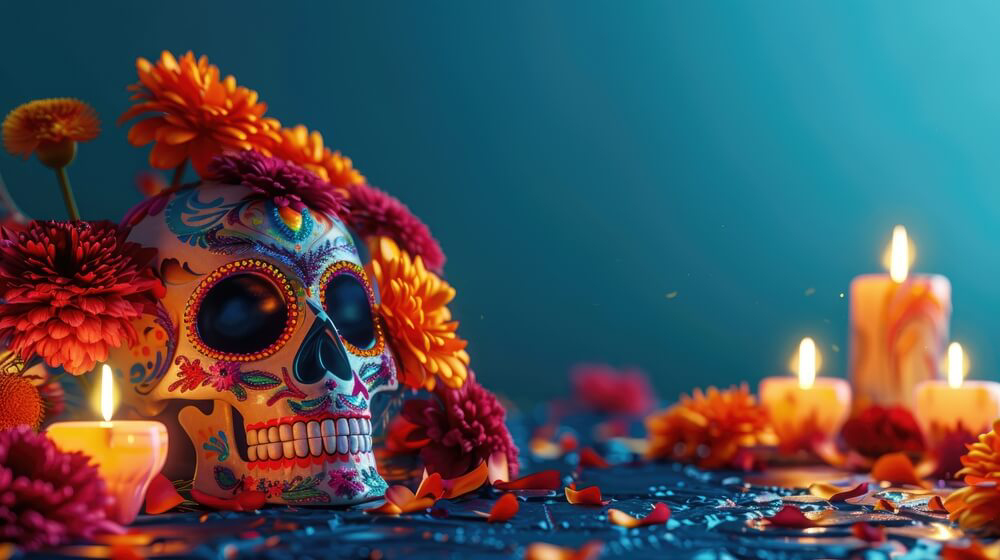
In Mexico, Día de Muertos, or Day of the Dead as it’s known in English, takes place every year on November 1 and 2. There’s nothing quite like experiencing the magic of this unique holiday firsthand, so pack your bags and get ready to celebrate in style. We’ll start by learning more about the fascinating history of Day of the Dead in Mexico, continue to learn about customs and traditions, and then dive into where and how you can join in on the celebration.
History of Day of the Dead in Mexico
Día de Muertos is a vibrant celebration which has been inscribed on UNESCO’s list of Intangible Cultural Heritage of Humanity due to its cultural and historical importance. Let’s learn more about the historical details of this wonderful festival.
Pre-Hispanic Origins of the Festival of the Dead in Mexico
The roots of the Day of the Dead in Mexico date back over 3,000 years to pre-Hispanic indigenous cultures, particularly the Aztecs, who believed that death was a continuation of life. In August, the Aztecs held a month-long festival to honor the Aztec goddess of the underworld, Mictecacihuatl, the “Lady of the Dead.” Over time, this festival evolved into how people currently celebrate Day of the Dead in Mexico today.
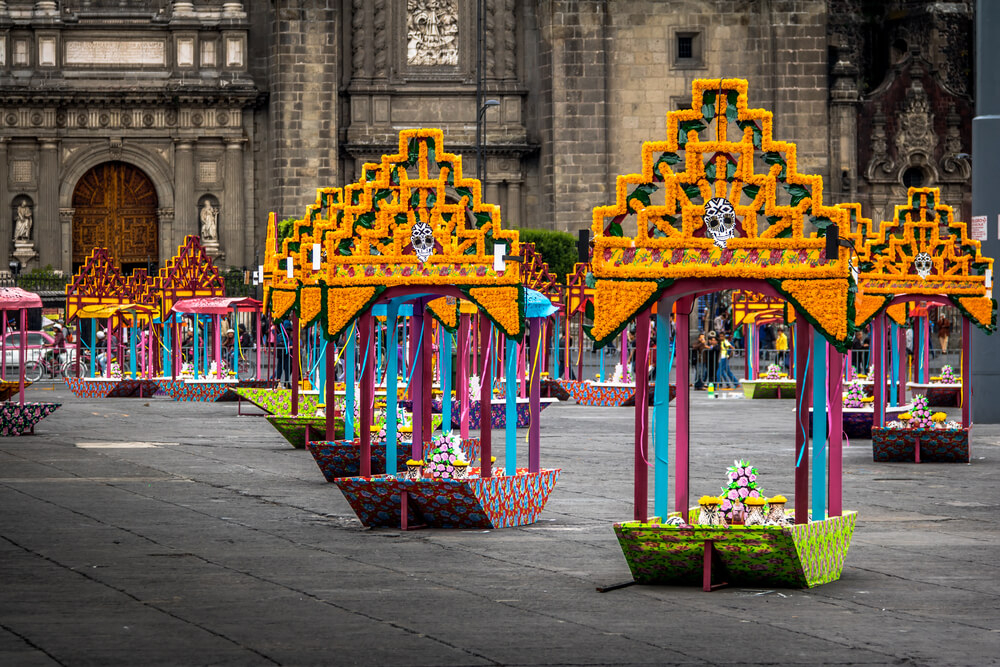
Mexico City’s Day of the Dead celebrations center around the Zócalo
European Influence on Mexican Día de Muertos
The arrival of Spanish colonizers in the 16th century introduced Catholicism to Mexico, which is when indigenous and Catholic beliefs began to merge. Now, Day of the Dead celebrations in Mexico take place on the same dates as the Catholic feasts of All Saints’ Day (November 1) and All Souls' Day (November 2).
Día de Muertos Today: Altars, Skulls, Marigolds, and La Catrina
Today, the festivities are a time to remember those who have moved on to the afterlife, and now reflect a fusion of indigenous beliefs and Catholic traditions that have evolved over centuries. The Day of the Dead in Mexico is packed with symbolism and iconic images that have become famous worldwide. Skulls or calaveras, marigolds or cempasúchil, and La Catrina are all icons and symbols popular at this time of year, and many are incorporated into families’ altars or ofrendas.
Altars or Ofrendas
Families create elaborate altars known as ofrendas for their deceased loved ones. The altars are adorned with marigolds, candles, personal items of the deceased, and plenty of food and drink (so the dead can regain their strength after their long journey from the afterlife). Food typically added to an altar include pan de muerto, a delicious sweet bread, sugar skulls, and the deceased’s favorite foods. Welcoming loved-ones’ spirits back to earth for a joyous reunion on Day of the Dead is a big part of this celebration.
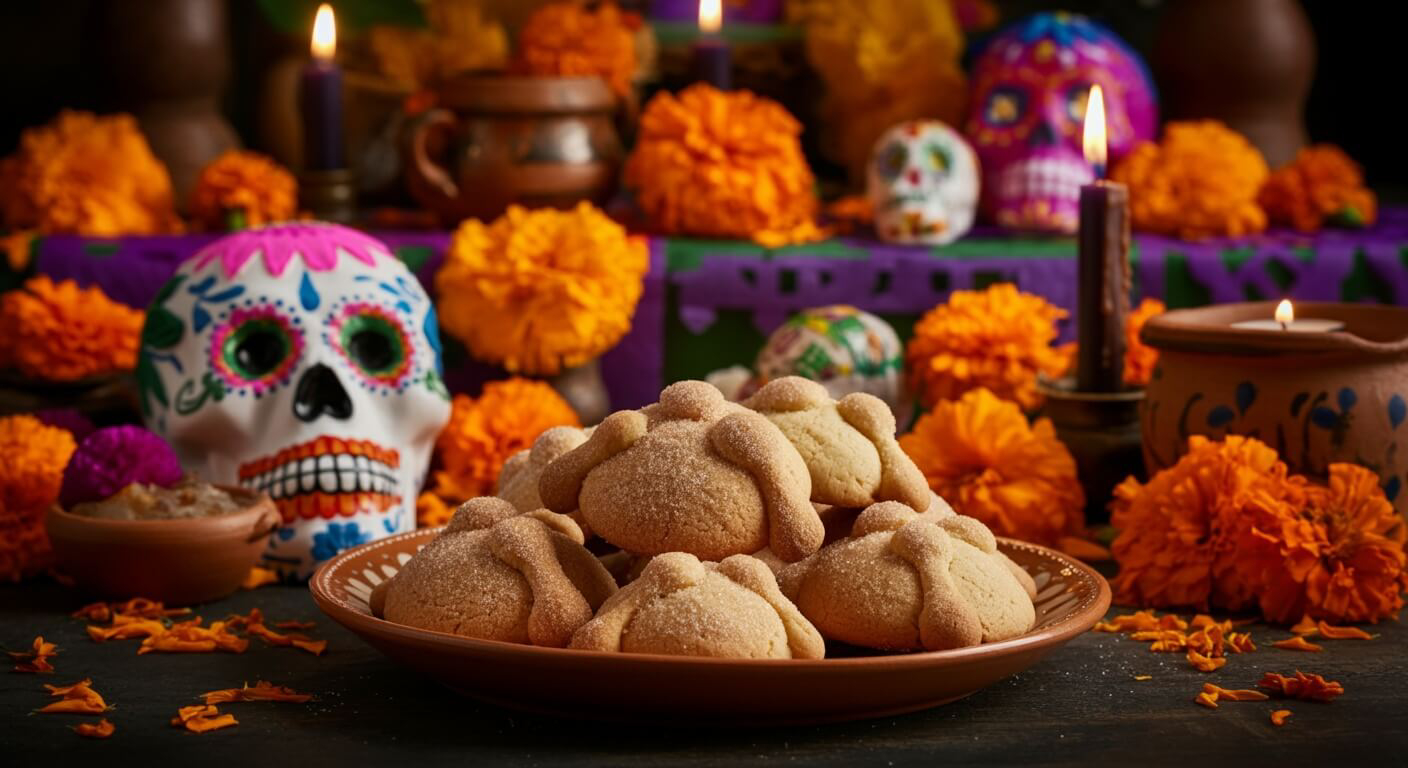
Don’t forget to sample pan de muertos and a sugar skull
Sugar skulls and Calaveras
In the context of Day of the Dead in Mexico, the calavera is a representation of a human skull or skeleton that commonly comes in the form of a decorated sugar skull. Sugar skulls are a Day of the Dead gift to children, but are also used to decorate altars for loved ones. Whether sweet, written, or sculpted, calaveras embody the Mexican tradition of celebrating death rather than fearing it.
Marigolds, the Flower of the Dead
No Día de Muertos altar is complete without marigolds, known in Mexico as cempasúchil. With their vivid orange and yellow petals and their strong fragrance, marigolds are believed to guide the spirits of the departed back to the world of the living. Families scatter petals in pathways leading to homes or graves, creating a luminous trail for souls to follow. Their presence connects modern celebrations to ancient pre-Hispanic rituals, where marigolds were offered to the gods as symbols of the sun and rebirth.
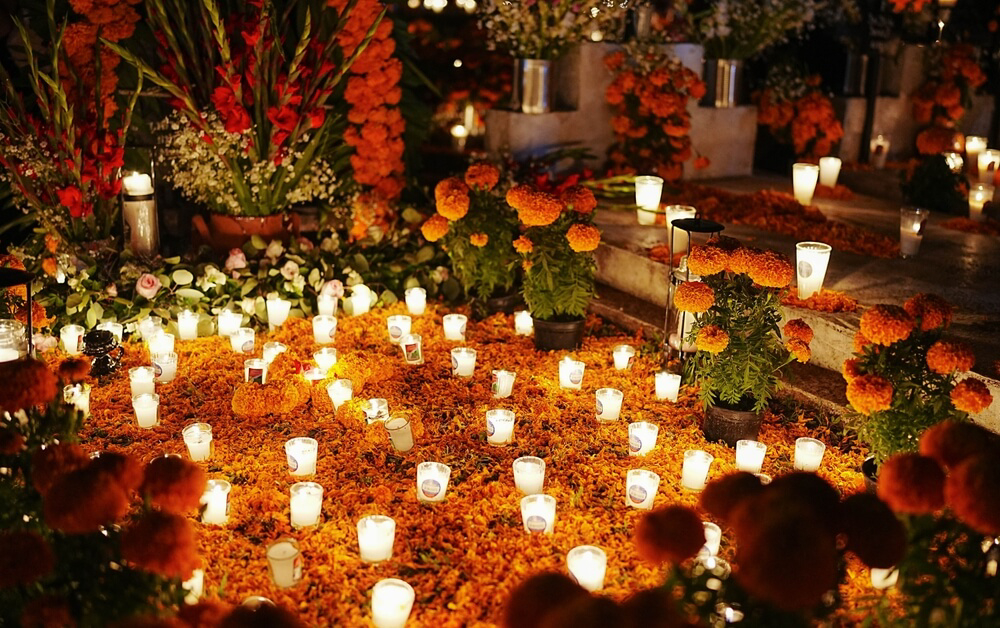
Families create ofrendas with marigolds to welcome the spirits of the deceased
La Catrina, Mexico’s Elegant Skeleton
Standing tall in her elaborate hat and flowing gown, La Catrina is one of the most iconic figures of Day of the Dead in Mexico. Originally drawn as a satirical cartoon by José Guadalupe Posada and later made famous by Diego Rivera, she serves as a reminder that death makes no distinction between rich and poor. Today, La Catrina appears in parades, art, face paint, and figurines, embodying both respect for mortality and Mexico’s uniquely joyful approach to remembering the dead.
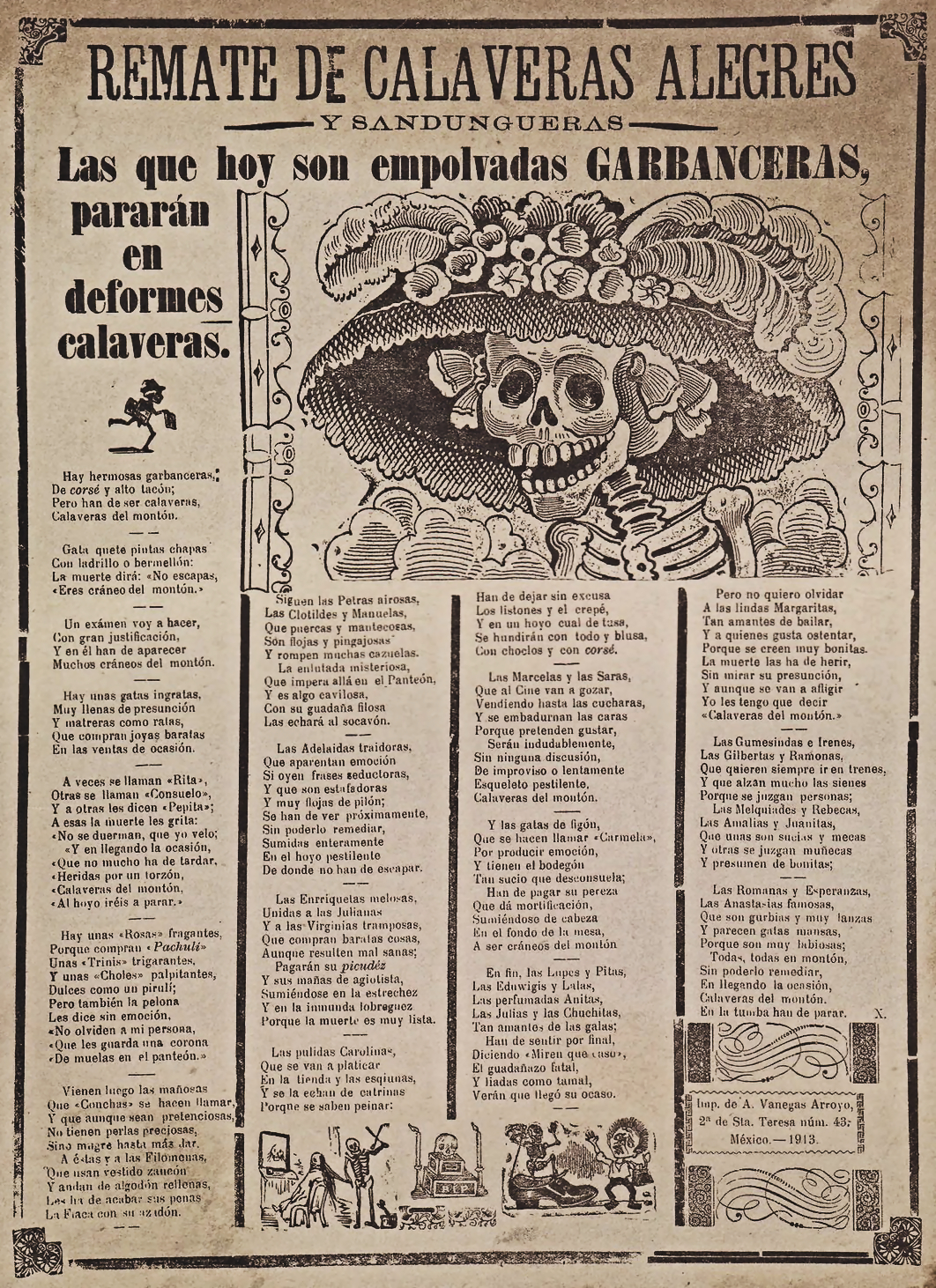
The original La Catrina by José Guadalupe Posada
How Do People Celebrate Day of the Dead in Mexico Now?
Day of the Dead celebrations have been a staple holiday worldwide for generations, especially in the Mexican calendar. When families gather to honor their deceased loved ones, they often dress in elaborate costumes and paint their faces to mimic a calavera or La Catrina. As traditional Mexican music fills the streets, families celebrate with home-cooked food. Each family has its own version of this special day, with unique altar displays and recipes. Many cities in the country feature a celebratory parade, and families will head there together to enjoy the show.
Each family has its own version of this special day, with unique altar displays and recipes
The day often ends in the local cemetery, where families gather to clean and decorate graves with flowers, candles, and offerings, creating a lively yet spiritual atmosphere. It's this deep connection between life, death, and remembrance that makes the Day of the Dead in Mexico such a meaningful experience.
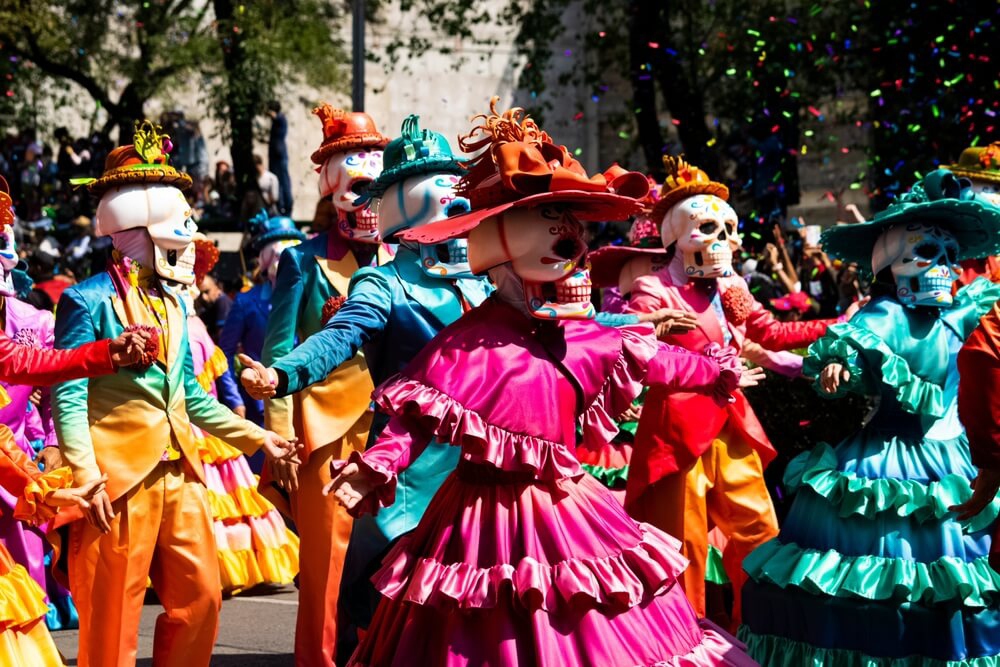
Colorful parades abound during Dead of the Dead celebrations
Where and How to Celebrate Day of the Dead in Mexico
The Day of the Dead in Mexico falls on November 1 and 2, but the celebrations in Mexico can last for several days. It’s thought that souls begin to join their loved ones starting as early as October 28. Around these dates, the entire country comes alive with vibrant festivals, making it one of the best times to visit. Here are some of the best places to immerse yourself in this beautiful holiday while also enjoying a warm fall escape.
Mexico City
For those looking for a real party, the capital city is the place to be. The Day of the Dead festival in Mexico City features electric energy as crowds flock to the streets for celebrations. With all the events happening, it’s a good idea to stay in a hotel in the center of Mexico City to take full advantage of the festivities.
For those looking for a real party, the capital city is the place to be
One of the most iconic events is the desfile de Día de Muertos (Day of the Dead Parade), which travels through Mexico City, showcasing dazzling floats and intricately costumed participants. Be sure to pass by the Zócalo, Mexico City’s main square, where you’ll find altars, performances, and exhibitions.
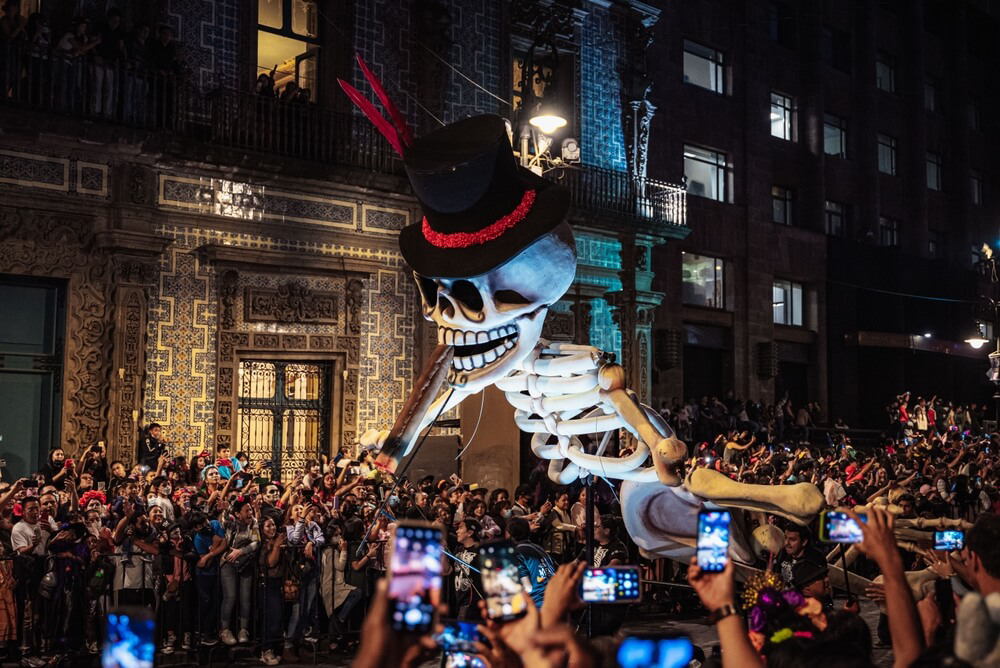
Night parade during Dead of the Dead celebrations
Guadalajara
Going on vacation to Guadalajara gives you a chance to experience some of the most vibrant Day of the Dead festivities in Mexico. The city celebrates with parades, traditional altars, and live performances, blending old customs with new, creative elements. It's the perfect place to experience the holiday while enjoying the warm climate and rich cultural heritage of bustling Guadalajara.
The Caribbean Coast: Cancún, Cozumel, and the Riviera Maya
Cancún hosts a multi-day Festival del Día de Muertos, filled with performances, art, and food. The festival takes place throughout the city, including downtown and along Cancún's Hotel Zone, where visitors can enjoy vibrant altars and live performances near the beach.
Plan a romantic getaway to Cozumel, where you can witness celebrations honoring the traditional Mayan festival of Hanal Pixán, which means "food for the souls." During this festival, you’ll enjoy traditional Mayan cuisine like chicken tamales and pan de muerto, and you can stay at an all-inclusive hotel that will impress any traveler.
In Playa del Carmen, the coastline lights up with a massive Day of the Dead parade. Each year, a giant procession winds its way down La Quinta Avenida, creating a colorful and exciting atmosphere. It’s an experience that shouldn’t be missed during your visit to the Day of the Dead festival in Mexico. Indulge in an all-inclusive hotel in Playa del Carmen to make your stay as relaxed as possible.
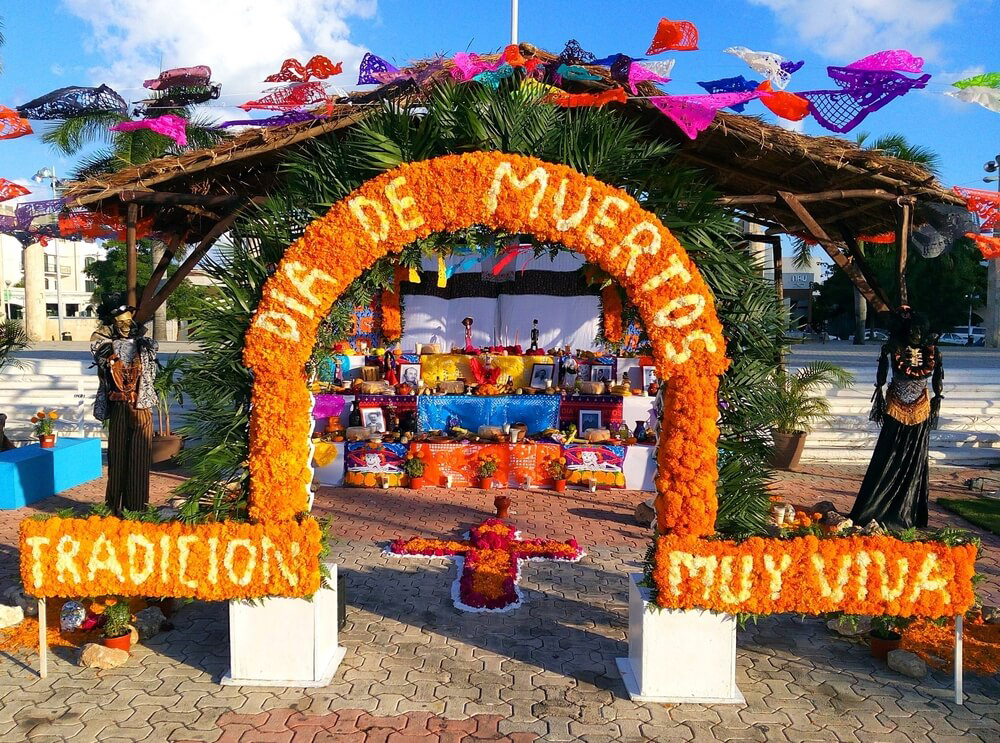
Everywhere you turn, you’ll discover colorful alters, parades, and celebrations
Sayulita & Puerto Vallarta
For a more relaxed, family-friendly Day of the Dead experience, head to Sayulita or Puerto Vallarta. These coastal towns offer a quieter but equally vibrant way to celebrate the holiday. During the festivals, the towns boast an explosion of color and old-school Mexican charm during the Day of the Dead celebrations. Flowers perfume the air and the sound of Mariachi music travels on the sea breeze throughout the colorful streets. When traveling with family or kids, staying at an all-inclusive resort in Puerto Vallarta will ensure a fuss-free, fun-filled holiday for all.
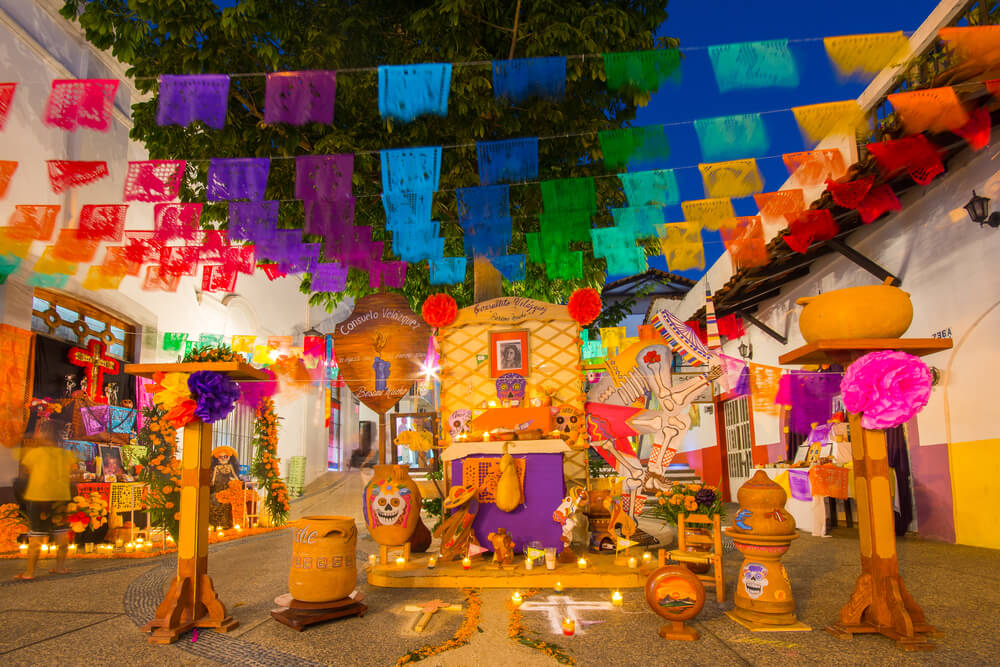
The quaint streets of Puerto Vallarta are even more charming during Day of the Dead celebrations