

_435x320?&)

12 incredible and famous archaeological sites worth visiting
Follow in the footsteps of ancient explorers and uncover centuries of history as you discover these famous archaeological sites
If we have learnt anything from the past few years, it is that we so often jump on a plane craving an escape, cultural newness and experiences that broaden our horizons. Yet, there can be something equally as exciting about retracing centuries of history. Organisations like UNESCO have been protecting sites of cultural and natural importance since 1978. Since then, many more famous archaeological sites have been added to their books. But, while UNESCO has helped put these places on the map, there are many more famous ancient sites to explore.
Famous archaeological sites in Europe
Looking for a historical adventure close to home? Europe has hundreds of fascinating sites to explore without the inconvenience of long-haul flights, visas or week-long annual leave.
The Colosseum Archaeological Park, Rome, Italy
The city of Rome is a must-visit, not just for its delicious cuisine, but because the entire city is like a living museum. Plan a day of sightseeing into your Roman holiday and explore the Colosseum Archaeological Park, encompassing the Colosseum, the Roman Forum and Palatine Hill, where gladiators once fought and emperors ruled. The Colosseum served as a magnificent amphitheatre, the Roman Forum functioned as the heart of public life in the city, and Palatine Hill housed the palaces of emperors, including Nero’s vast villa, the Domus Aurea. As far as Roman archaeological sites go, these are some of the most impressive in the world.
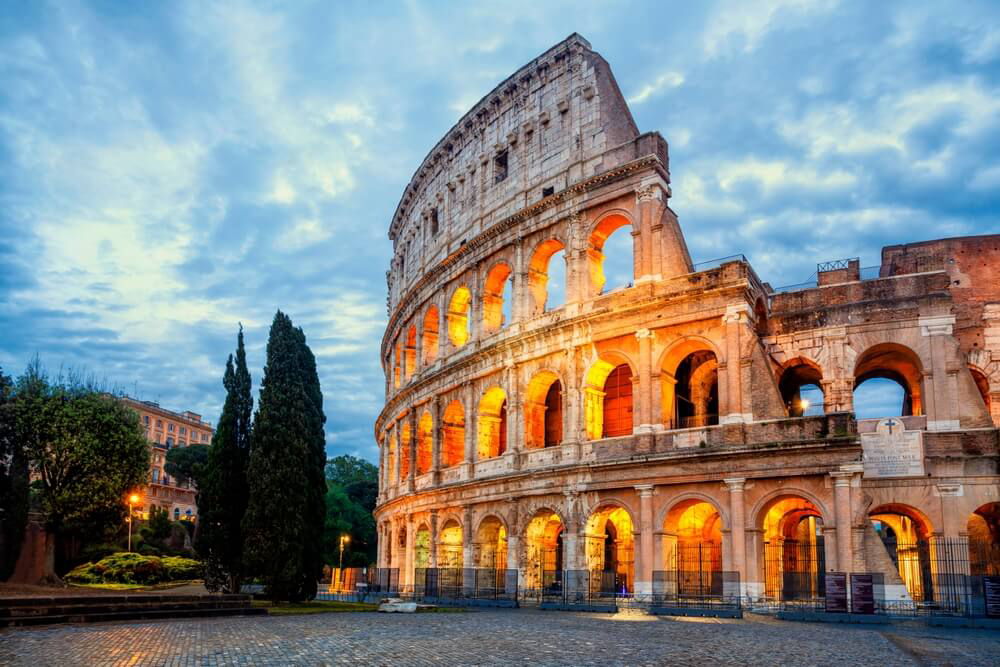
The Colosseum, Rome
Cave of Altamira and Palaeolithic Cave Art of Northern Spain
The Cave of Altamira and Palaeolithic Cave Art of Northern Spain, discovered in 1897, comprises eighteen decorated caves located across Asturias, Cantabria, and the Basque Country. The art in these caves represents the earliest known Palaeolithic cave art, dating from roughly 35,000 to 11,000 years ago. What is outstanding is how well preserved this record of early human life, creativity and spirituality is. Today, the limestone caves are a UNESCO site, illustrating the origins of human art and culture.
The original Cave of Altamira is closed to the public to preserve its prehistoric paintings. However, visitors can explore the National Museum and Research Centre of Altamira, which houses a meticulously crafted replica known as the “Neocave.” For a rare opportunity to enter the actual cave, there is a waitlist organised by the government. A must-see if you plan to visit Asturias or are on holiday in the Basque Country.
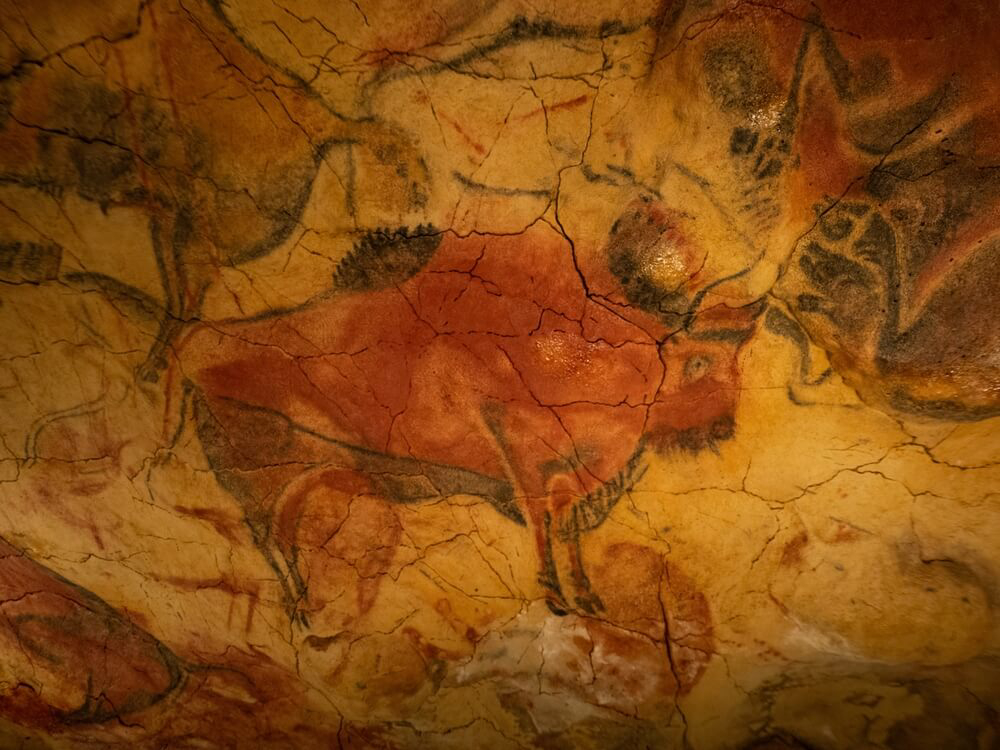
Altamira Caves, Northern Spain
The Megalith Temples of Malta
Older than both Stonehenge and the Pyramids of Giza, Malta’s Megalithic Temples are among the world’s earliest freestanding monuments. Scattered across Malta and Gozo, these limestone sanctuaries, with their curved chambers, corbelled roofs and intricate carvings, date from around 3600 to 2500 BC. Sites such as Ġgantija, Ħaġar Qim and Mnajdra remain astonishingly well preserved, offering a glimpse into an enigmatic prehistoric culture whose purpose is still shrouded in mystery. If you are planning a holiday to Malta, you cannot miss the ancient archaeological Megalithic Temples.
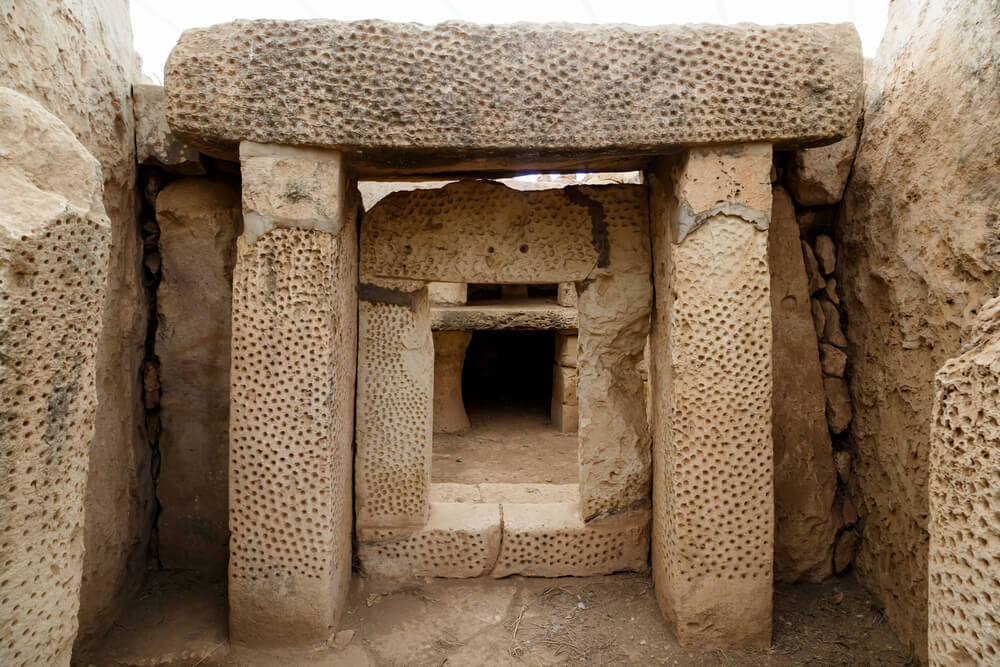
Megalith Temples of Malta
Interesting archaeological sites in Africa
When travelling to Africa, there is a wide selection of archaeological sites to choose from, especially in the north of the continent.
Carthage, Tunisia
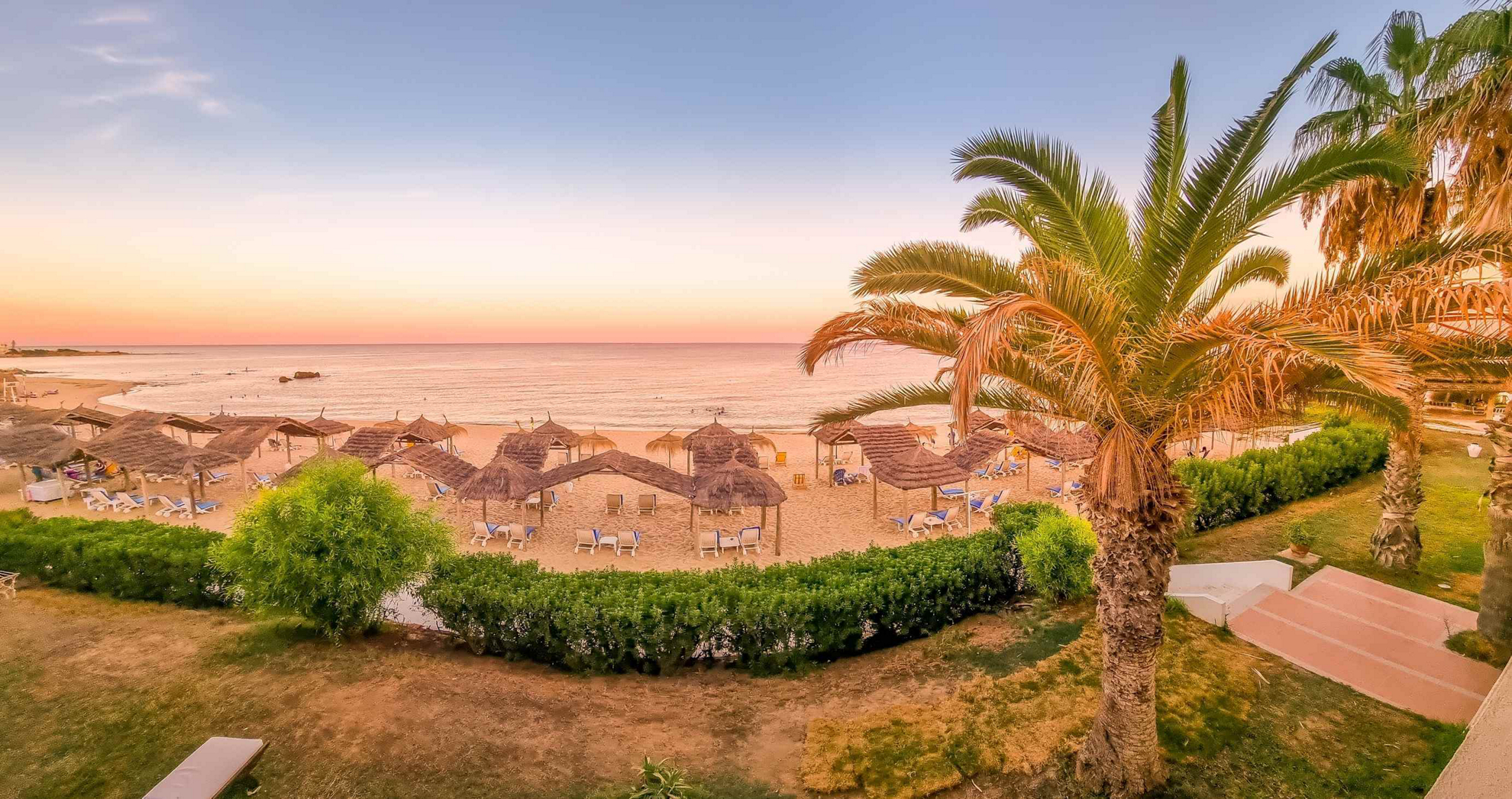
A holiday in Tunisia is a dream for archaeology enthusiasts, as it boasts spectacular excavation sites of both Phoenician and Roman origin. The archaeological site of Carthage is particularly outstanding. Originally founded by Phoenician settlers at the beginning of the first millennium BC, it soon rose to become the capital of a political and economic enclave in the Mediterranean, rivalling the great powers of Greece and Rome. At this fascinating site, you can see the remains from its early days as the capital of the Carthaginian Empire, as well as the changes implemented by the Romans. This is definitely one of the top places to visit in Tunisia.
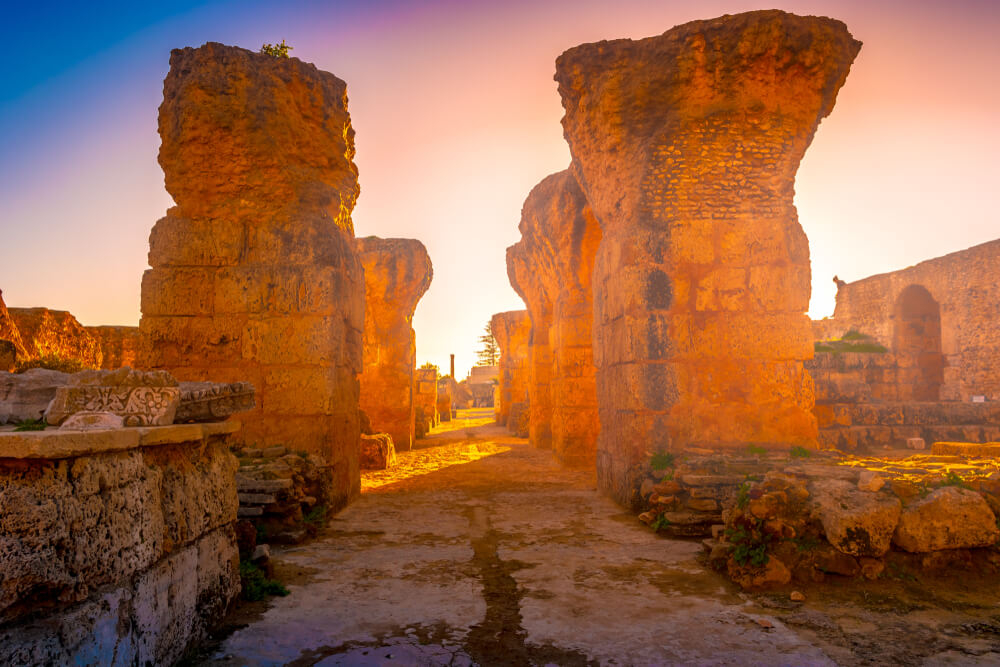
Carthage
Pyramids of Giza, Cairo, Egypt
When it comes to famous Egyptian archaeological sites, the pyramids win, by far. Rising from the golden sands just outside Cairo, these monumental tombs were built as eternal resting places for three great pharaohs. The largest, the Great Pyramid of Khufu, soars to an astonishing 147 metres. Nearby stands the Pyramid of Khafre, slightly smaller yet perched on higher ground, giving it an imposing silhouette beside the enigmatic Great Sphinx, believed to bear the pharaoh’s own features.
When it comes to famous Egyptian archaeological sites, the pyramids win, by far
Completing the royal trio is the Pyramid of Menkaure, Khafre’s son, surrounded by smaller satellite pyramids and temples that once formed an elaborate mortuary complex. Without a doubt, these are a must-visit on your holiday to Cairo.
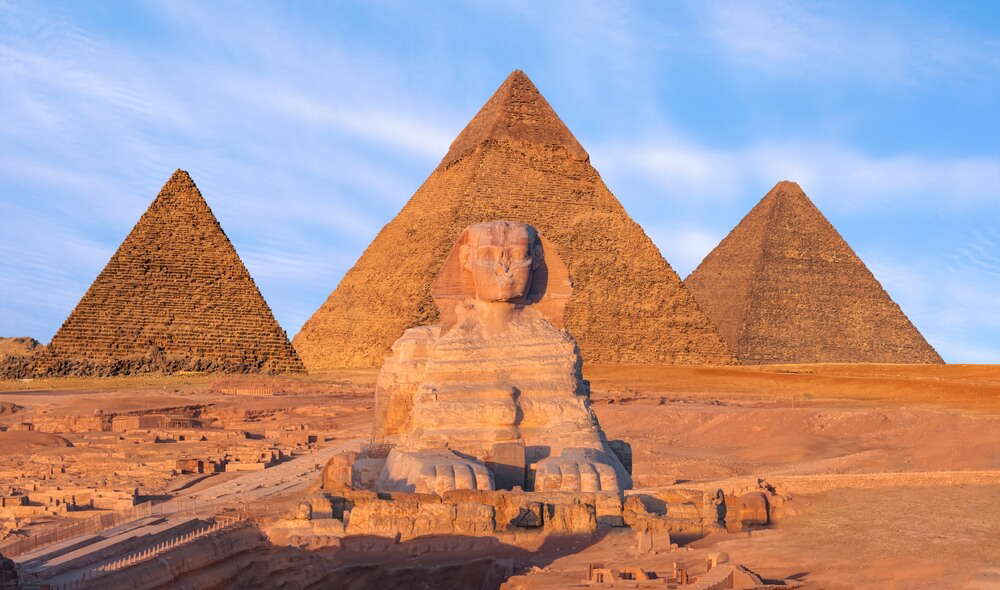
The Pyramids and the Sphinx, Giza, Egypt
Luxor, Egypt
Looking to extend your holiday in Egypt and explore the country’s treasures even further? Luxor holds a special place among Egypt's archaeological sites. Here, the magnificent Luxor and Karnak Temples are linked by an avenue lined with centuries-old sphinxes, while just across the Nile lies the awe-inspiring Valley of the Kings, where pharaohs were laid to rest in tombs carved deep into the desert rock. Together, these sites form a UNESCO World Heritage wonder and are among the most famous archaeological sites discovered today.
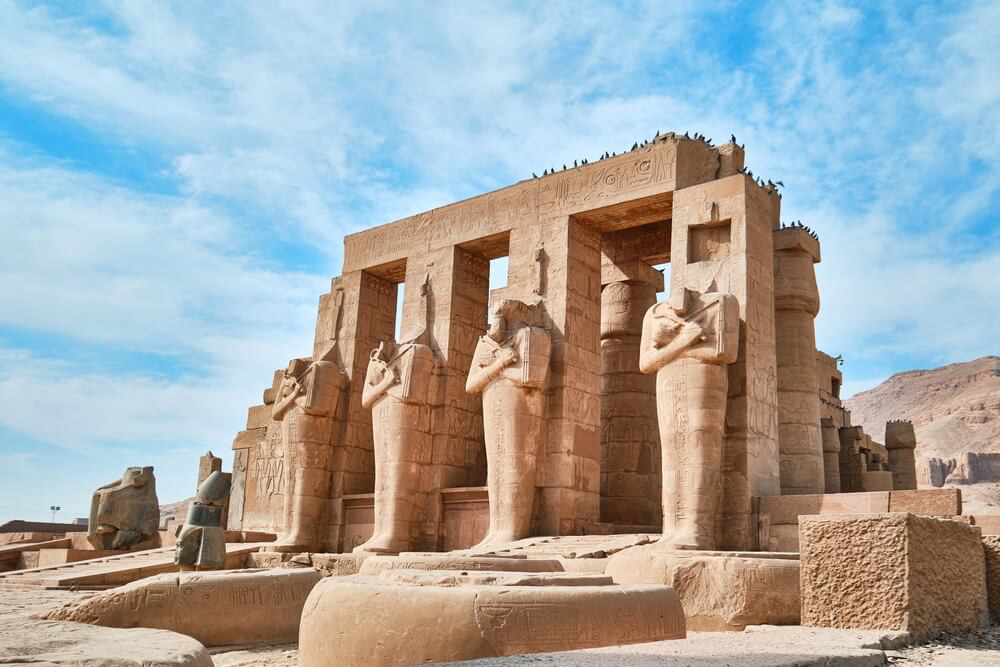
Luxor, Egypt
Sites of archaeological interest in Latin America
The most famous archaeological sites on this continent are located primarily (though of course not exclusively) in Central and South America.
Teotihuacan, Mexico
Just outside Mexico City lies Teotihuacan, the mysterious “City of the Gods”. Its true origins remain uncertain, built by a blend of ancient civilisations long before the Aztecs discovered its awe-inspiring ruins. This vast archaeological wonder captures the essence of Mesoamerican culture, from the towering Pyramid of the Sun and the graceful Pyramid of the Moon to the Temple of the Feathered Serpent, dedicated to the god Quetzalcoatl. Walking its grand Avenue of the Dead, it’s easy to see why Teotihuacan ranks highly among Mexican archaeological sites. This is one of the best archaeological sites to visit if you are planning a holiday in Mexico City.
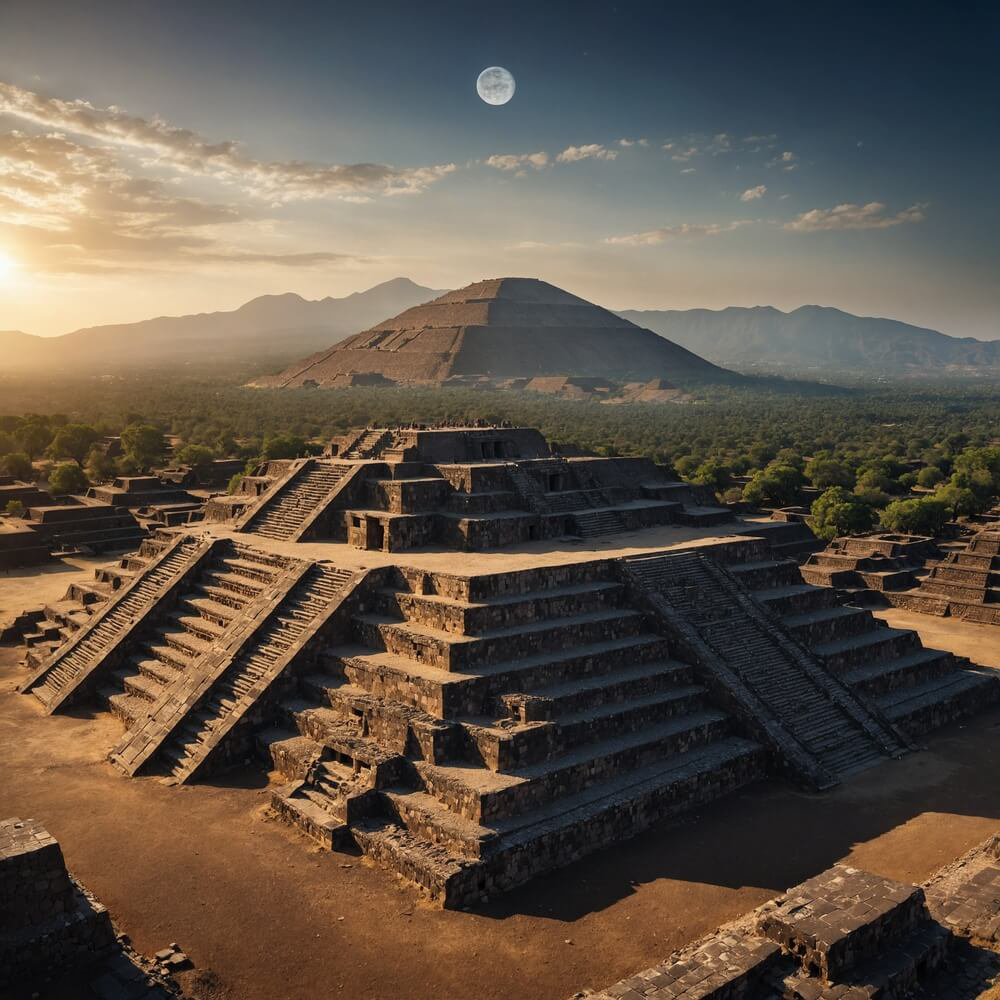
Teotihuacan, Mexico
Tikal, Guatemala
Deep in the jungles of northern Guatemala, the ancient city of Tikal was once a powerful centre of the Maya civilisation, before it was mysteriously abandoned. Flourishing between AD 200 and 850, this vast Maya city rivals Mexico’s Chichen Itza with its towering stone temples and palaces that pierce the treetops.
Perhaps the most iconic are the giant, ceremonial Lost World Pyramid and the Temple of the Grand Jaguar
Perhaps the most iconic are the giant, ceremonial Lost World Pyramid and the Temple of the Grand Jaguar. Temple IV, a towering 70 metre tall structure and the tallest pre-Columbian structure in the Americas, is best climbed at sunrise for sweeping views over the jungle. You’ll understand why Tikal remains one of the most spellbinding archaeological sites in the Americas and a must-visit during your holidays in Guatemala.
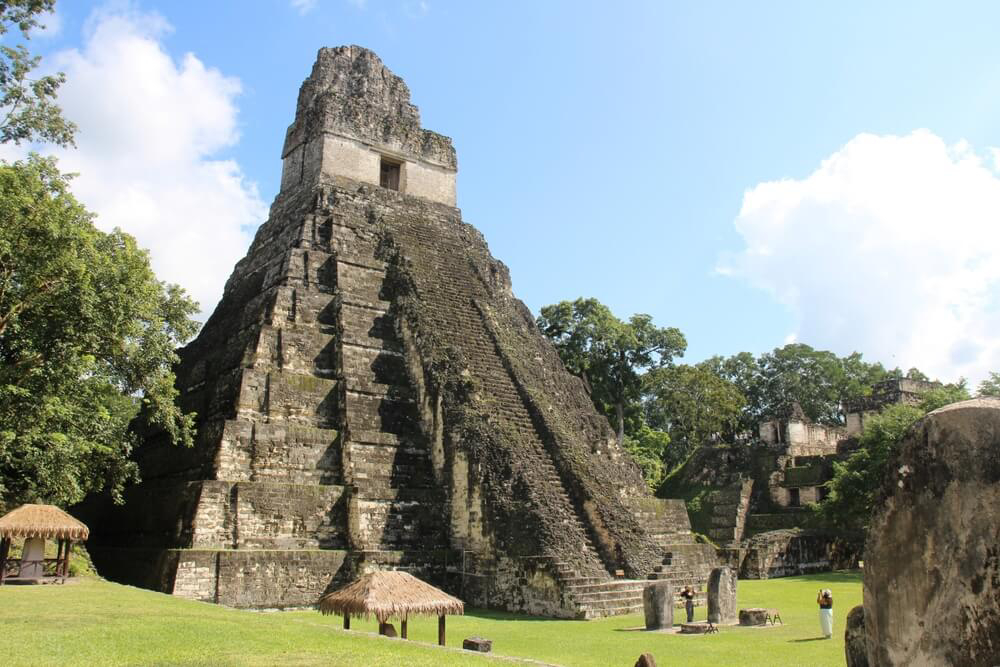
Tikal, Guatemala
Joya de Cerén, El Salvador
Tucked away in El Salvador’s Zapotitán Valley, Joya de Cerén is known as the “Pompeii of the Americas”, a remarkably preserved Maya farming village frozen in time by a volcanic eruption around AD 600. Layers of ash and pyroclastic debris from the Loma Caldera volcano sealed entire homes, storehouses, and communal buildings almost perfectly intact, offering an extraordinary snapshot of everyday life. Archaeologists have uncovered adobe dwellings, thatched roofs, tools, pottery, and even planted fields. This site reveals a deeply human side to ancient Mesoamerica and is a rare testament to how ordinary Maya people lived, worked and worshipped. Be sure to add this to your El Salvador holiday plans.
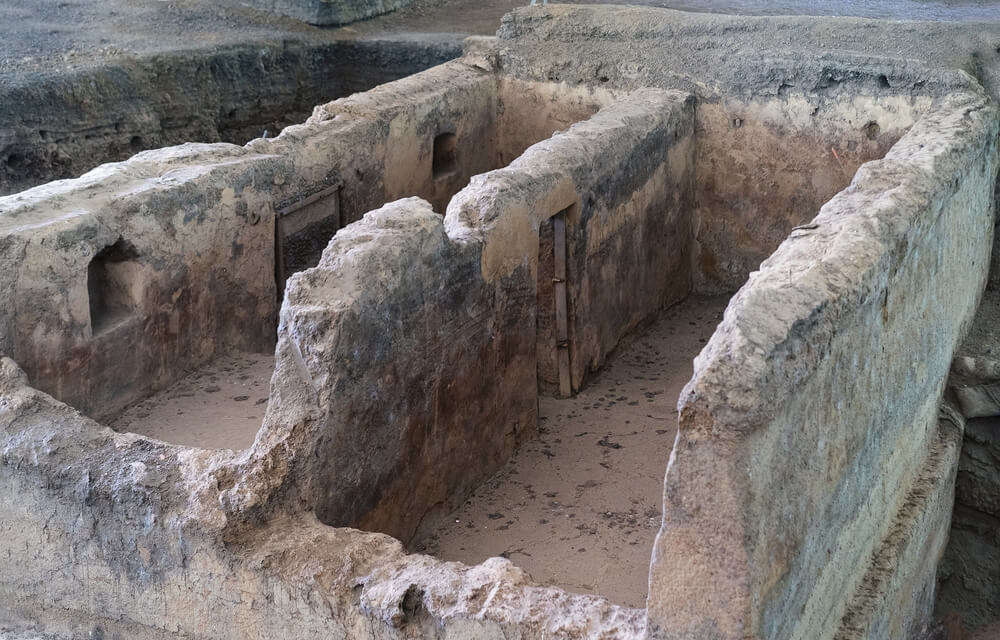
Joya de Cerén, El Salvador
Archaeological sites in Asia
With its millennia-old civilisations, its remarkable cultural diversity, and, of course, its vast geographical expanse, the Asian continent arguably boasts the most impressive archaeological sites.
Borobudur, Indonesia
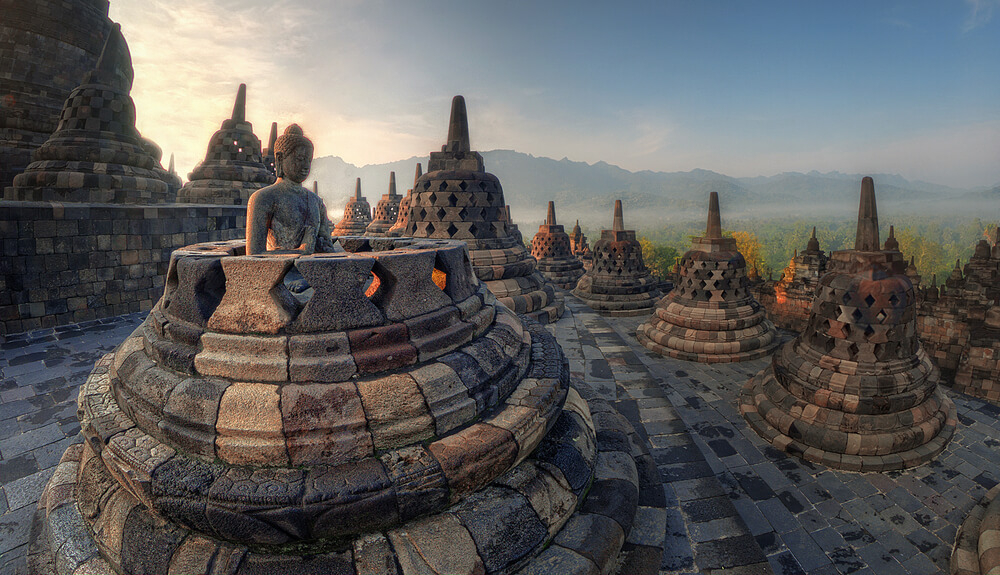
A holiday in Indonesia wouldn’t be complete without visiting Borobudur, the world’s largest Buddhist temple complex, rising majestically from the lush jungles of central Java. Built in the 8th century by the Sailendra dynasty, this monumental structure unfolds in a series of ascending terraces crowned by a constellation of bell-shaped stupas, each sheltering a serene Buddha within. Stretching across its stone galleries are over five kilometres of intricate bas-reliefs, exquisite carvings that trace the life and teachings of the Buddha with extraordinary artistic skill. At sunrise, as mist drifts through the surrounding hills, Borobudur feels like a heavenly hideaway and is a must-visit in Indonesia.
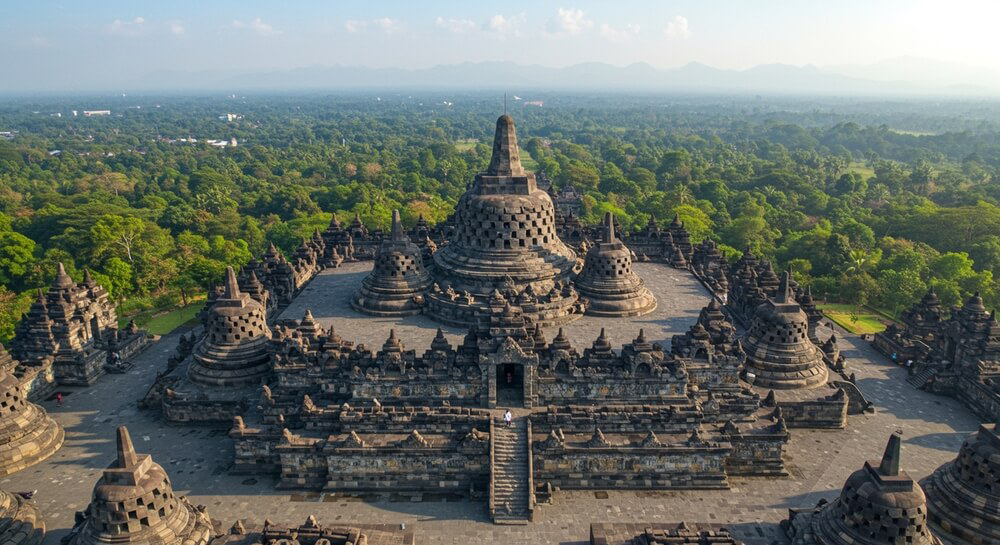
Borobudur, Java, Indonesia
Ayutthaya, Thailand
Just an hour north of Bangkok lies Ayutthaya, the magnificent former capital of the Kingdom of Siam and one of Thailand’s most evocative archaeological sites. Founded in 1350, this once-glorious city flourished for over four centuries before falling to the Burmese in the 18th century. Today, its ruins form a serene archaeological park, a dreamscape of crumbling brick stupas, towering prangs and graceful Buddha statues. Wander or cycle along quiet paths to discover temples with lyrical names like Wat Phra Si Sanphet, Wat Phanan Choeng and Wat Ratchaburana. A trip to Thailand offers the perfect chance to explore Ayutthaya, among other ancient temples.
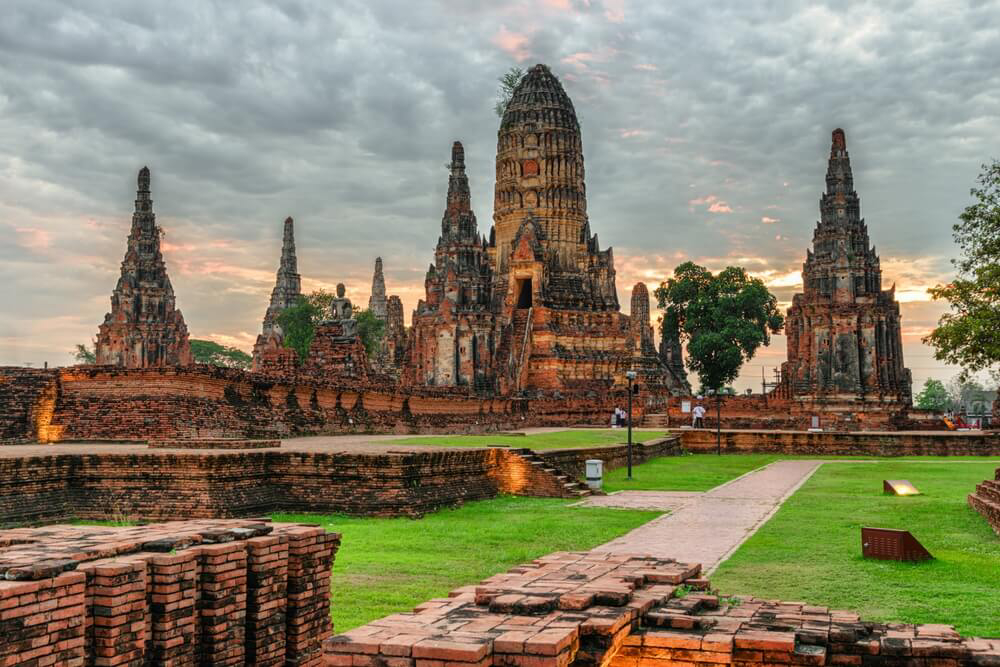
Ayutthaya, Thailand
Sumhuram Archaeological Site – The Old Port City at Khor Rori, Oman
Overlooking the turquoise waters of Oman’s southern coast, the ancient port of Sumhuram at Khor Rori once thrived as a key stop on the fabled frankincense trade route. Founded around the 3rd century BCE, this fortified city served as the maritime gateway to the Kingdom of Hadramawt, linking Arabia with India and the Mediterranean world. Today, travellers exploring Oman can admire its sun-bleached ruins, crumbling walls, stone dwellings and temple remains dedicated to the moon god Sin. Sumhuram reveals itself as one of Oman’s most atmospheric archaeological treasures.
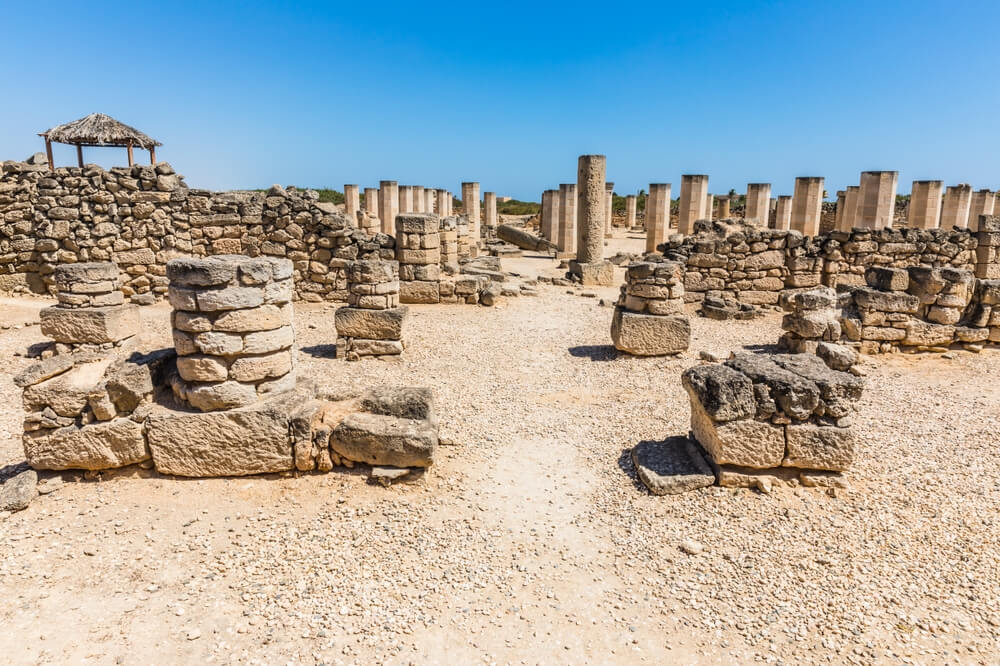
Sumhuram, Oman