


_435x320?&)

Must-Try Mexican Fruits That Will Blow Your Mind
The flavors of Mexican fruits are as delicious as they are exotic and unique. On your next trip to this beautiful country, make sure you try all the items on this list of the best fruit in Mexico
From lush jungles to desert landscapes, Mexico is home to a diverse range of climates, which makes for a greatly diverse range of fruits. Some are sweet, some are sour, and many are Mexican fruits you’ve probably never seen in your local grocery store. No matter where you’re staying in Mexico, these are the best Mexican fruits to try for an unforgettable bite of culture and a taste of local life.
What Fruit Goes With Tacos? Nopal!
One of the most unique and famous green Mexican fruits is the nopal. Known in English as “prickly pears” or “tuna,” the nopal is the fruit of the nopal cactus! The nopal has been a mainstay of Mexican diets for centuries.
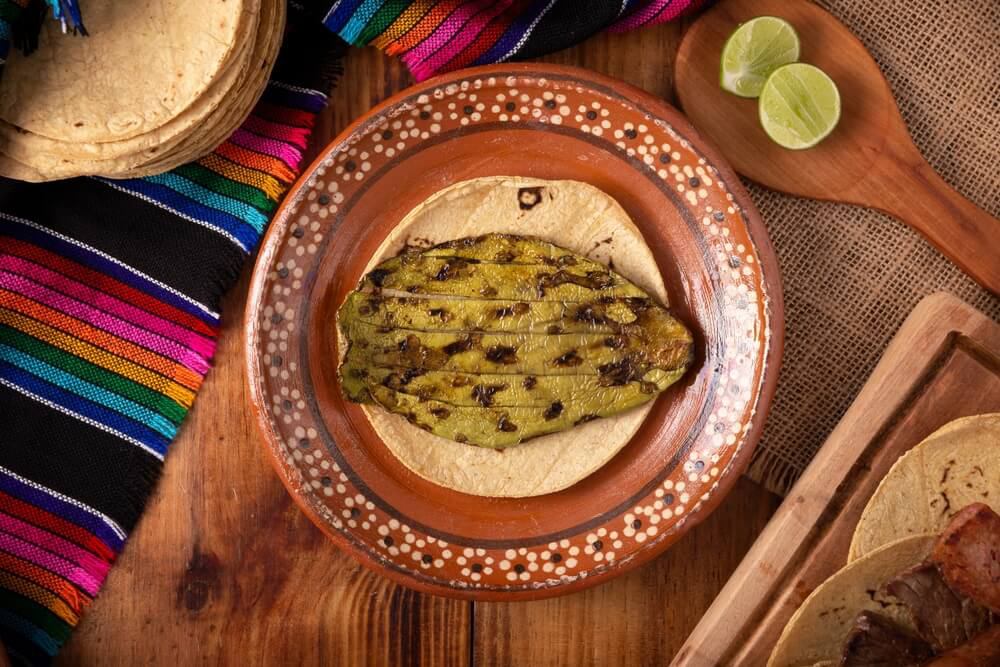
Nopal taco
The nopal is the pad of the cactus, but don’t worry, this prickly Mexican fruit won’t bite you when you bite it, as the prickly part of the plant is removed before you eat it. Nopal can be sautéed and added to many authentically Mexican dishes: tacos, scrambled eggs, or as a side dish with tomatoes and onions. Locals also love raw nopal, but eating it in a taco is a great way to savor this unique green Mexican fruit. Insider tip: The best way to wash down a nopal taco is with a craft Mexican beer.
Colorful Pitaya, or Mexican Dragon Fruit
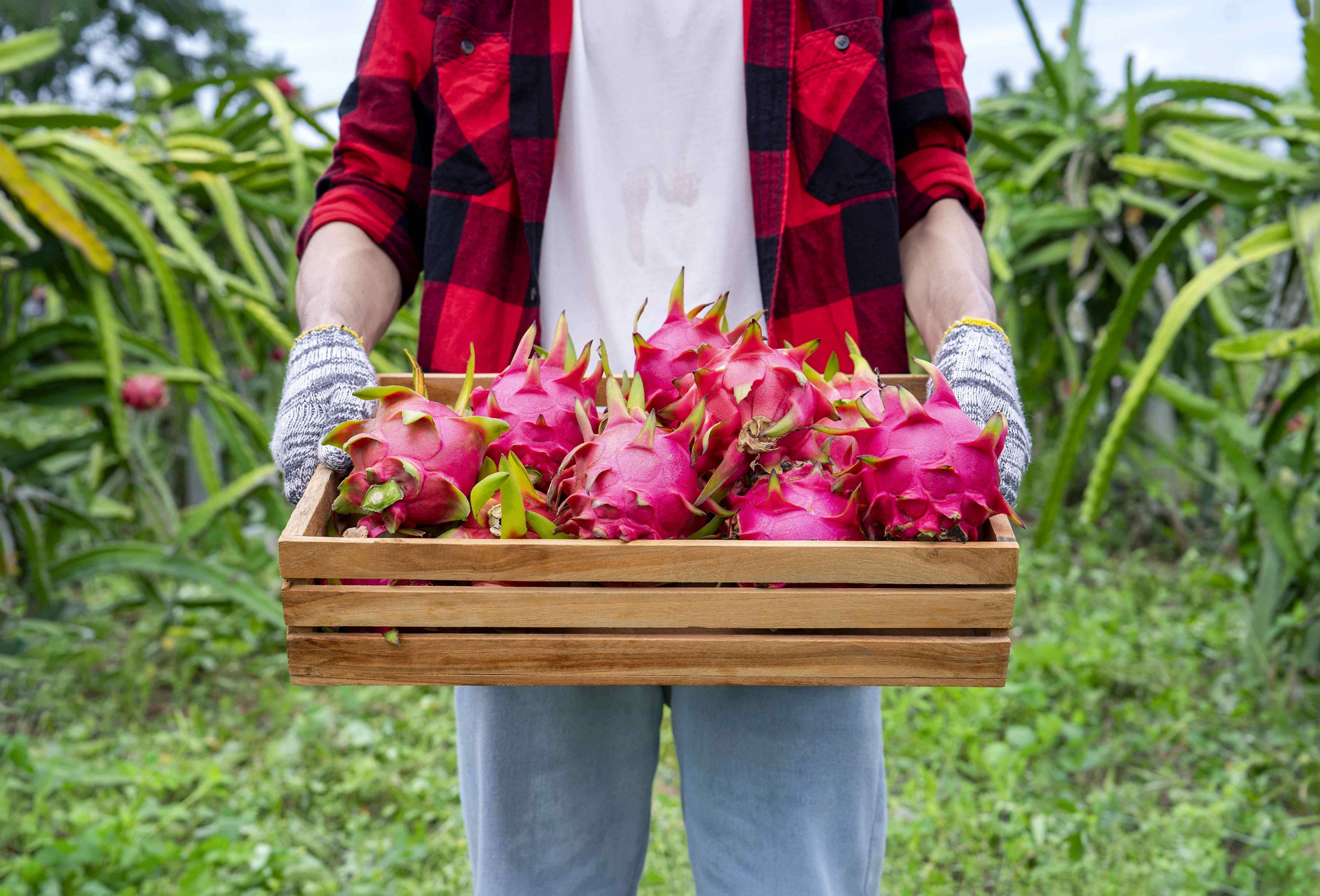
Yet another Mexican fruit from cactus is the pitaya, or Mexican dragon fruit. Pitaya is a bright pink and green fruit, and looks a little bit like a dragon before it’s cut open! The pitaya grows on a cactus in Mexico’s Sonoran desert, where it juts out from its sides like colorful pieces of jewelry.
This sweet fruit has a smooth texture and is a joy to the eyes and mouth. You can cut it in half and eat it raw, or use it to make fresh juice, cocktails, or delicious desserts.
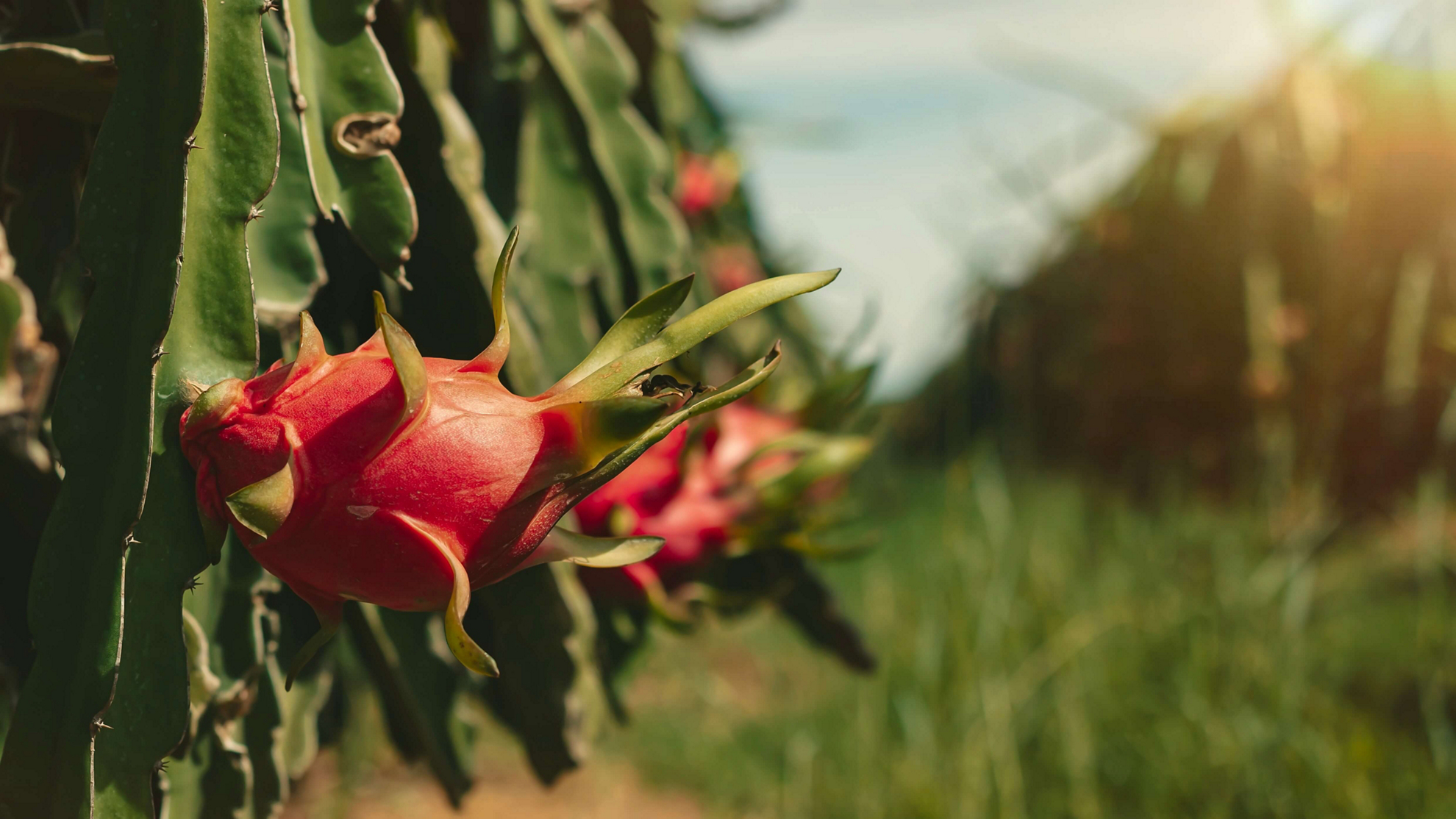
Pitaya, or Mexican dragon fruit
Tropical Guanábana, or Soursop
Native to the tropical regions of the Americas and the Caribbean, Mexican soursop (guanábana in Spanish), is a vitamin C superfruit that’s rich in antioxidants. That means that the soursop is not only extremely tasty, it’s also very good for you… and is especially good for your eyes. In Mexico, it usually forms the basis for beverages, ice cream, and other popular sweet foods. While you’re exploring the Yucatan Peninsula, make sure you pay a visit to street vendors selling fruity popsicles, and order a guanábana one for a soursop-flavored beat-the-heat treat.

Traditional Mexican ice cream, featuring Mexican fruits
Insider tip: The best place for foodies to stay in Mexico is the Barceló Maya Grand Resort, which features a wide array of delicious local and international restaurants to choose from. The best part? You can taste it all right from your sun lounger.
Tart and Juicy Huaya, a Unique Treat
A classic Mexican street fruit is the huaya (pronounced “why-yah”). This small green Mexican fruit looks a bit like a bunch of limes, but the huaya has a tough shell that you’ll need to crack open to get at the soft, orange-yellow flesh inside. Squeeze the fruit with your fingers or bite into it to start your huaya tasting journey. It’s worth the effort to savor this exotic Mexican fruit. Locals also like to make delectable huaya jam or preserves from the fruit. Buying a jar of huaya jam makes the perfect foodie souvenir to bring home for yourself or a loved one.

Huaya
Aguacate, the Most Popular Green Mexican Fruit
You may not consider the avocado to be an exotic fruit, but did you know that Mexico is the largest producer of avocados in the world? And in Mexico, avocados are surprisingly large. So large, in fact, that you’ll find local fruit shops will sell aguacates by the quarter or half.
Local fruit shops will sell avocados by the quarter or half
Trying these large Mexican avocados is a must on your upcoming vacation. They’re creamy, smooth, and taste quite different from the ones you can buy at an American grocery store. Whether you’re enjoying some fresh guacamole or adding it to your taco for added creaminess, Mexican avocados are tasty and incredibly healthy. They’re rich in monounsaturated fat (the so-called “good” fat), which is known to reduce cholesterol. And here’s a fun and surprising fact: Avocados also contain loads of potassium – even more than bananas!
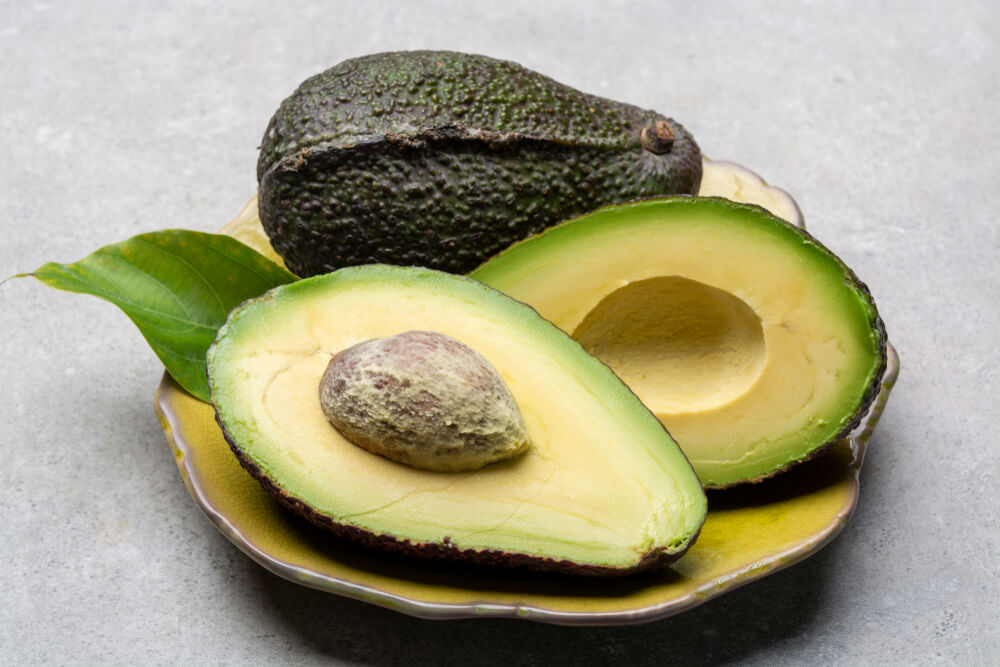
A large Mexican avocado
The Most Diverse Mexican Fruit: Tamarind, or Tamarindo
Though this Mexican fruit, tamarind, is actually native to tropical Africa, it’s been fully embraced by the Mexican people. Tamarind fruit is a pod-like legume, and isn’t often eaten on its own. Instead, its tangy pulp is popularly used in Mexican street food snacks, candies, and refreshing drinks like agua fresca de tamarindo. When in Mexico, you absolutely must try tamarind in all its unique and different forms.

Tamarind-flavored agua fresca
The Cucamelon, a Fruit Native to Mexico
The cucamelon is a tiny Mexican fruit resembling a mini-watermelon. In Spanish, it’s most commonly called sandita, which translates to “little watermelon.” But don’t let its name deceive you… The cucamelon isn’t a melon at all, it’s a fruit of the vine and is in the same plant family as the cucumber!
In Spanish, it’s most commonly called sandita, which translates to ‘little watermelon
Once you pop one of these mini-fruits into your mouth, you’ll understand for yourself, as it tastes like a cucumber with a twist of lime. This native Mexican fruit is gaining popularity across the world, and it’s no wonder why. Not only is it unique and tasty, but it’s fun to hold a whole bunch of them in your hands and snap a fun photo.
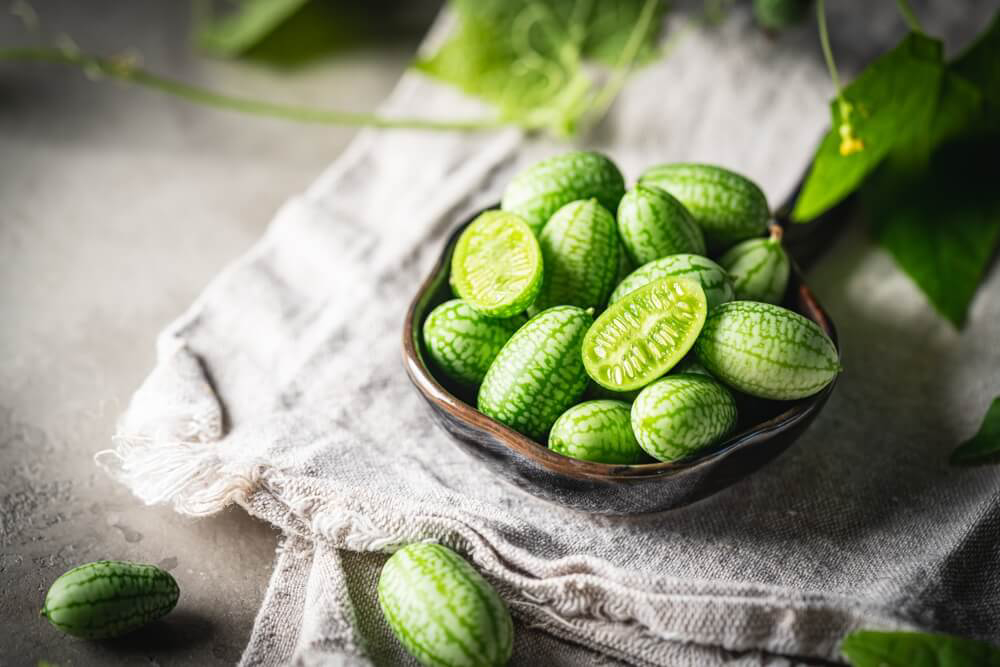
Cucamelon
A Taste of Tradition: Tejocote
Tejocote, also called Mexican hawthorn, is a small yellow-orange fruit with a big cultural punch. Though it may look unassuming, this humble fruit plays a starring role in Mexico’s Christmas celebrations, when it’s used to make Mexican Christmas punch, or ponche navideño. If you’re in Mexico during the holiday season, make sure you get a taste of this punch. Otherwise, grab some tejocote at a local market, and enjoy biting into this mildly sweet and tangy fruit.
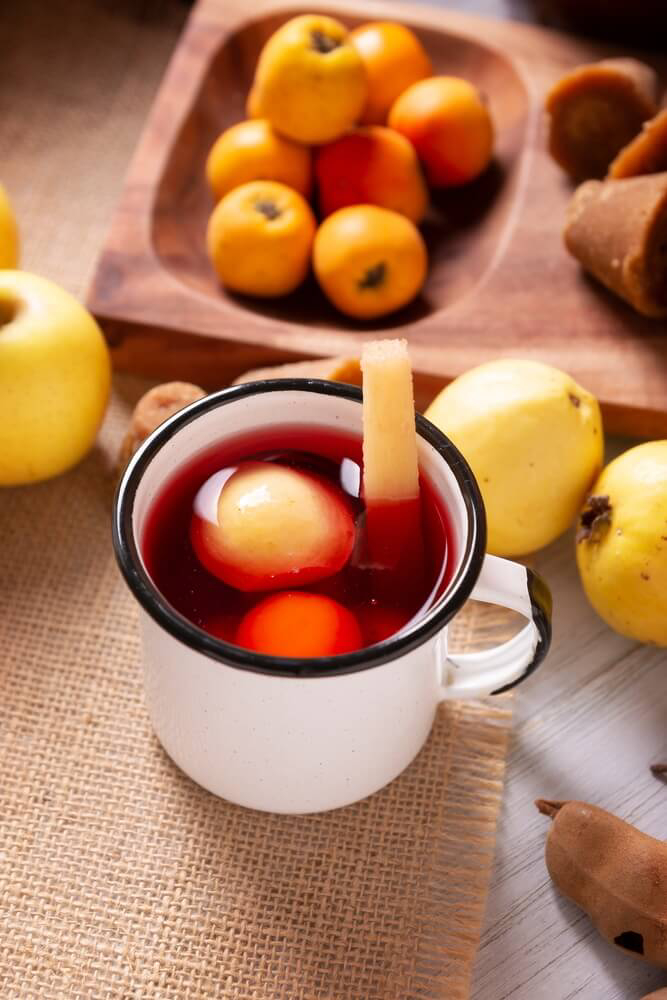
Mexican Christmas punch, featuring tejocote
Creamy, Dreamy, Mexican Sapote
One of the most underrated fruits is the Mexican sapote, zapote in Spanish, a family of tropical fruits that come in several varieties, each with its own flavor and texture. The most common types you’ll find are black sapote (zapote negro in Spanish), and mamey sapote, which has a sweet, creamy orange flesh. Black sapote truly lives up to its nickname. When ripe, its dark, custard-like interior tastes remarkably like chocolate, making it a healthy dessert alternative. Mamey, on the other hand, has notes of pumpkin, sweet potato, and almond. Whether blended into smoothies or simply eaten with a spoon, Mexican sapote is a must-try for fruit lovers looking to explore something rich, unexpected, and totally unforgettable.
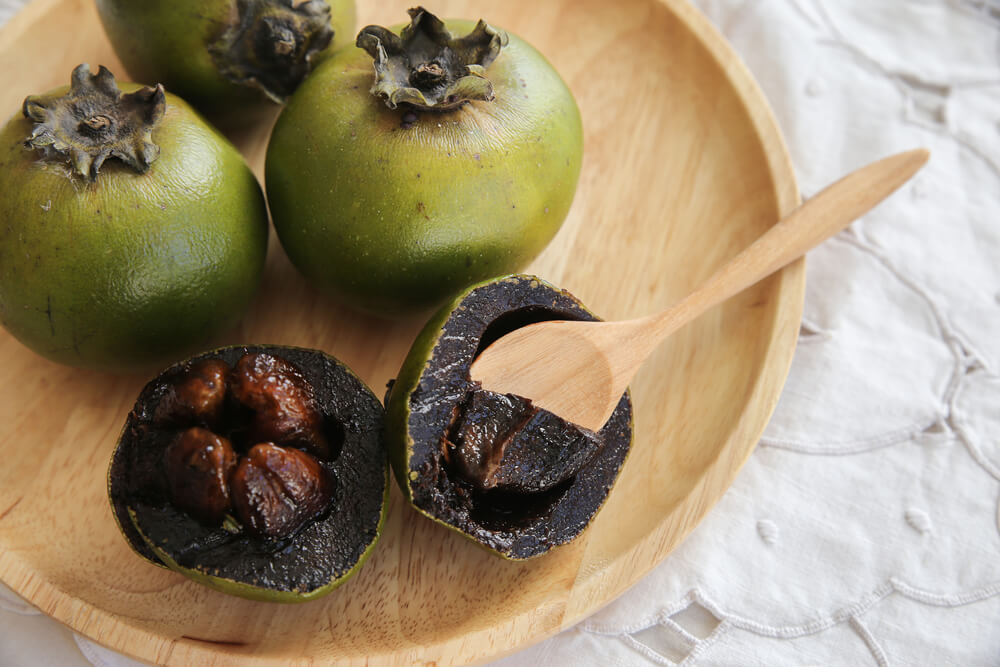
Black sapote
From the tart juiciness of huaya to the creamy perfection of the large Mexican avocado, Mexican fruits are a true reflection of the country’s biodiversity and culinary creativity. Whether you're exploring the Yucatan Peninsula, wandering through a local market in Mexico City, or sipping ponche during the holiday season, trying these fruits in all their varieties and grandeur is a must for anyone craving an authentic taste of local life.