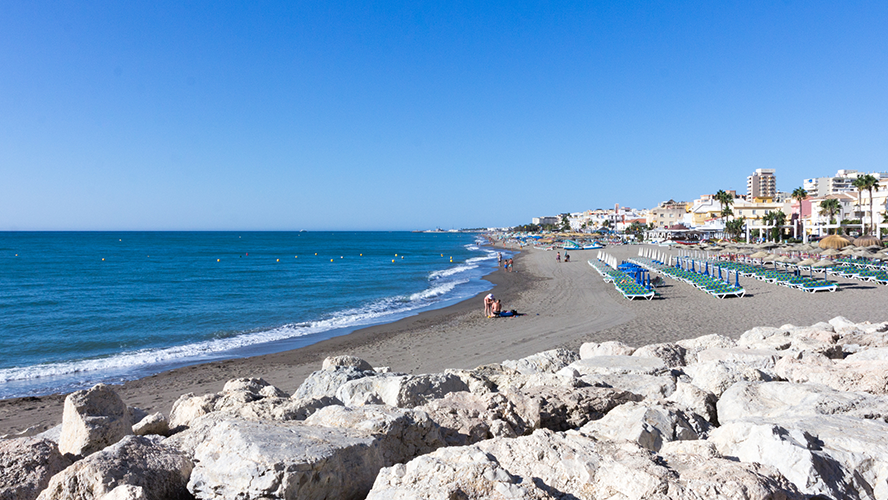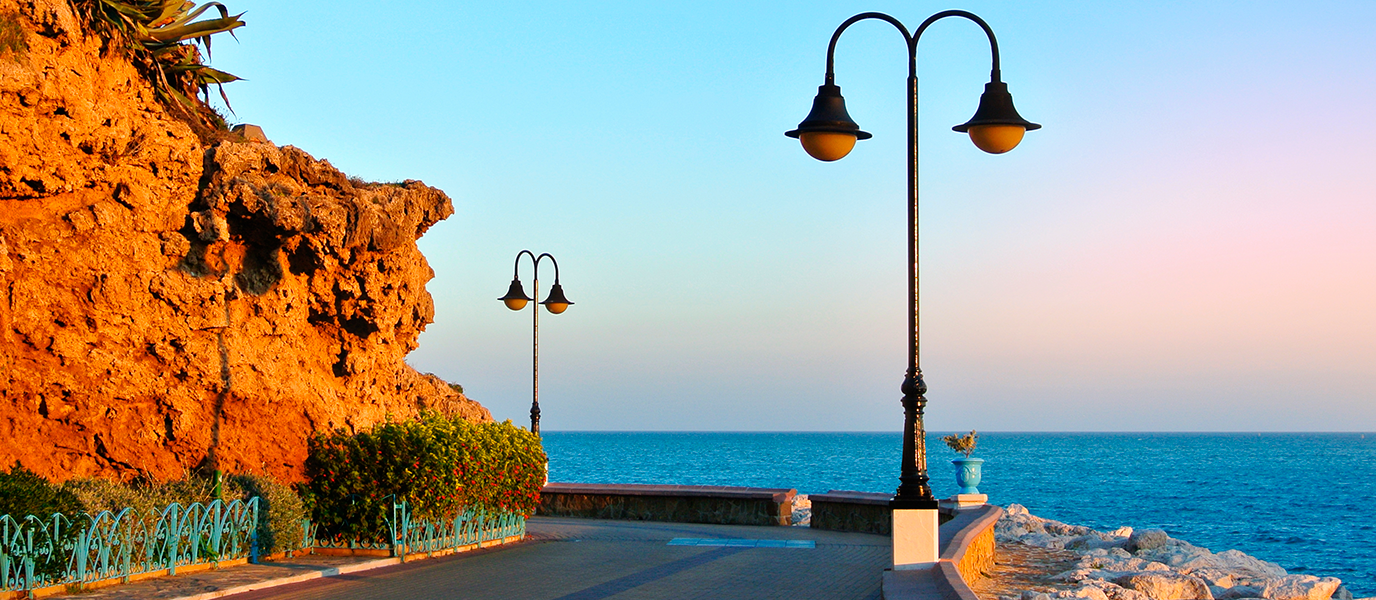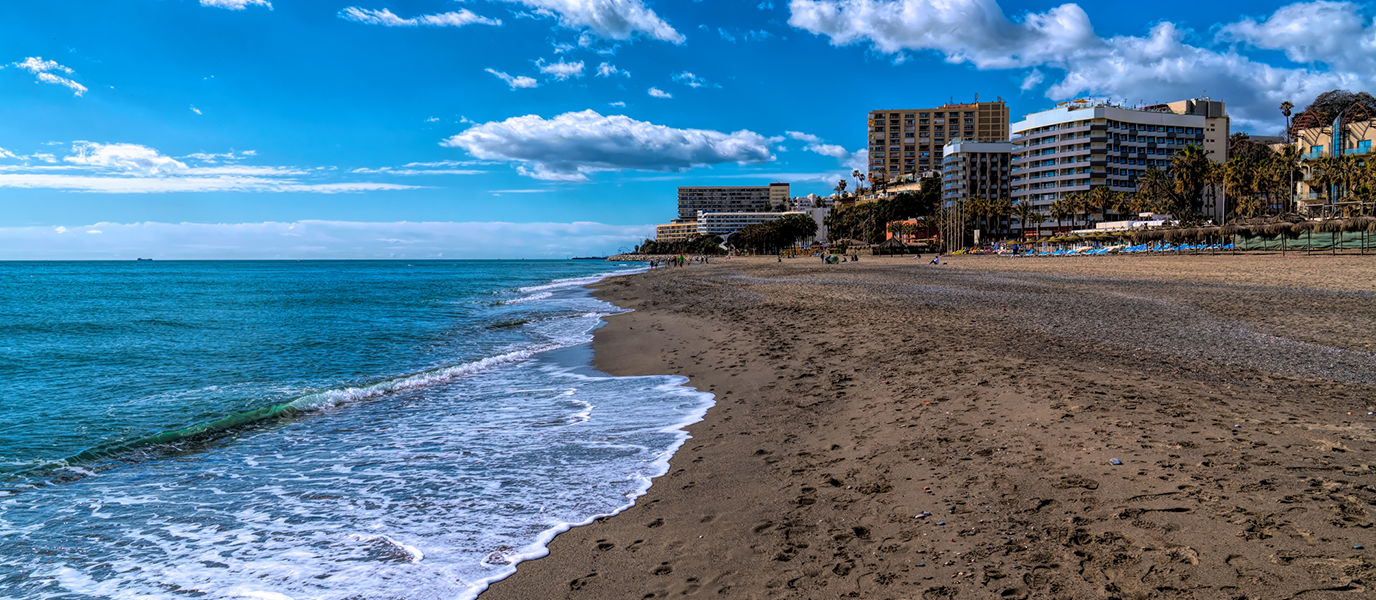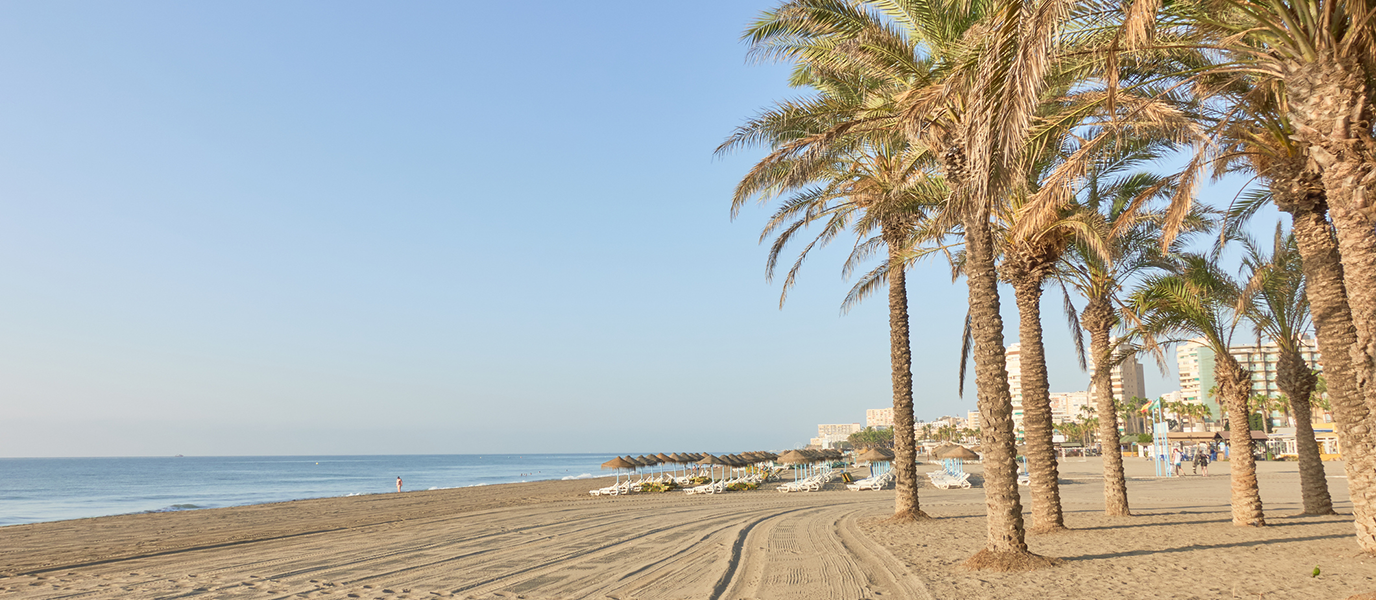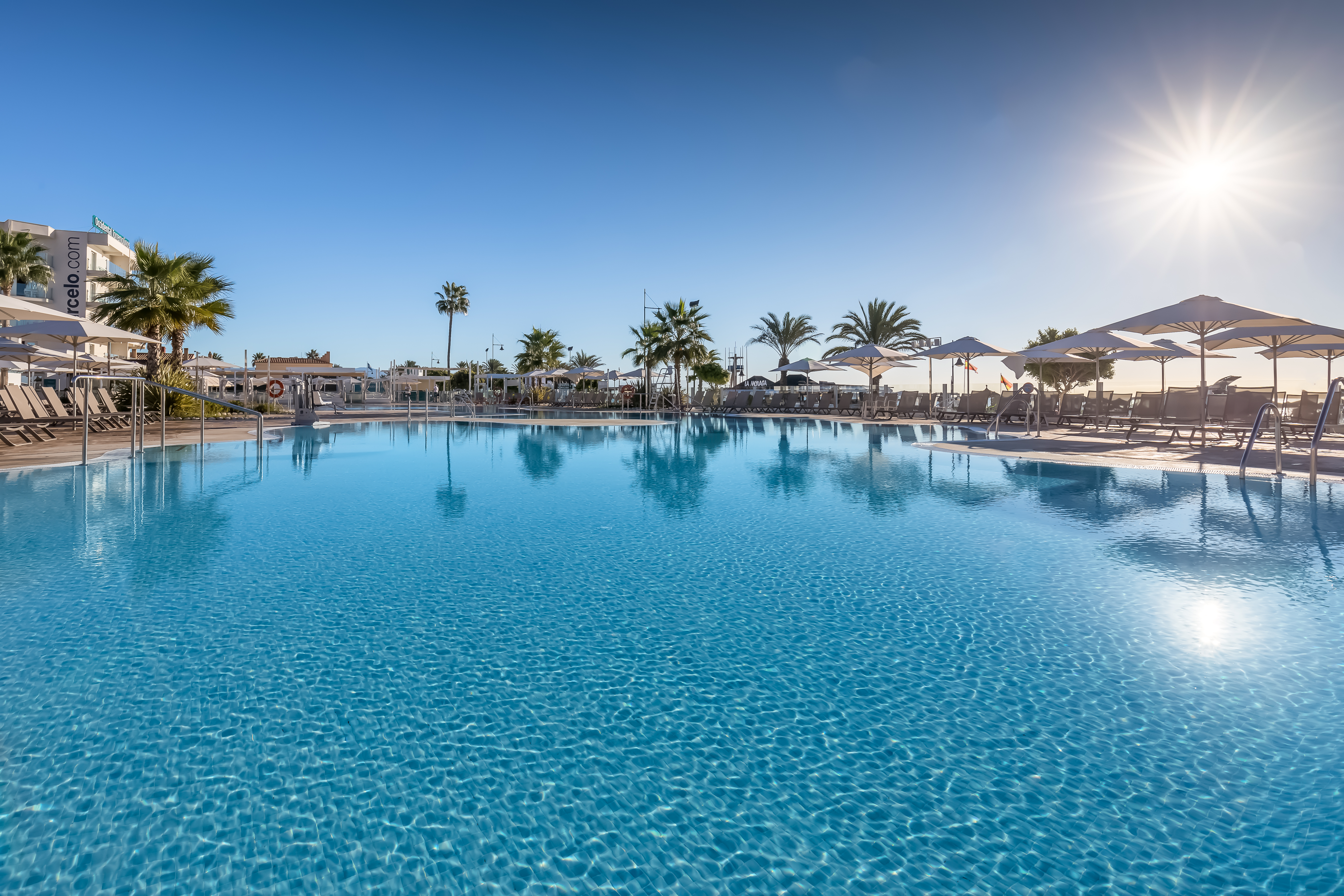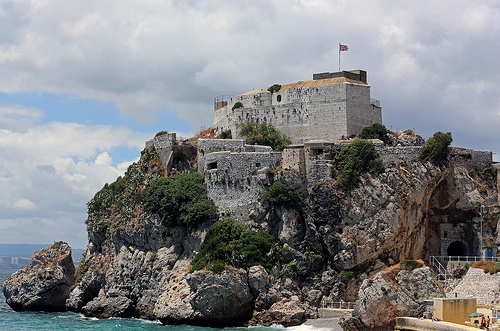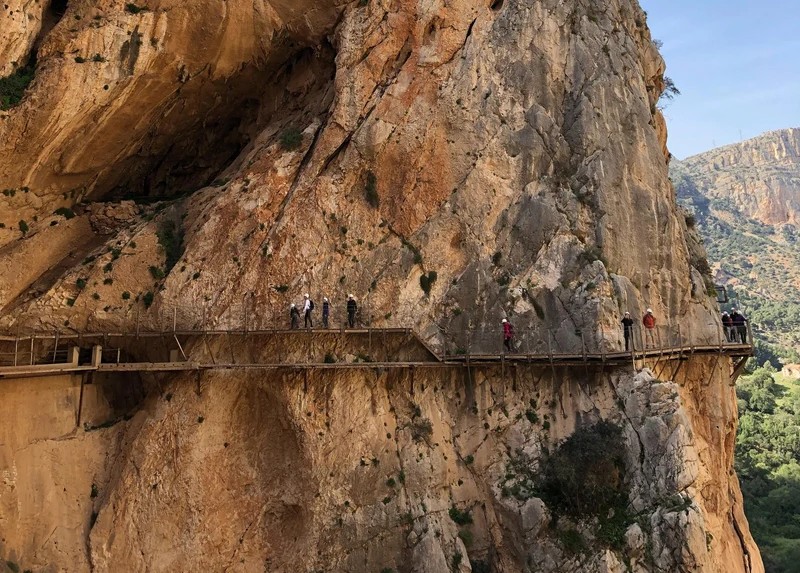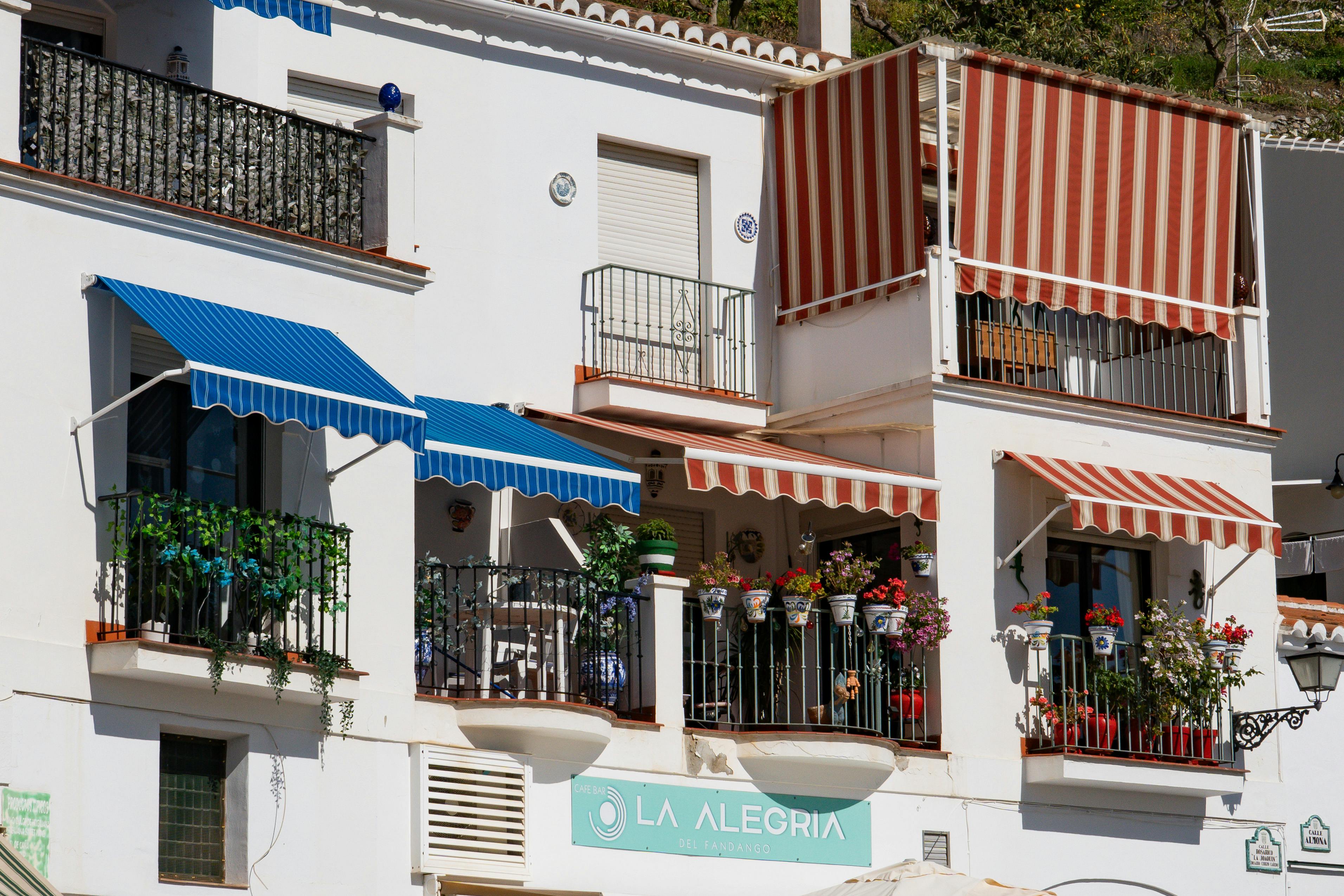






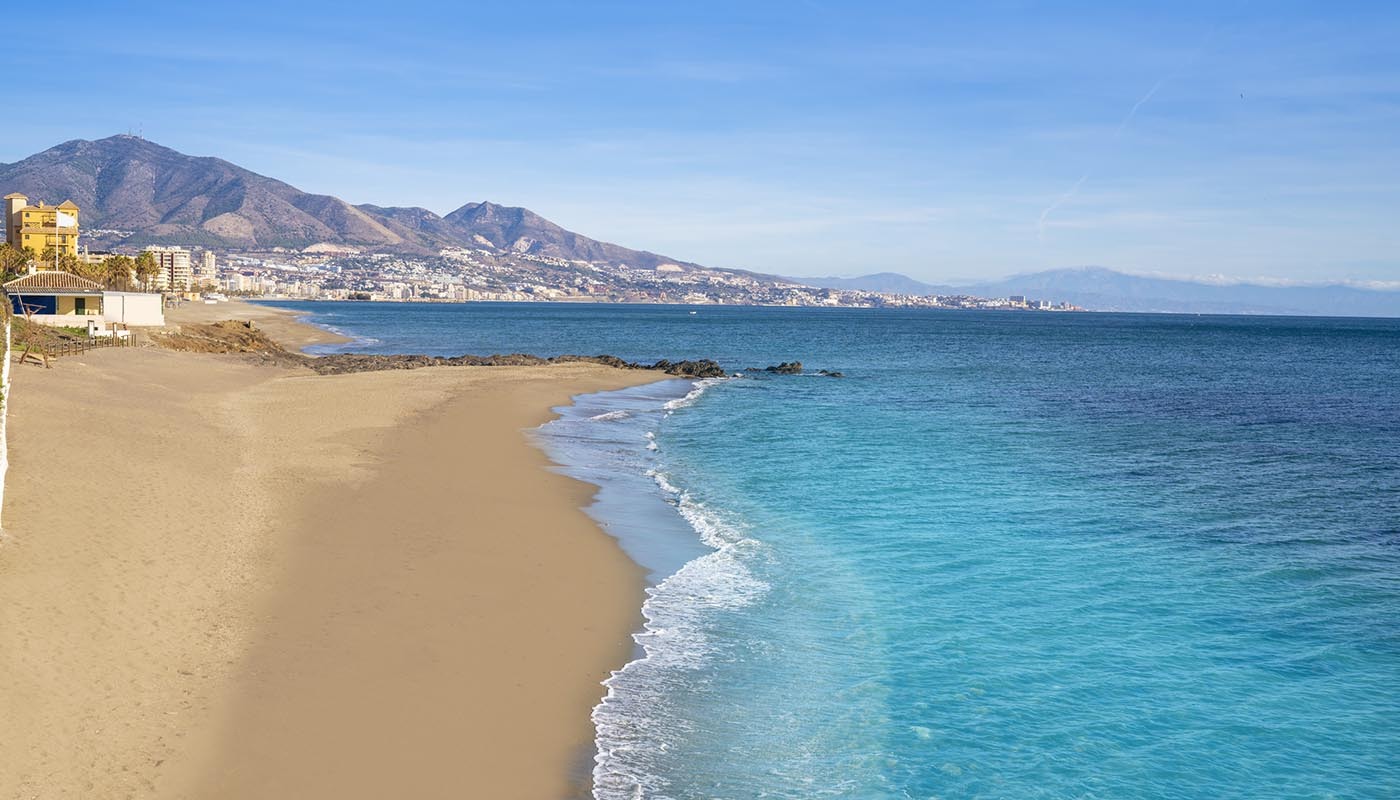















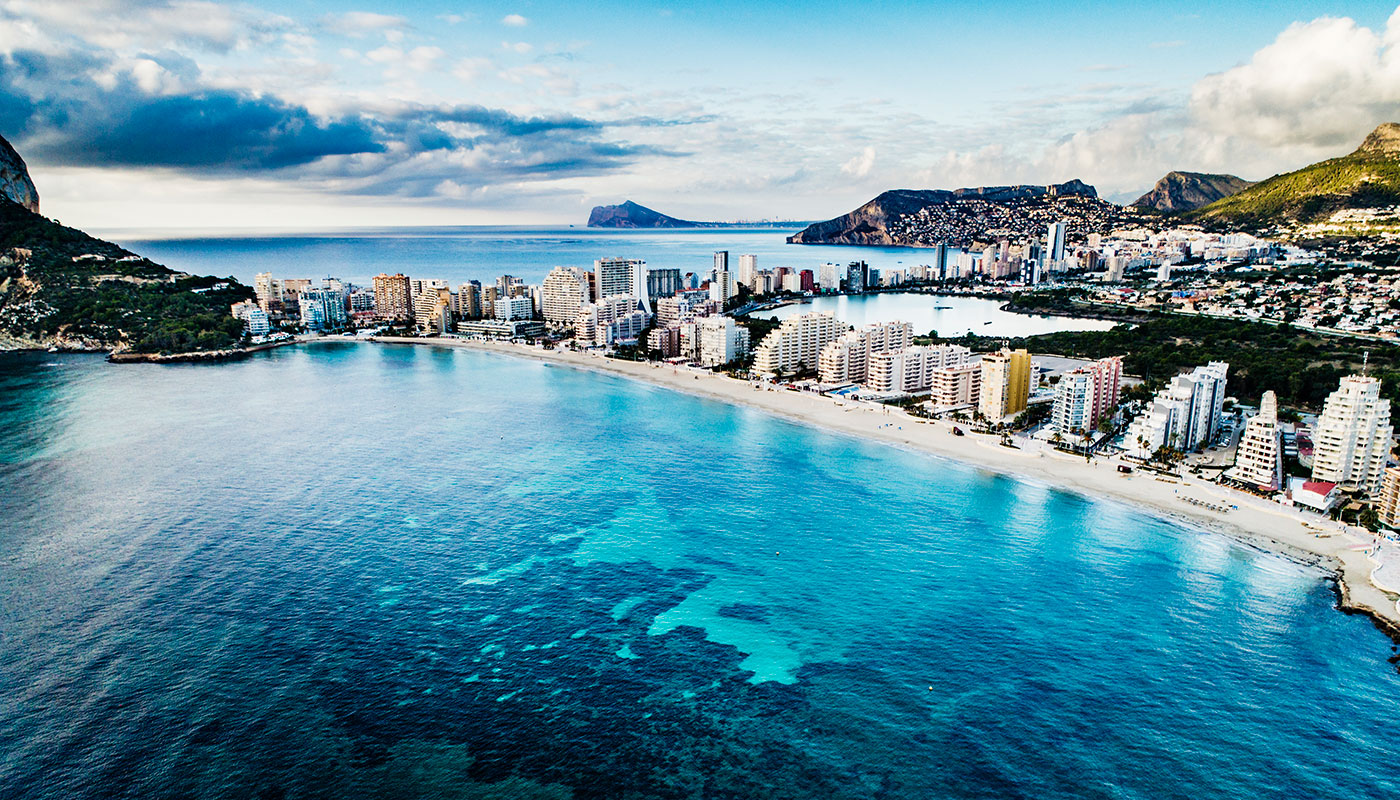
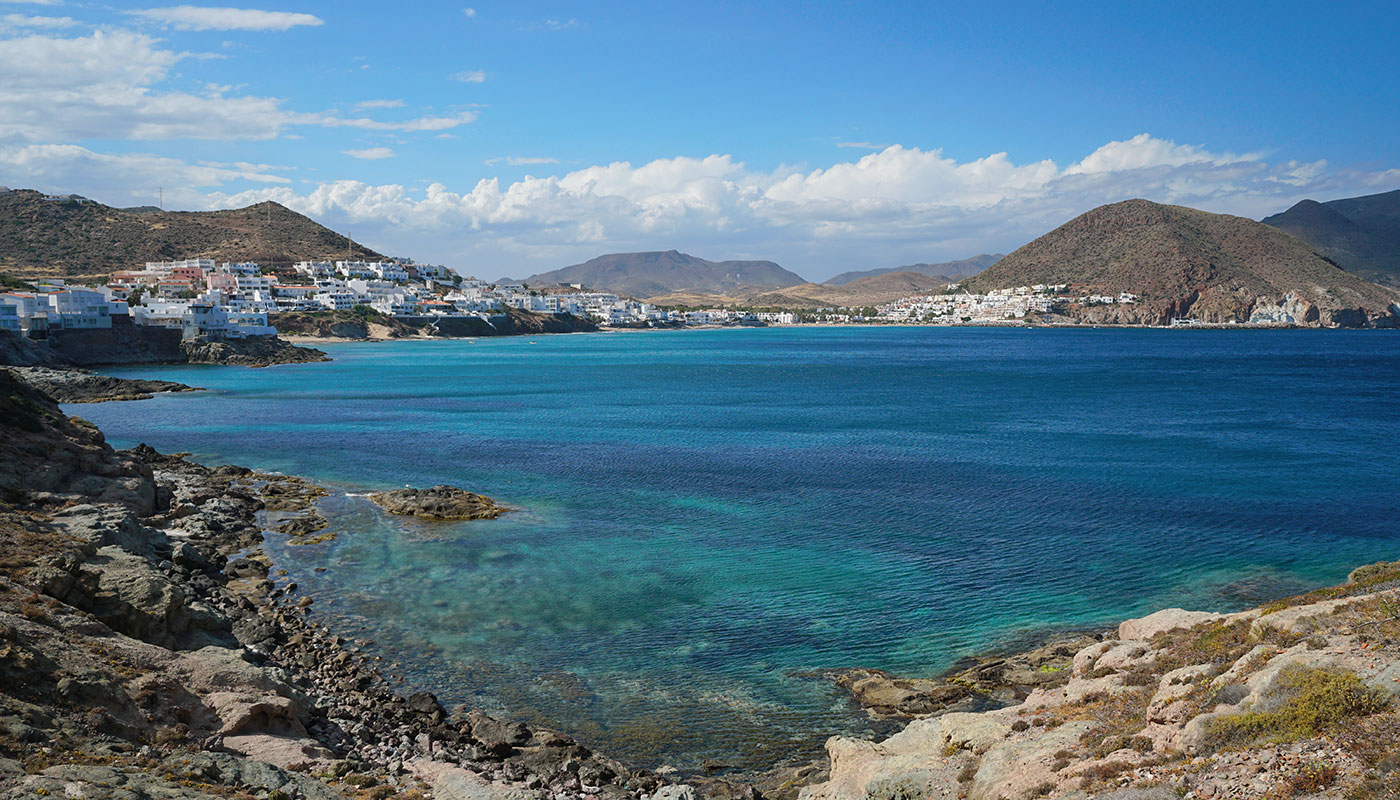

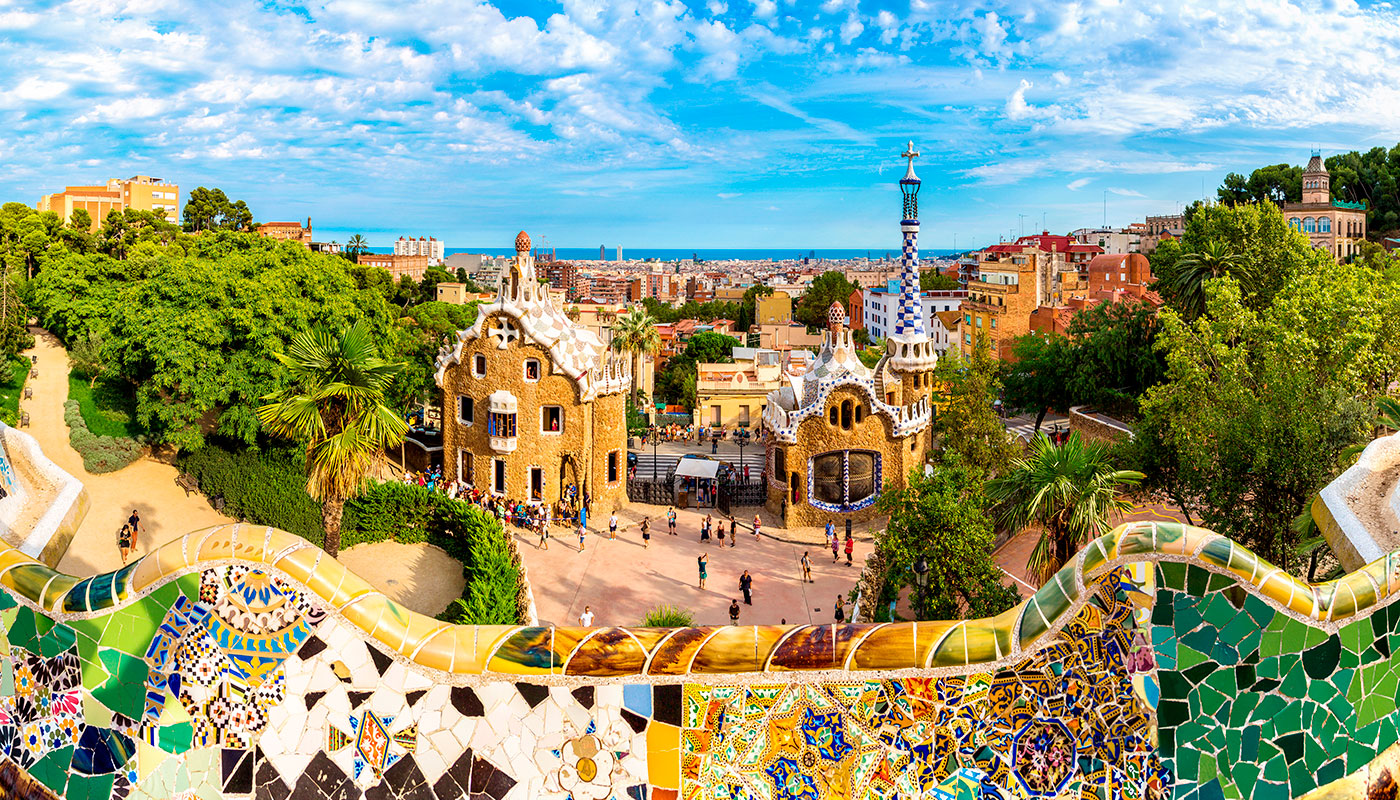
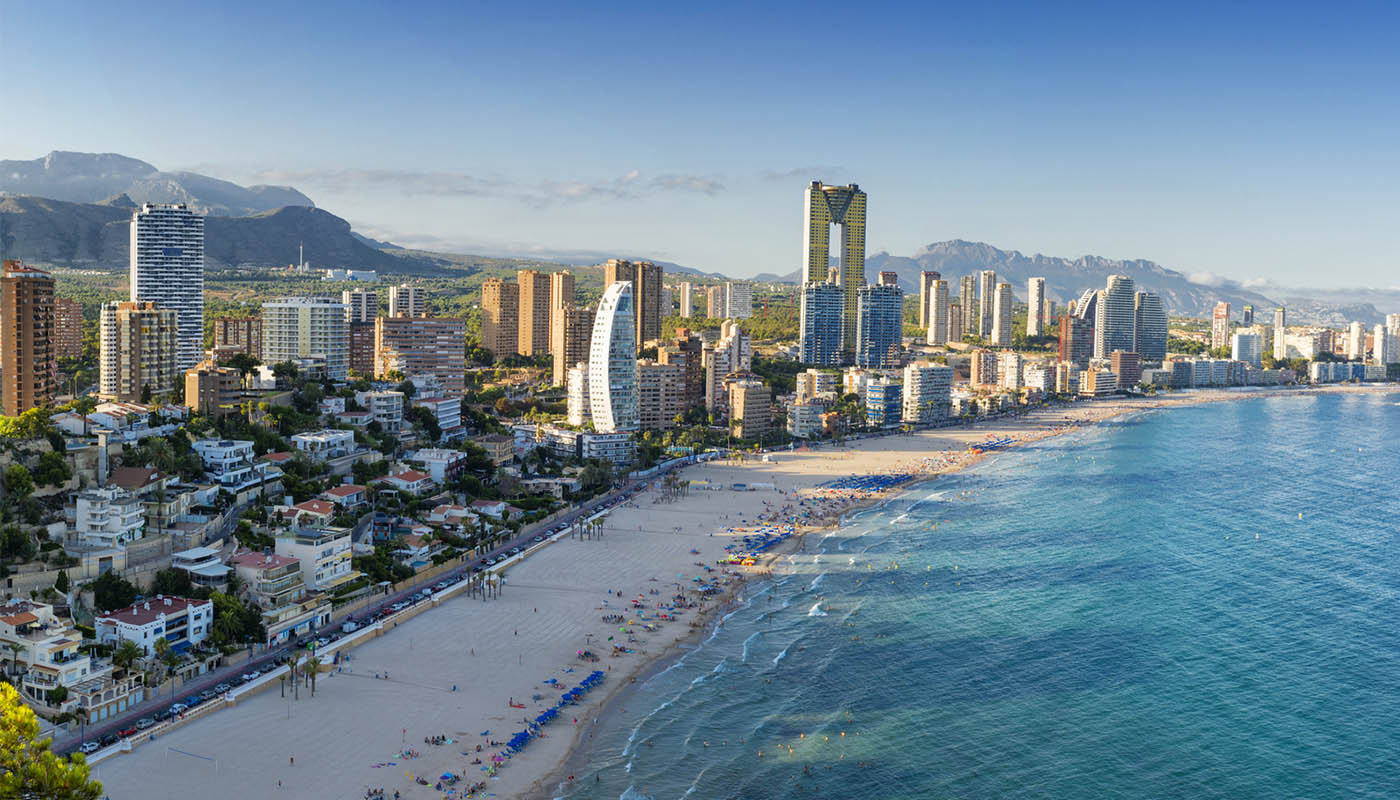


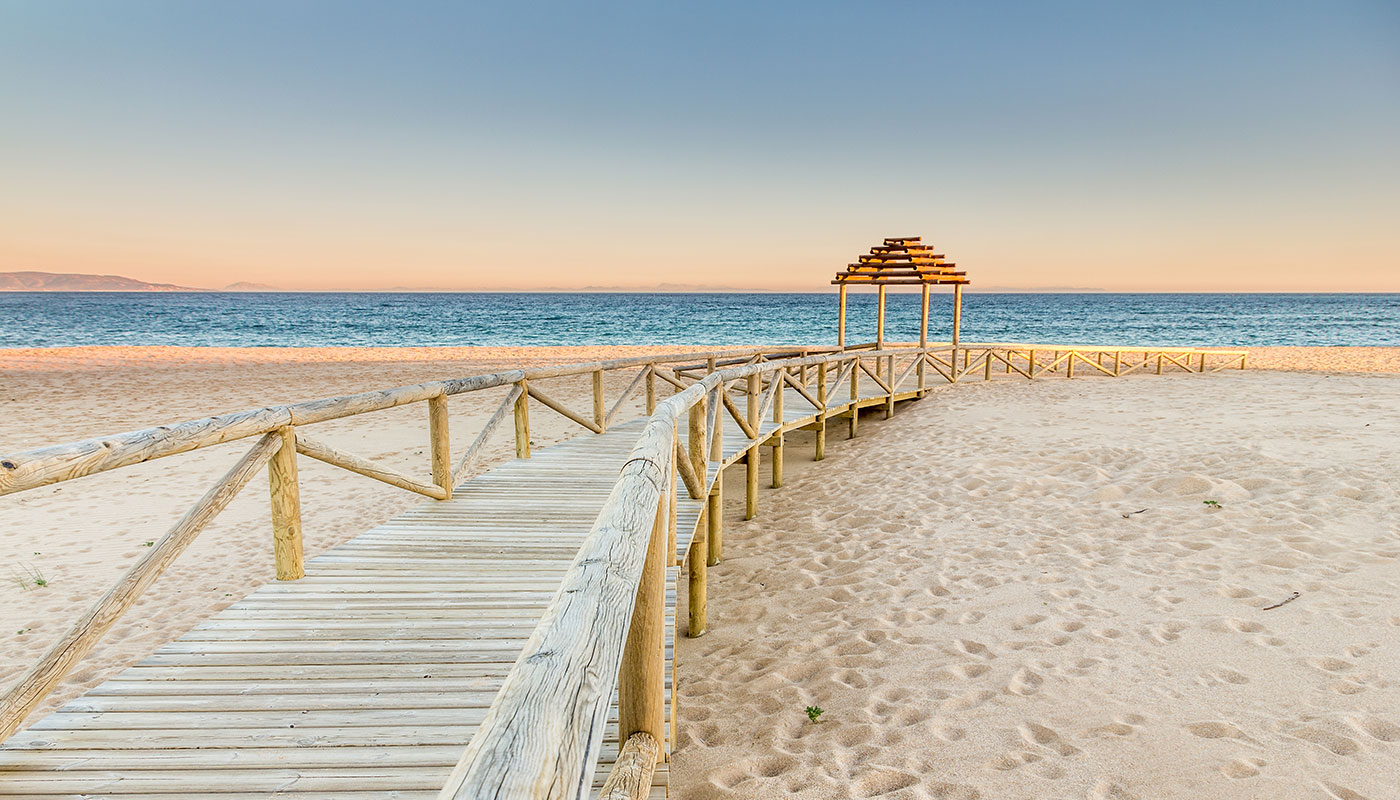
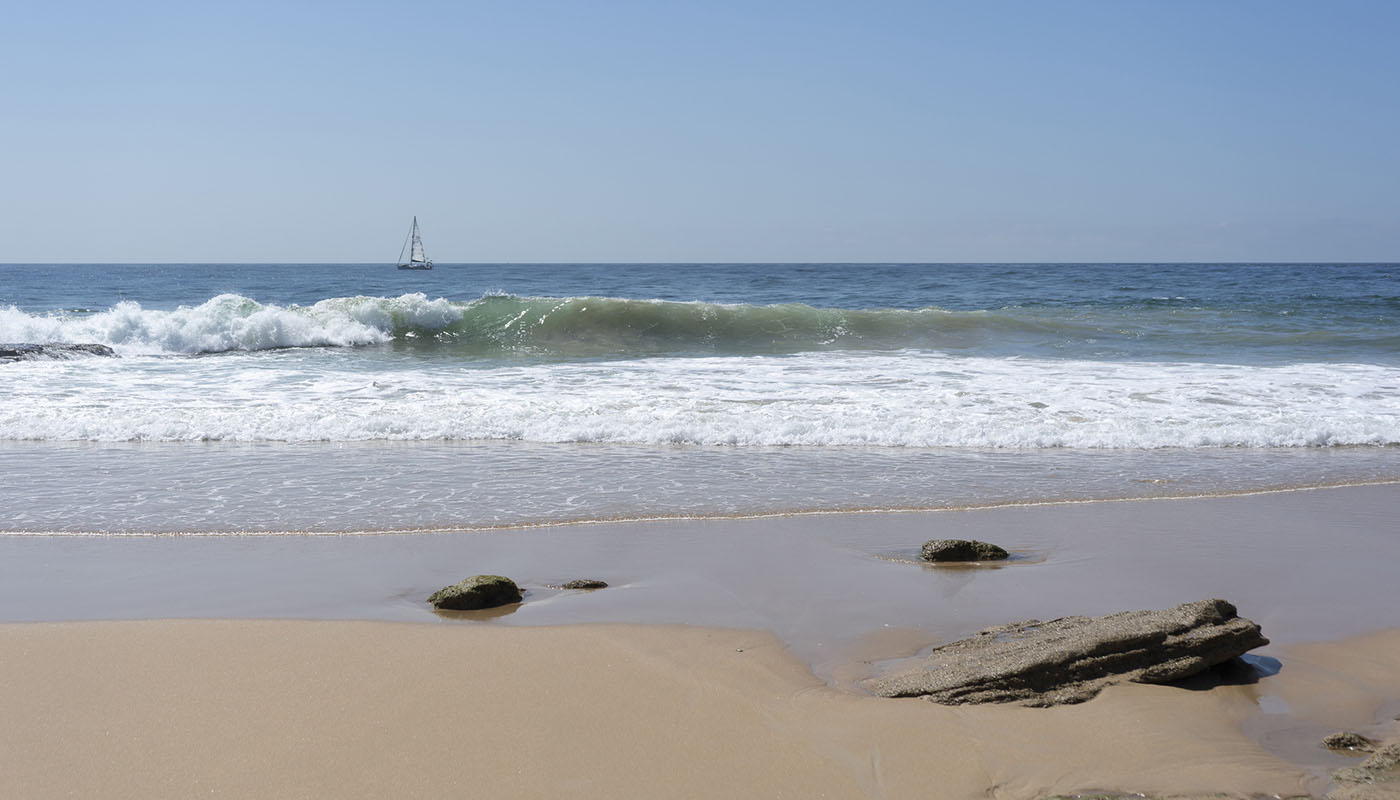

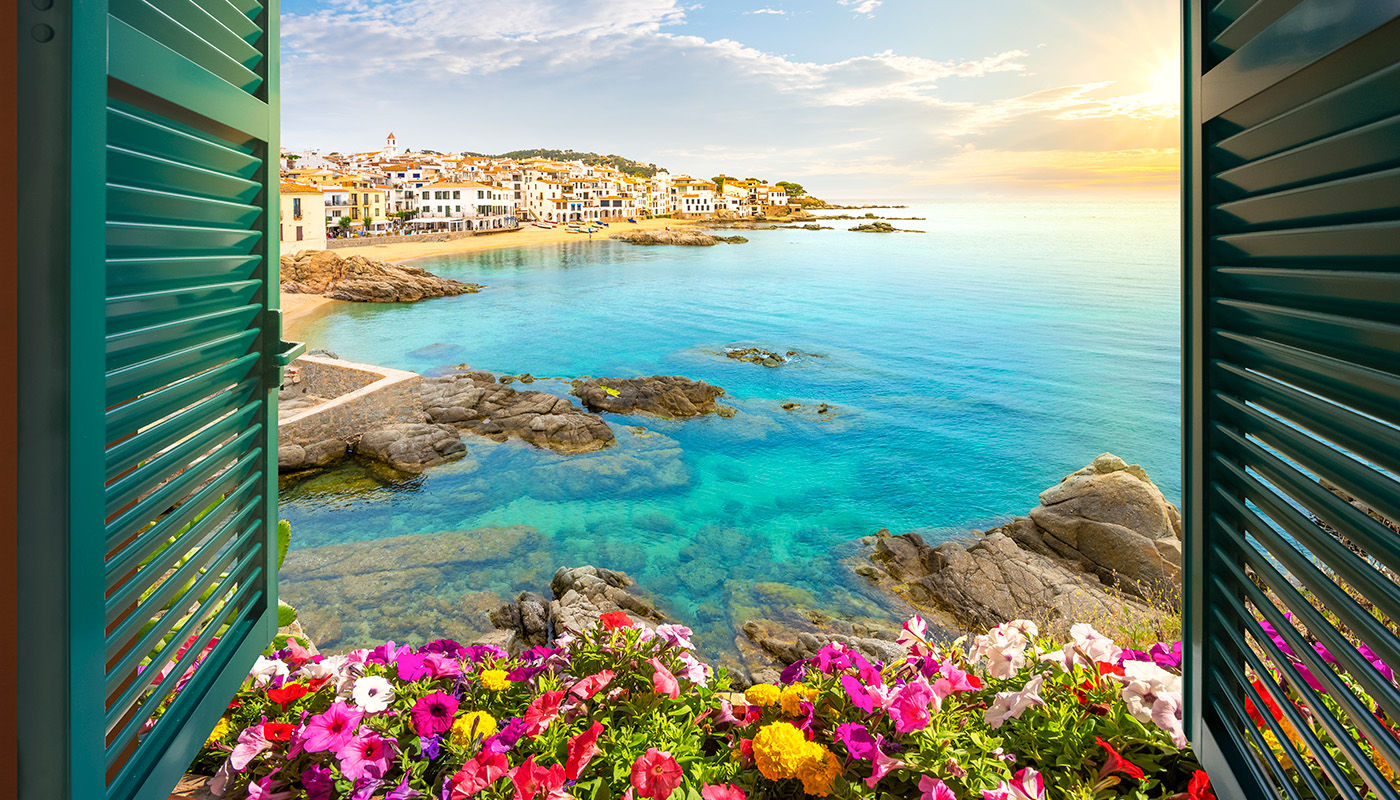
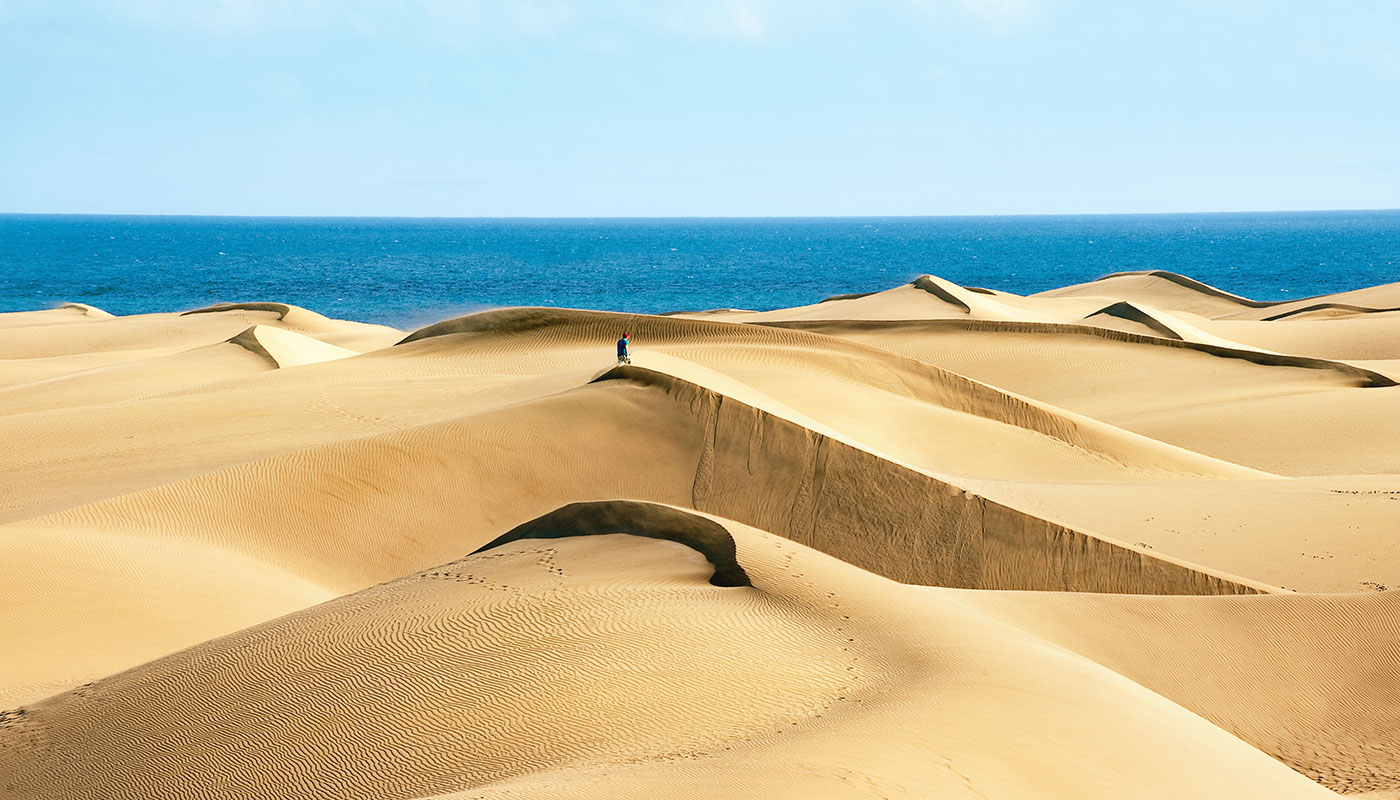



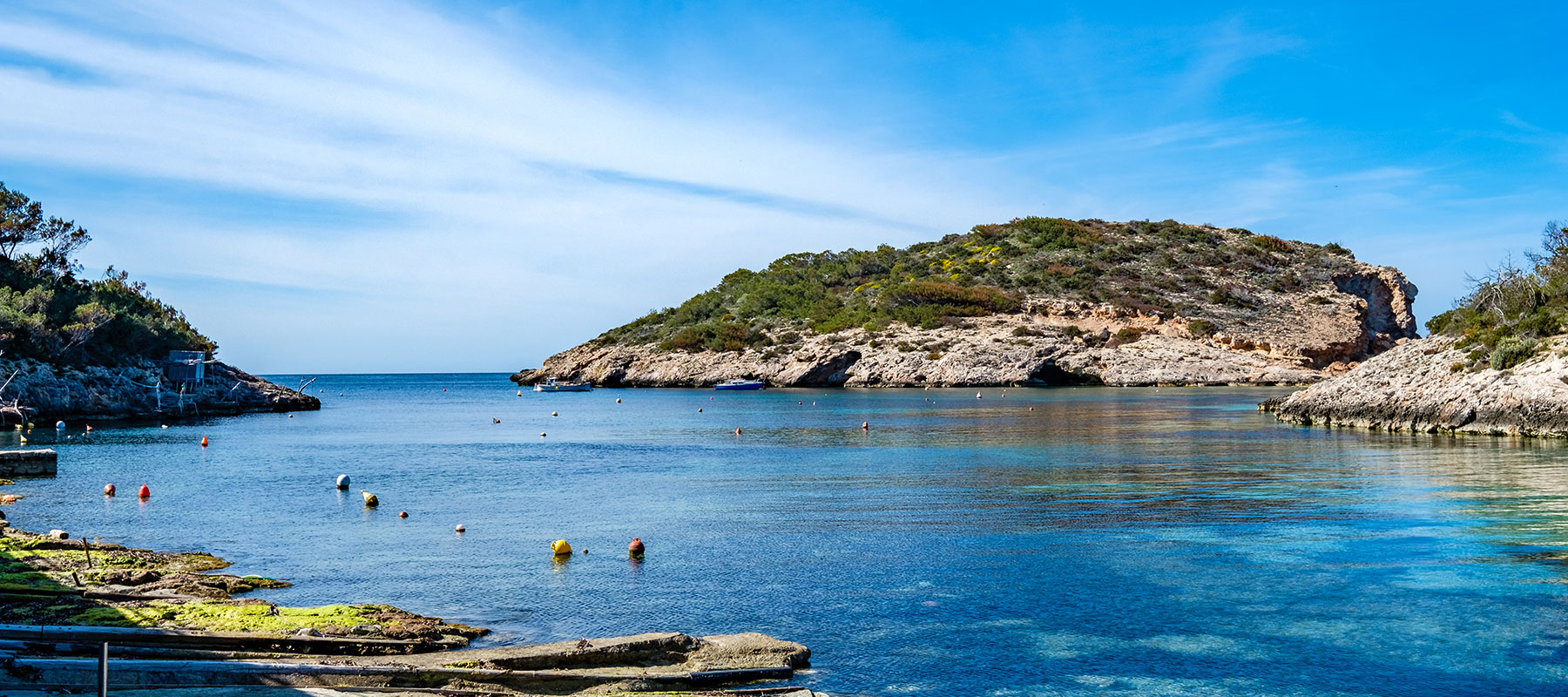





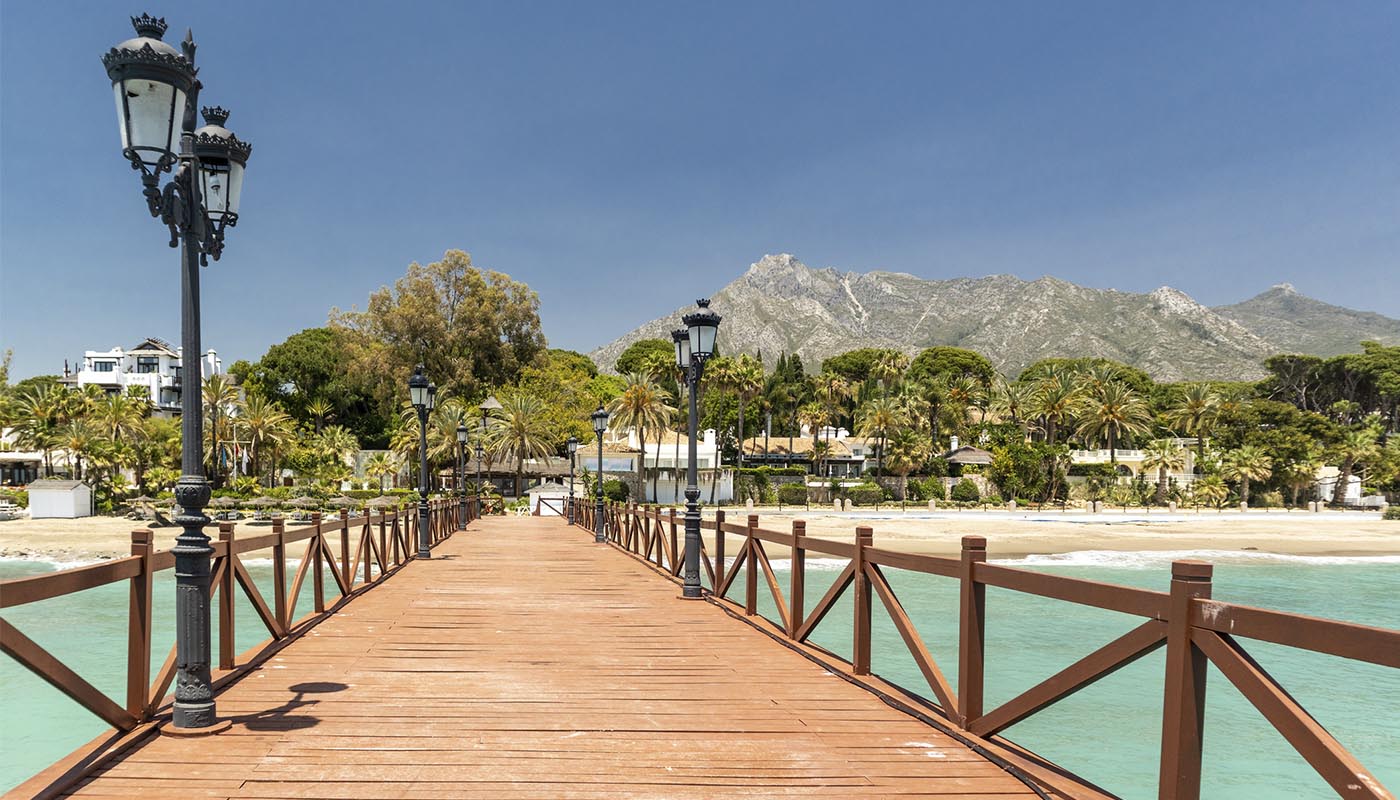
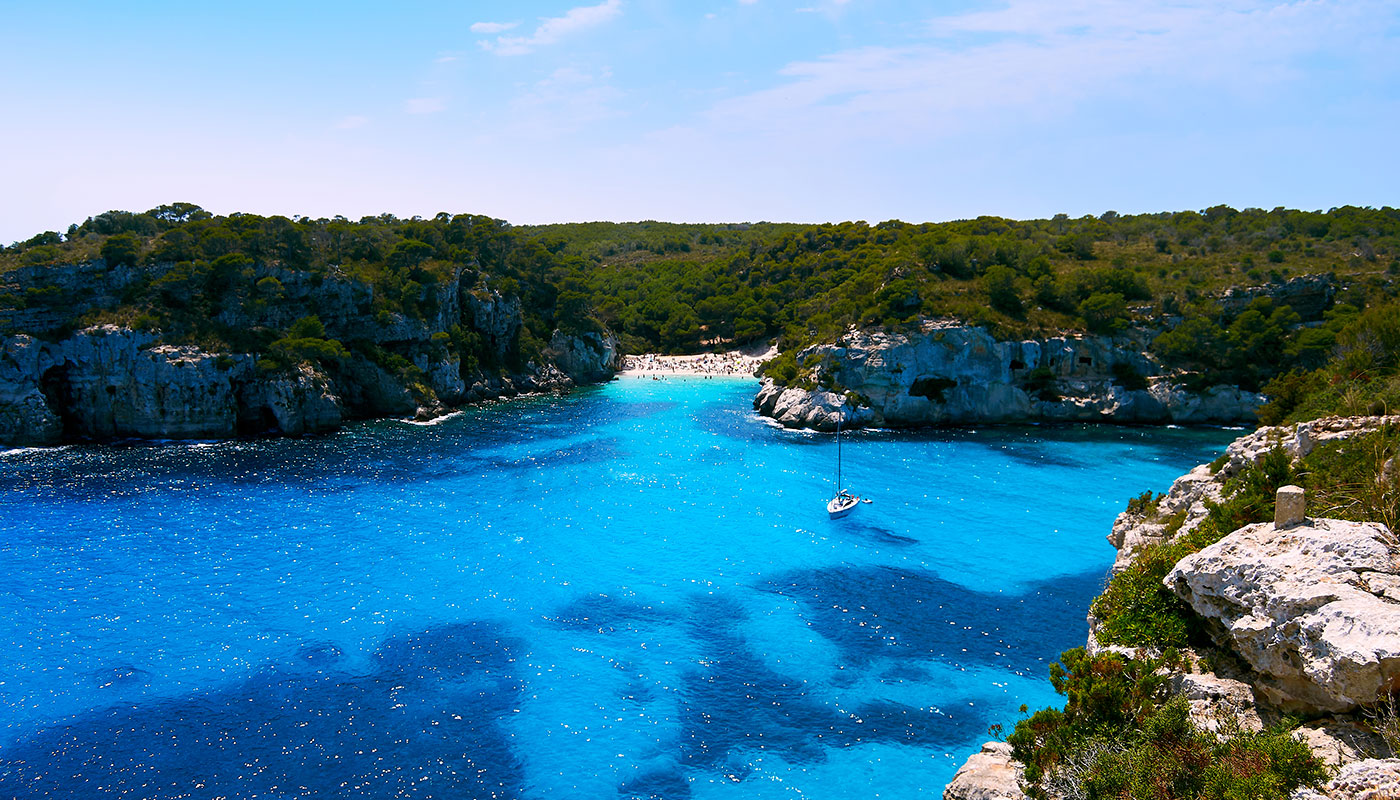



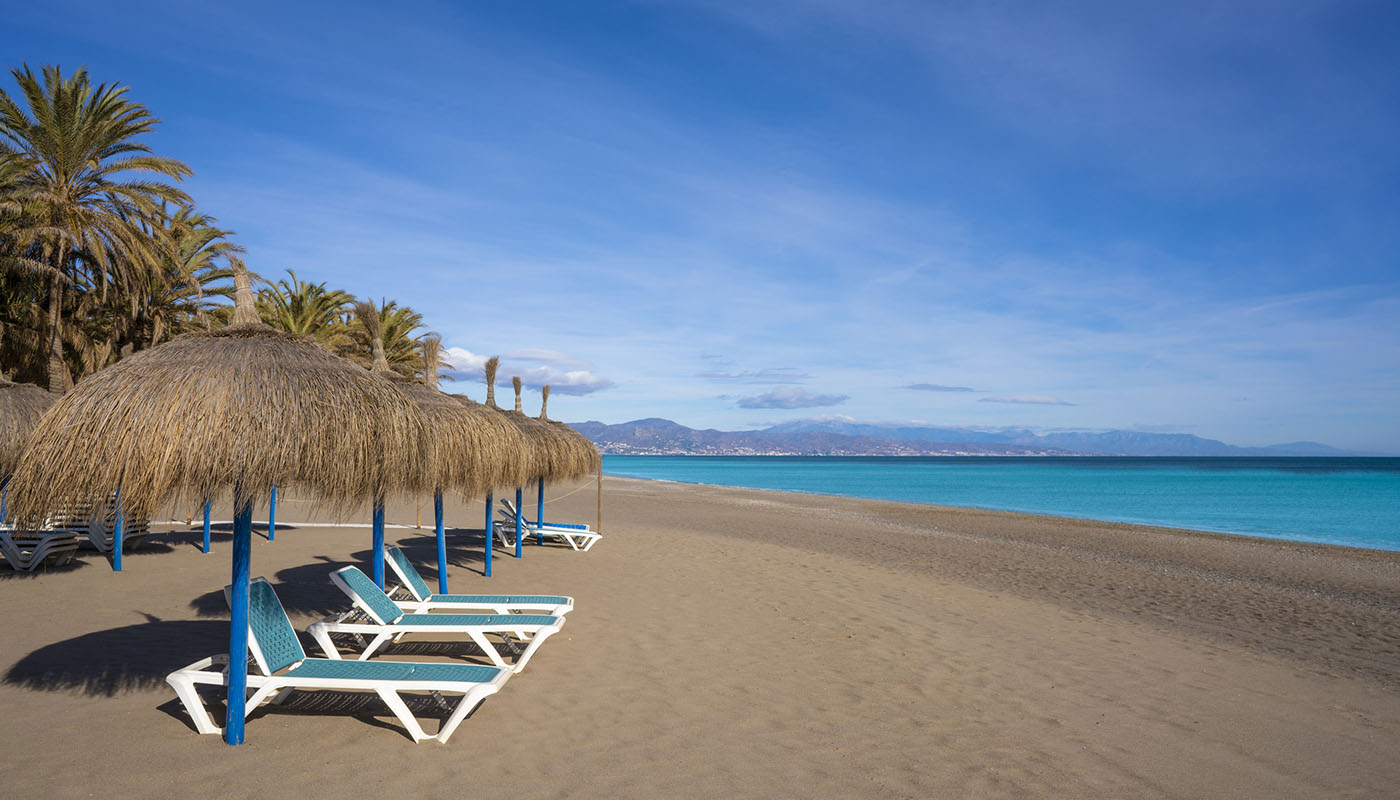








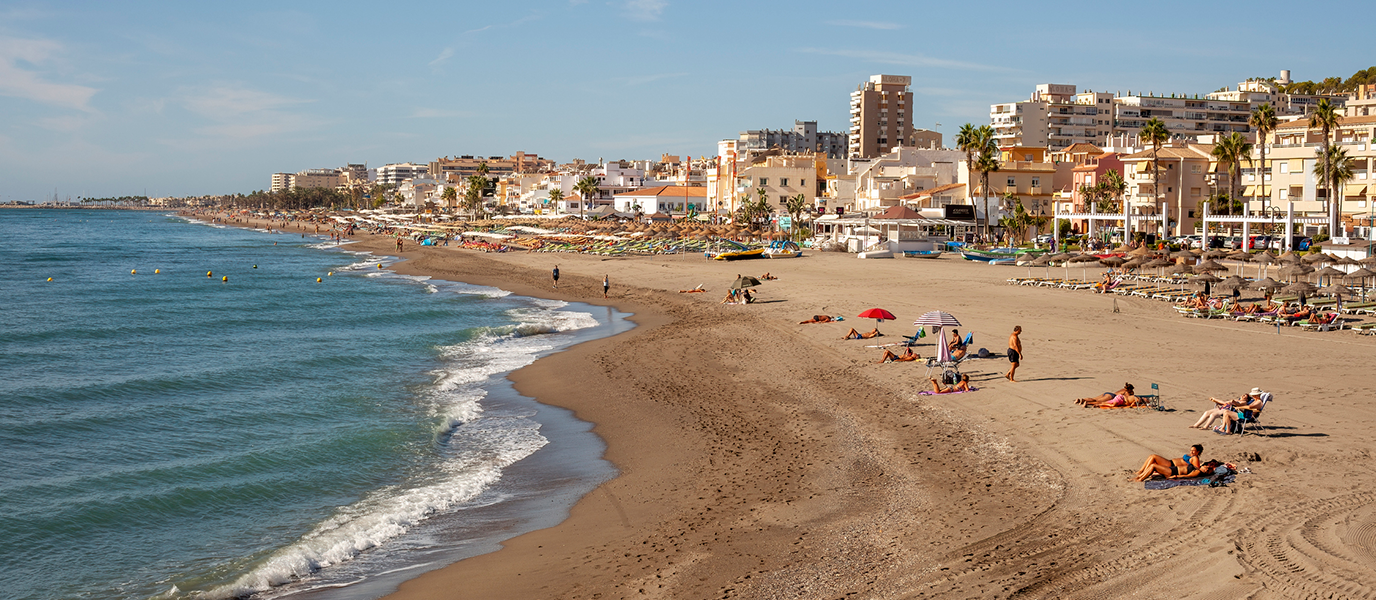
Located just 16 kilometres from the provincial capital of Málaga, Torremolinos is home to several beaches that are widely considered to be among the best of the Costa del Sol. The town has four main beaches distributed across a seven-kilometre stretch of coastline: Los Álamos, Playamar, El Bajondillo and La Carihuela.
Long and sandy with moderate waves, Torremolinos’ beaches attract thousands of domestic and international tourists each year. Visitors should note that they can get extremely busy in high season. With this in mind, it’s advisable to get there early to claim a good spot and begin the all-important set-up operation involving towels, sunbeds, parasols and cool boxes, among other beach day essentials!
All four beaches are equipped with facilities conceived for people with reduced mobility. They also offer a comprehensive range of public services (including toilets, playgrounds, beach volleyball nets, etc.) and private ones (such as sunbed and parasol hire, which come at an additional cost). You can also try your hand at a variety of water sports such as paddle surfing, kayaking and snorkelling. Once you start feeling peckish, you’ll be able to take your pick from any of the beachfront ‘chiringuito’ bars or restaurants on the beachfront promenade, where you’ll be able to enjoy a good portion of ‘pescaíto frito’ (fried fish, considered a local delicacy).
Below is a description of Torremolinos’ four main beaches, listed in order of east to west:
Los Álamos Beach
Los Álamos Beach, which borders San Julián Beach in the Málaga neighbourhood of La Cizaña, is the easternmost beach in Torremolinos. Its name derives from the Los Álamos district of Torremolinos in which it is located. Measuring around one and a half kilometres long and 60 metres wide, it is slightly removed from the town centre. This makes it ideal for those seeking additional space and tranquillity during the busier summer months.
If you’re not able to walk, you can also reach this beach by car (there are several car parks nearby), urban bus or commuter train. If using the latter, you’ll need to get off at either La Colina or Los Álamos stations.
As is the case with all of Torremolinos’ beaches, Los Álamos is home to a vast selection of food and drink options. Whether you’re looking for a tasty snack, a refreshing Cruzcampo, a hearty lunch or a memorable dinner, you won’t need to look far to find somewhere that ticks your boxes. Los Álamos is especially well known for its vibrant nightlife and range of beach clubs. For decades, it’s been the go-to area for those looking to spend a memorable evening in a chill-out lounge or dance the night away at venues such as Moliere Playa and Kokun.
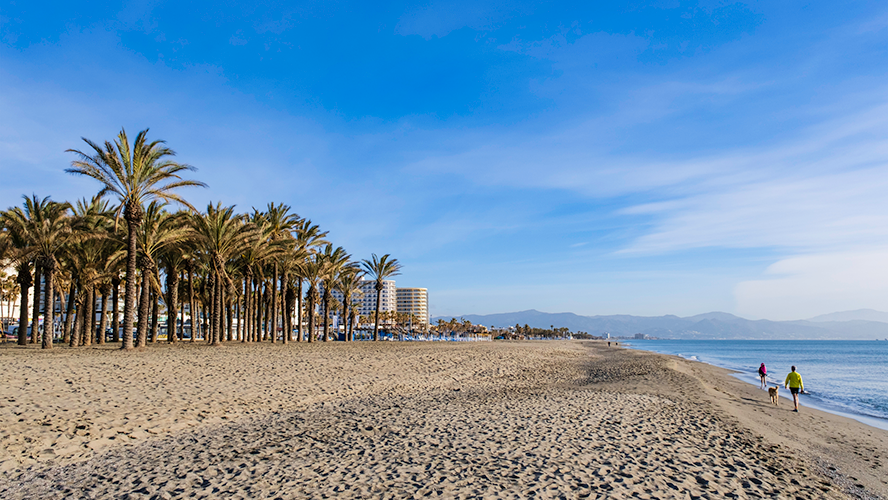
Playamar
As you head west along the sand, you’ll notice how Los Álamos Beach blends seamlessly into Playamar. Slightly over a kilometre long and around 50 metres wide, this sandy beach has been drawing huge crowds since the 1960s, when a series of 15-storey skyscrapers (referred to by locals as the ‘Playamar Towers’) were built facing the Mediterranean as part of Spain’s tourism ‘boom’. This beach is easy to access, conveniently located close to the town centre, and is usually fairly busy.
Playamar boasts a plethora of bars, restaurants, hotels and other services. Whether you fancy playing beach volleyball, taking a jet ski out for a spin or taking your kids or younger siblings out on a pedal boat, Playamar offers a great mix of sports and recreational activities. Just like the aforementioned Los Álamos, it also boasts a thriving nightlife scene. Two of its most popular late-night venues are Maná and Goltier.
El Bajondillo Beach
West of Playamar lies El Bajondillo Beach, named after Torremolinos’ best-known fishing district. Just over a kilometre long and 40 metres wide, this urban beach is one of the most frequented by sunbathers and swimmers due to its central location in the beating heart of Torremolinos. At the westernmost end of El Bajondillo, you’ll find a natural rocky promontory known as El Morro.
Departing from the town centre, you can reach El Bajondillo by walking down Calle San Miguel; the famous Cuesta del Tajo, which is punctuated by handicraft and souvenir shops that are frequented by tourists and locals alike; or the Camino de la Playa. This centrally-located beach has two lifts: one which connects El Panorama Square to Los Tajillos Square, and another in the Meliá Hotel (which is only operational during the summer months).
We recommend paying homage to El Bajondillo’s long-standing fishing heritage by ordering a large portion of ‘pescaíto frito’ (fried fish). Once you’re ready to leave the beach, we recommend taking a stroll around the narrow, winding streets of the nearby fishing quarters.
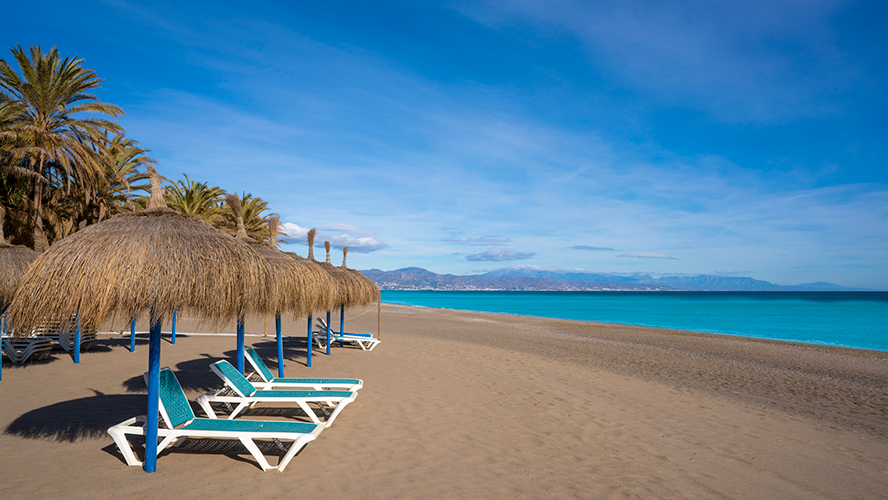
La Carihuela Beach
West of El Morro lies La Carihuela, the westernmost beach in Torremolinos. At more than two kilometres long and 40 metres wide, it’s comfortably the town’s largest beach. However, despite its size, it tends to get fairly busy in peak season. The beachfront promenade that runs alongside it is dotted with an array of shops, bars, restaurants, Andalusian-style ‘chiringuitos’ and attractive beach clubs.
The historic Hotel Pez Espada, which hosted stars of American stage and screen during the 1950s and 60s, is located here. Figures such as Grace Kelly, Ava Gardner, Orson Welles and Frank Sinatra are reported to have sunbathed and swum in the calm waters of La Carihuela.
We recommend exploring the older part of La Carihuela district and visiting the Church of Nuestra Señora del Carmen. If you happen to be in the area on 16 July, try your best to catch some of the procession and the ceremonial launching of the Virgin of Carmen into the sea.