







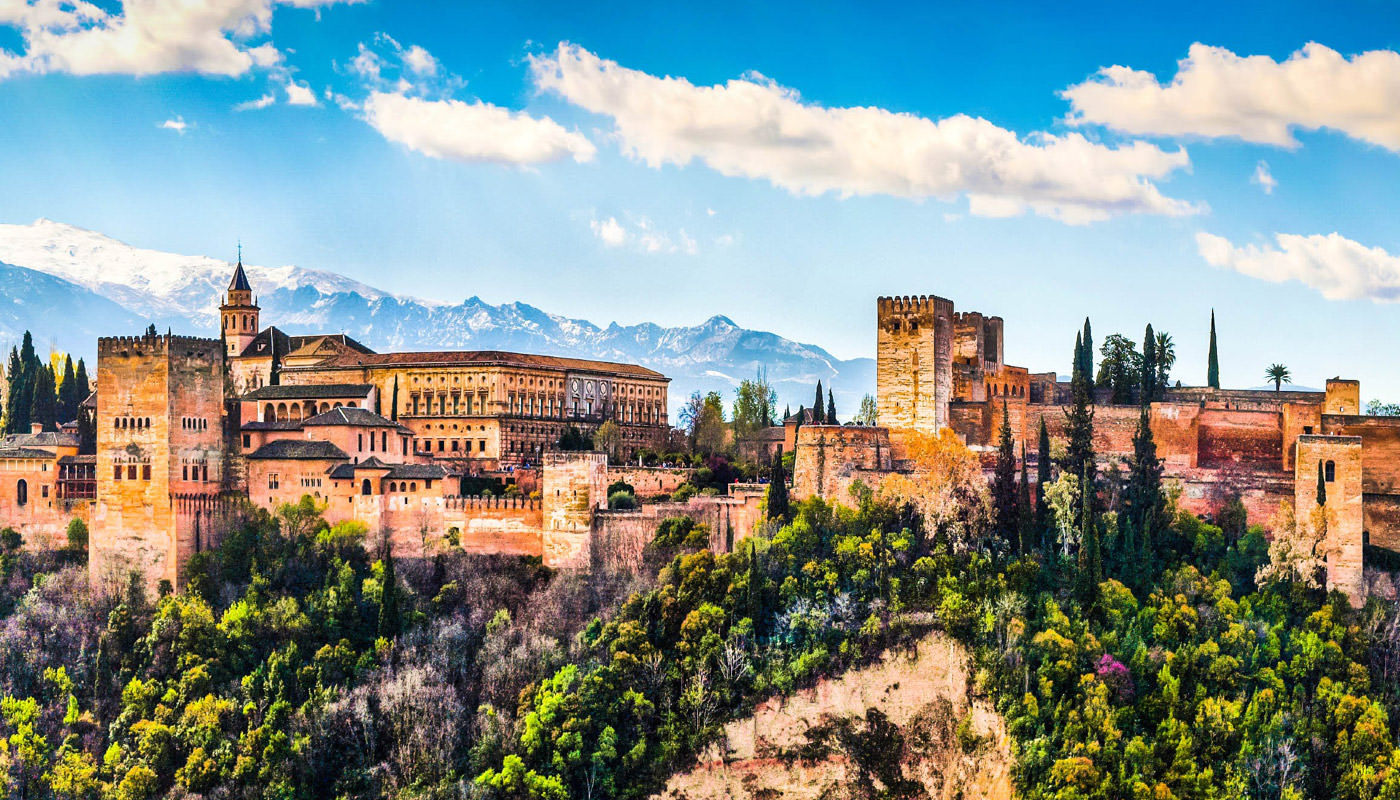

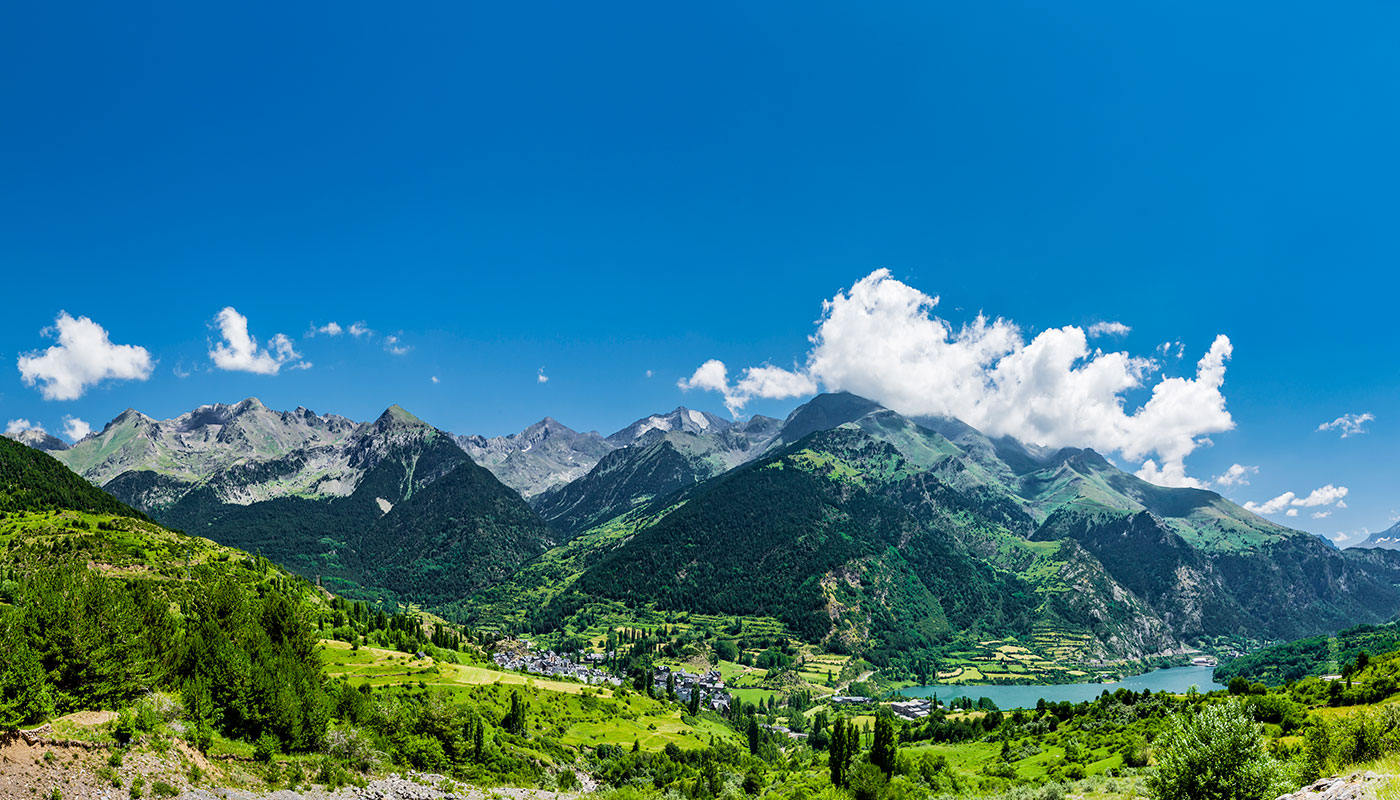
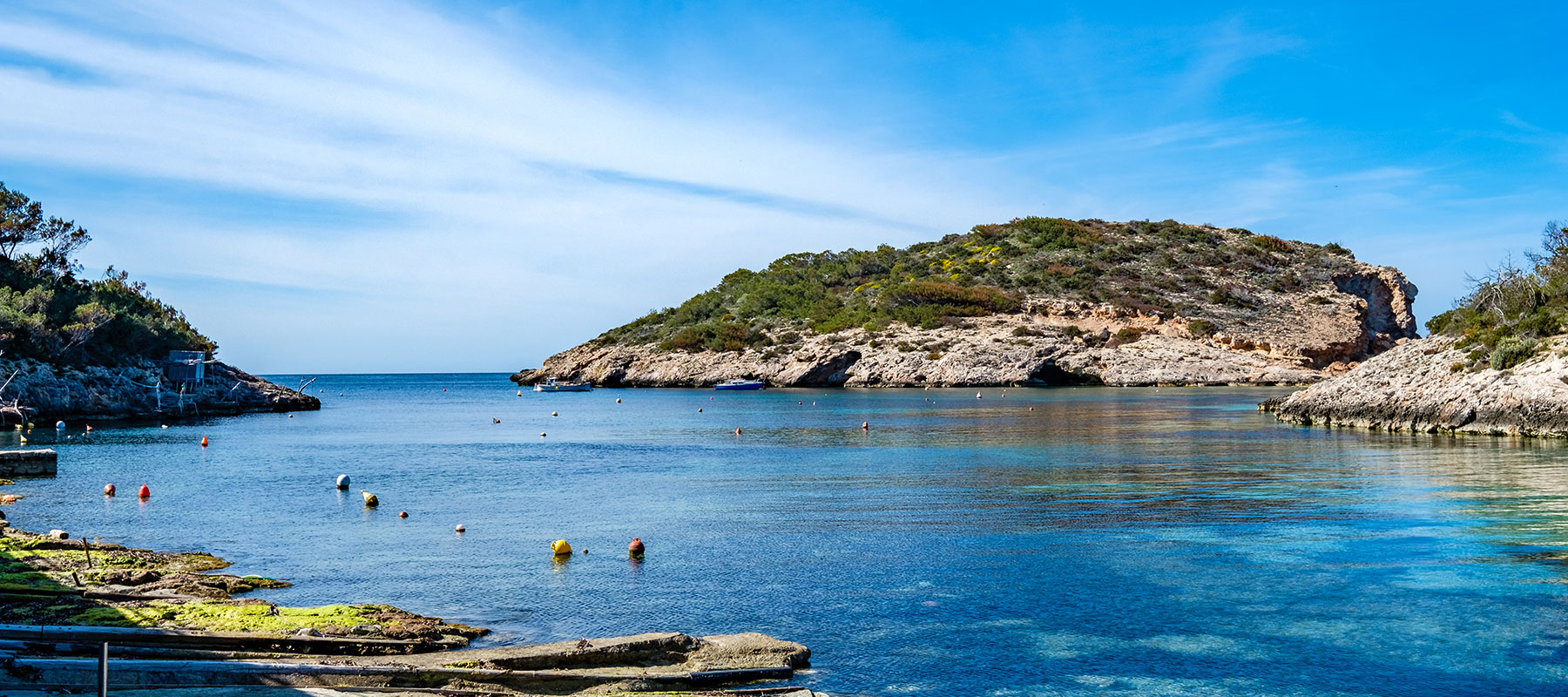
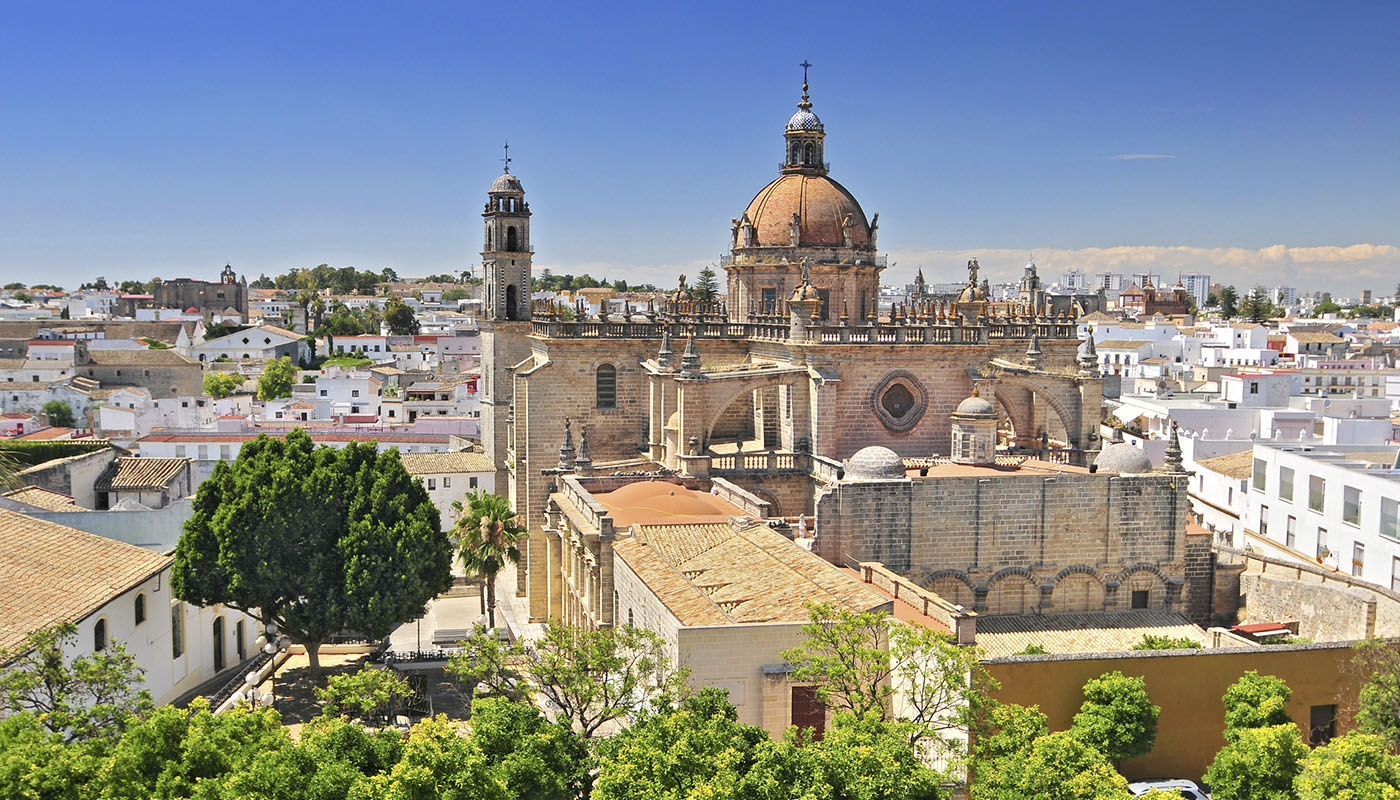
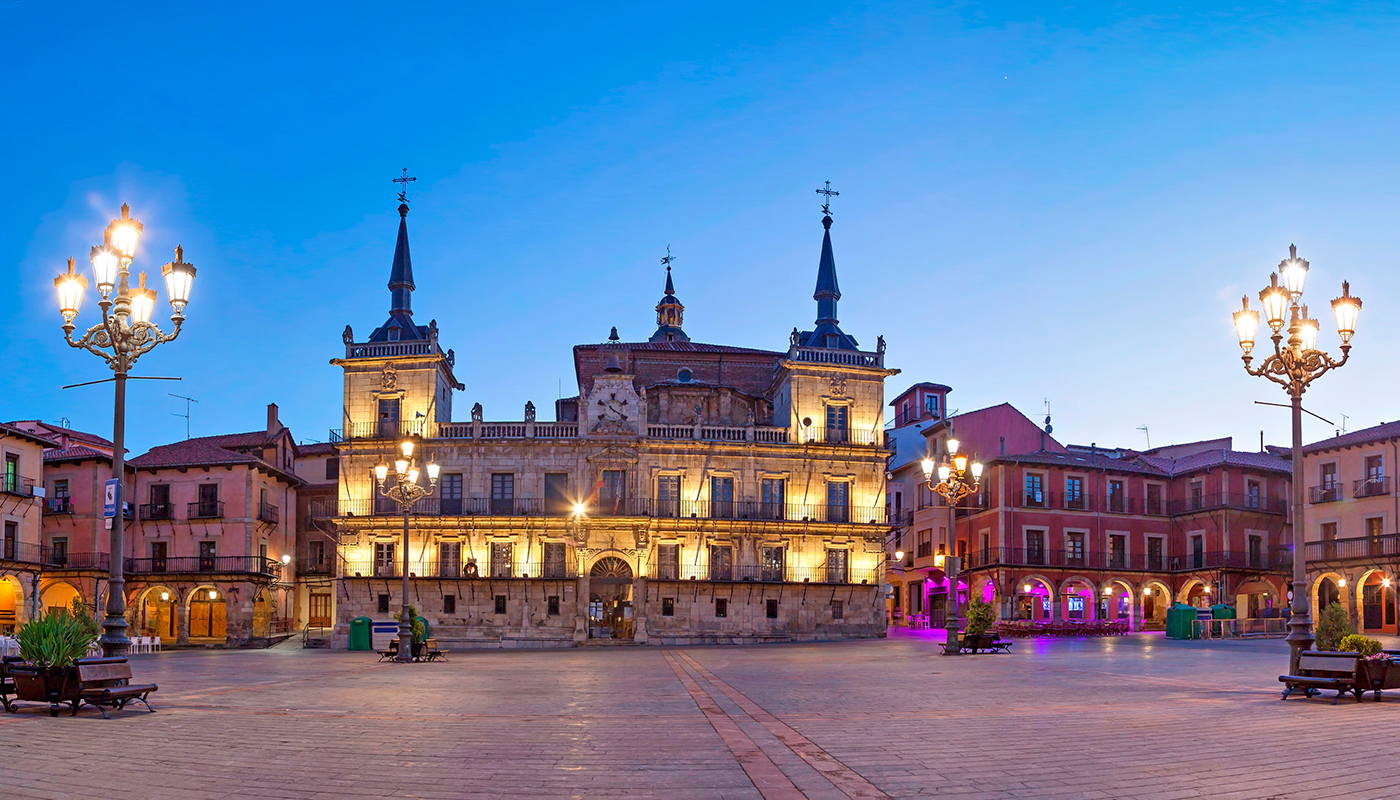
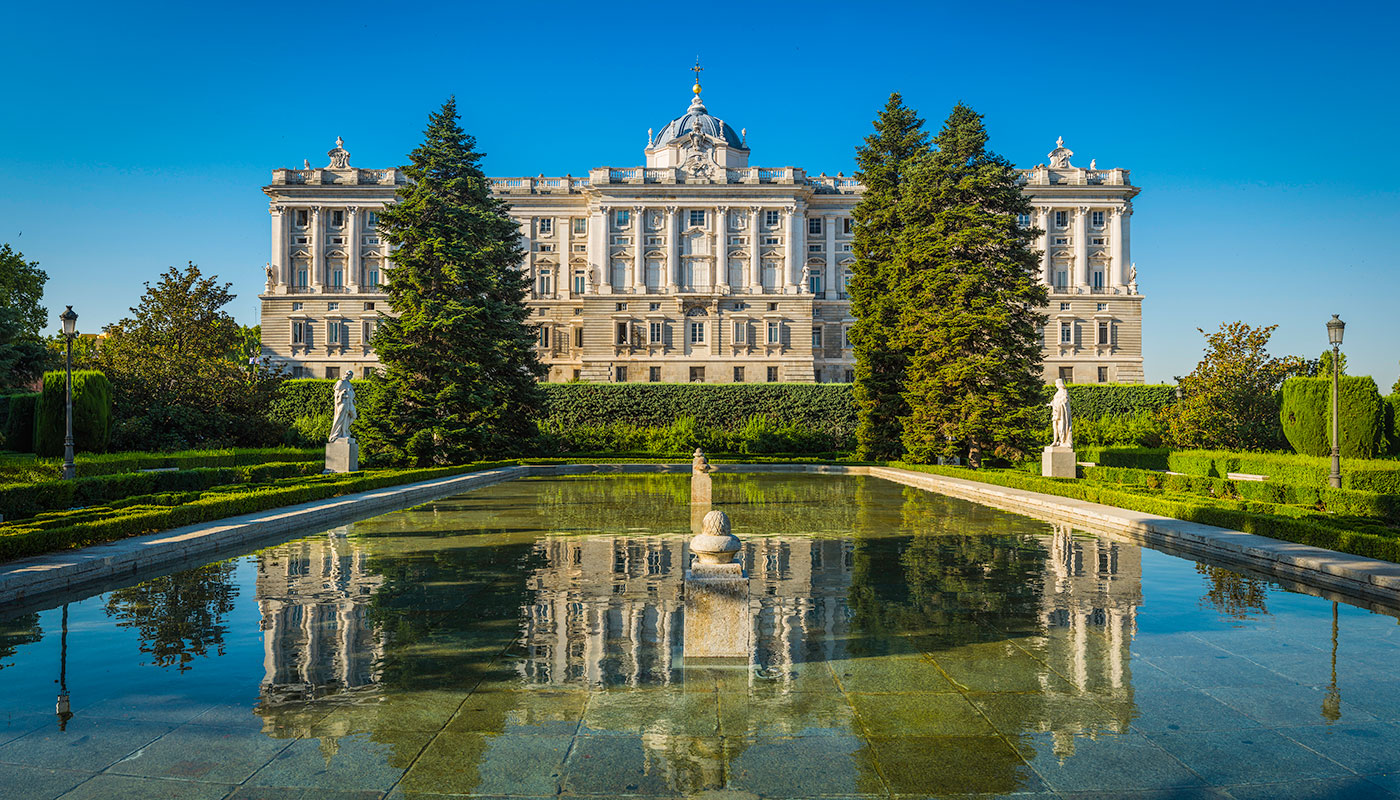


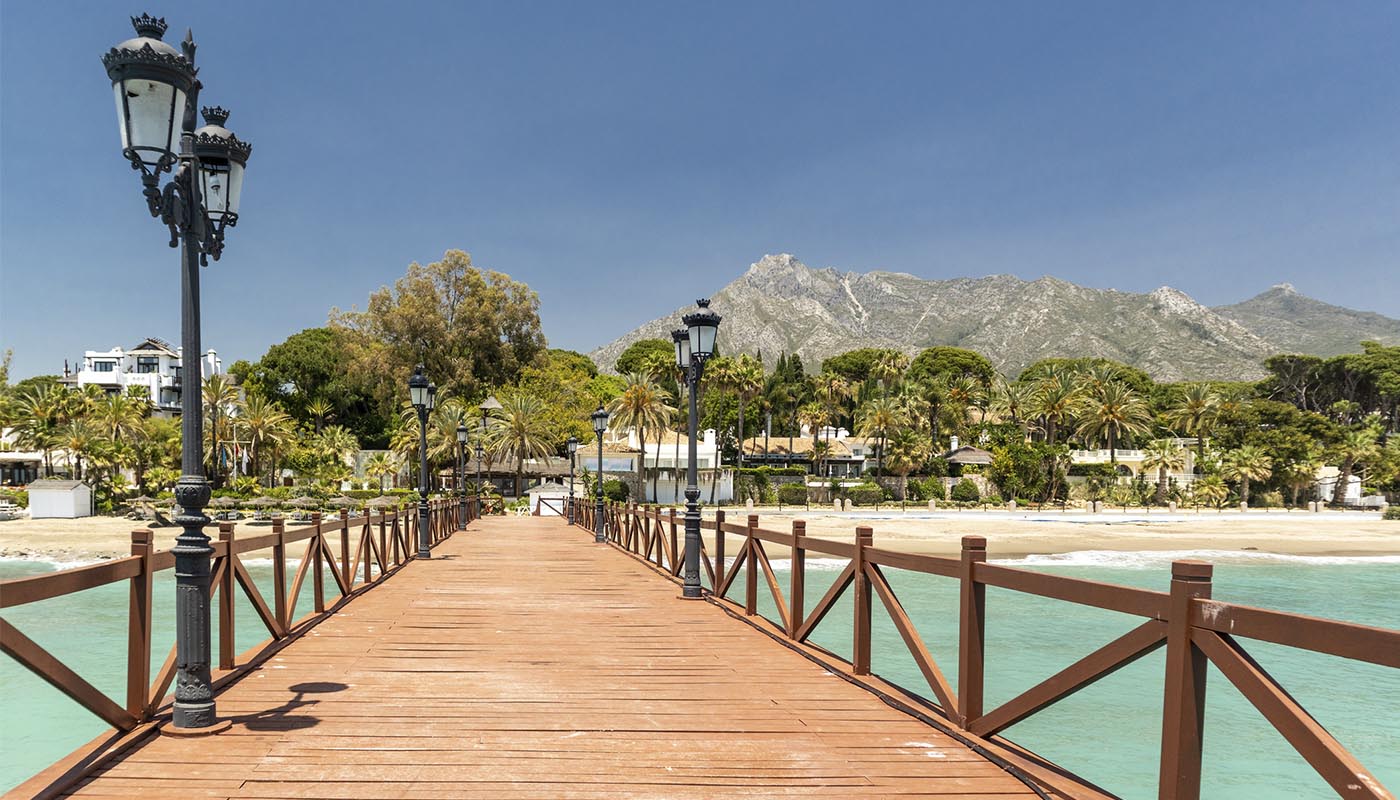
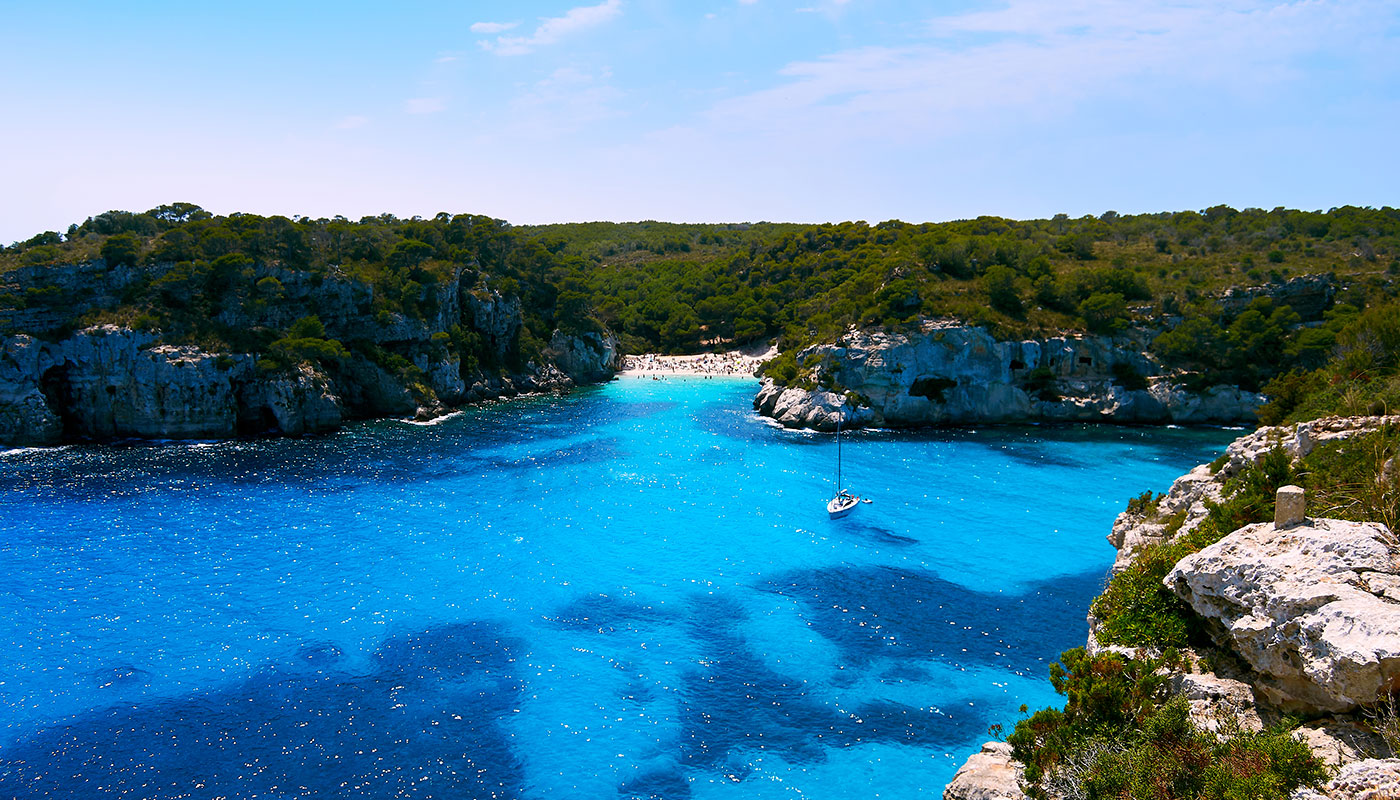
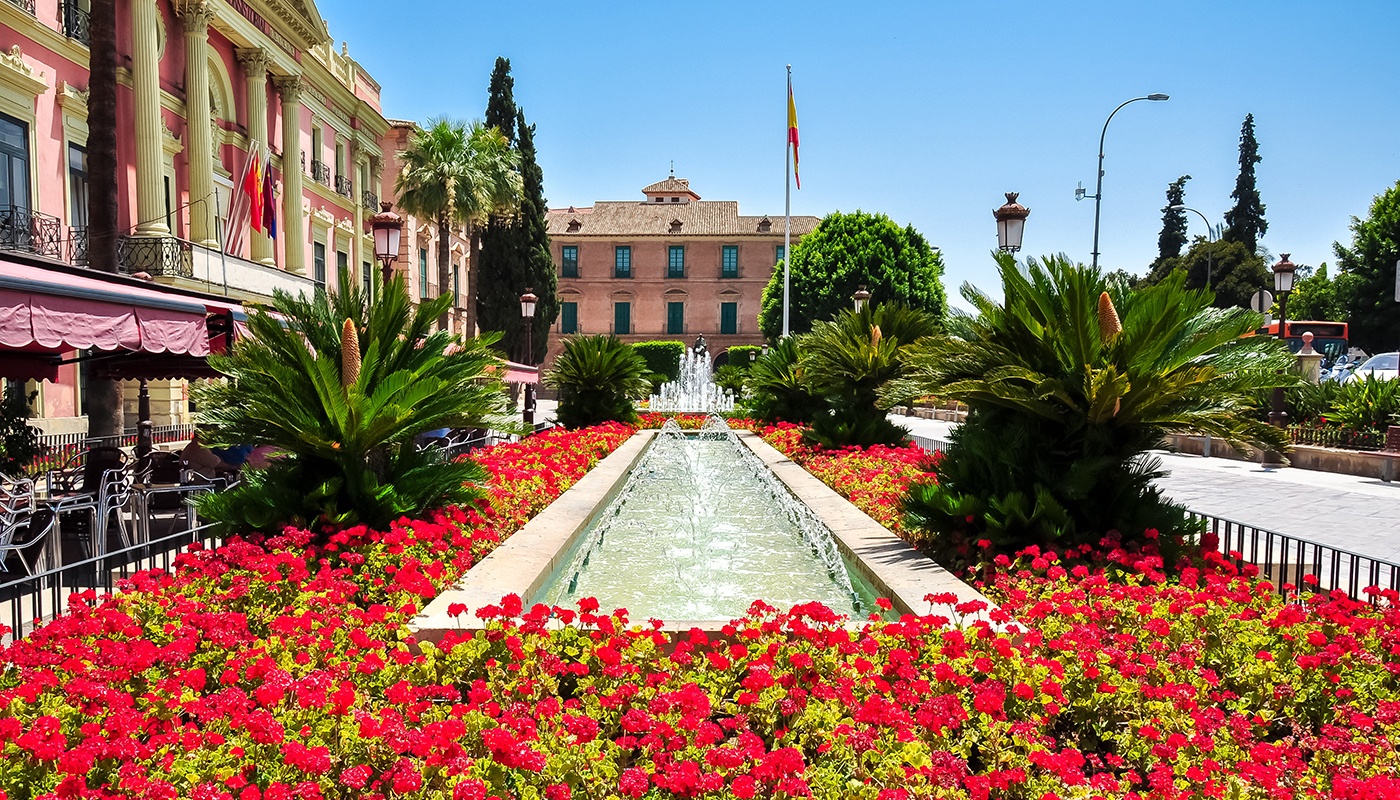
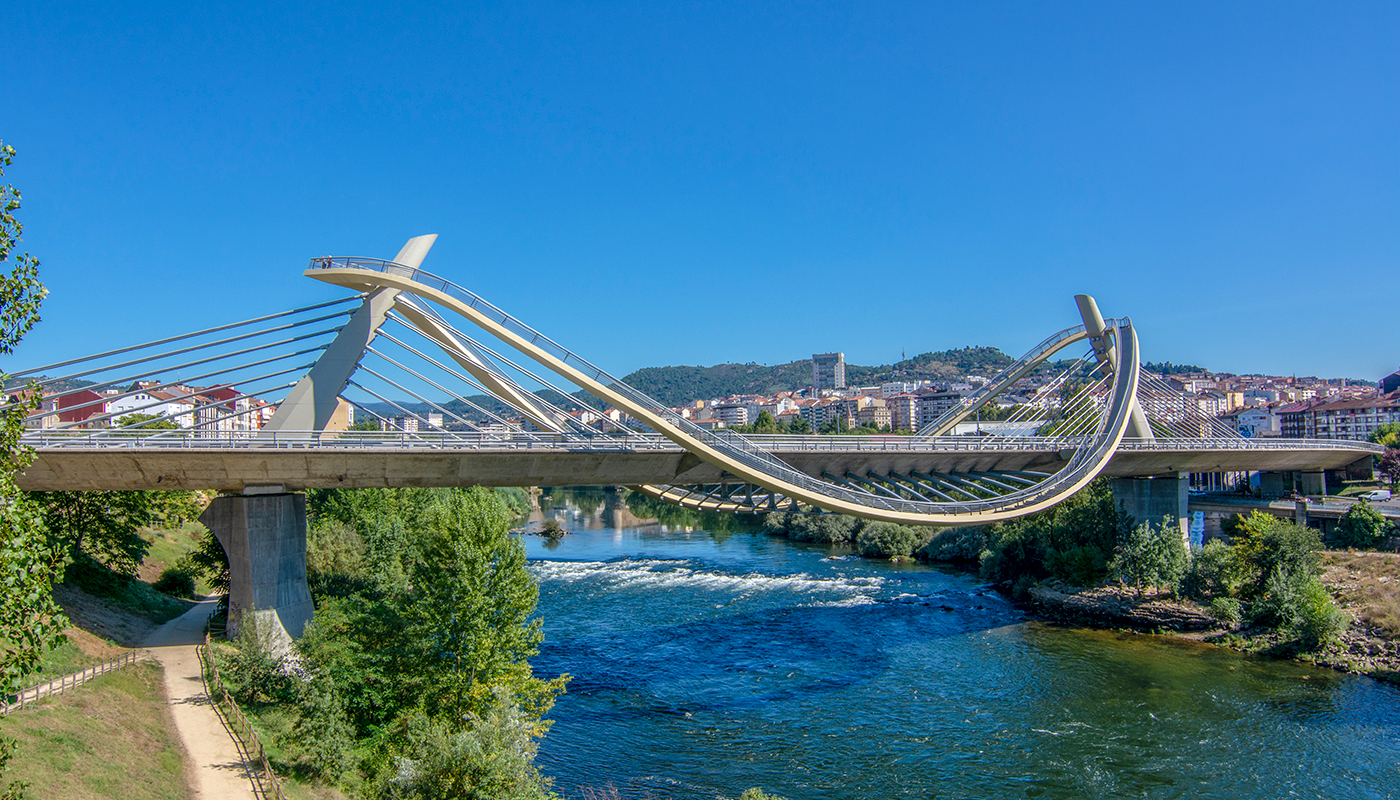
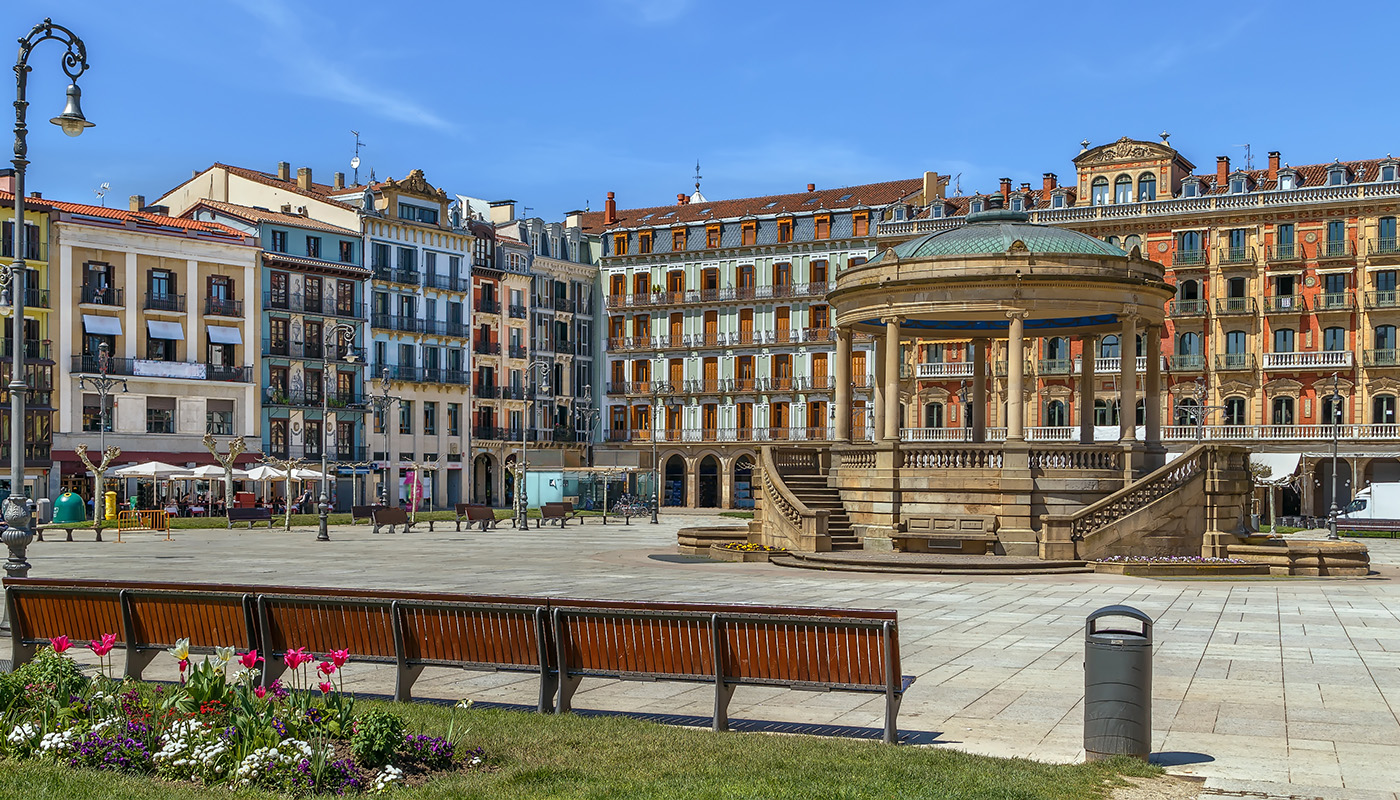
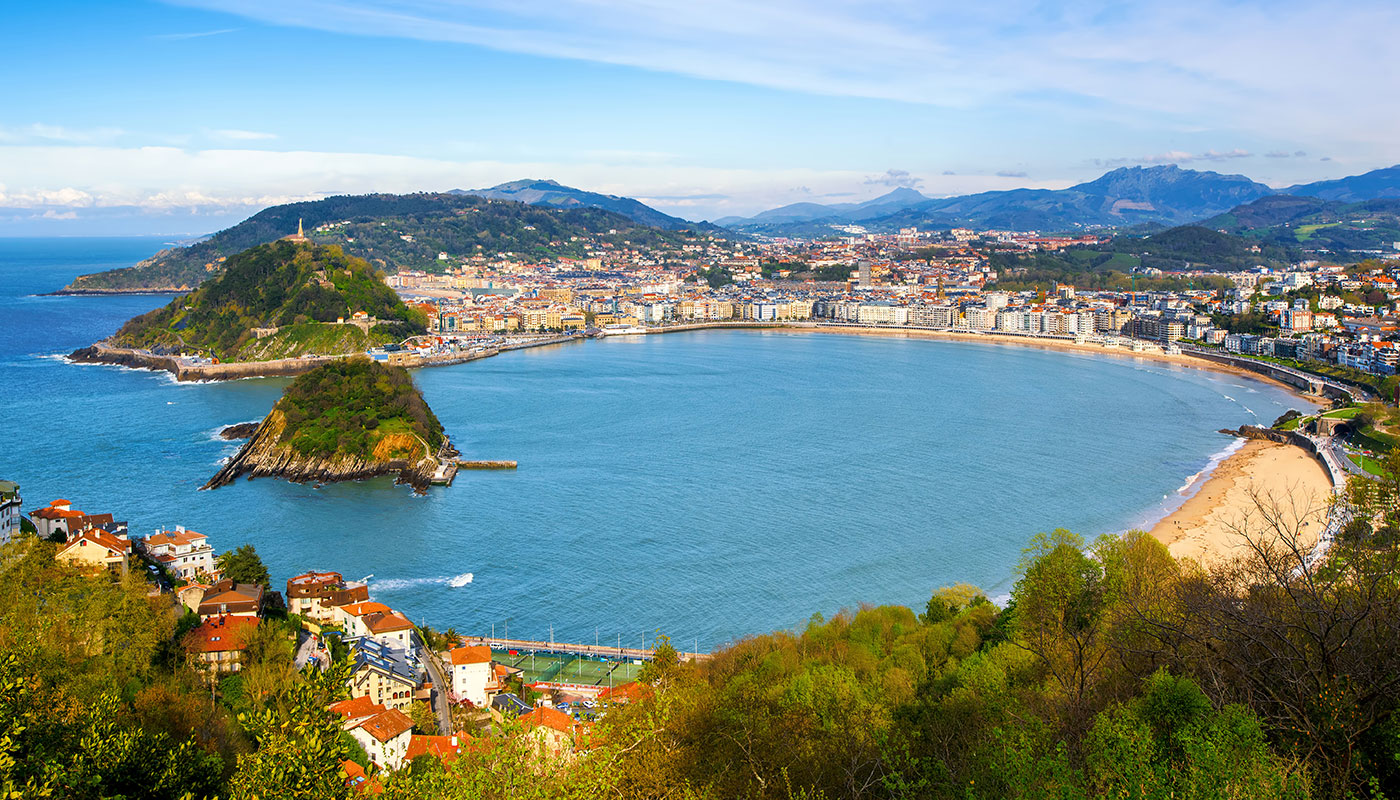
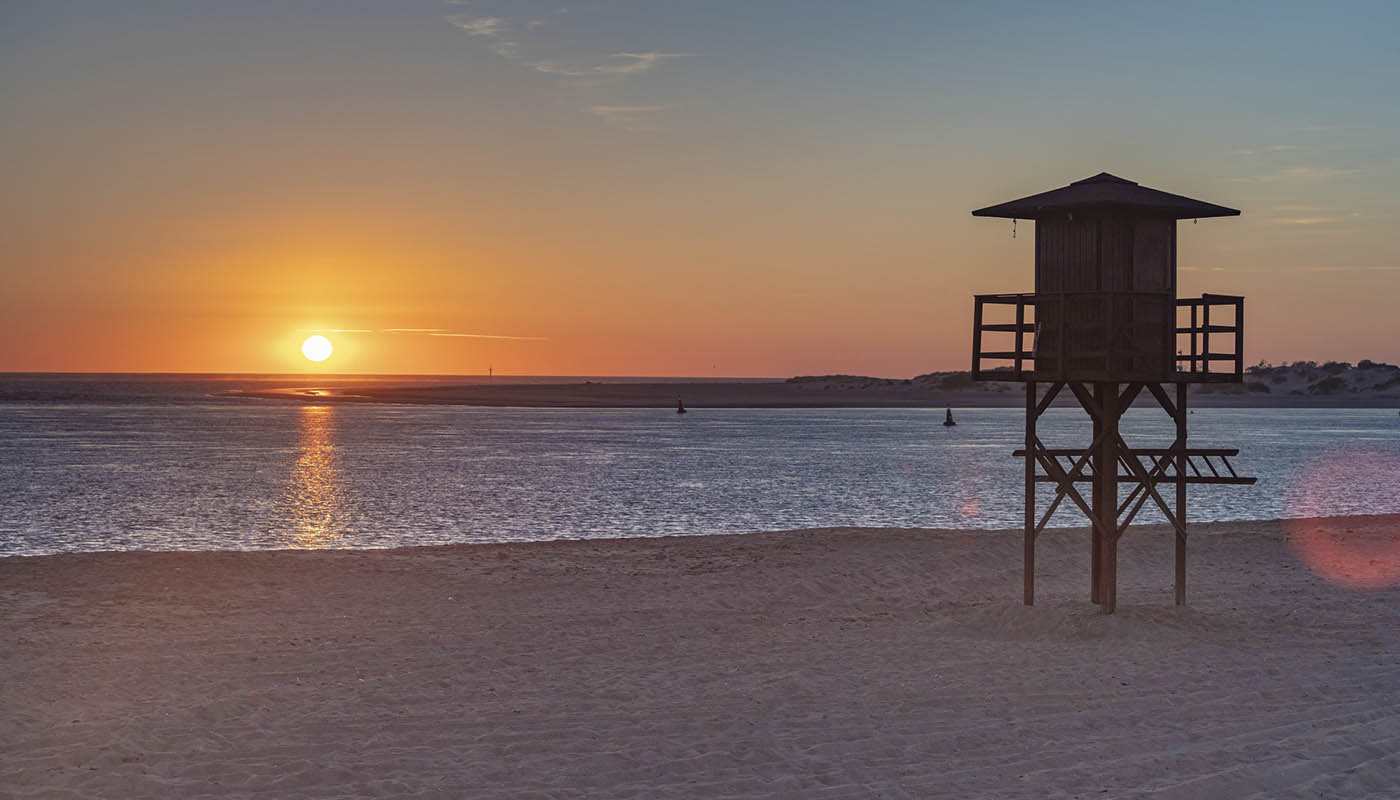
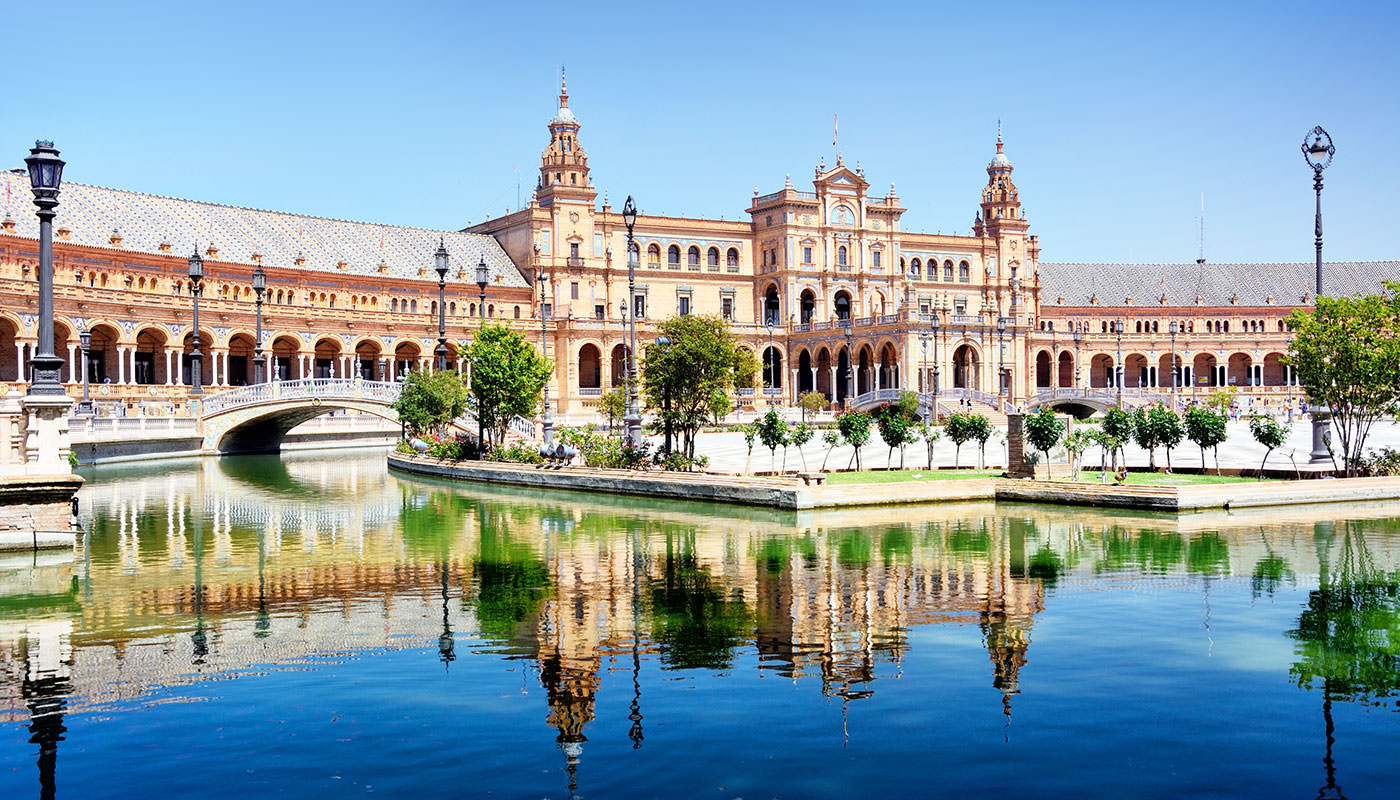
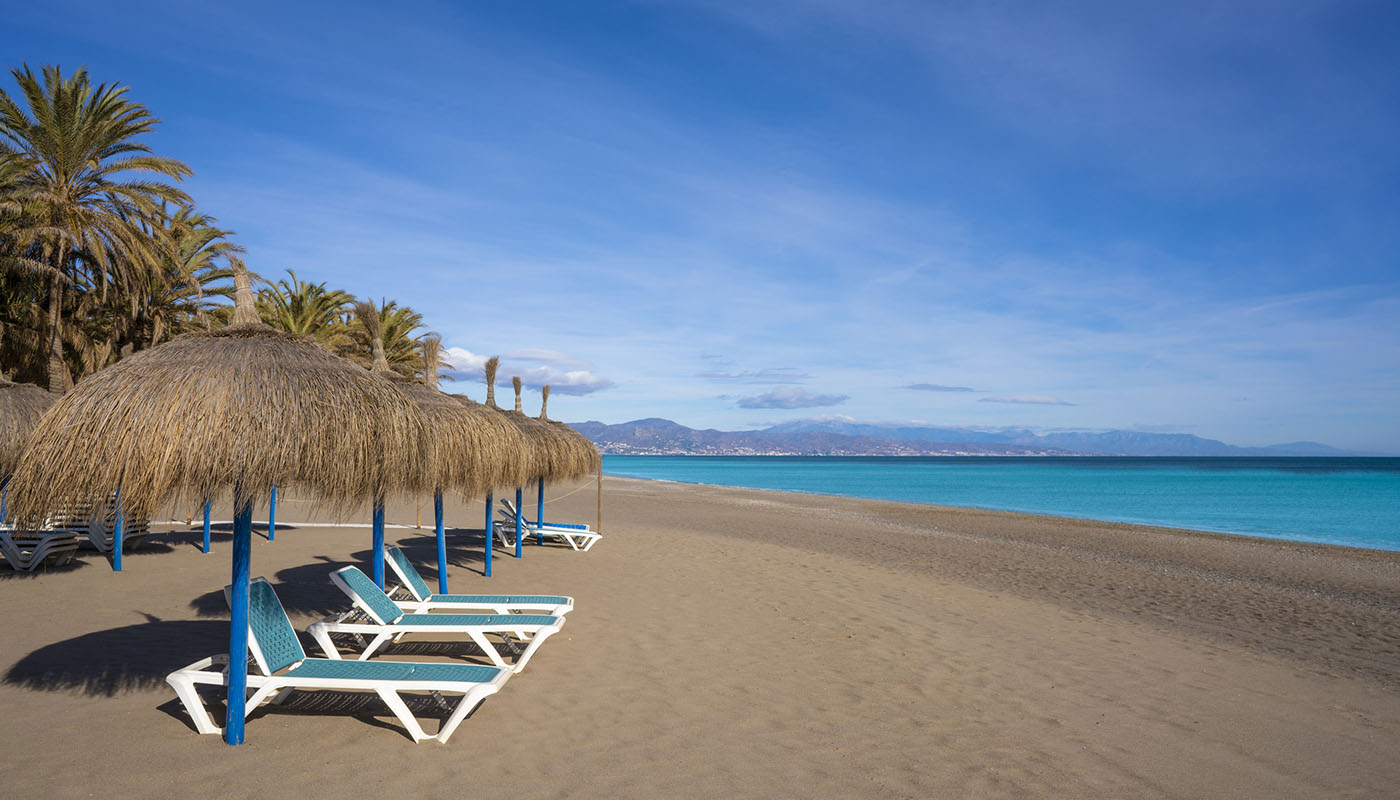
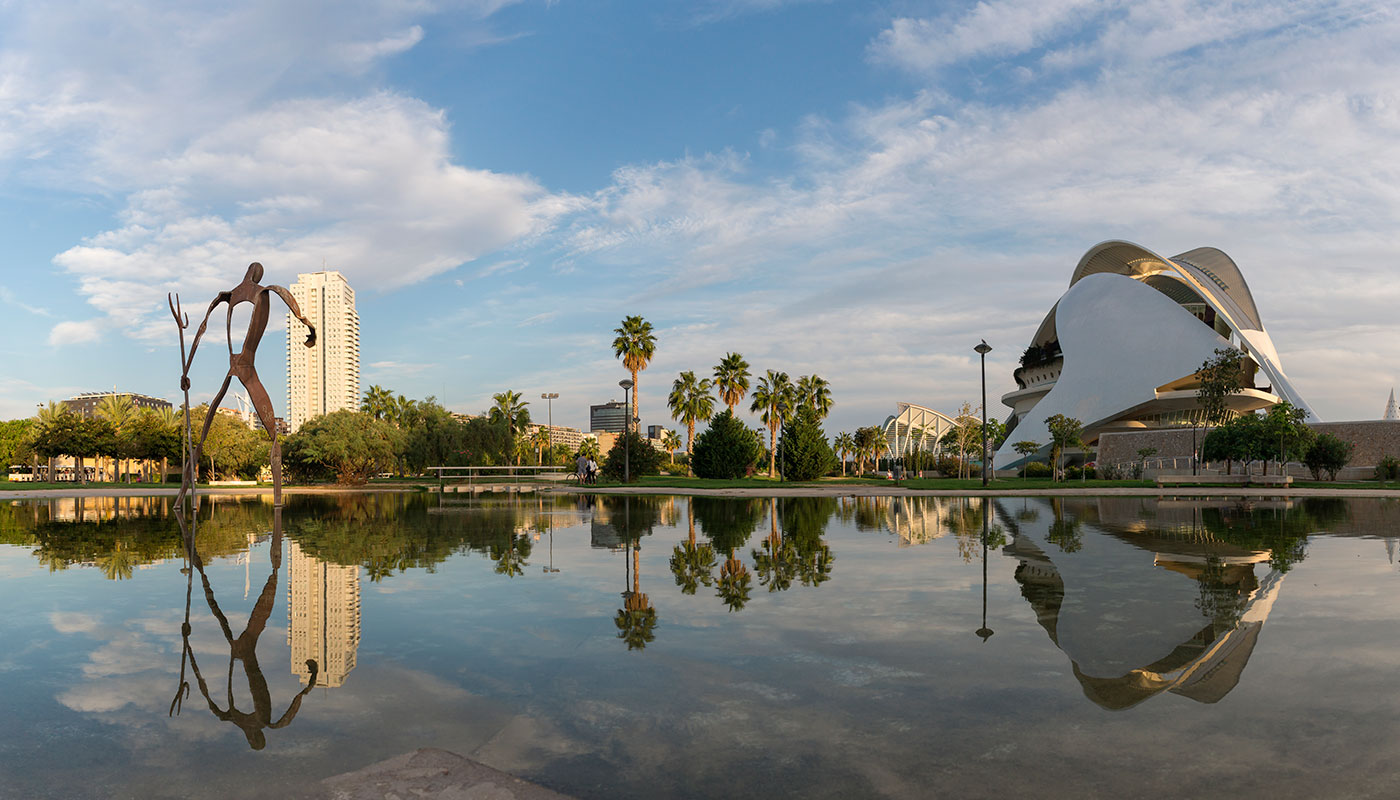
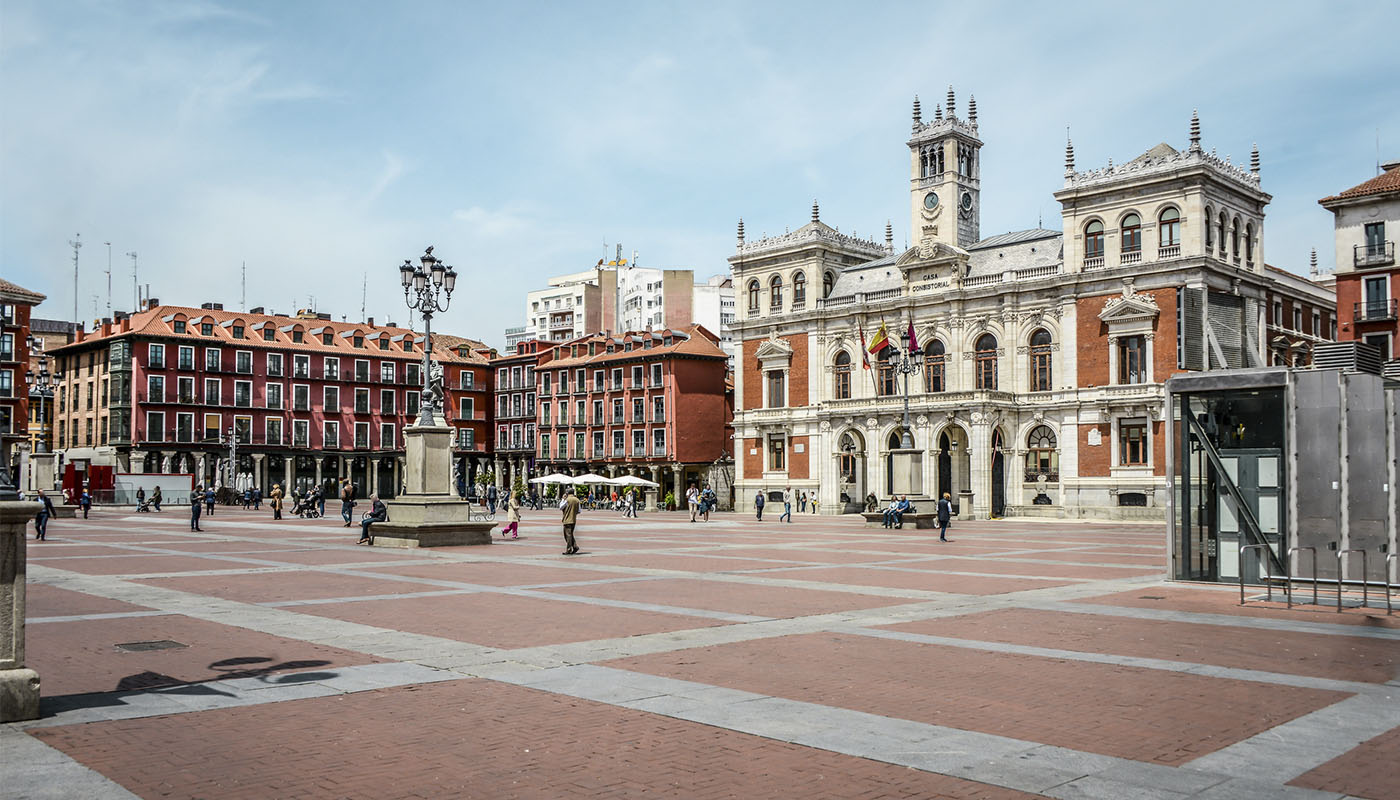
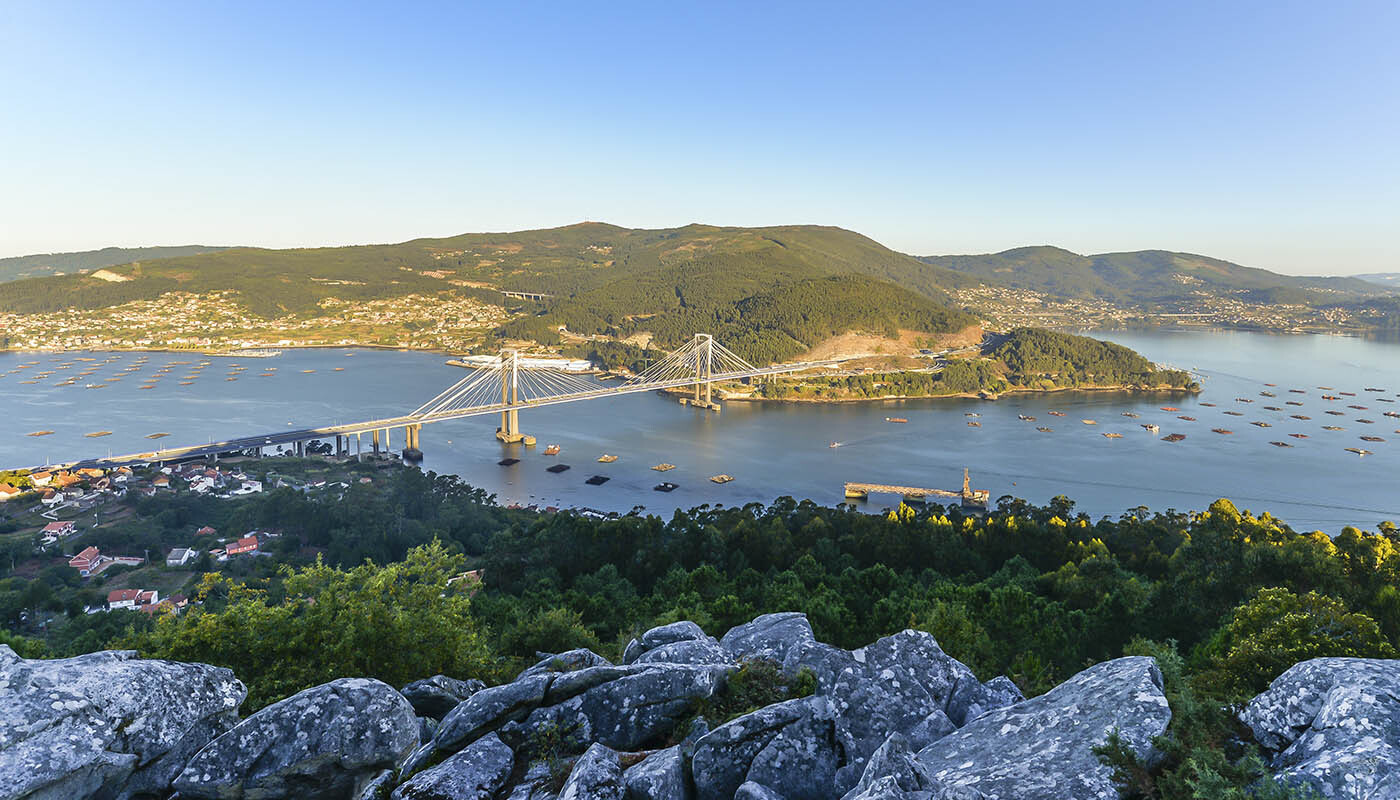
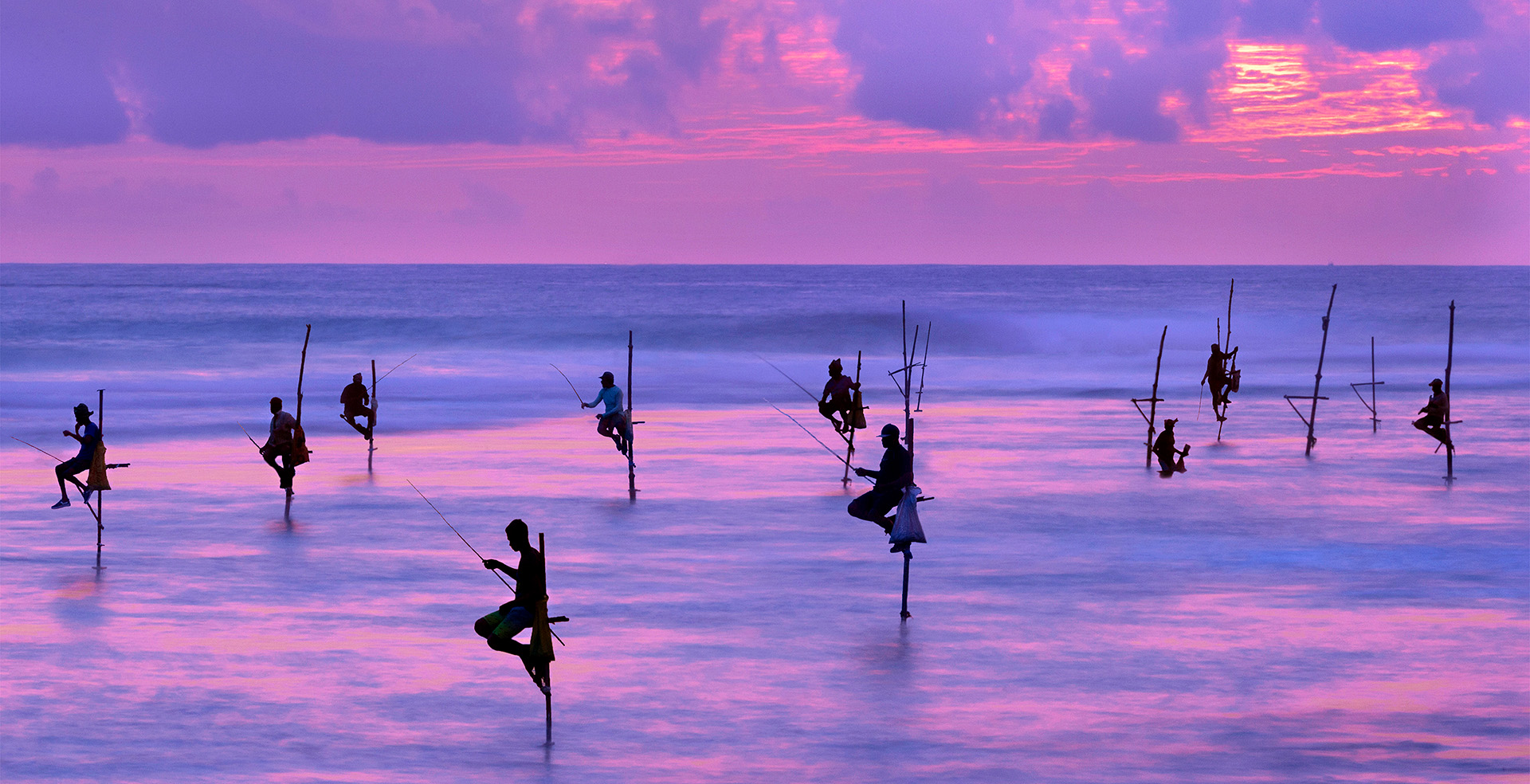

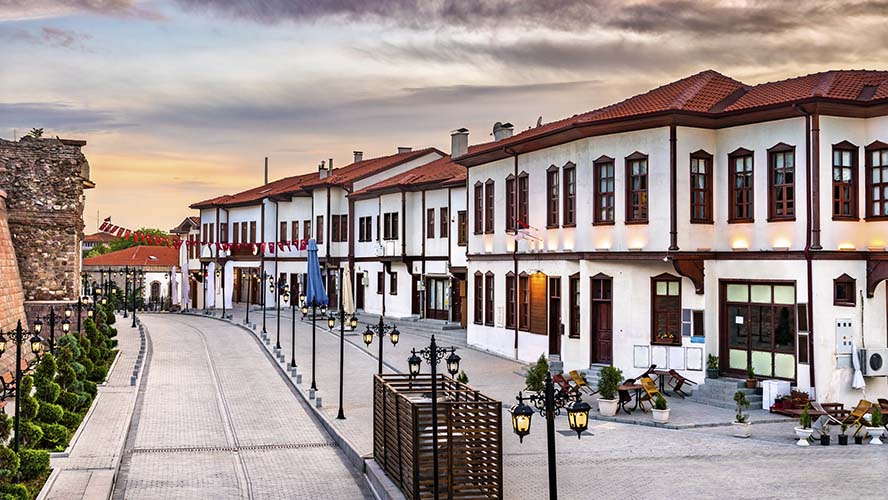

The route through the six locations closest to Jerez passes through some of the most beautiful places in Cádiz, with views as impressive as those of Vejer de la Frontera or nature as vibrant as in Sanlúcar de Barrameda, on the outskirts of the Doñana National Park. There is also the historic centre of El Puerto de Santa María and some jewels such as Arcos de la Frontera and Alcalá de Galduces.
- Vejer de la Frontera, with panoramic views of Cádiz
- Arcos de la Frontera, a white village
- Sanlúcar de Barrameda, more than just horses and manzanilla sherry
- Alcalá de los Gazules, the village of Spanish singer Alejandro Sanz
- El Puerto de Santa María, ‘the city of 100 palaces’
- Guadalcacín, the largest reservoir in Cádiz
Vejer de la Frontera, with panoramic views of Cádiz
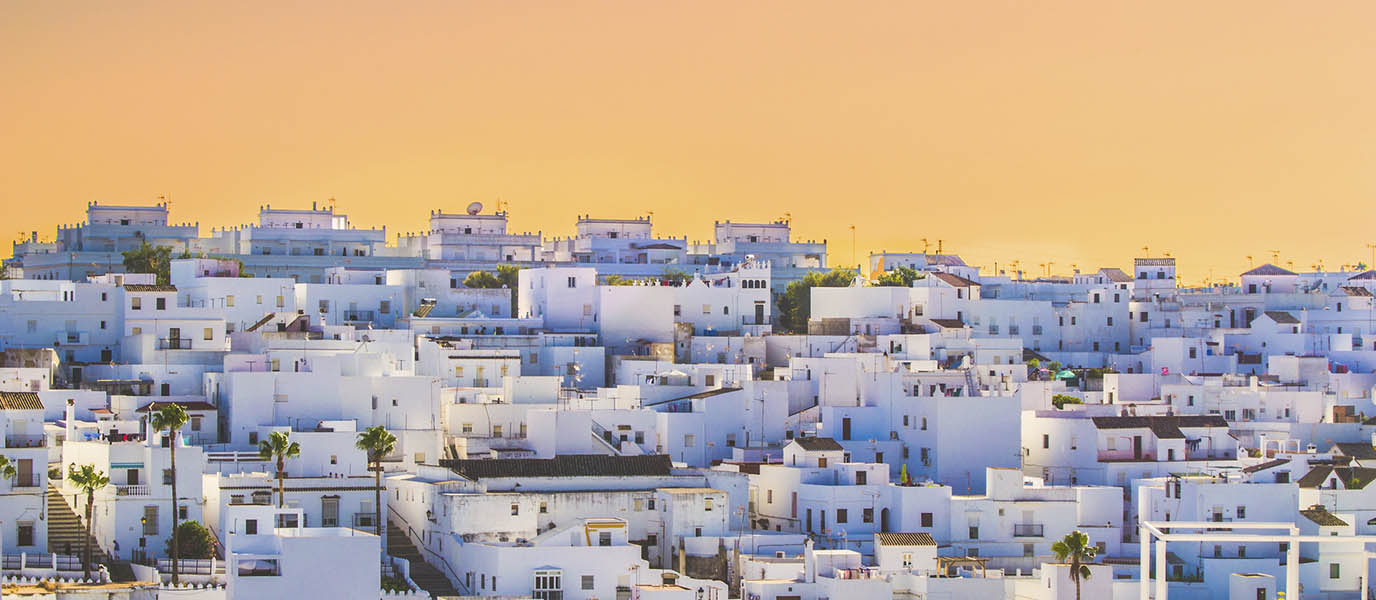
This hilltop village is one of the most beautiful in Spain. Its steep streets, full of whitewashed houses with flowers on their balconies, form a labyrinth of narrow twists and turns reminiscent of its Moorish origins, creating some of the most spectacular viewpoints in the area.
The best way to see everything is to stroll through its cobbled streets to reach the 11th century Vejer Castle, which can be visited in part. The highlight is to go up to its terrace for a breathtaking view of the Cádiz countryside and coast. There is also the Church of the Divine Saviour, which was built on the site of a former mosque and blends the Gothic style with the previous Moorish Revival style.
As you walk along the walls, you will cross some of the main gates such as the Arco de las Monjas (Arch of the Nuns), which leads to the Jewish quarter, and the Arco de la Villa (Arch of the Old Town).
One of the most photographed spots in Vejer is the La Cobijada viewpoint where, in addition to the views, you can see the sculpture of a woman dressed in the typical Vejer costume, which is a thick cloak to protect from the cold and air at high altitude in which only one eye is left uncovered.
Arcos de la Frontera, a white village
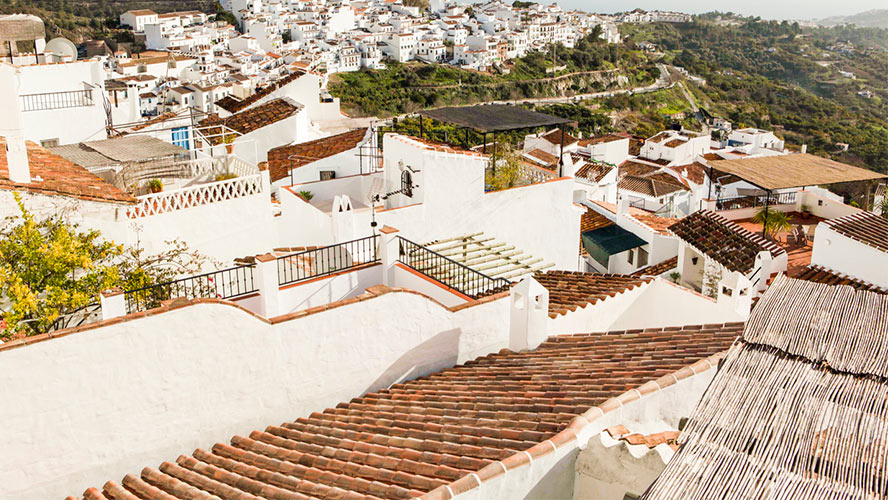
It is one of the most beautiful white villages in the province due to its architecture and layout. It is located on a cliff overlooking the river Guadalete, so the views from its medieval layout are breathtaking. The best way to visit it is to go through Matrera Gate, the only remaining original entrance to the old walled enclosure, until you reach the Plaza del Cabildo, where you will find the Minor Basilica of Saint Mary of the Assumption, built over a former mosque and now a Gothic-Baroque temple, the Ducal Castle, the Town Hall and one of the most famous viewpoints in Arcos called Peña Nueva.
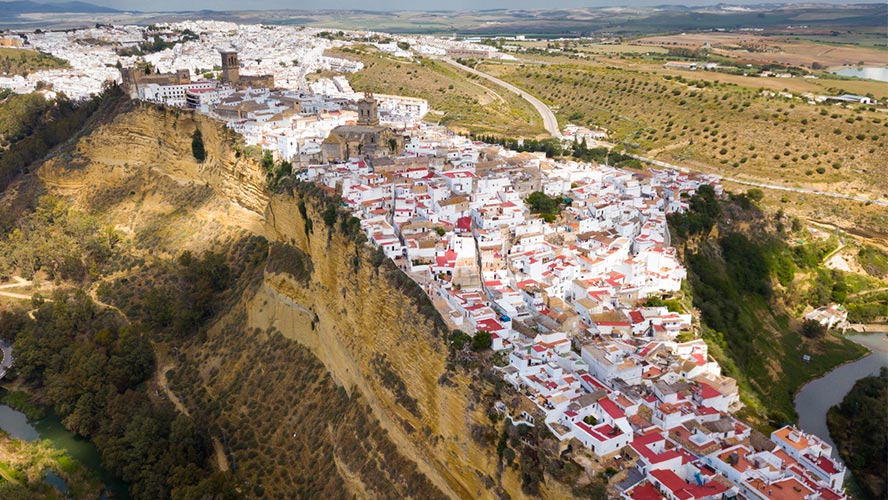
You can also go to the Abades viewpoint, from where you can see the river and the surrounding plains, and visit Saint Peter’s Church, which was built in the 16th century on top of a Muslim fortress, and whose Baroque tower stands out.
Sanlúcar de Barrameda, more than just horses and manzanilla sherry
The highlights in Sanlúcar de Barrameda are its proximity to the Doñana National Park, its manzanilla sherry and its horses. That is why, as well as visiting the upper quarter, which is the historic part of the town where the old stately homes and the most popular churches are found among the cobbled streets, you should go down to the beaches of La Calzada and Las Piletas, where the traditional horse races are held in August, a unique festival that has been held since 1845.
Another must is to visit the wineries, where you can learn how manzanilla sherry, Sanlúcar’s famous drink, is made, and even carry out a tasting session if you go on a guided tour.
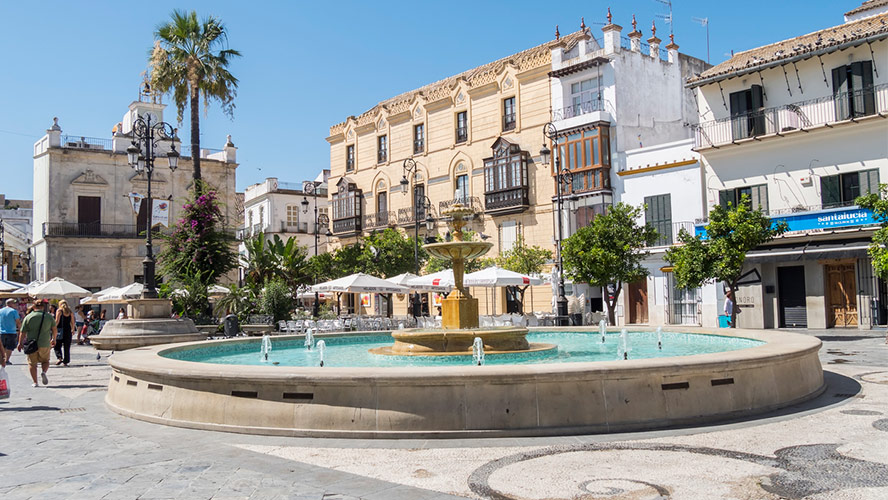
Other must-see monuments are the Palace of the Dukes of Medina Sidonia, in Renaissance style and with an impressive garden; Santiago Castle, which leads to the ducal palace through a passageway; the famous Covachas, which are Gothic arcades that housed the old fish market; and the Basilica of Our Lady of Charity, the patron saint of Sanlúcar.
Remember that, if you want to visit Doñana from there, you can only do so through the river, so you have to book a boat trip.
Alcalá de los Gazules, the village of Spanish singer Alejandro Sanz
This white village with steep streets and stately houses is one of the quietest on the route since it is the entrance to the Alcornocales Nature Reserve, a unique setting for canyoning, hiking routes such as the ascent to the Aljibe, and bird watching. One of the most popular hikes is to the Garganta del Espino gorge, which ends in an impressive natural waterfall, especially in the rainy season.
In the village, you go through the Old Village Gate, one of the original entrances remaining from the medieval fortress, and pass through the incredible 16th century Main Church of Saint George, which occupies the space where the mosque located in the Plaza Alta used to be.
In this iconic place in Alcalá de los Gazules, you will see the Chapter House, in Renaissance style, which shows what the stately homes were like, of which several still remain in this village. The best views of the area are from the top of the Keep, located on the La Coracha hill. A curiosity about Alcalá de Gazules is that it has a museum dedicated to the Spanish singer Alejandro Sanz as it is his hometown.
El Puerto de Santa María, ‘the city of 100 palaces’
The hometown of the Spanish poet Rafael Alberti has always been considered ‘the city of one hundred palaces’ because of its stately homes such as Araníbar Palace and the House of Lions. Most of those buildings are located near the Plaza del Polvorista, one of the most beautiful squares in El Puerto, and a unique place to have a glass of wine in the evening.
First you can visit San Marcos Castle, a 13th century Almohad fortress which now houses the famous Bodegas Caballero winery, and the Main Priory Church, which mixes Gothic and Baroque elements.
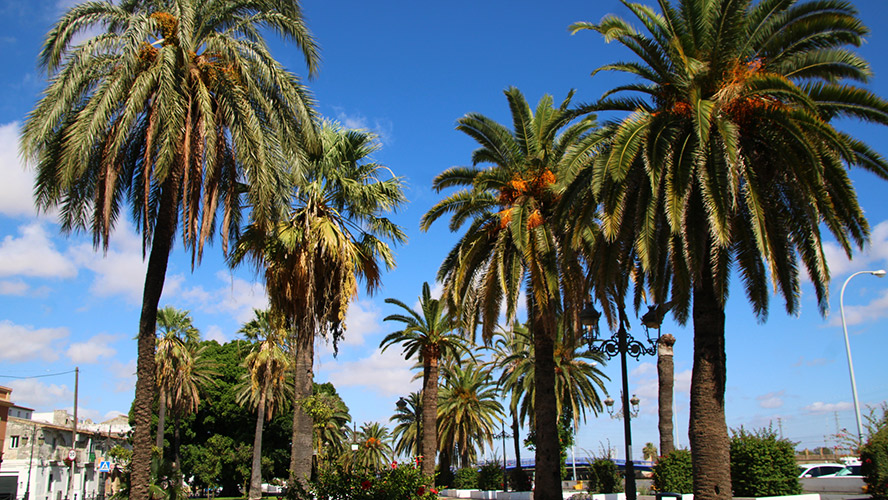
El Puerto preserves the Rafael Alberti House Museum and also has a Municipal Museum with collections of Andalusian ceramics, from the Visigoth period and pieces from the 16th and 17th centuries.
For bullfighting fans, you can see its Real Plaza bullring, one of the oldest in Spain since it was inaugurated in 1880, and you must not forget the fino sherry, the most famous wine in this area, and some of its wineries which also provide special tasting experiences.
Guadalcacín, the largest reservoir in Cádiz
This district of Jerez is one of the most beautiful natural sites in the area thanks to the Guadalcacín II reservoir, the largest in Cádiz. In its waters, you can do water activities such as rowing, recreational fishing, sailing, canoeing and even taking a dip in its artificial beach, which is a delight, especially in the summer months when the heat is at its peak.
It also has several hiking trails, some of them very demanding, and a viewpoint from the Tajo del Águila, which offers incredible views of the reservoir.