












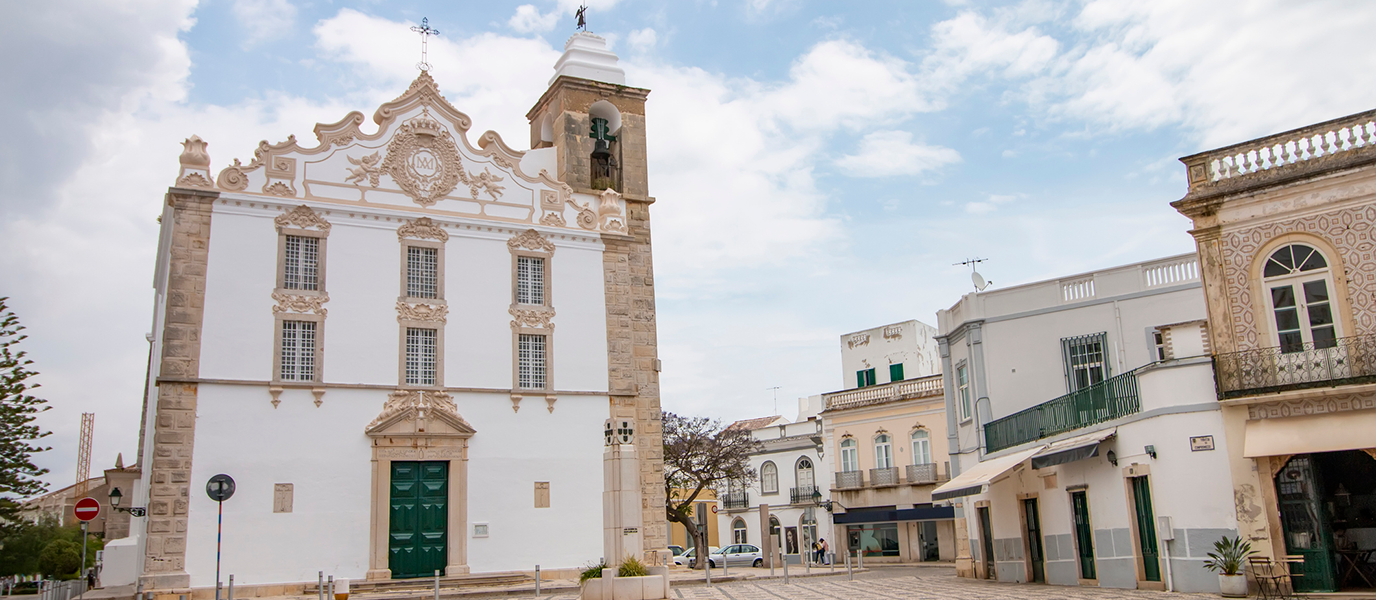
On the southern coast of the Algarve, where land unravels into waterways and sandbanks facing the Atlantic, Olhão resists the uniformity of tourism. It’s a fishing town that has not allowed itself to be erased, with limewashed and tiled cubic façades reminiscent of the routes ancient sailors used to take to the Maghreb. It smells of salt, of octopus drying in the sun and of fish freshly landed from the Ria Formosa. In its narrow, bright streets, echoes of Africa, Alentejo accents and the murmur of the tides intertwine. Olhão is no mere backdrop, but a place full of life: the local market that stirs before dawn, the ferries that set out for deserted islands, the boats that return each evening loaded with stories. This is a place to arrive without rushing, to linger over the details and let yourself be carried away by a rhythm that’s now almost impossible to find.
- History and background of the town: from fishing village to the heart of the most authentic Algarve
- What to see in Olhão: between whitewashed streets, rooftops and reflections of the estuary
- Nearby excursions from Olhão: white-sand islands and hidden paradises within reach
- Where to eat in Olhão: among nets, embers and steaming cataplanas
History and background of the town: from fishing village to the heart of the most authentic Algarve
Although Olhão’s origins likely date back to Islamic-period settlements, its history as an urban centre began to take shape in the 17th century. At the time, it was little more than a fishing village whose residents lived in wooden huts on the estuary. The growth of the port and the economic importance of tuna and sardines drove slow but steady development, aided by its proximity to Faro and access to Atlantic trade routes.
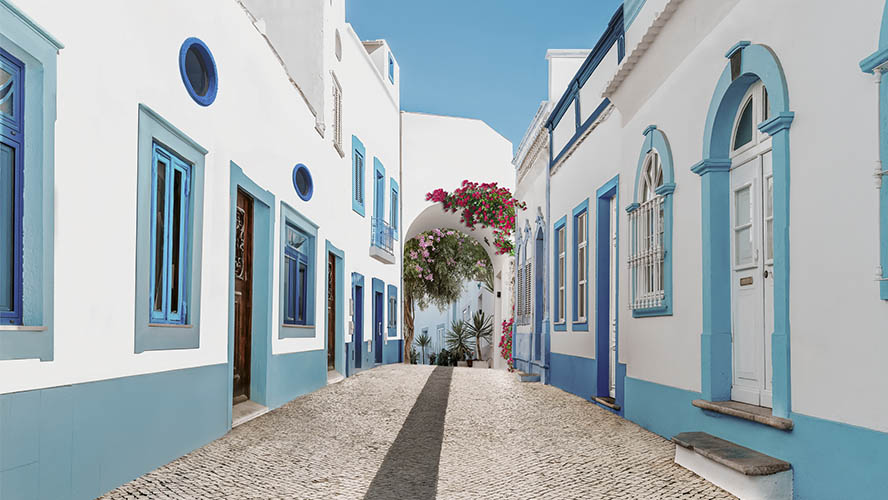
The great transformation came in the 19th century with the rise of the canning industry. Factories such as Feu Hermanos, Lusiaves and Bela Olhão carried the town’s name to distant places, printed on tin labels. At the same time, the town adopted its own architectural style: cubic houses with accessible rooftop terraces, inspired by North African models and maze-like streets that offered shelter from the heat and sea winds. It was a form of urban planning that was both functional and poetic, born of necessity and a search for its own aesthetic.
During the 20th century, Olhão experienced both glory and decline: overfishing, the closure of canneries and industrial decline affected the social fabric. However, the new millennium brought renewed interest in its authentic nature. Today, Olhão is being reborn without pretence: it retains its working-class and seafaring spirit, while attracting travellers who seek more than picture-postcard beaches.
What to see in Olhão: between whitewashed streets, rooftops and reflections of the estuary
Old town: a labyrinth where time stands still
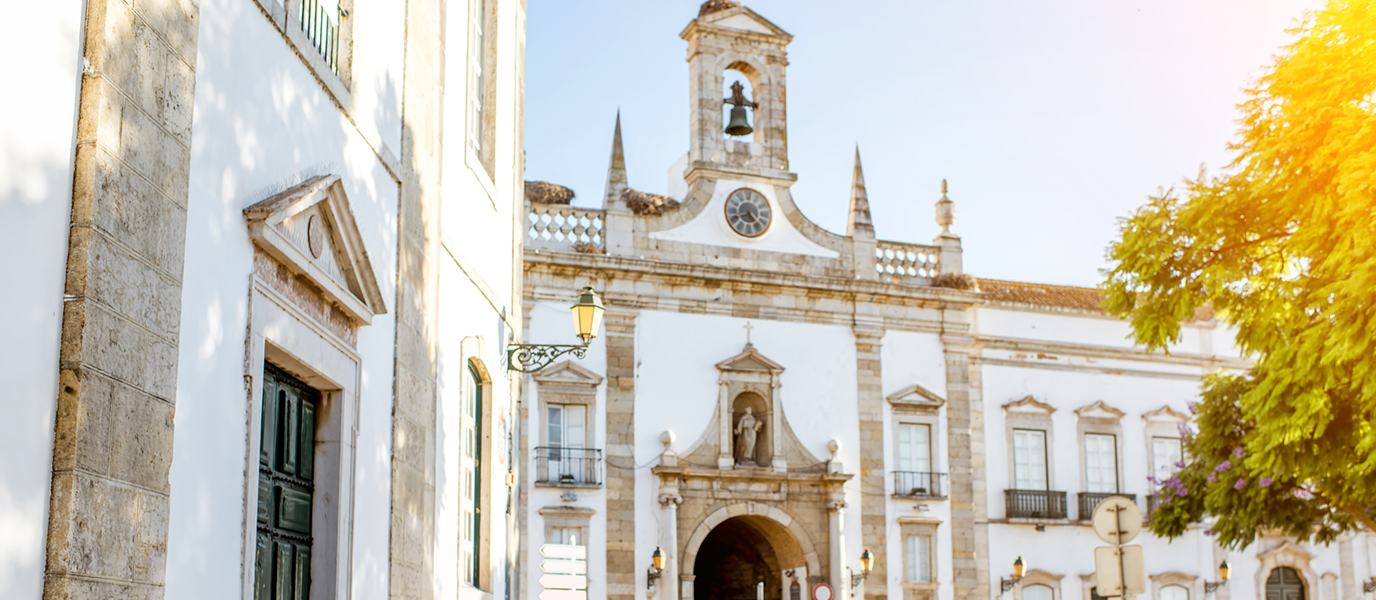
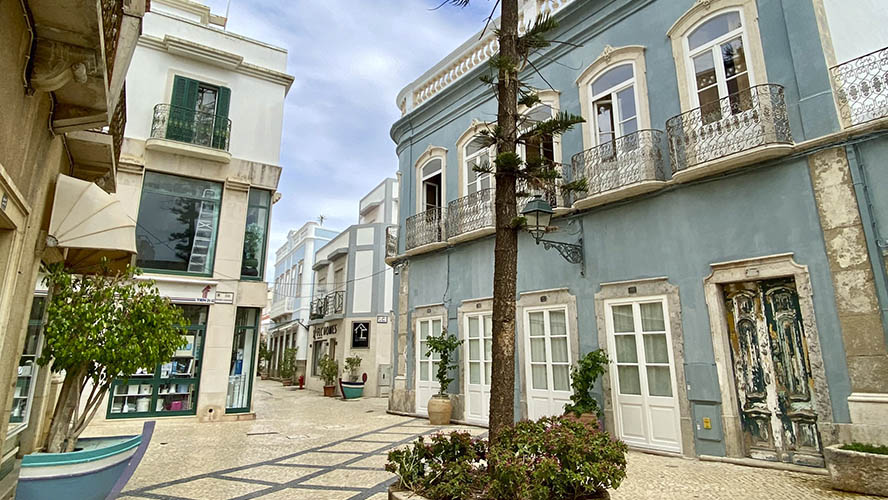
Wandering through Olhão’s old town is like entering a city on another continent. The Moorish influence is visible in the cubic façades, interior courtyards, exterior staircases leading to rooftops and the irregular geometry of its streets. There are no grand monuments or majestic squares, but there is a unified urban fabric rich in visual and emotional coherence.
The streets Rua Dr. Manuel Arriaga, Rua Vasco da Gama and Largo João da Carma are home to spice shops, old shoe shops, small bars where fado music plays and cafés with wicker chairs in the sun. Urban art murals coexist with makeshift shrines and worn wooden doors. Walking without a map is also a way to discover the essentials here.
Olhão market: the iron temple where it all begins each morning
Located beside the seafront promenade, Olhão’s municipal market is one of the most iconic in Portugal. It consists of two twin red-brick buildings with cast-iron structures, dating from 1915. In the first, meat, vegetables and produce from inland Algarve are sold. In the second, fish freshly landed from the estuary fills the counters from early morning: sea bream, cuttlefish, sole, clams, cockles and, above all, octopus, the icon of the local cuisine.
This isn’t just a place to shop: it’s also a place to chat, haggle and people watch. It’s the best setting in which to understand the daily life of Olhão and its visceral connection with the sea. Nearby, there are terraces where you can try a steaming cataplana or simply sip a coffee while watching fishermen arrive with their blue crates.
Promenade and harbour: where the city looks out over the estuary
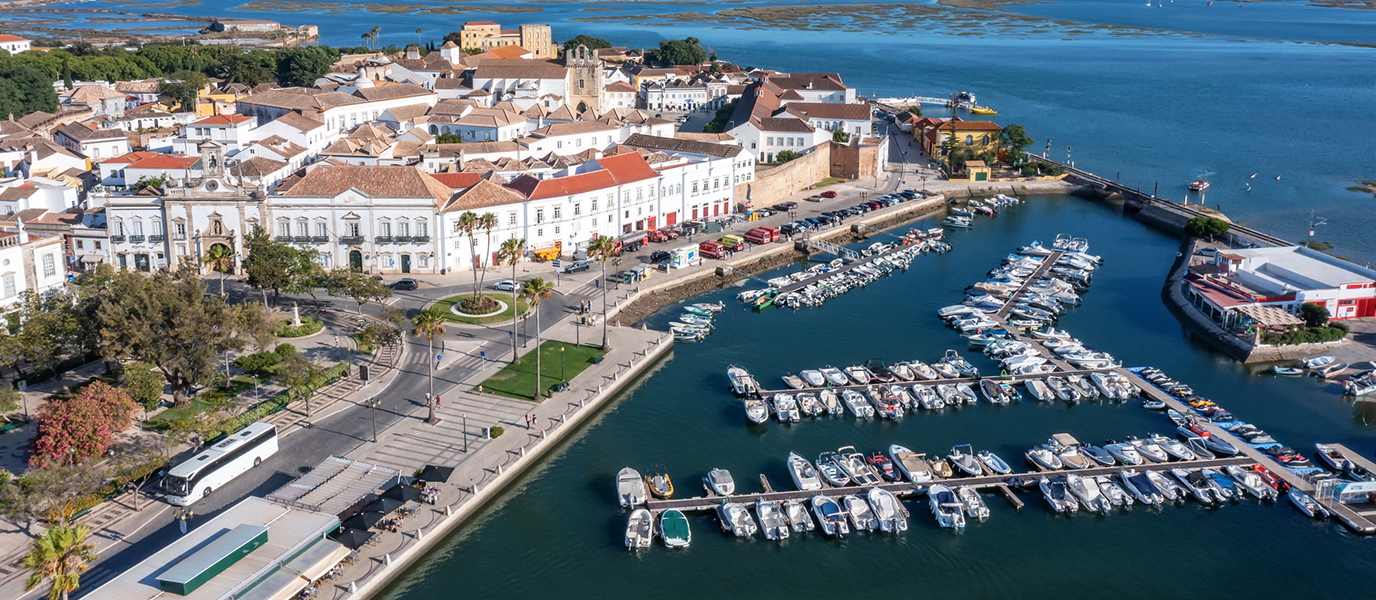
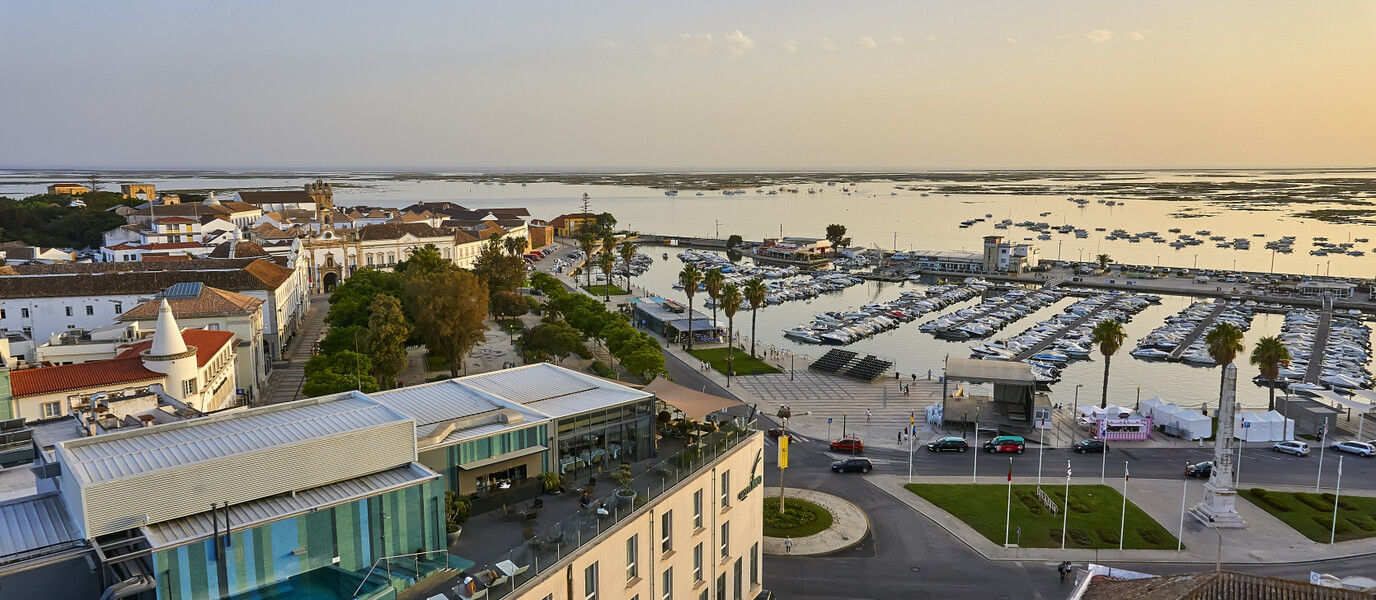
Olhão’s promenade runs along the Ria Formosa like a line between two worlds: the land of white rooftops and the ever-changing tide. Recently renovated, this space includes gardens, stone benches, contemporary sculptures and viewpoints to watch the comings and goings of boats.
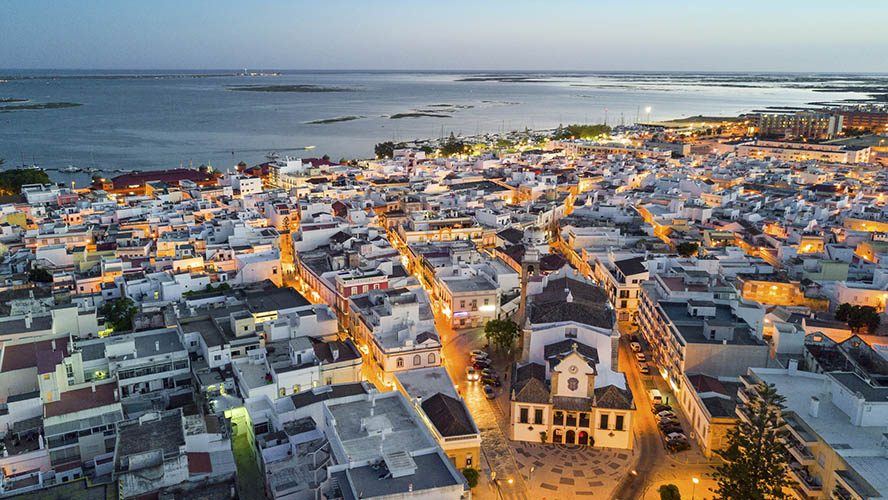
Ferries depart from here to the islands of Armona, Culatra and Farol, as well as small fishing boats offering trips through the estuary’s waterways. The marina adds a note of calm sophistication, but it still coexists with traditional boatyards and dry docks where wooden vessels are repaired by hand. At sunset, the promenade fills with families, street musicians and travellers waiting for the last ferry.
Nearby excursions from Olhão: white-sand islands and hidden paradises within reach
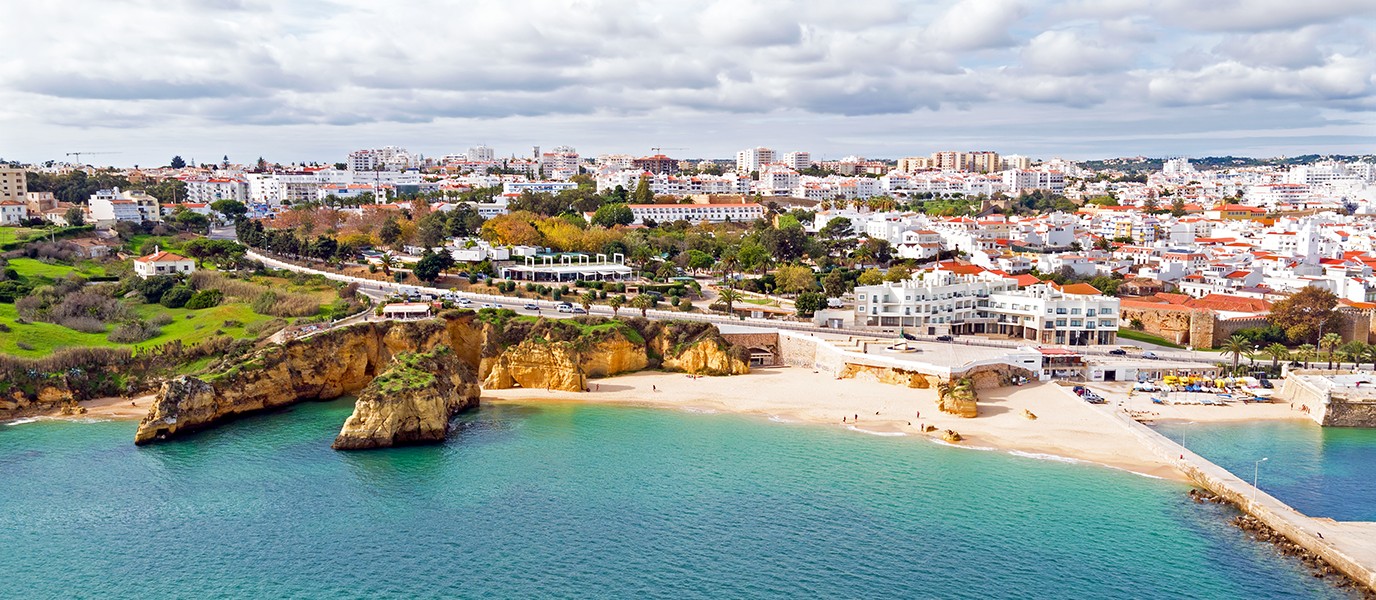
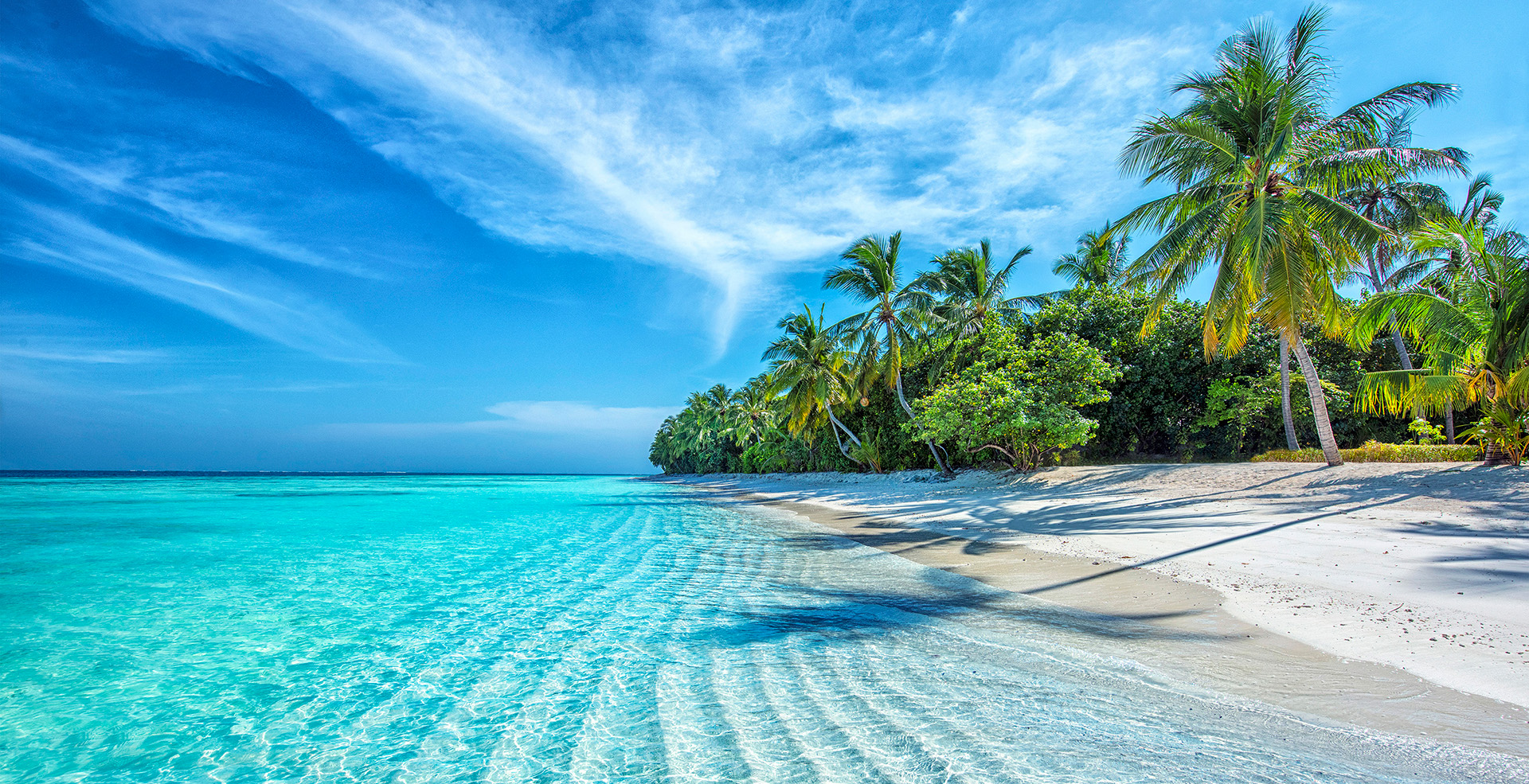
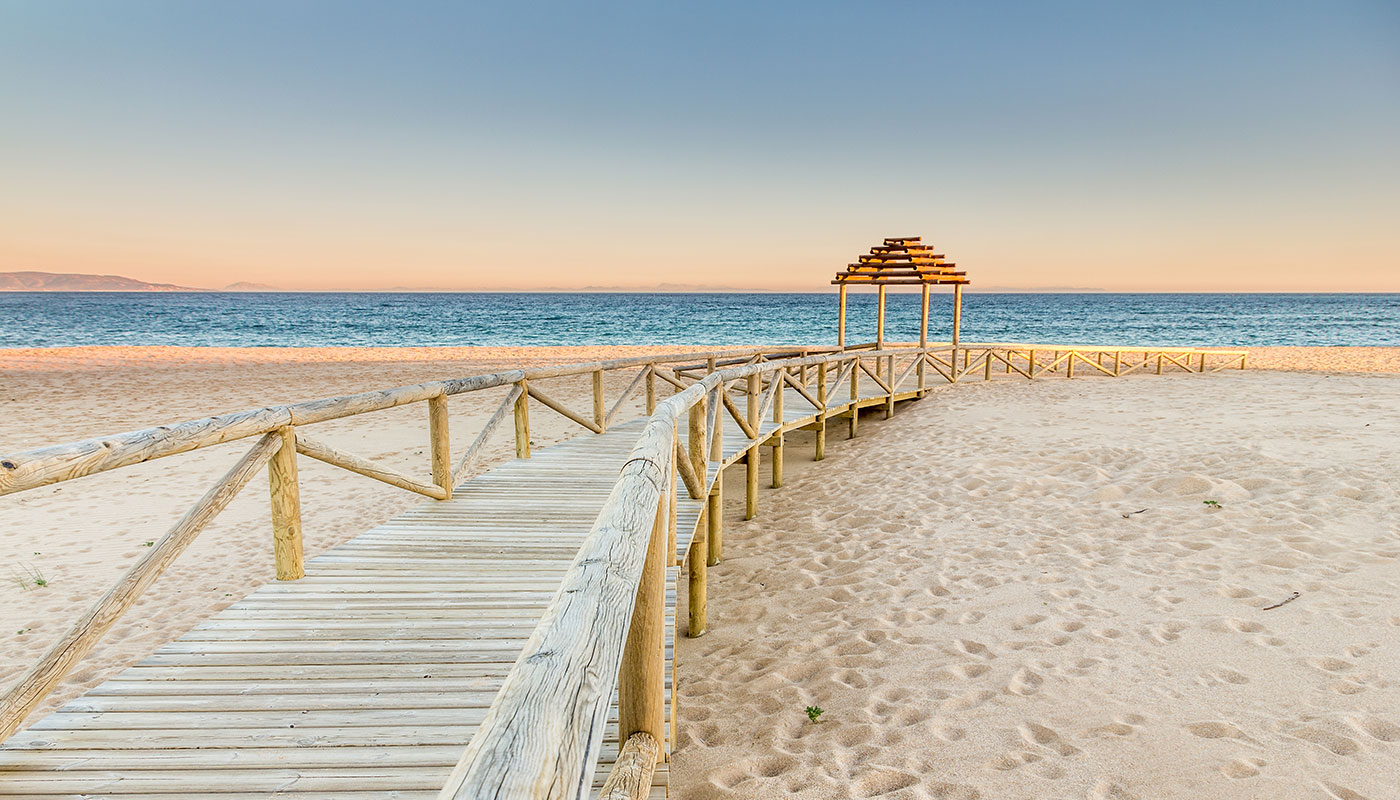
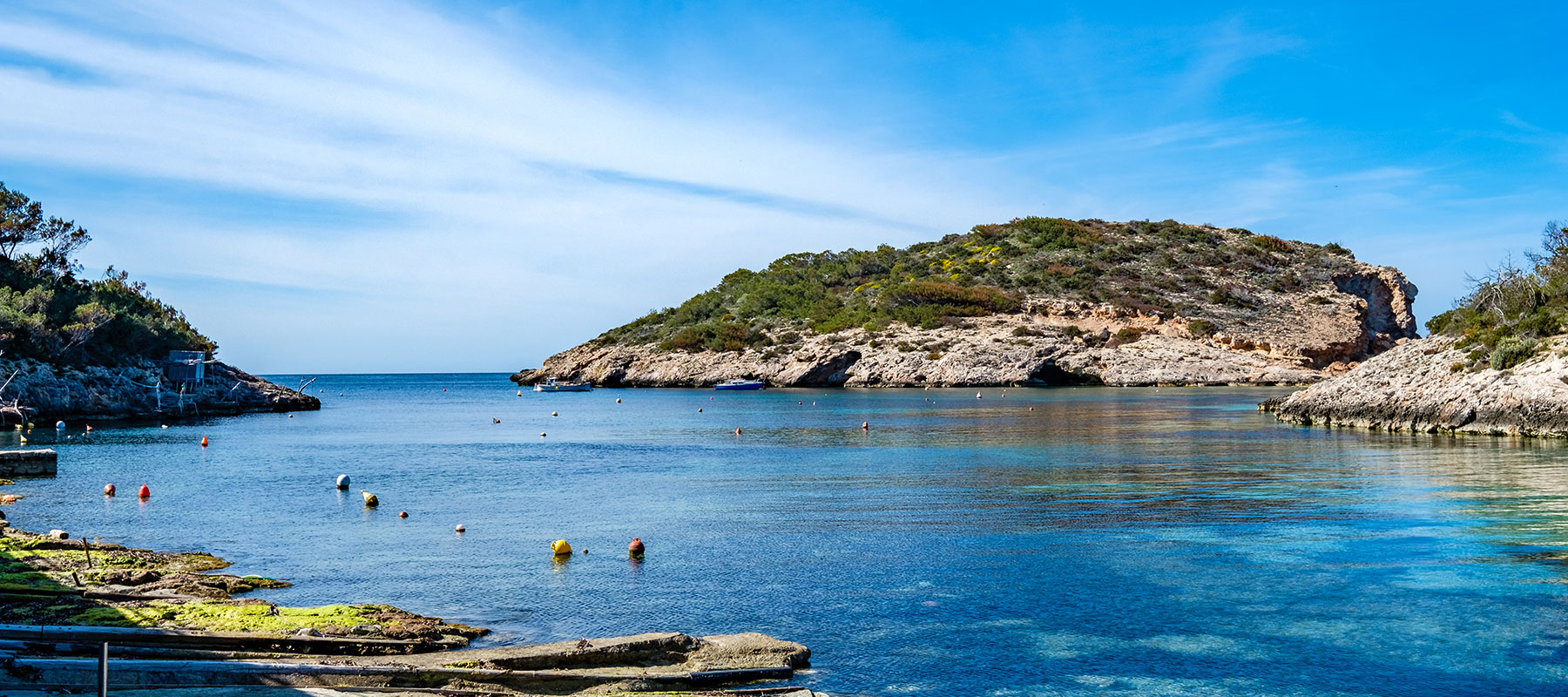
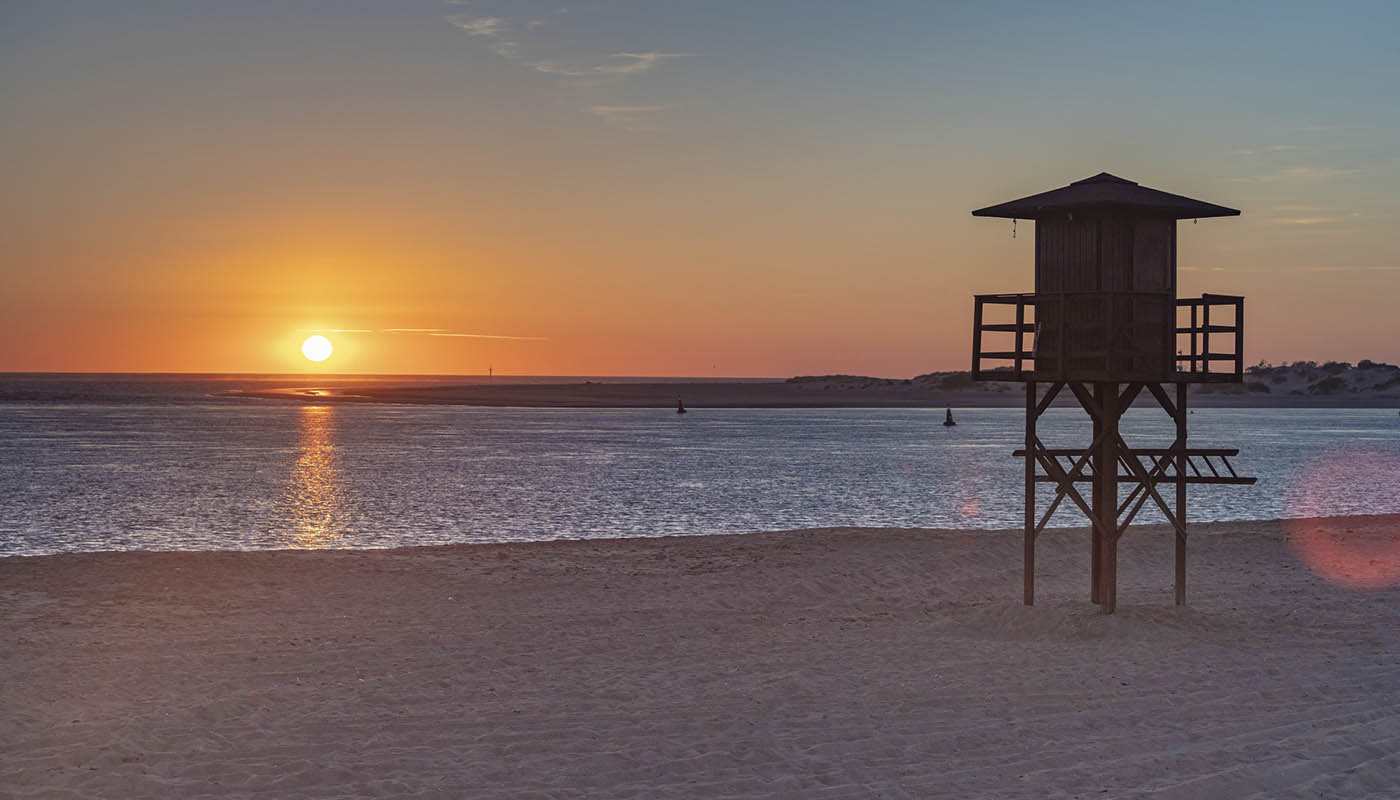
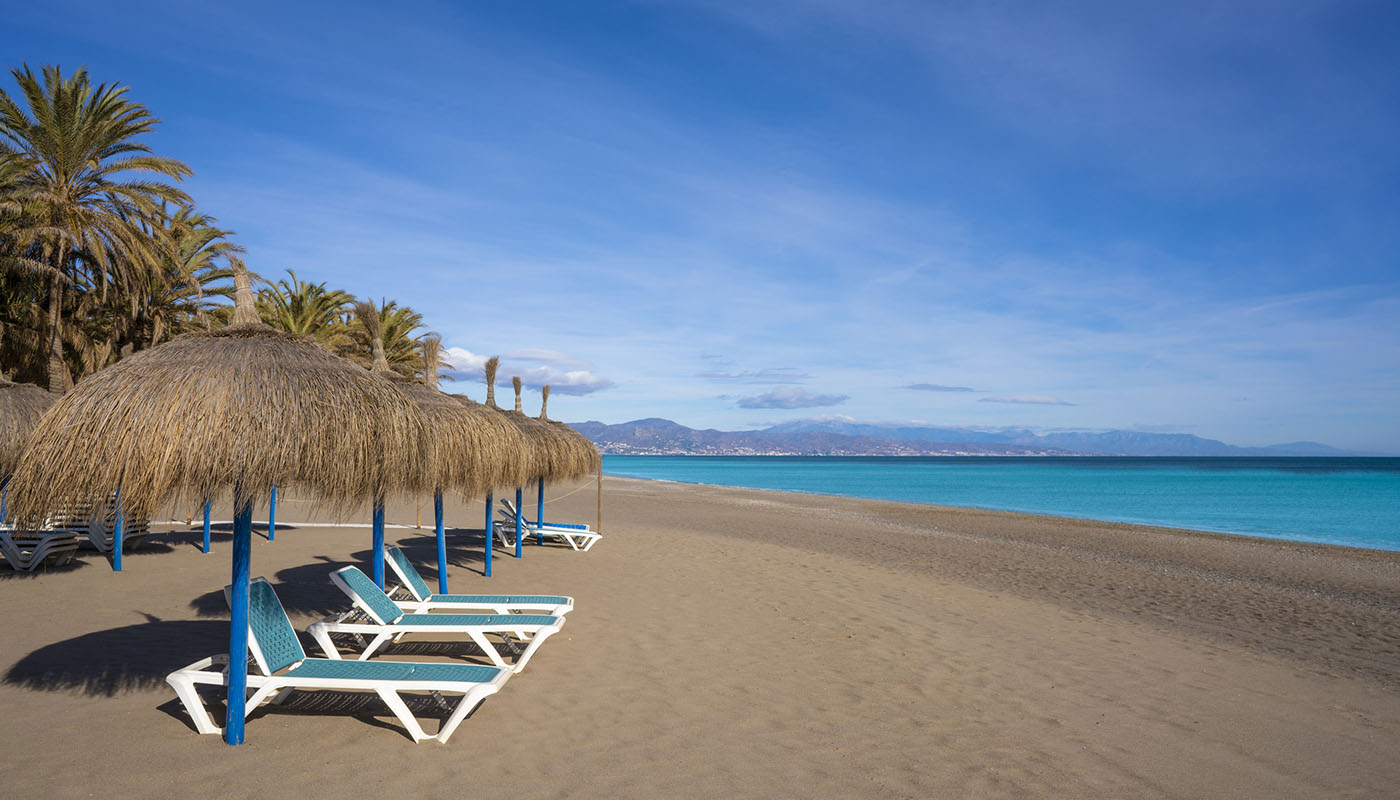
From Olhão, you can easily reach some of the Algarve’s most hidden gems. The most popular one is Armona Island, just 15 minutes away by ferry. There are no cars or large buildings, only sandy paths, low, brightly coloured houses and beaches where the water is clear and calm. It’s ideal for swimming, reading or simply switching off.
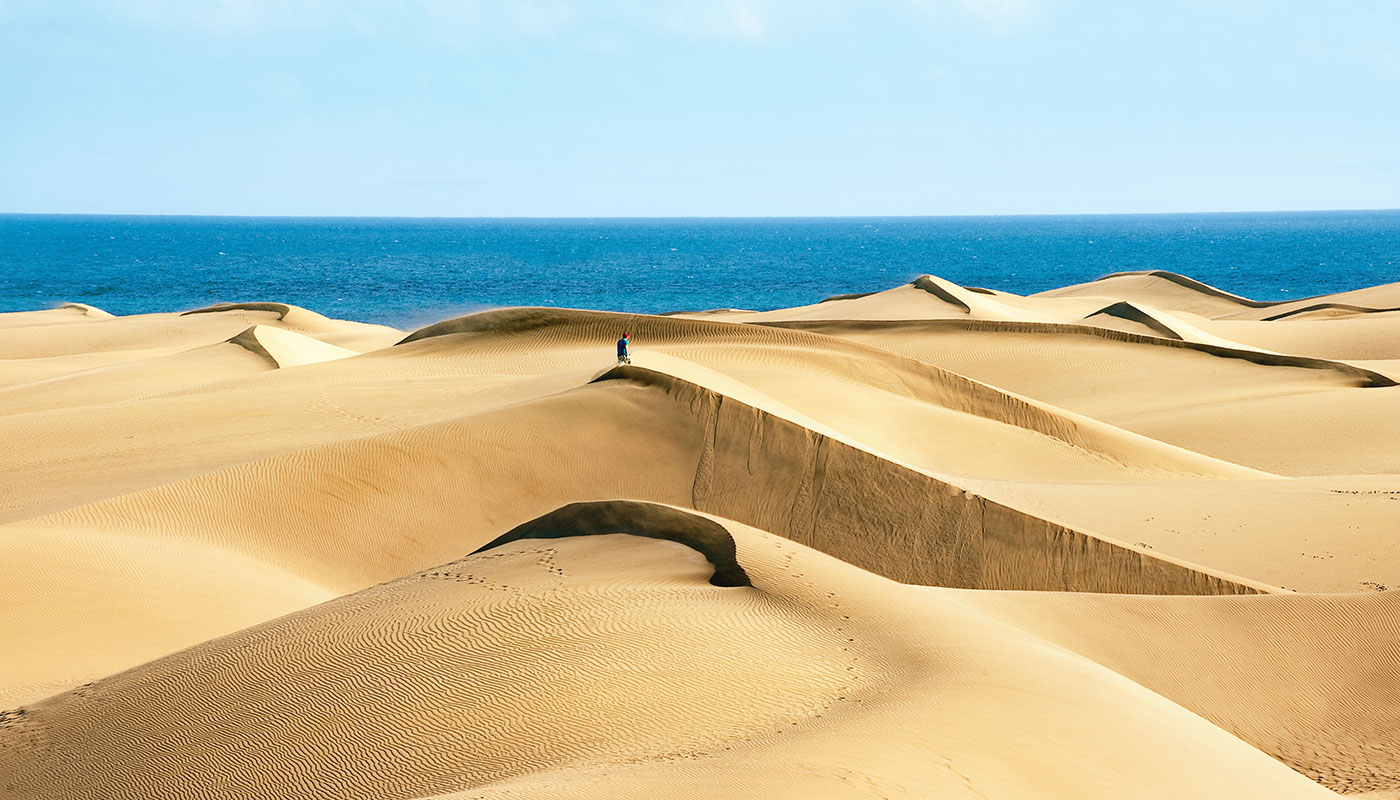
Culatra Island, more authentic and less touristy, is a fishing village nestled among the dunes. This isn’t somewhere you come to see, but to live. You can try goose barnacles and seafood rice in menu-less taverns, and walk to the Santa Maria lighthouse along wooden walkways between reeds and golden sand. There’s also Farol, where Portuguese holidaymakers rent houses by the beach and time seems to move in slow motion.
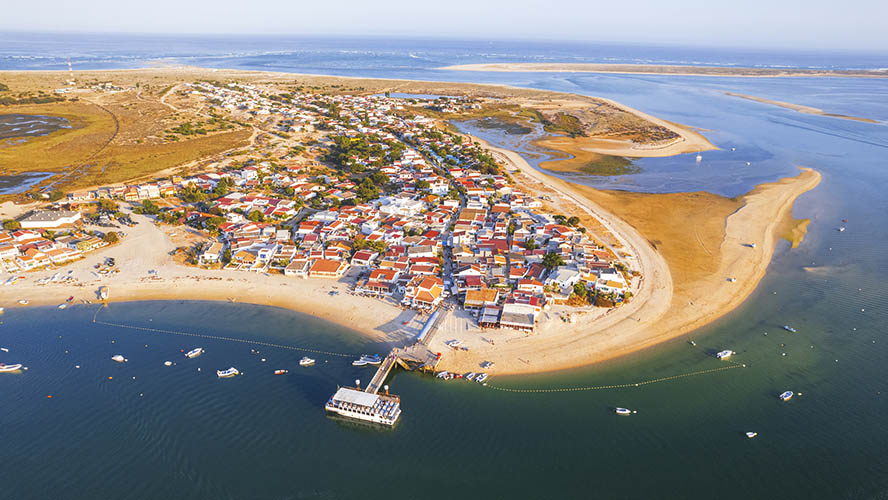
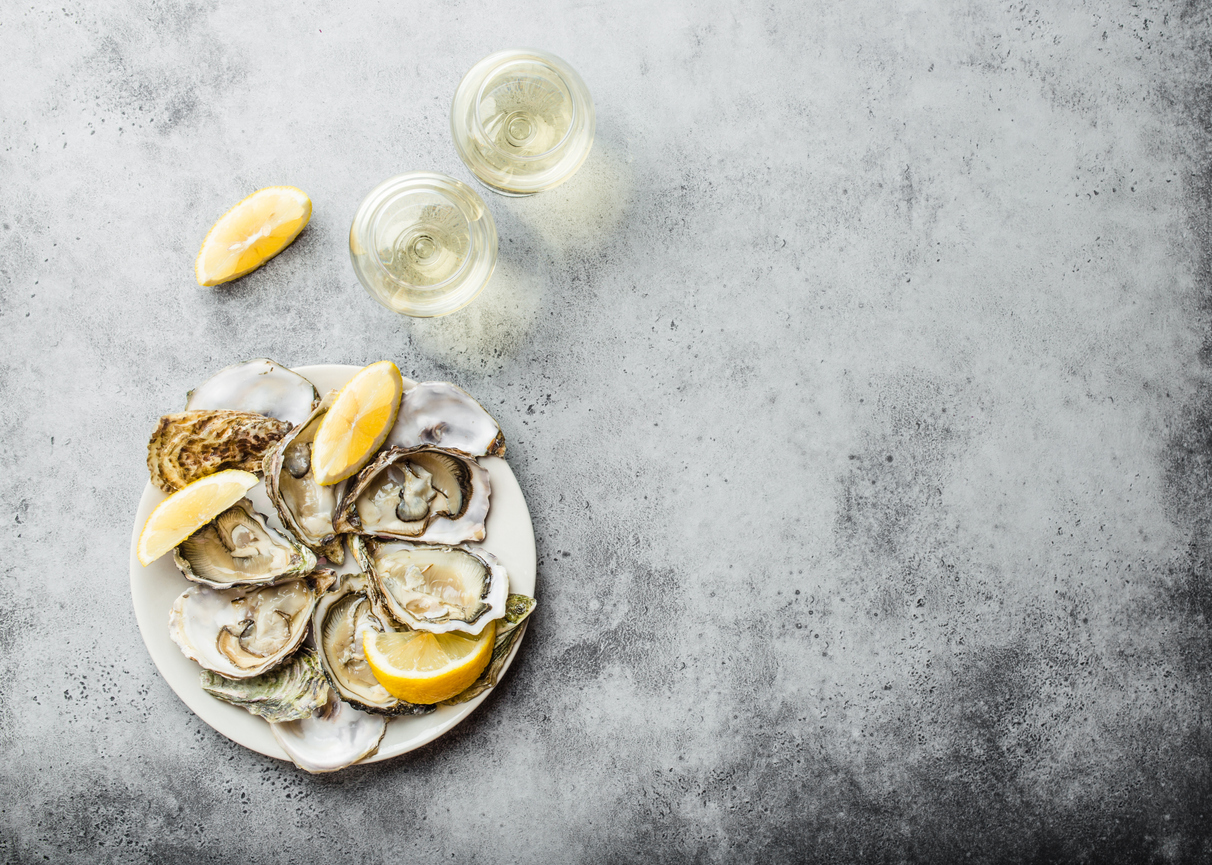
For nature lovers, a boat trip through the Ria Formosa is essential. You sail past oyster beds, marshes full of flamingos and hidden waterways known only to locals. The light here shifts by the minute, making the journey feel almost dreamlike.
Where to eat in Olhão: among nets, embers and steaming cataplanas
Olhão’s cuisine reflects its geography: sea, marshland and inland areas. In the centre, you’ll find taverns where caldeiradas are still served as in days gone by, but also restaurants that reinterpret local flavours with a contemporary twist. One of the best known is Vai e Volta, where for a fixed price you can enjoy unlimited grilled sardines, alongside salads and house wine. At Tasca O Galo or Cha Cha Cha, you can try local tapas in a laid-back atmosphere.
For a more gastronomic experience, Café dos Mestres in Fuseta or Noélia in Cabanas de Tavira, 20-30 minutes by car, serve refined versions of octopus, sea bass or clam rice. But even a sandwich from the market, made with cornbread, goat’s cheese and chouriço, can become an unforgettable meal if eaten in the sunshine by the harbour.