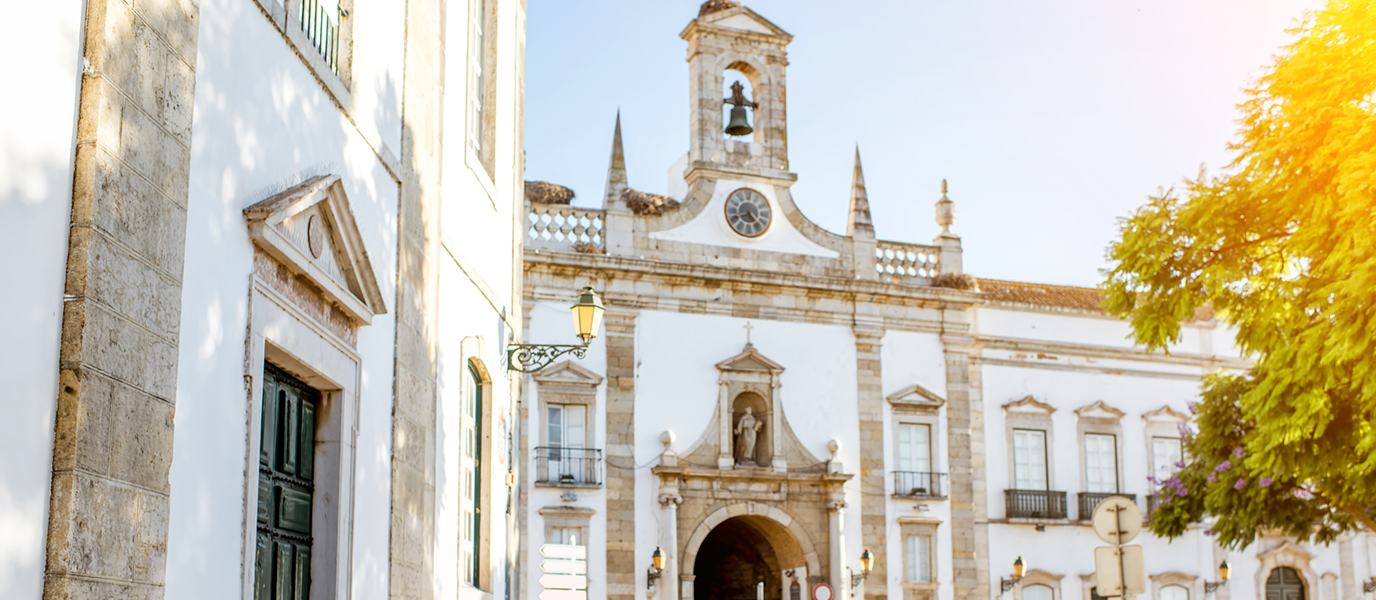
























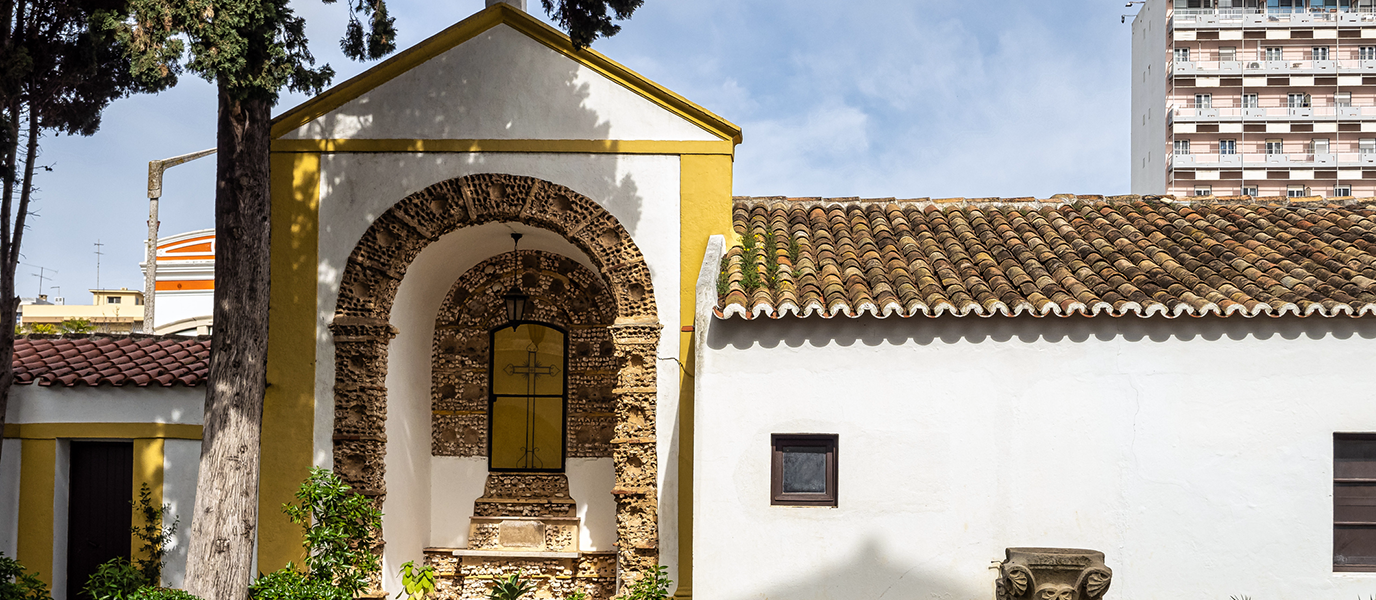
When you arrive at Largo do Carmo in Faro, the sober façade of the Igreja do Carmo stands with discreet elegance, framed by two symmetrical towers and a doorway displaying the city’s coat of arms. This seemingly gentle presence hides a striking contrast inside: gold, carved wood and a rear chapel lined with skulls. This place, the result of baroque contemplation and the mystery of mortality, offers travellers an unforgettable aesthetic and emotional experience. Entering the church and discovering its chapel is to take part in a dialogue between life and death, between sacred splendour and silent reflection. Here you won’t find the theatrical exuberance of other Portuguese baroque churches, but rather a restrained elegance, an intimate journey, that culminates in the Capela dos Ossos, a sober, almost claustrophobic space where human remains become ornaments and a reminder of the fleeting nature of time.
- History of the Igreja and the Capela: the baroque Carmelite temple facing the mirror of death
- What you can see in the Igreja do Carmo: gilding, tiles and restrained emotion
- What you’ll see on your visit to the Capela dos Ossos: 1,245 skulls that remind us of our own end
- Tips and useful information: plan your visit through the fragility of human existence
History of the Igreja and the Capela: the baroque Carmelite temple facing the mirror of death
The Igreja do Carmo, officially the “Igreja da Ordem Terceira de Nossa Senhora do Monte do Carmo”, was founded in 1713 on the initiative of Bishop António Pereira da Silva, with Father Fray Manuel da Conceição as its original designer. From 1747 onwards, under the direction of master builder Diogo Tavares, it was enlarged and the upper level was shaped into the form we see today, although construction continued until 1755, the year of the devastating Lisbon earthquake. Curiously, the structure withstood the earthquake and was rebuilt with a newfound strength, although the façades and towers were later modified; the west tower dates from 1878 and contains a carillon of nine bells cast from the originals, while the east tower was completed at the beginning of the 19th century.
Inside, there’s a single nave flanked by four side chapels and a sacristy richly decorated with tiles, carved wooden ceilings and gilded carvings by the master craftsmen Gaspar Martins, Manuel Martins and Miguel Nobre. All of this is a faithful example of the baroque style under the reign of King João V, when Brazilian gold arrived in Portugal and transformed churches into sacred palaces.
However, the most enigmatic twist came in 1816. At a time when the city’s cemeteries were filling up, the order decided to exhume human remains from the old adjoining graveyard. This practical act became both a tragic and poetic decision: the bones of Carmelite monks were used to construct the Capela dos Ossos, with a message as direct as the phrase carved into its lintel: “Pára aqui a considerar que a este estado hás-de chegar”. The bones were used to line the walls, columns, arches and even the small altar of the chapel. The result is a space of just 4 × 6 metres, imbued with silence and solemnity, which immediately conveys a funerary atmosphere capable of moving those who come to see it.
Since then, the chapel has become a place of pilgrimage not only for tourists but also for spiritual reflection, where beauty and the memento mori merge to remind us that all glory is fleeting.
What you can see in the Igreja do Carmo: gilding, tiles and restrained emotion
Entering through the main door, you sense the shift from the austere exterior to a bright, almost palatial interior. The Corinthian columns of the façade already hint at what awaits: gilded woodwork, intricate carvings and altarpieces that showcase the skill of baroque sculptors.
The light, filtered through stained glass and reflected on the gold leaf, gives the nave a sense of sacred stillness. Everything seems designed to immerse visitors in contemplative silence, where the decoration doesn’t overwhelm but rather encourages meditation. Above the sacristy, coffered ceilings and polychrome tiles avoid ostentation and frame spaces devoted to daily worship. On the main altar, classical images such as Saint Teresa and Saint Isabel rest beneath gilded carvings of cornucopias and garlands, honouring the refined spirituality of the Third Order.
The Baroque organ is another of the treasures present here, not as monumental as those in grand cathedrals, but evocative nonetheless. Its position near the pulpit suggests that music played an essential role in the emotional experience of the temple.
Everything in this church reveals an artistic and spiritual intention: the faithful arrive in a state of calm, enter a state of contemplation and prepare for the culminating experience that awaits at the end of the visit.
What you’ll see on your visit to the Capela dos Ossos: 1,245 skulls that remind us of our own end
After passing through the altar or the sacristy, you enter the Capela dos Ossos, a small, narrow space that shuts out everything but silence and contemplation. There, the walls and pillars are lined with bones: femurs, tibias, ribs and, above all, 1,245 skulls arranged in regular patterns alternating with lines of mortar, creating a funerary artwork designed to make an impression.
The vaulted ceiling is also adorned with skeletons, although the vaults retain their whitewashed brickwork, dotted with motifs alluding to death. The floor, covered with tombstones, serves as a reminder that this was once a cemetery. It’s known that over a thousand Carmelite monks rest in that silent space below.
In a niche of the altar, visible behind glass, there’s an image of Christ crucified, under a stucco and polychrome ceiling that stands out for its restraint amid the ordered horror surrounding it. At the entrance, the inscription invites reflection and acts as a warning: every visitor is compelled to stop and see themselves reflected in that mortal mirror.
For some, this space is a grotesque relic. For others, it’s a chapel of contemplation: a reminder that life isn’t eternal, but it can be enjoyed passionately and consciously.
Tips and useful information: plan your visit through the fragility of human existence
Visiting this site requires some planning in advance. The usual opening hours are weekdays from 10 a.m. to 1 p.m. and 3 p.m. to 5.30 p.m., while the chapel is closed on Sundays and only open for Mass. You can only get there through the church, so religious ceremonies must be respected. The entrance fee is €2, and the visit takes around 20 minutes, enough time to explore both spaces at your own pace.
Comfortable shoes are recommended due to the cobbled streets outside and the uneven flooring inside, while visitors are asked to remain silent inside the chapel. Photography is permitted, but in moderation and without flash, out of respect for the space’s emotional impact.
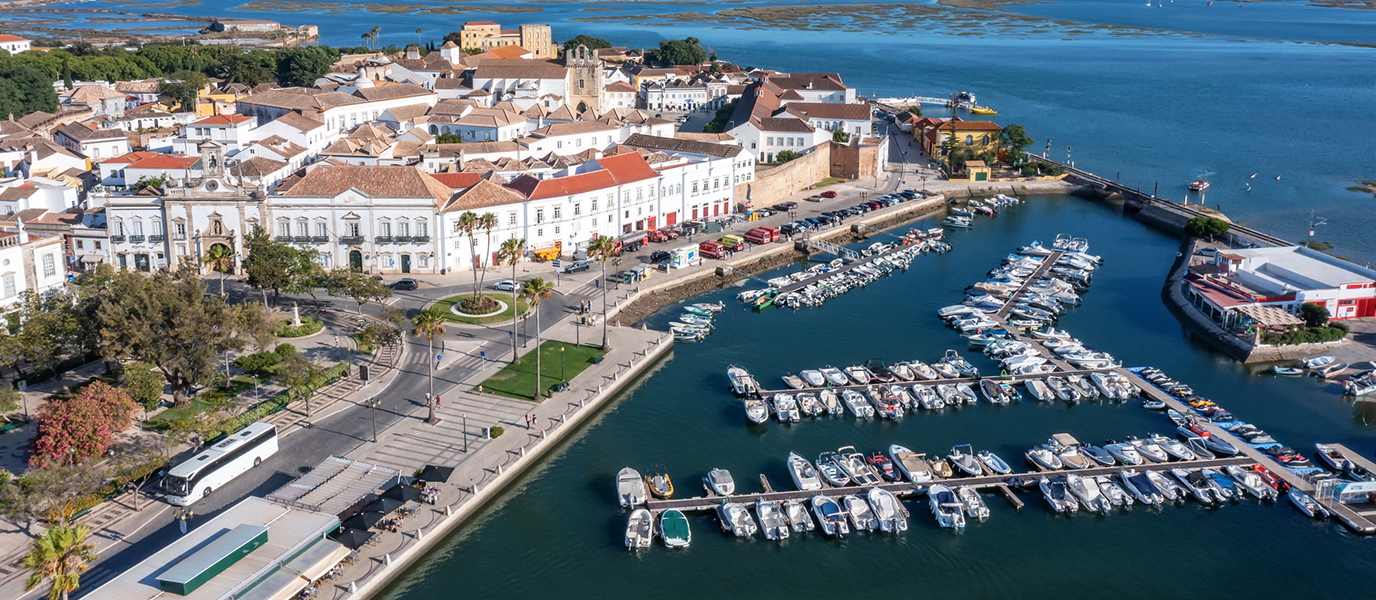
Lastly, if you have already visited the chapel in Évora, you’ll probably find Faro’s to be more intimate, but equally powerful in its symbolism. What’s more, its location in the heart of Faro makes it easily accessible from the marina or historic centre.