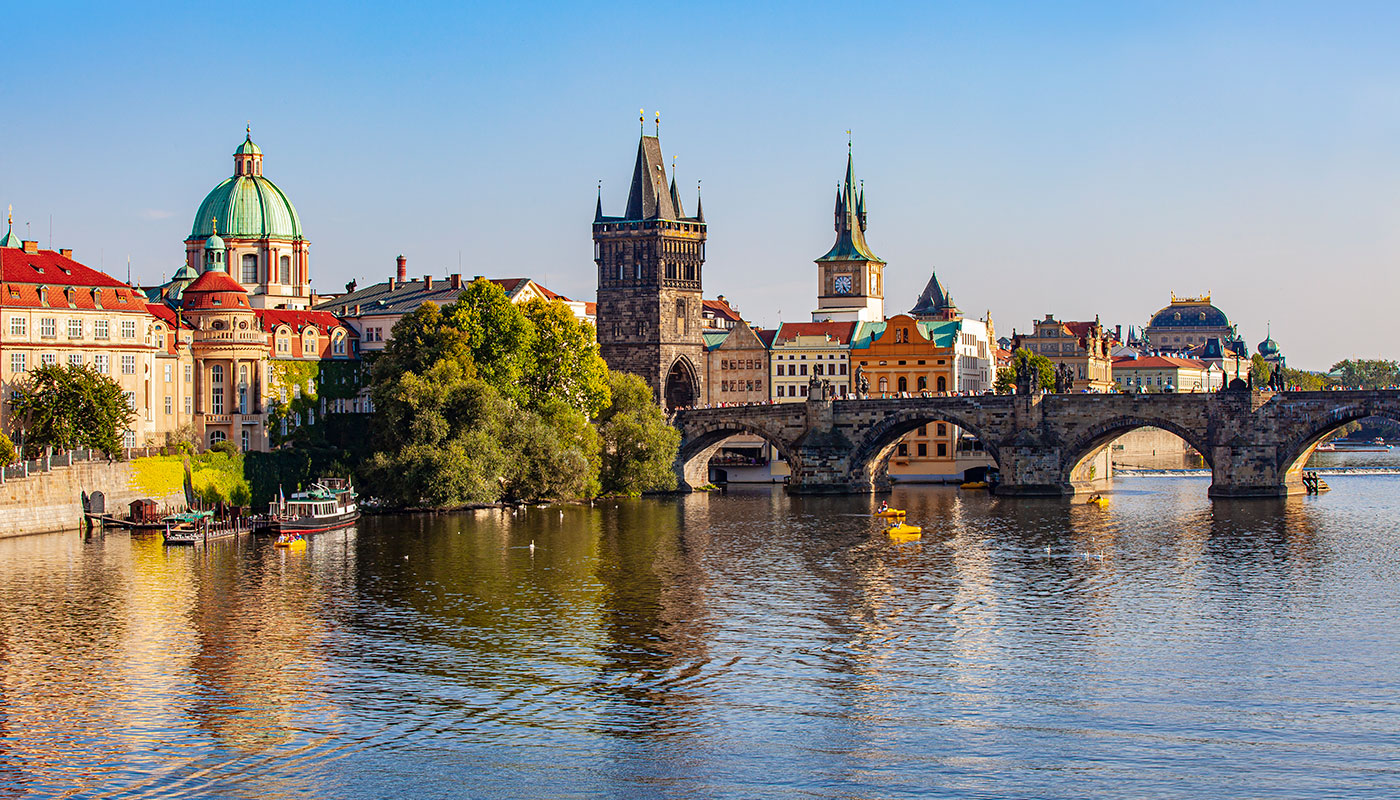
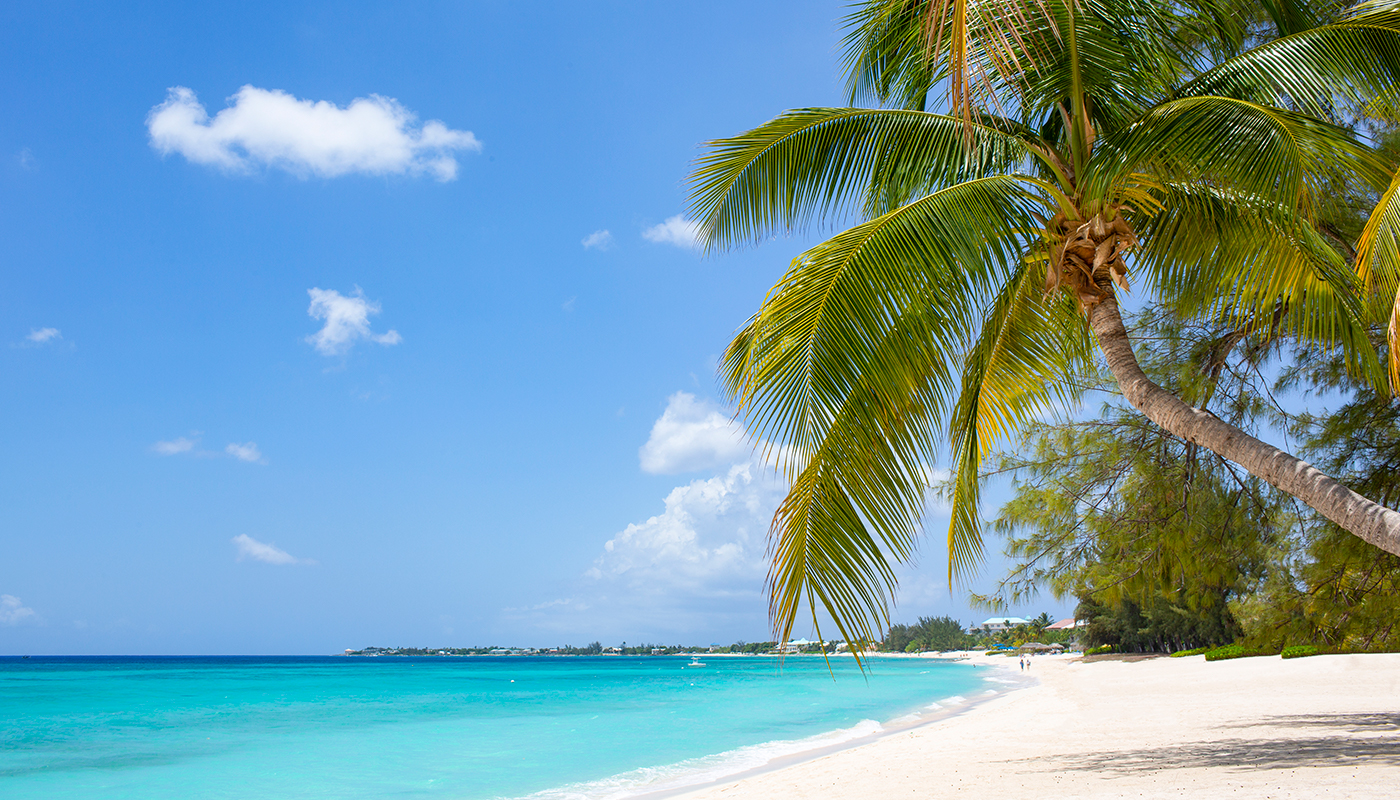
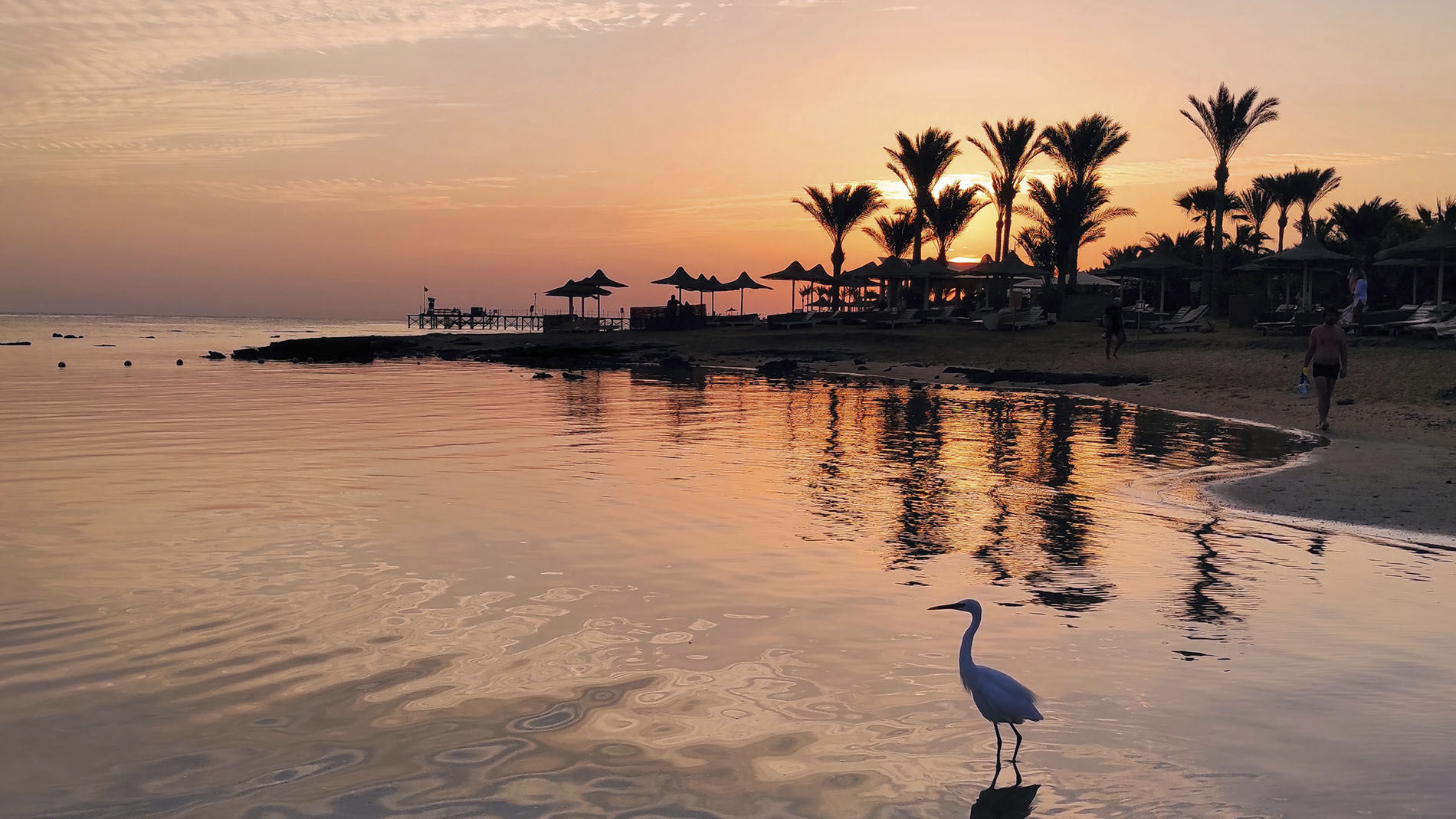











Portimão, on the Algarve coast, is a city that fans out between tranquil estuaries, golden cliffs and traces of an industrial past deeply tied to the sea. Its town centre, lively all year round, pulses with life from the terraces along the Alameda, walkways along the Arade and the unmistakable aroma of grilled sardines. Opposite the sheltered calm of the old town, its beaches unfurl like a succession of fine sands and rock formations sculpted by centuries of Atlantic erosion. Portimão invites you to walk, to explore and to stay. A city that has managed to reinvent itself without ever losing its seafaring soul.
- History of Portimão: from the Arade estuary to the canning boom
- What to see on your visit to Portimão: from riverside bustle to industrial echoes on the Atlantic
- The best beaches in Portimão: a paradise of sandy shores, cliffs and sea caves
- Activities and places to visit nearby: wild nature, castles, thermal springs and whitewashed villages
- Where to eat in Portimão: grilled fish, stews and convent sweet treats
History of Portimão: from the Arade estuary to the canning boom
Portimão was born at the mouth of the River Arade, a strategic location that has allowed it to thrive as a fishing and trading port since ancient times. As far back as the Roman era, the area was home to villas and workshops devoted to salting fish, an activity that foreshadowed the city’s future boom centuries later. During the Middle Ages, Portimão was part of the Kingdom of the Algarve and served as one of the fortified points protecting the coast from pirate raids and enemy attacks. The walls of the old Vila Nova de Portimão protected an urban centre that faced the sea even then.
The city’s major leap forward came in the late 19th and early 20th centuries with the rise of the canning industry. Portimão became one of southern Portugal’s economic powerhouses thanks to the sardine and tuna factories that lined the banks of the Arade. A combination of abundant marine resources, strong port infrastructure and skilled labour ushered in a period of prosperity that left its mark on industrial architecture, coastal urban planning and the collective memory. Some of those old factories have since been transformed into cultural venues and museums.
Although the 1755 earthquake affected Portimão, much of its heritage was rebuilt or reinforced. In the 20th century, tourism began to take hold. Praia da Rocha, with its sandstone cliffs and warm waters, soon became a summer icon. Yet Portimão has managed to embrace tourism while maintaining an active local life year-round, preserving the unhurried pace and working spirit of a seafaring town.
What to see on your visit to Portimão: from riverside bustle to industrial echoes on the Atlantic
Old town: quiet squares and whitewashed façades
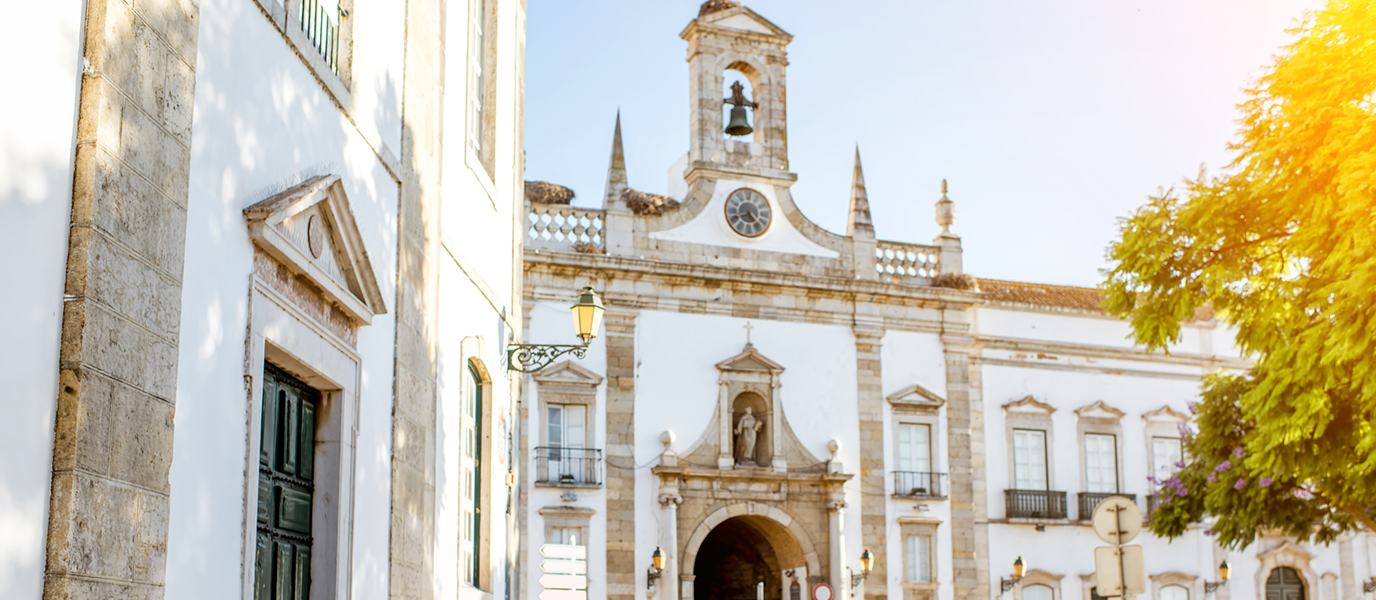
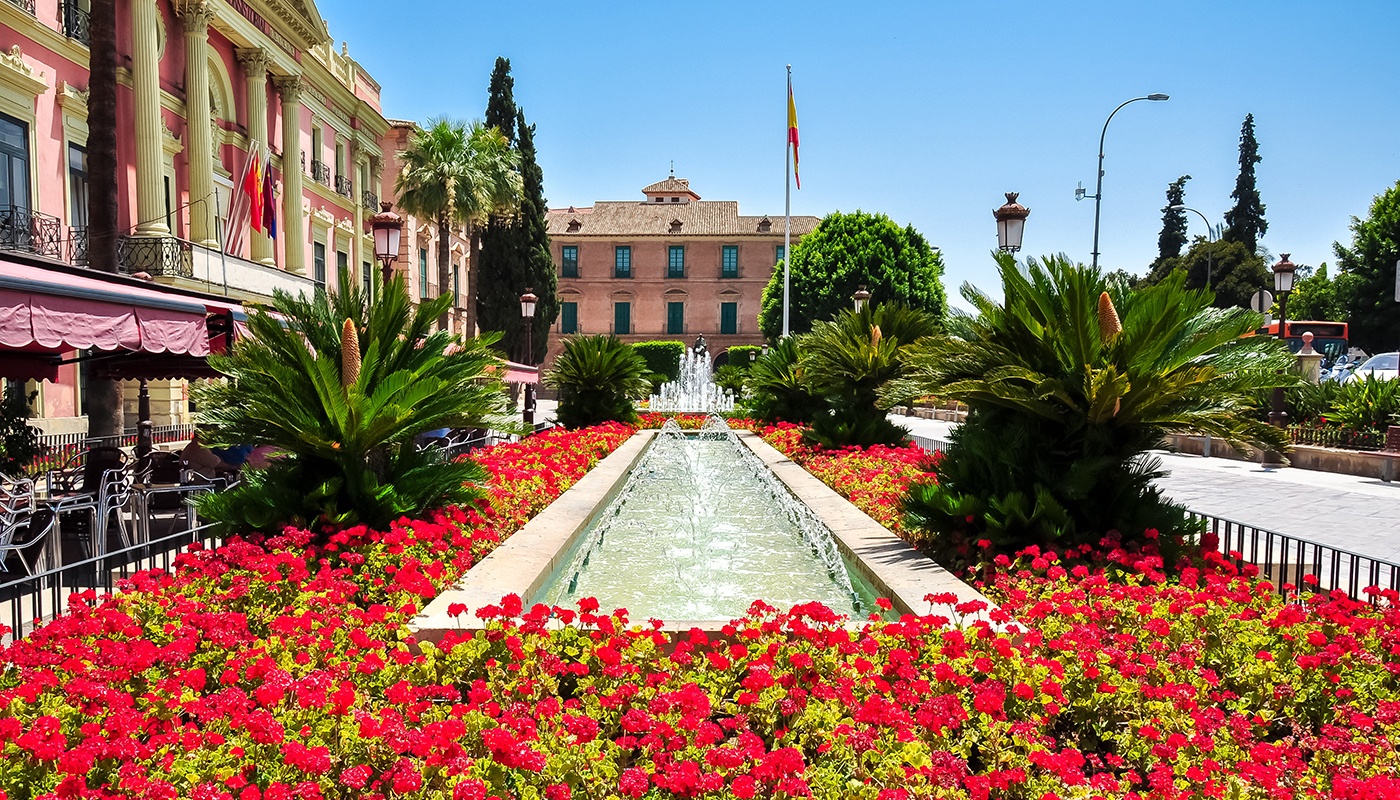
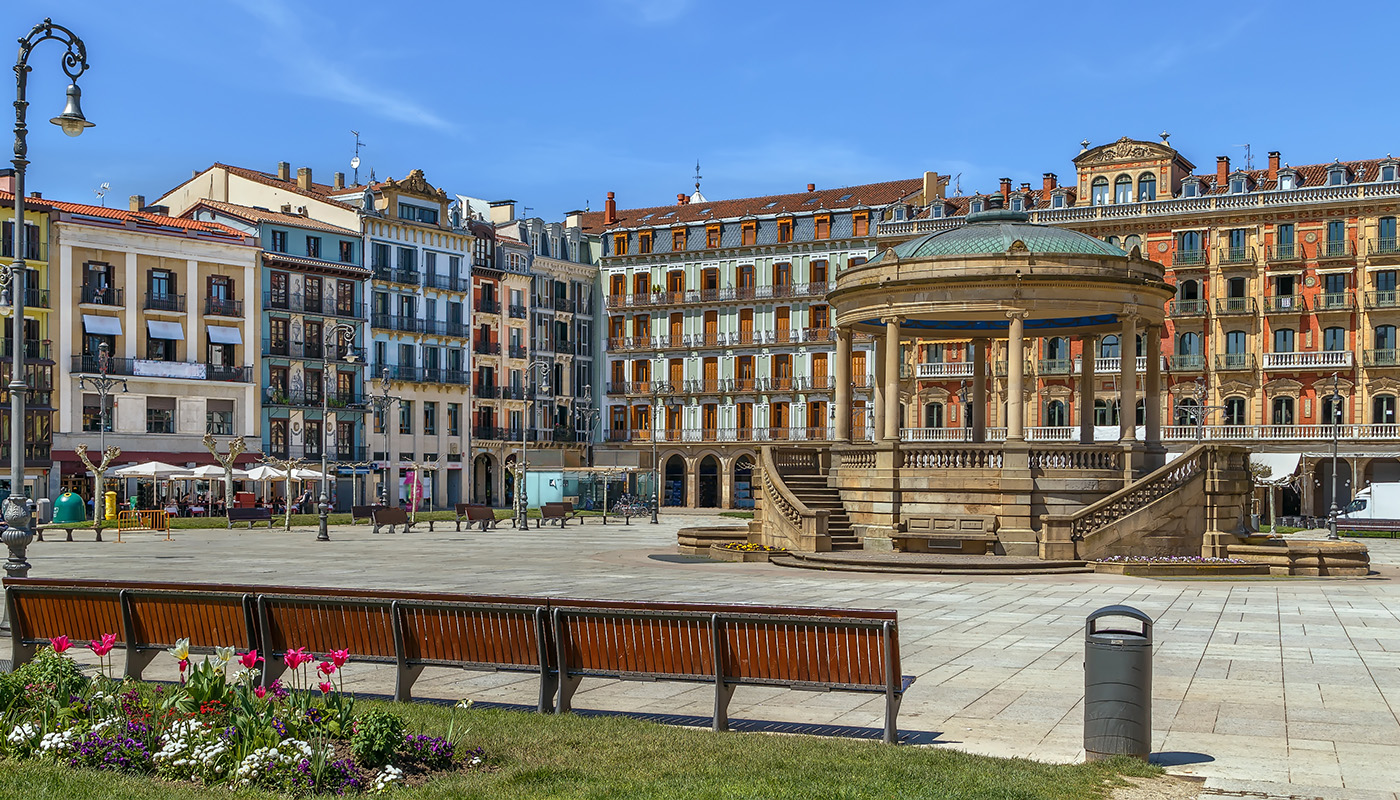
Although most travellers associate Portimão with the coast, its historic centre is well worth a slow-paced visit. Just inland from the Arade, cobbled streets weave around squares like the Alameda da República, with its bandstand and Praça Manuel Teixeira Gomes, presided over by a statue of the local politician and writer. Here, locals and visitors mingle among terraces, fountains and traditional cafés.
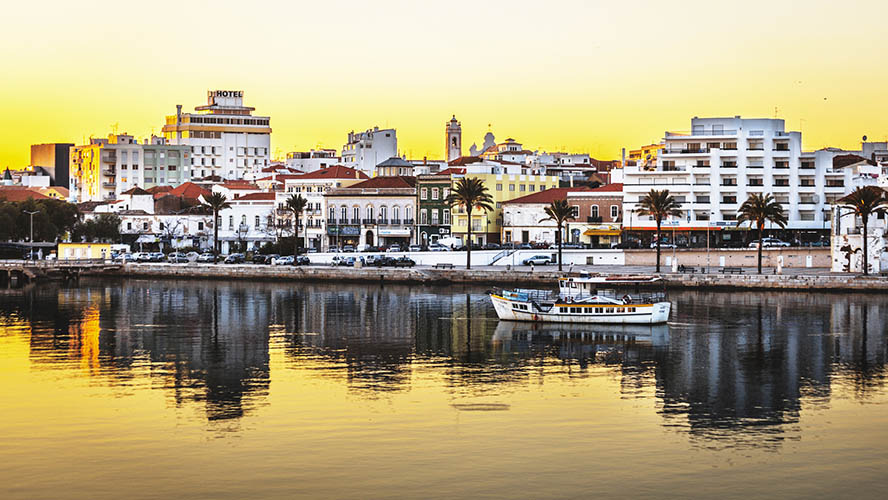
The façades are lined with antique tiles, wrought-iron balconies and century-old shops still selling buttons, wooden spoons and handmade shoes. One of the standout sights is the Igreja Matriz de Nossa Senhora da Conceição, which combines a Gothic entrance with Manueline details and houses a beautiful Baroque altarpiece. As you wander through alleys like Rua Direita, you can still feel the spirit of a city shaped by factories and boats.
Fort of Santa Catarina: a stone sentinel above the Atlantic
Overlooking the mouth of the River Arade and facing Praia da Rocha, the Fort of Santa Catarina is one of Portimão’s most photographed landmarks. It was built in the 17th century to defend the coast from Barbary pirates and corsairs from North Africa. Its sturdy, symmetrical silhouette blends naturally into the coastal landscape, as if it had emerged from the cliffs themselves.
From its upper terrace, you get some of the finest views along the coast: to the west, the endless sweep of Praia da Rocha, and to the east, Ferragudo and the edge of the estuary. The interior is modest, but the place has a quiet, contemplative air. As evening falls, the walls glow with orange tones, seagulls glide overhead and waves break gently on the beach below.
Seafront promenade and port: Portimão’s river soul
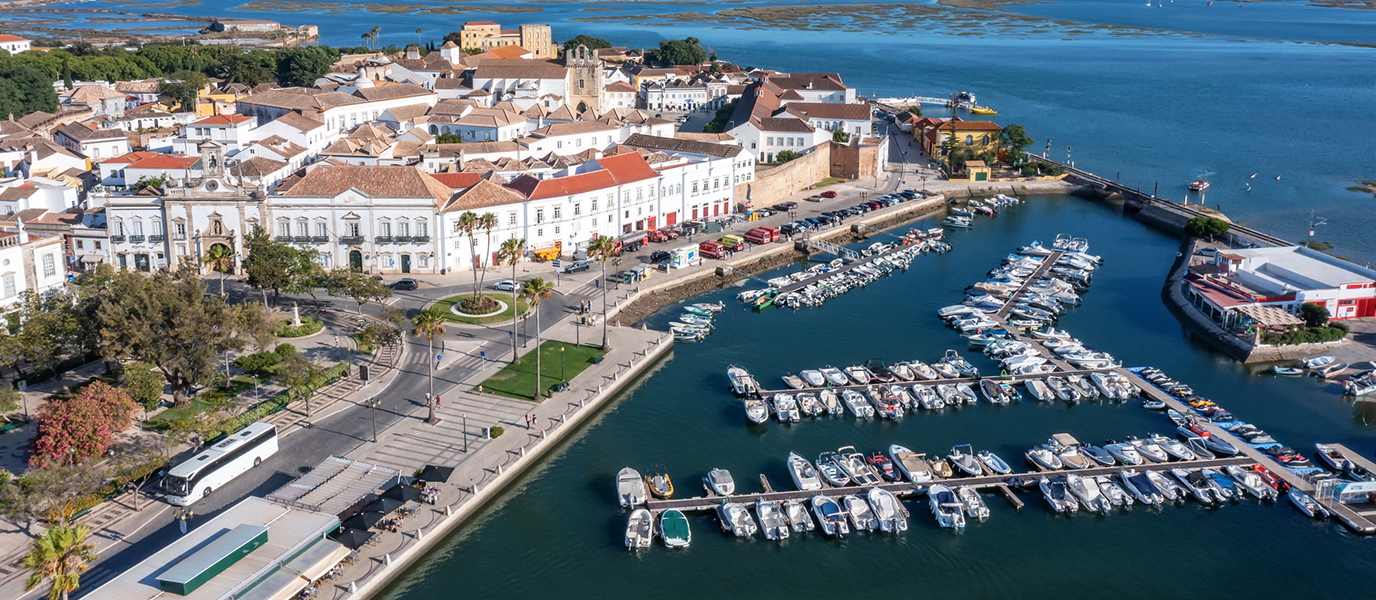
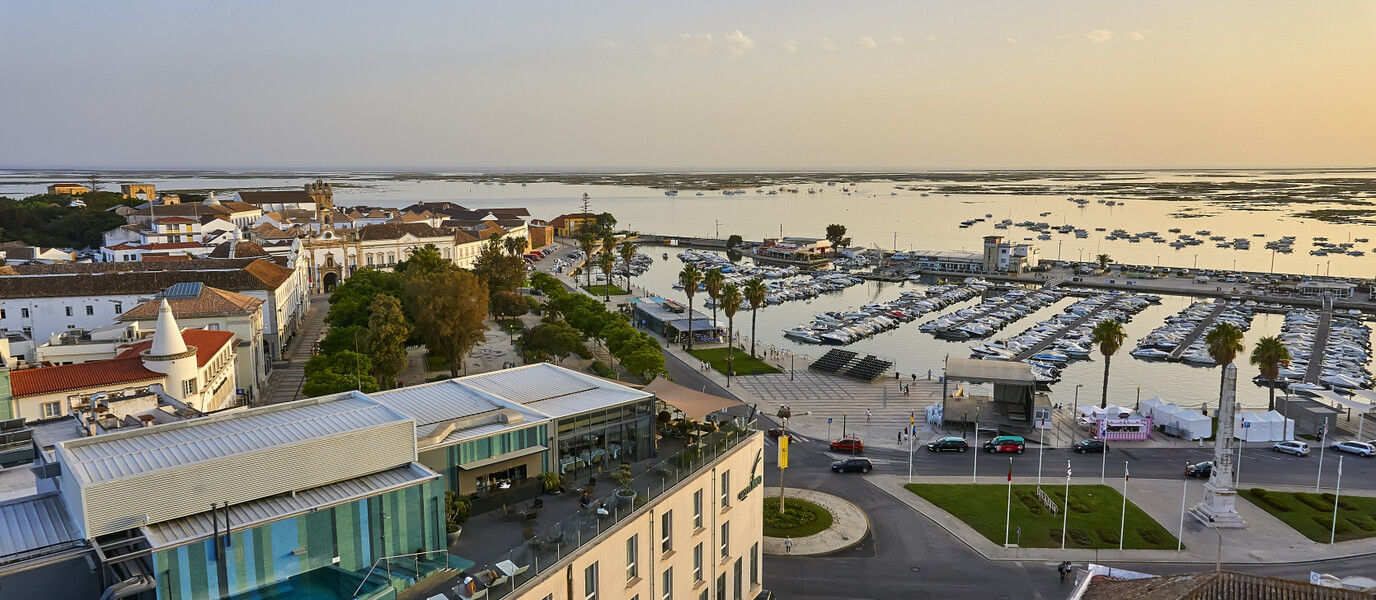
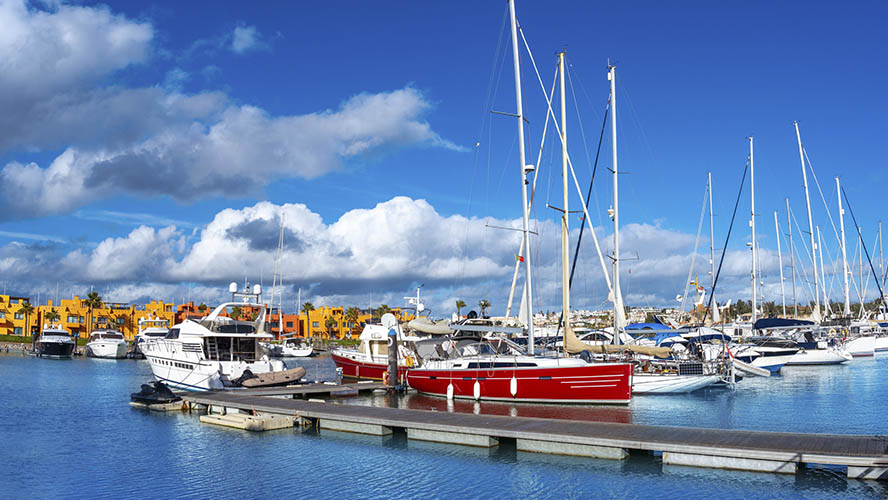
The riverside promenade along the Arade, between the historic centre and the port area, has recently been refurbished and is one of the city’s most charming public spaces. On one side, calm waters cradle fishing boats, tourist catamarans and moored yachts, while on the other, a pedestrian walkway features modern sculptures, landscaped gardens and terraces serving fresh seafood and Algarve wines.
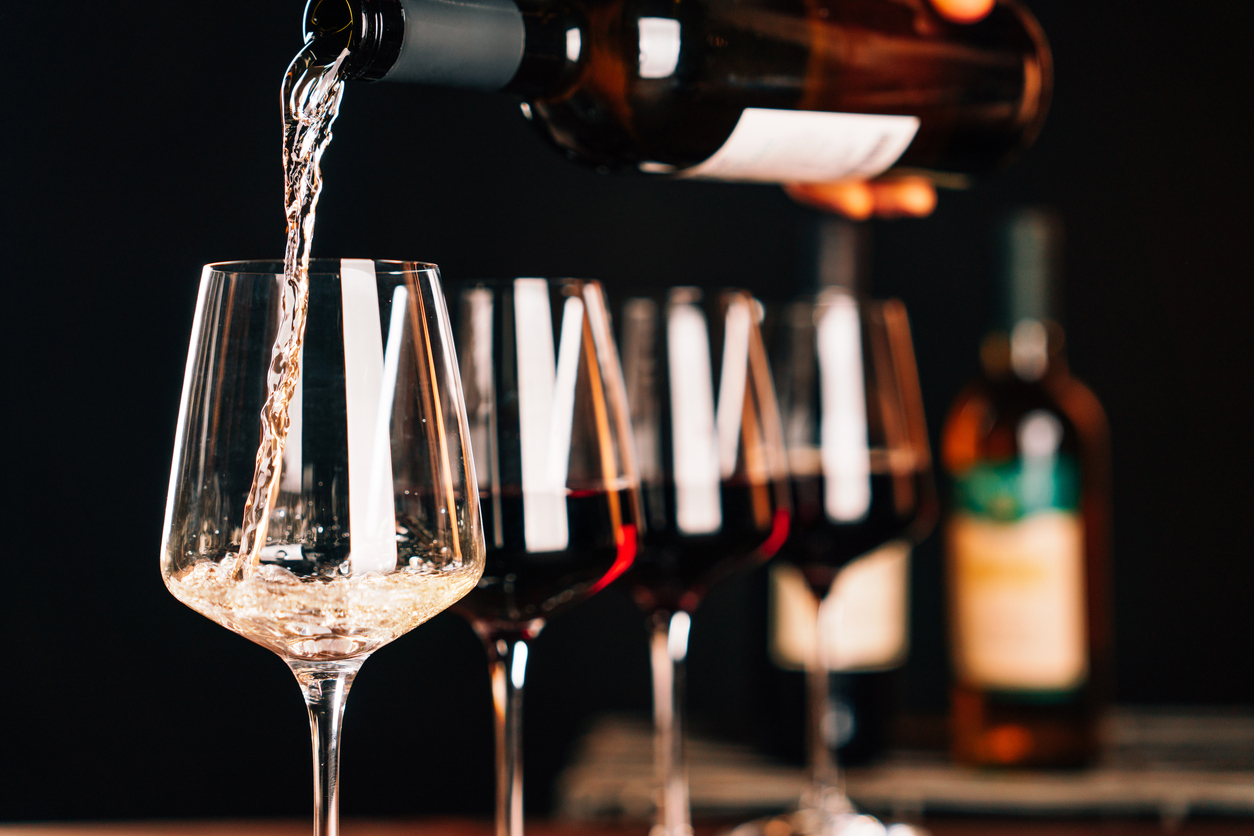
The port retains its functional role but also plays host to cultural events, outdoor markets and nautical events like the famous Powerboat Grand Prix. The old railway bridge, the remnants of repurposed factories and the small shipyards give the area an authentic feel. Sitting by the river at sunset with a chilled glass of white wine is one of Portimão’s simple daily pleasures.
Municipal market: local life reinvented each morning
A large part of the city’s morning rhythm revolves around the municipal market, housed in a modern yet functional building. It opens at seven in the morning, and its stalls brim with freshly landed fish, seafood, inland fruits and traditional Algarve sweet treats. It’s a favourite spot among locals and chefs alike, all in search of the best seasonal ingredients.
In the fish section, you’ll find sardines, mackerel, sea bream, octopus, as well as goose barnacles when in season. There’s also a fine selection of inland cured meats, aged cheeses and sweet treats like dom-rodrigos and figos cheios, made with almonds, eggs and dried figs. It’s the ideal spot to see how land and sea come together in the local cuisine.
Portimão Museum: living memory in a former canning factory
Located in a restored, riverside canning factory, the Portimão Museum is one of the city’s cultural gems. Its permanent exhibition is devoted to the canning industry, featuring a realistic reconstruction of the production line, from unloading the fish to sealing the tins. Original machinery, tools, packaging and photographs tell a story that honours Portimão’s working-class heritage.
The museum also includes sections on local archaeology, such as the remains of the prehistoric settlement of Alcalar, as well as temporary exhibitions on photography, contemporary art and oral traditions. Much of the building’s industrial architecture has been preserved, lending the experience a striking sense of authenticity. It’s a must for anyone wanting to understand Portimão’s social and economic evolution.
The best beaches in Portimão: a paradise of sandy shores, cliffs and sea caves
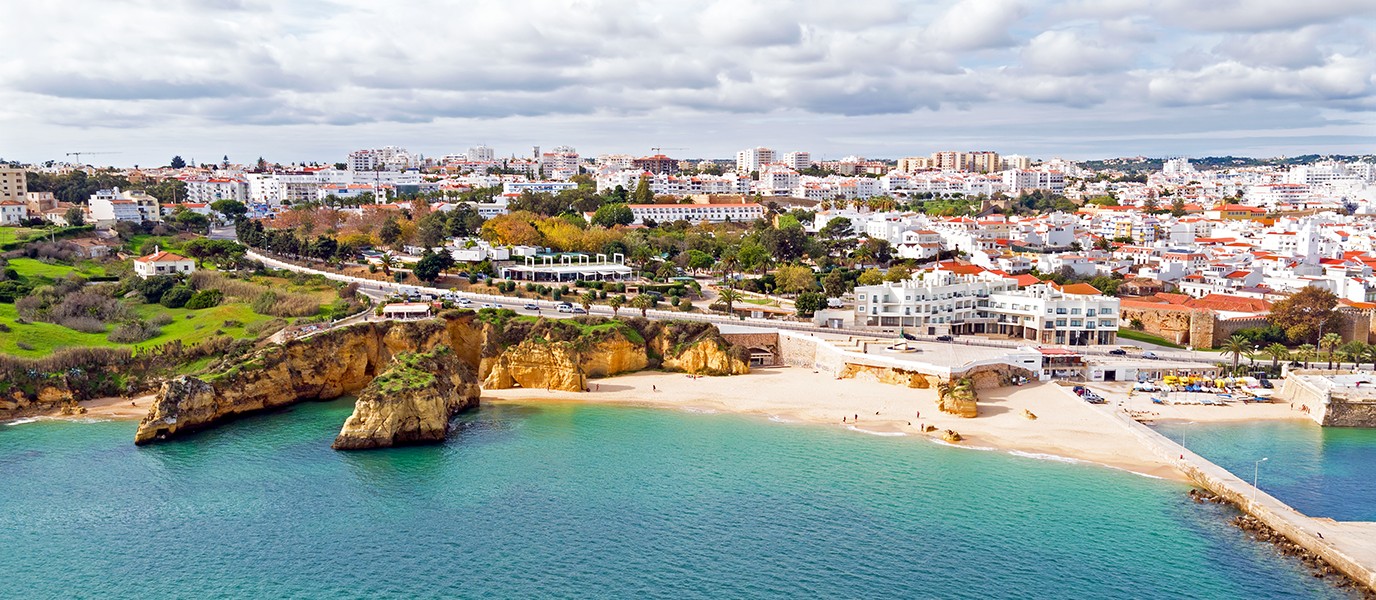
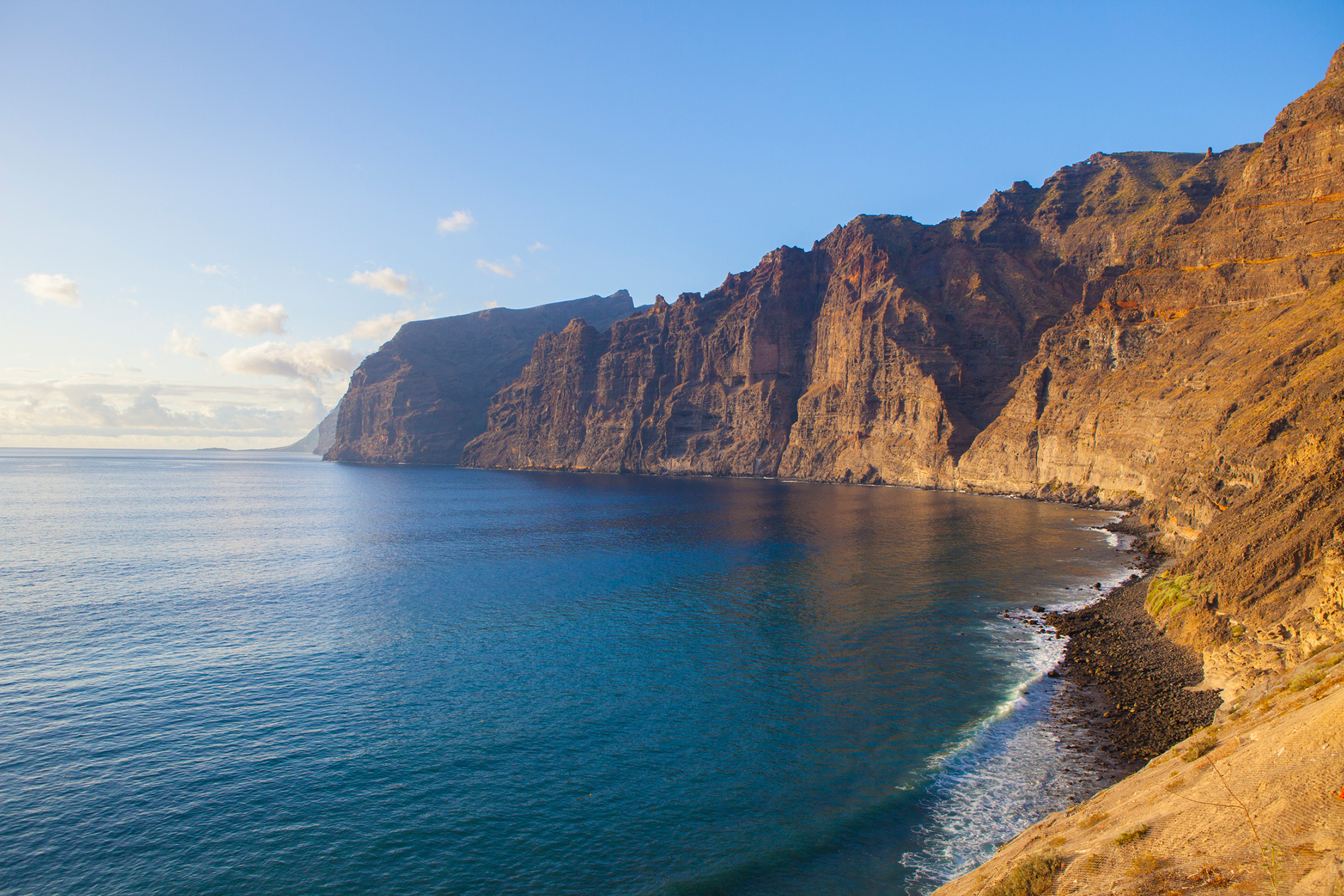
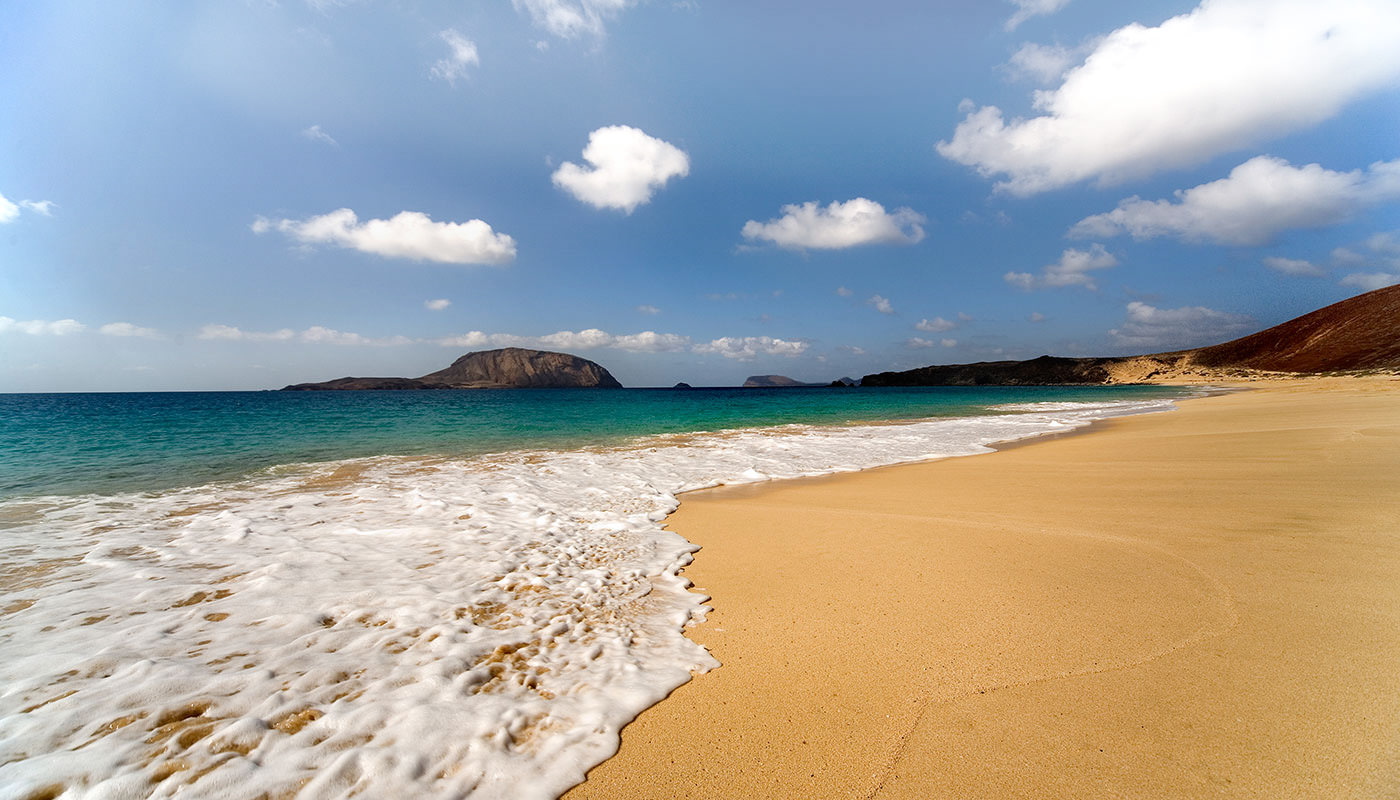
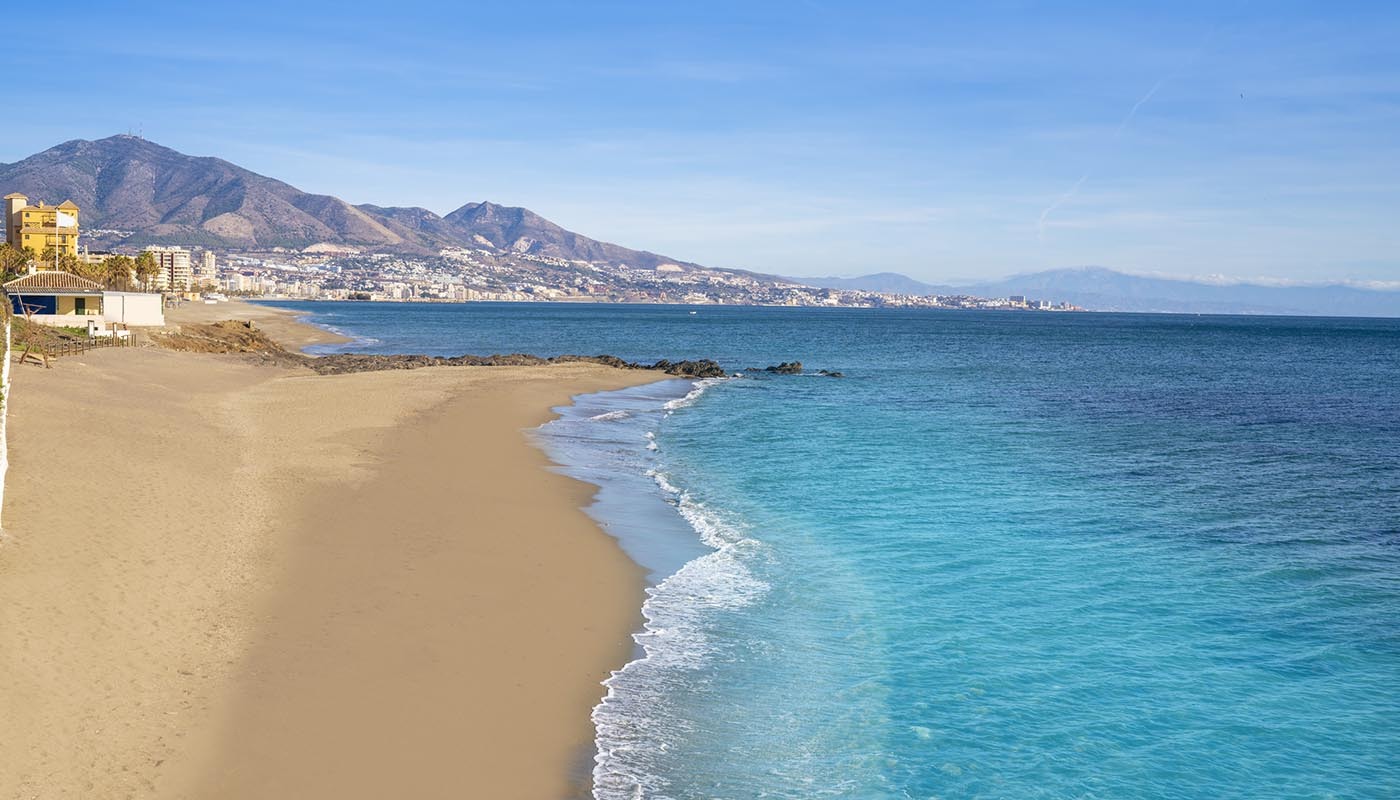
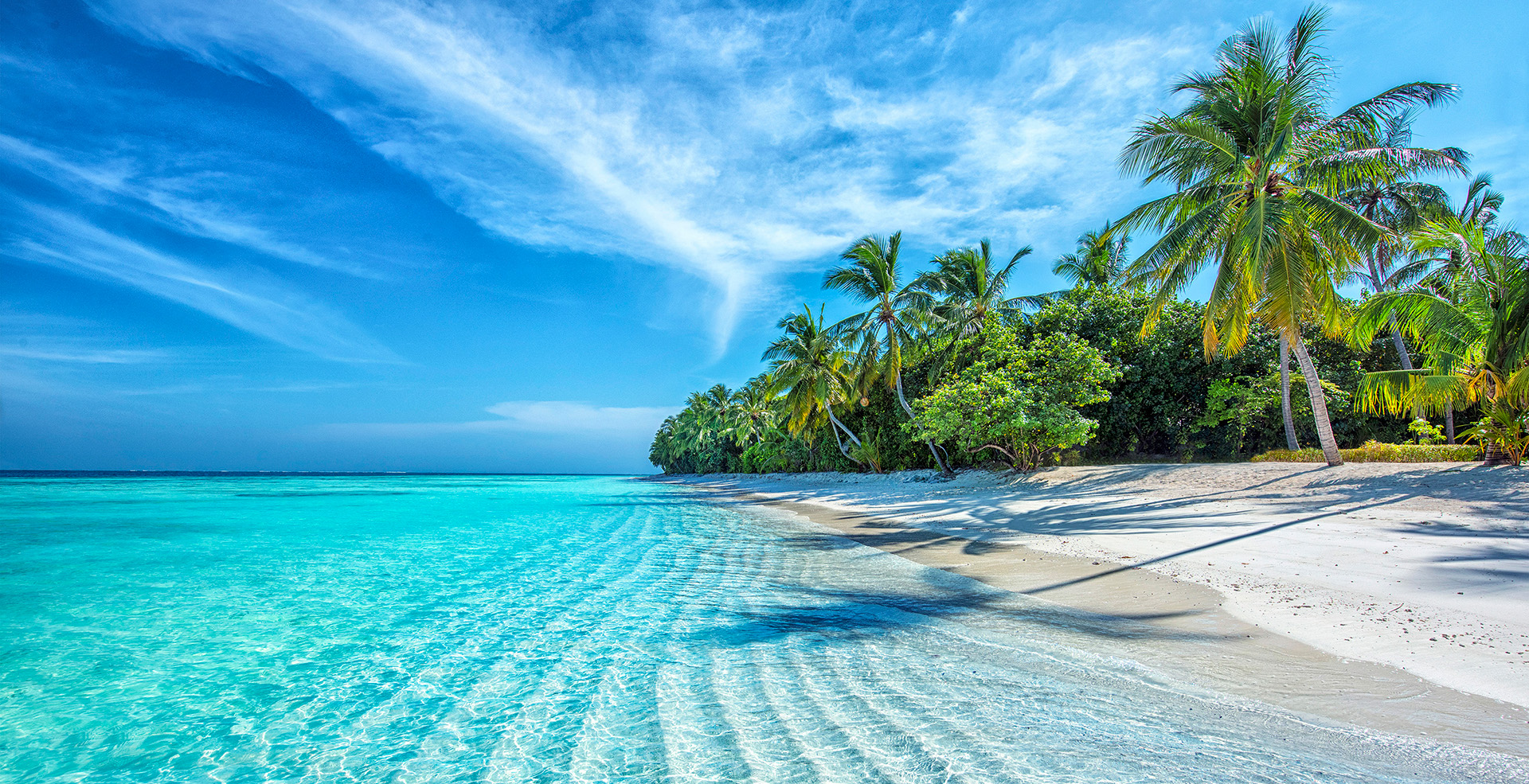
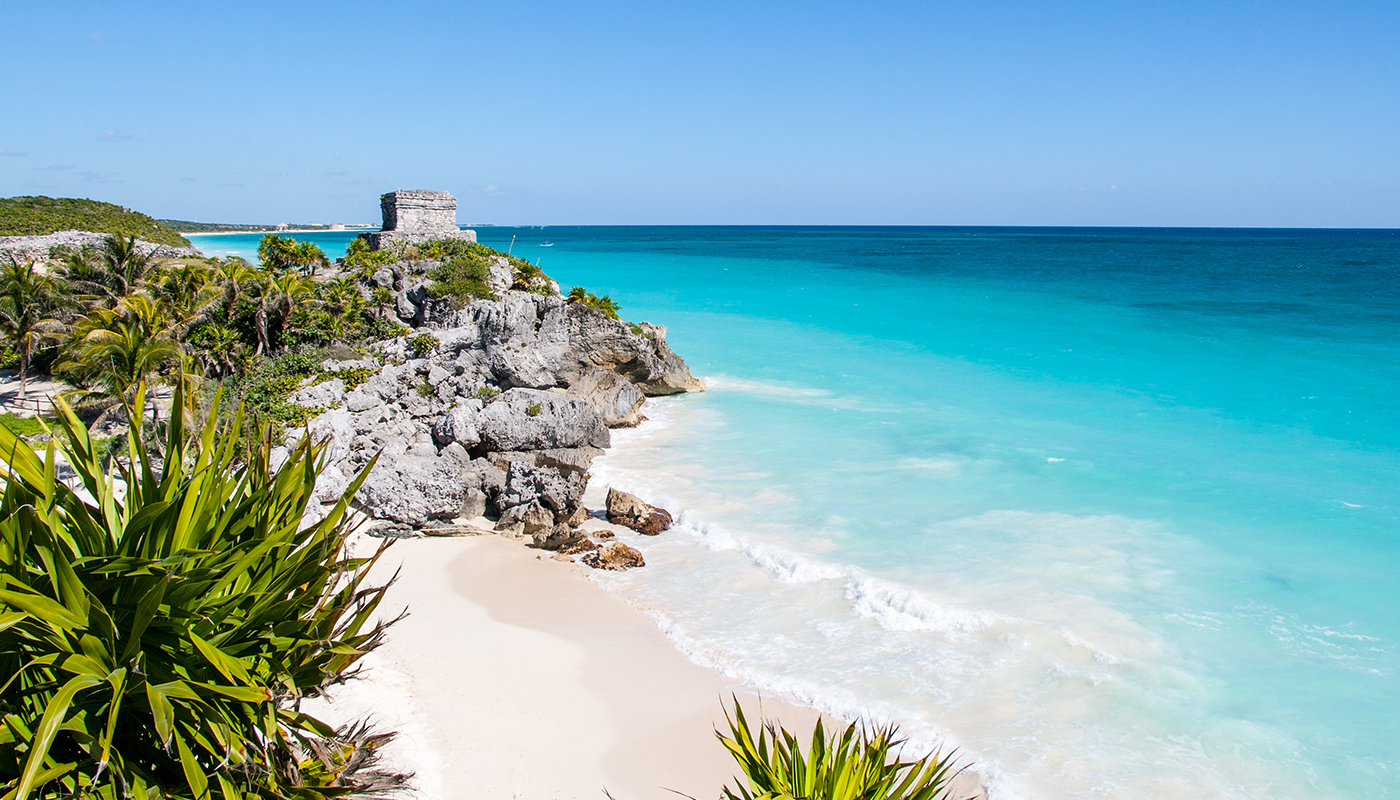
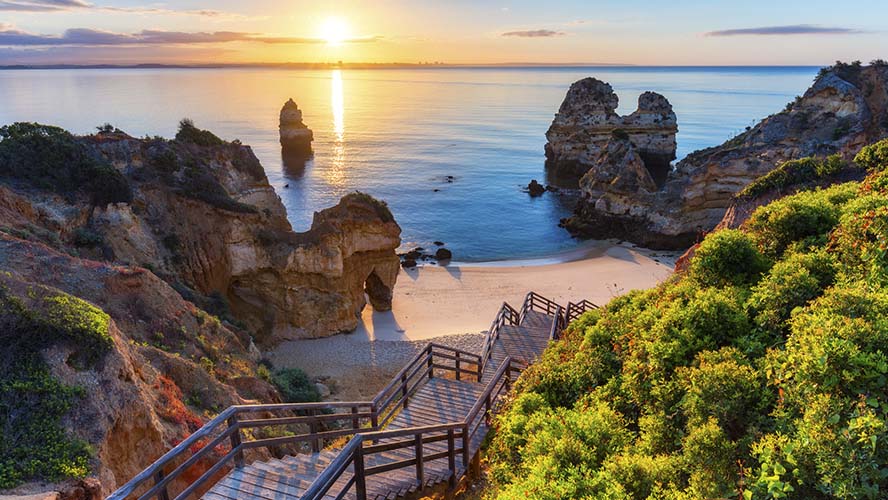
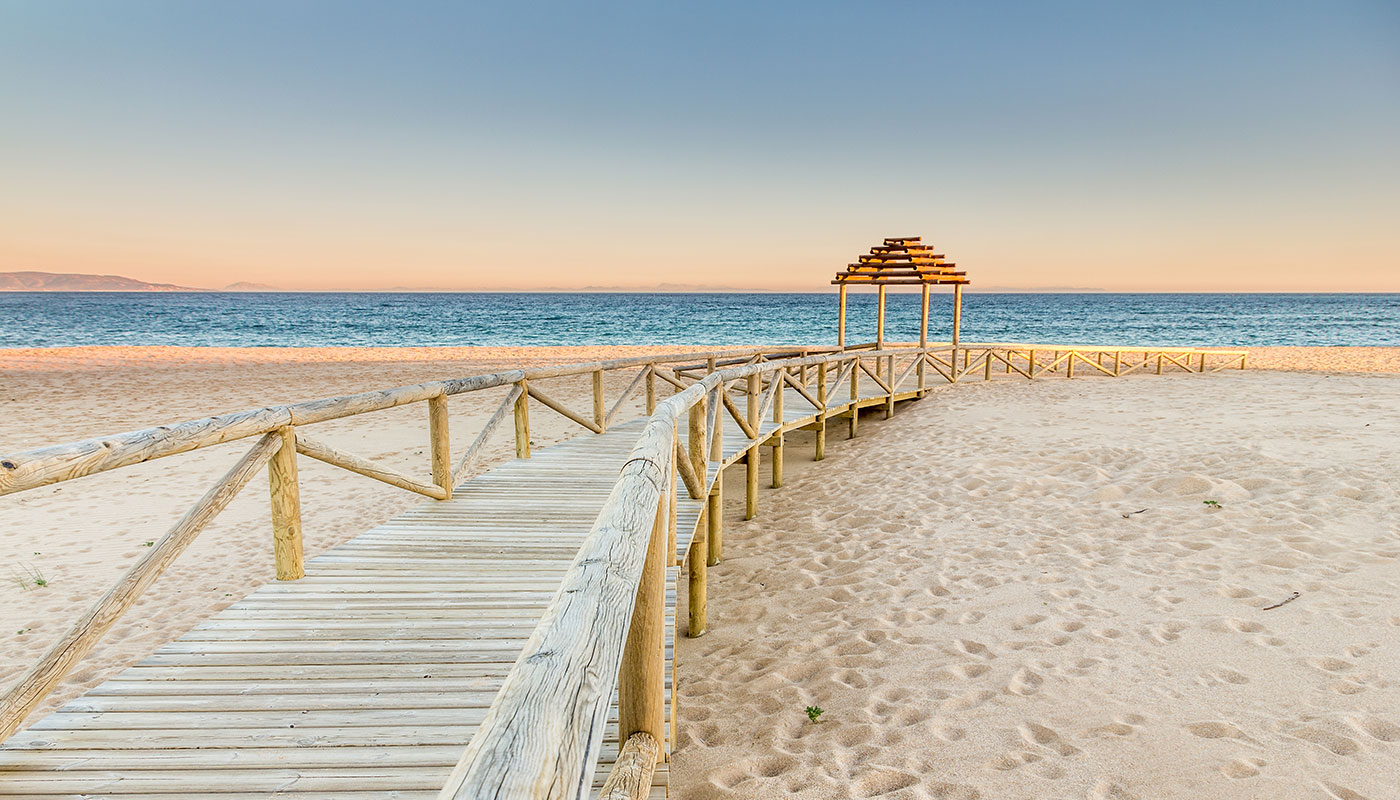
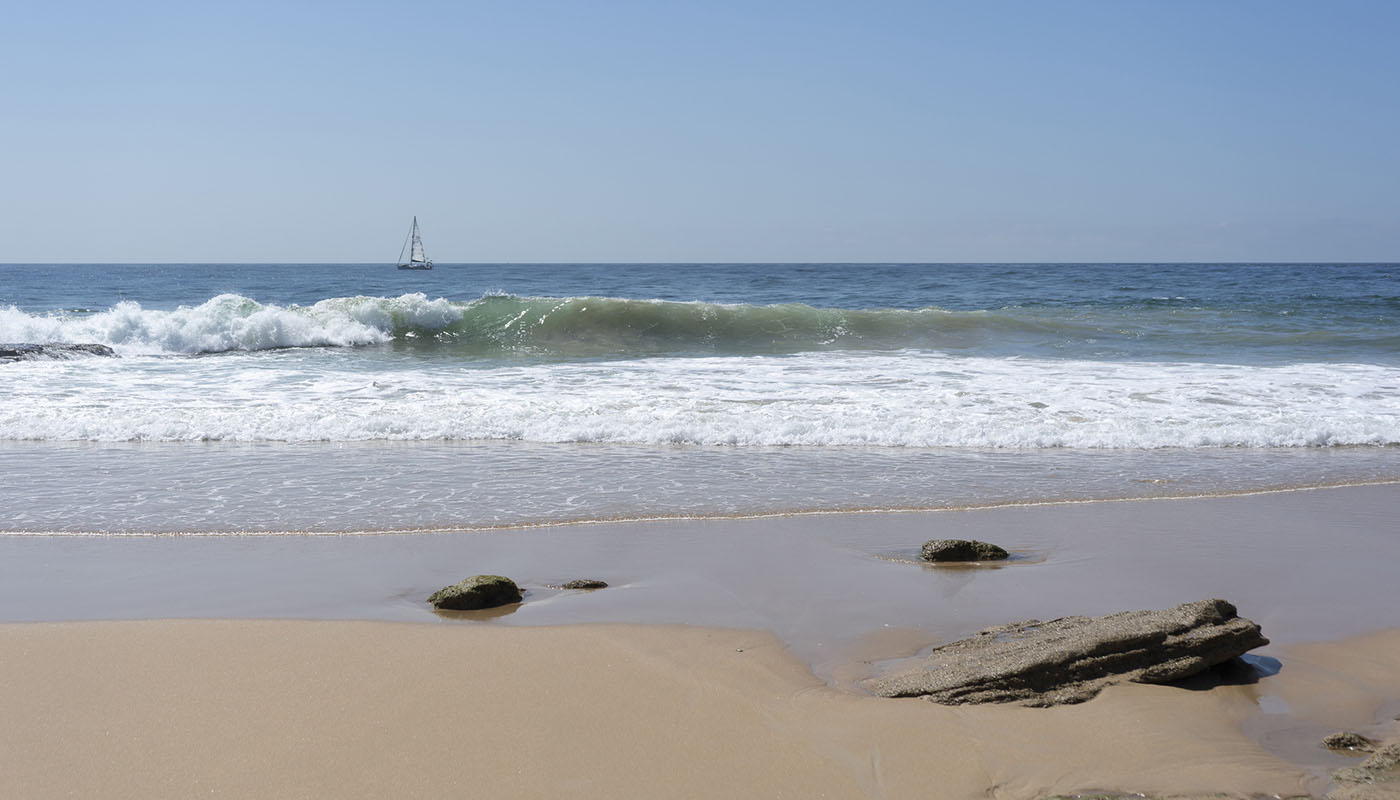
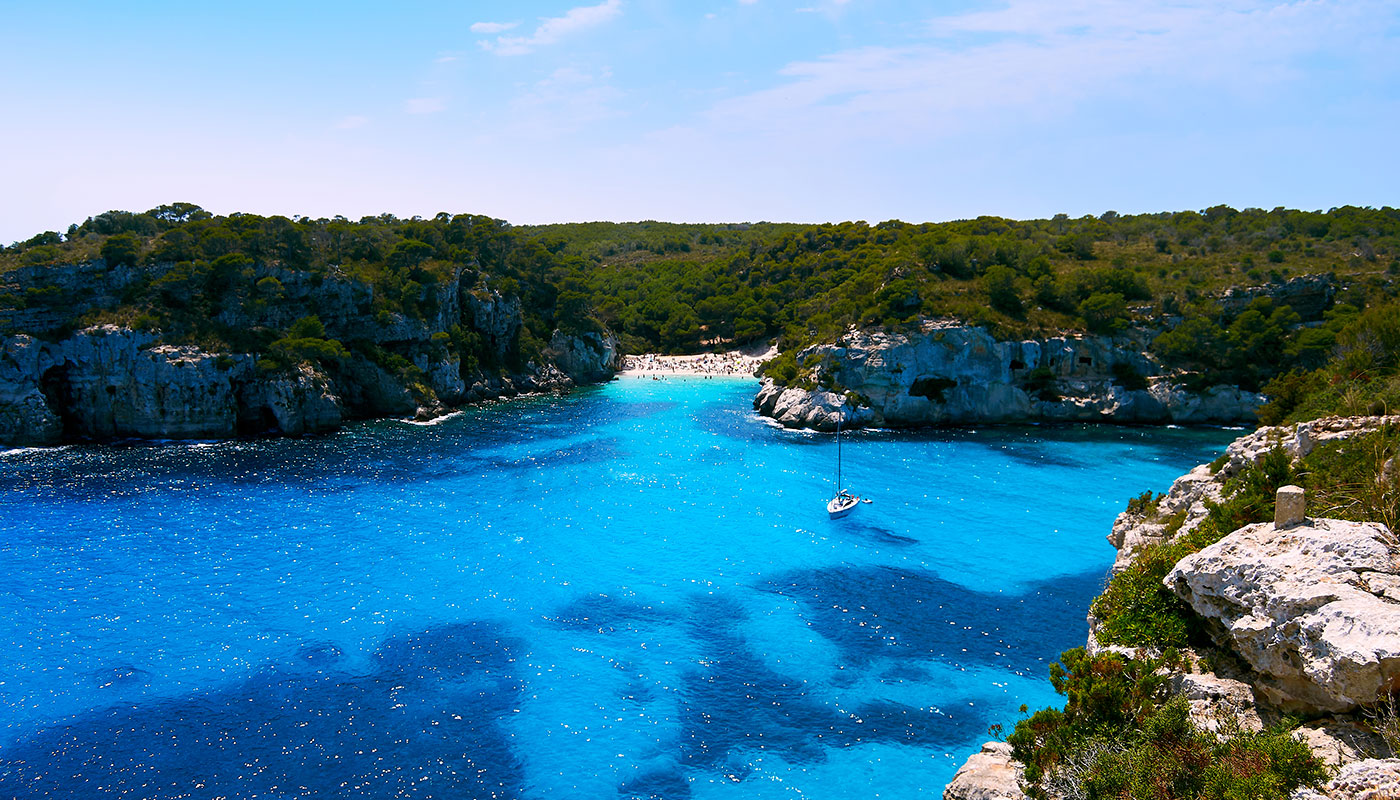
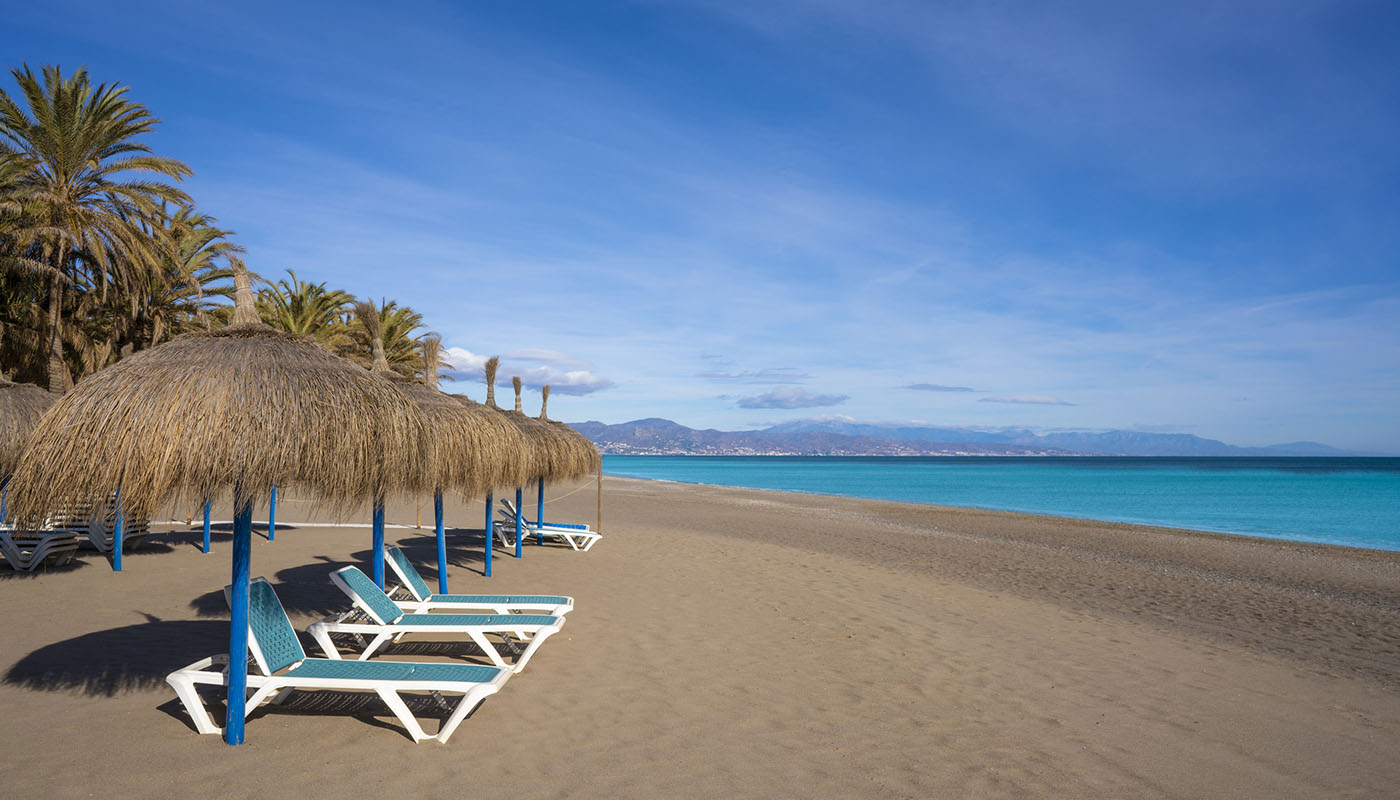
Portimão is home to some of the most spectacular beaches in southern Europe. The most famous is Praia da Rocha, a vast stretch of golden sand over a kilometre long, flanked by sandstone cliffs, sea caves and natural viewpoints. Its seafront promenade buzzes with life in the summer months, lined with bars, restaurants and nightclubs facing the Atlantic.
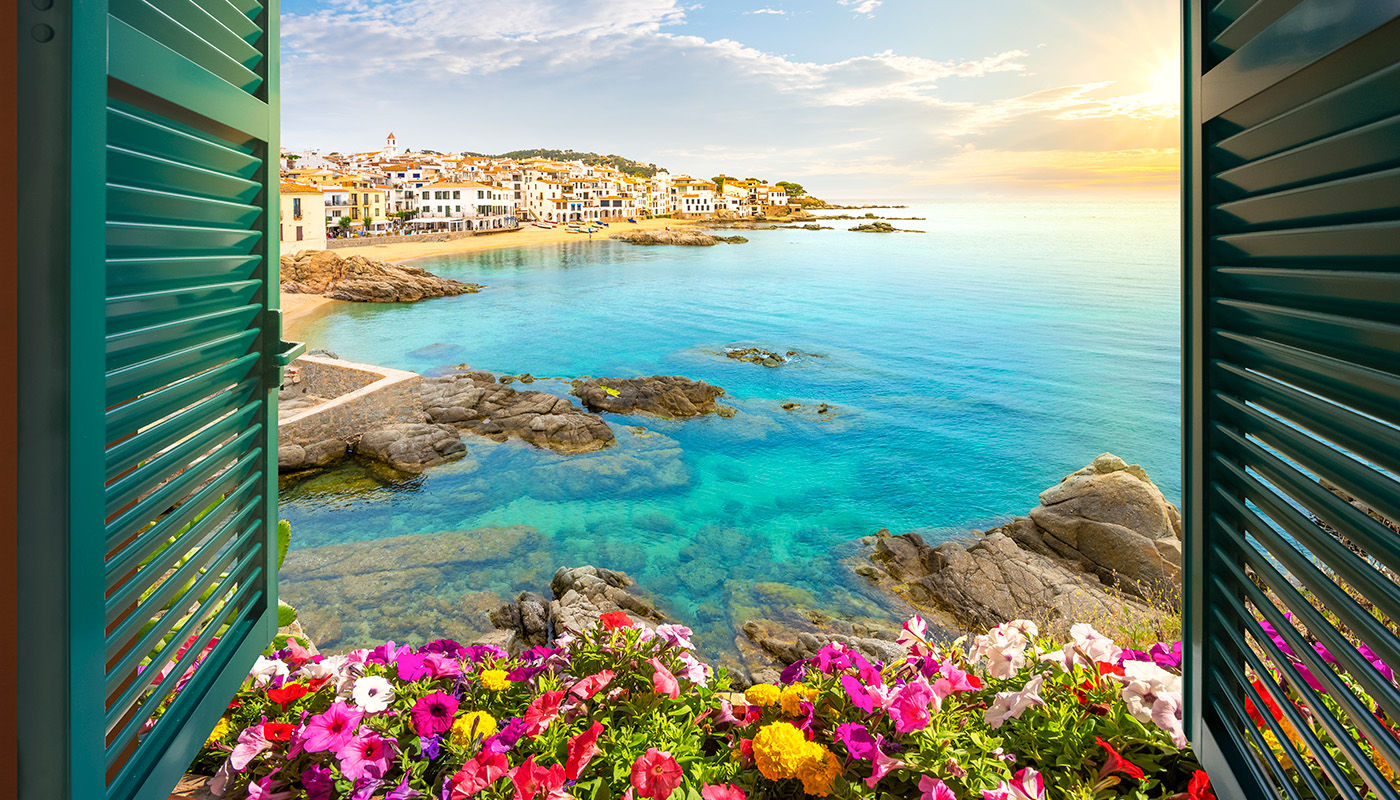
Further west lies Praia do Vau, a quieter, more family-oriented spot, with rock formations that shelter it from the wind and make for calmer waters. Next to Rocha, Praia dos Três Castelos is dotted with rocky islets, caves and stone columns that create a picture-perfect landscape. For those in search of tranquillity, Praia do Alemão, nestled between pine woods and low-key residential areas, offers a more secluded atmosphere.
Activities and places to visit nearby: wild nature, castles, thermal springs and whitewashed villages
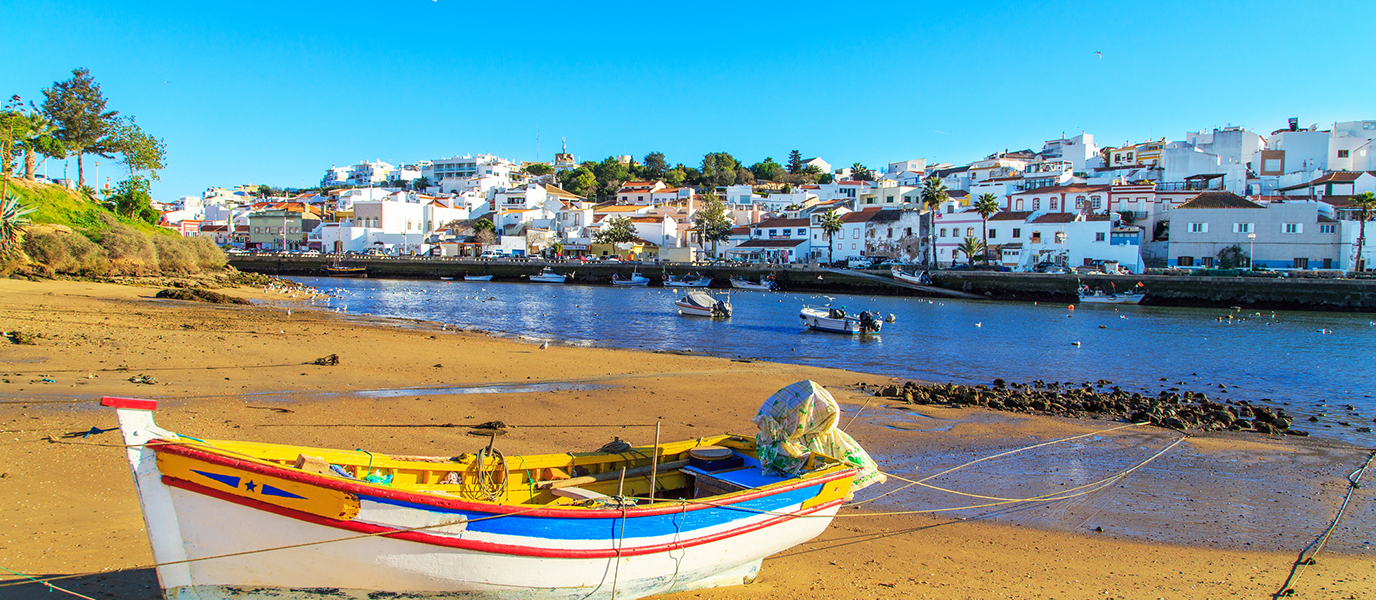
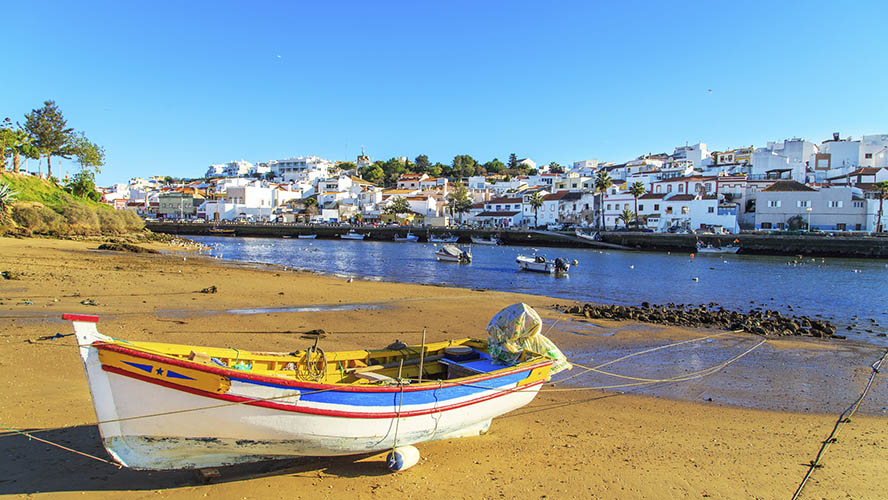
Portimão is a perfect base for exploring the Algarve’s many charms. Just across the river is Ferragudo, a whitewashed village with steep lanes, fishing boats beached on the sand and a castle perched above the sea that looks like it belongs in a fairy tale. Inland, the Monchique Mountains offer lush, mountainous scenery, hiking trails, the thermal springs of Caldas de Monchique and the spectacular viewpoint of Foia, standing 902 metres above sea level.
You can also explore the Alvor estuary, a protected natural reserve ideal for birdwatching, kayaking or sunset boat tours. Many local agencies run trips to the Benagil sea caves, which can only be reached from the water. For active travellers, there are cycling routes connecting Portimão with neighbouring towns, as well as local wineries offering tastings of Algarve wines right in the vineyard.
Where to eat in Portimão: grilled fish, stews and convent sweet treats
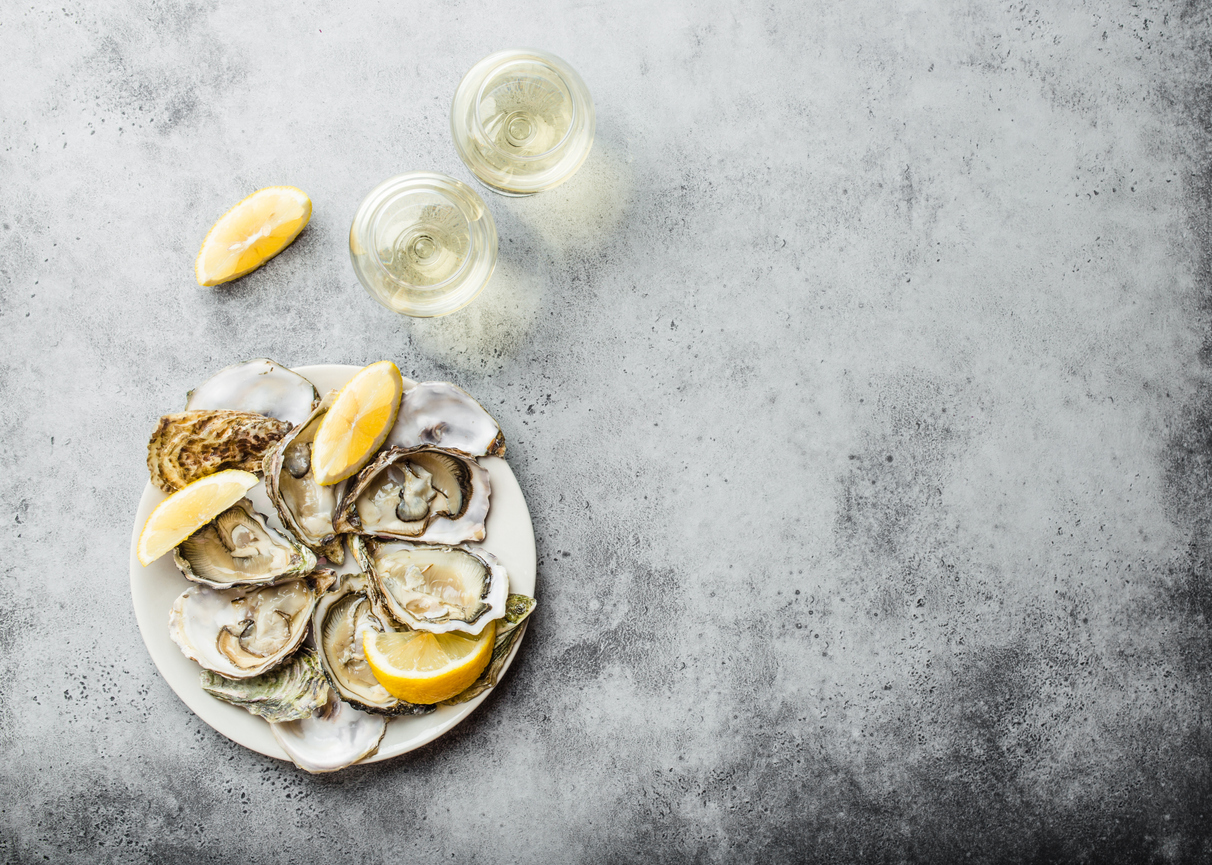
Portimão is synonymous with fresh fish and glowing charcoal grills. In the port area, especially in the Ribeirinha district, you’ll find plenty of restaurants specialising in grilled sardines, sea bream and sea bass, all cooked to perfection over open flames. They’re typically served with boiled potatoes, tomato and onion salad and rustic bread. Also worth trying are stews like caldeirada de peixe, full of rich flavours and deep-rooted tradition.
Among the desserts, bolo de tacho, made with molasses and spices, and morgados of almond and fig reflect the Algarve’s convent and rural heritage. In recent years, more contemporary offerings have emerged, such as gastrobars, tasting menus and creative kitchens that reinterpret local recipes using modern techniques. Dining in Portimão is a sensory journey through the sea, the land and the town’s history.
For classic fare, Restinga Ribeirinha is a great choice, an unpretentious seafood restaurant by the port where sardines take centre stage. For something more innovative, F, located across from the Arade, offers a creative menu built around local ingredients and contemporary techniques, with panoramic views and a carefully curated wine list.
A much-loved traditional option is Restaurante Dona Barca, near the port, where grilled sardines are the main attraction and the atmosphere still retains its local charm. For a more modern setting, Faina Restaurante, housed in the former Feu Hermanos factory, blends signature cuisine with the city’s industrial legacy, offering an elegant space by the River Arade.