








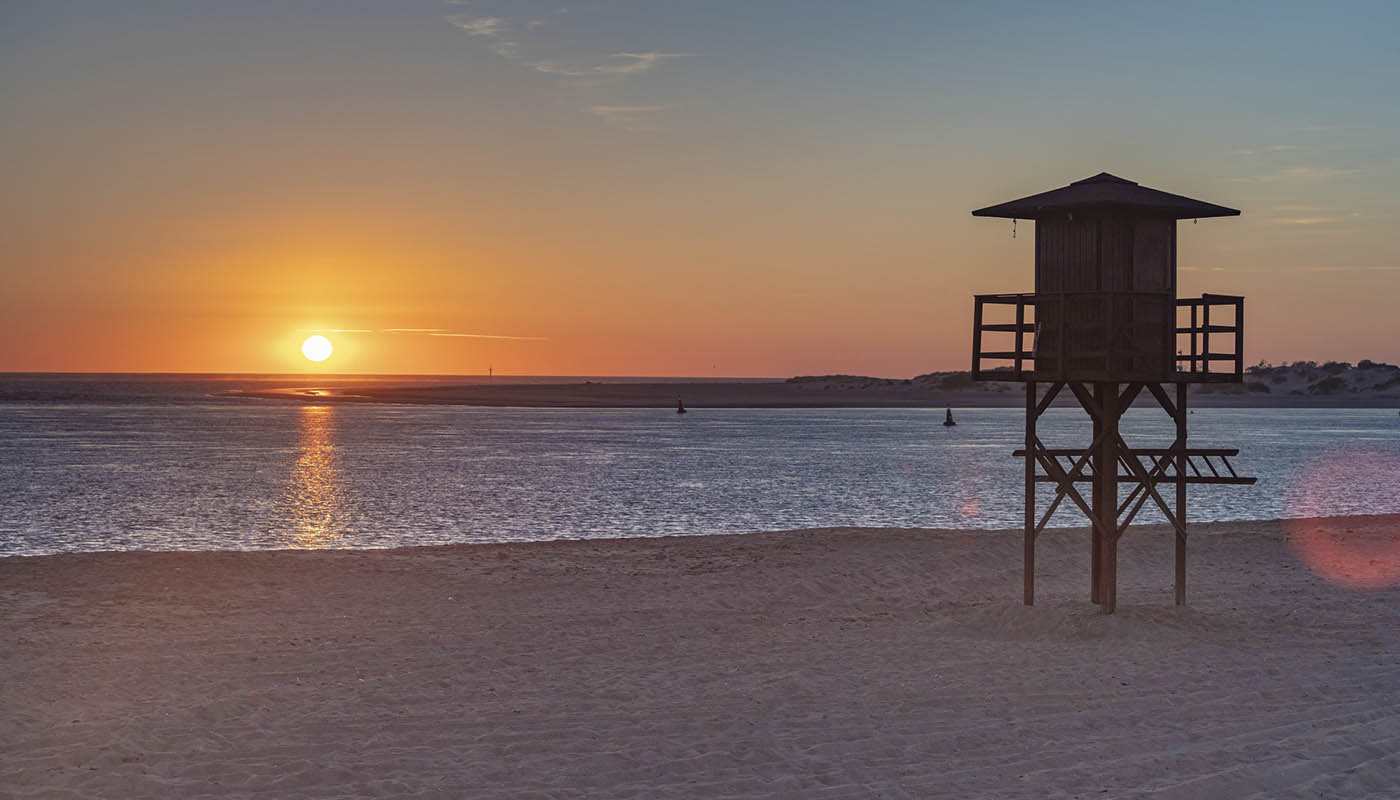
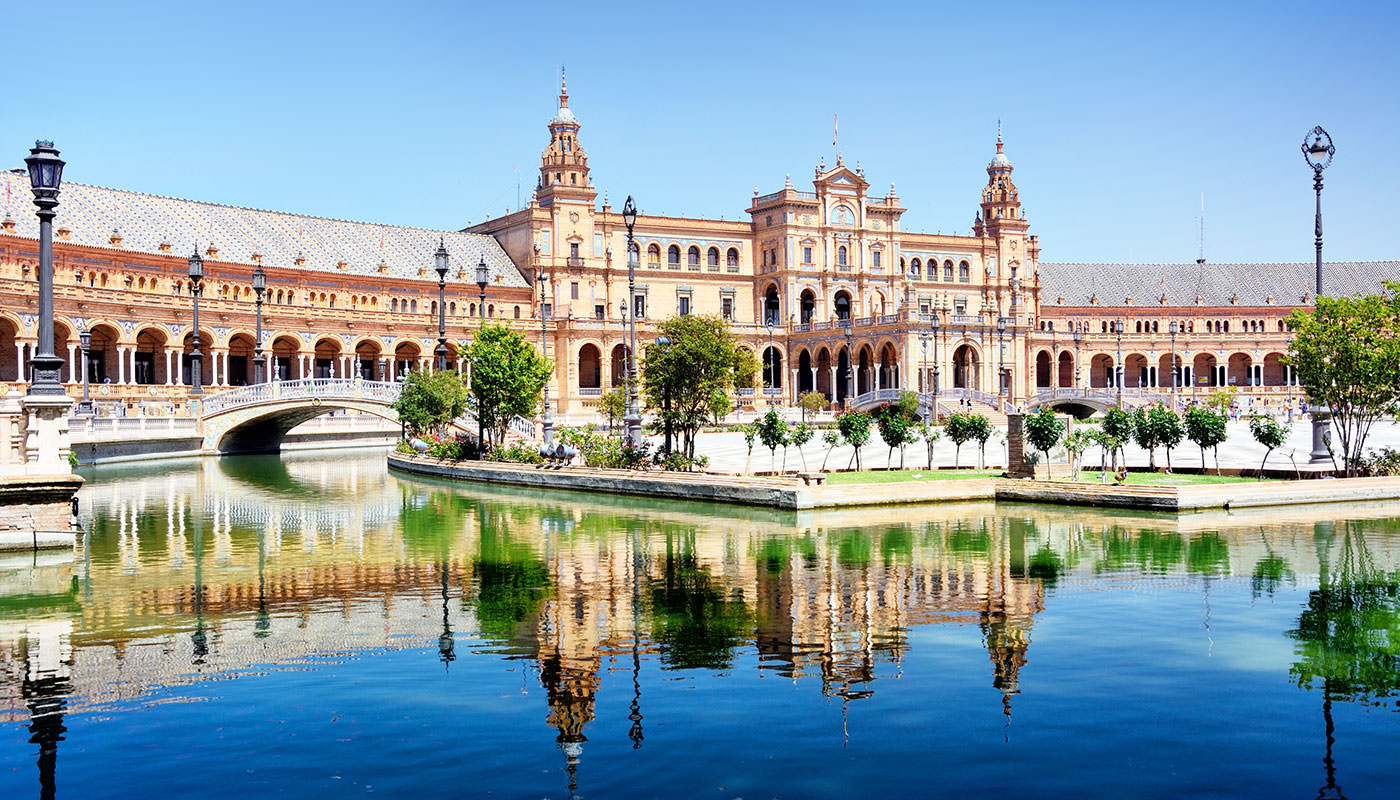
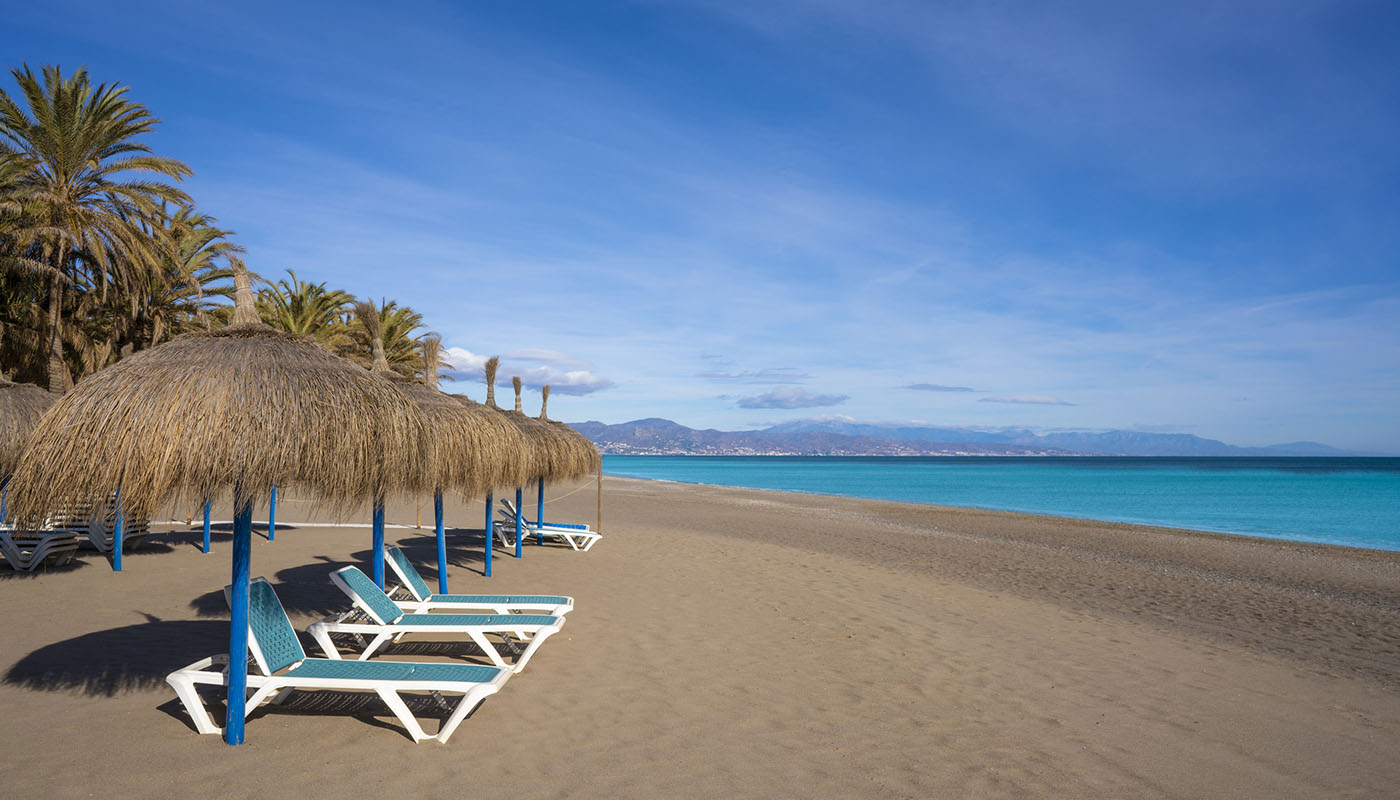
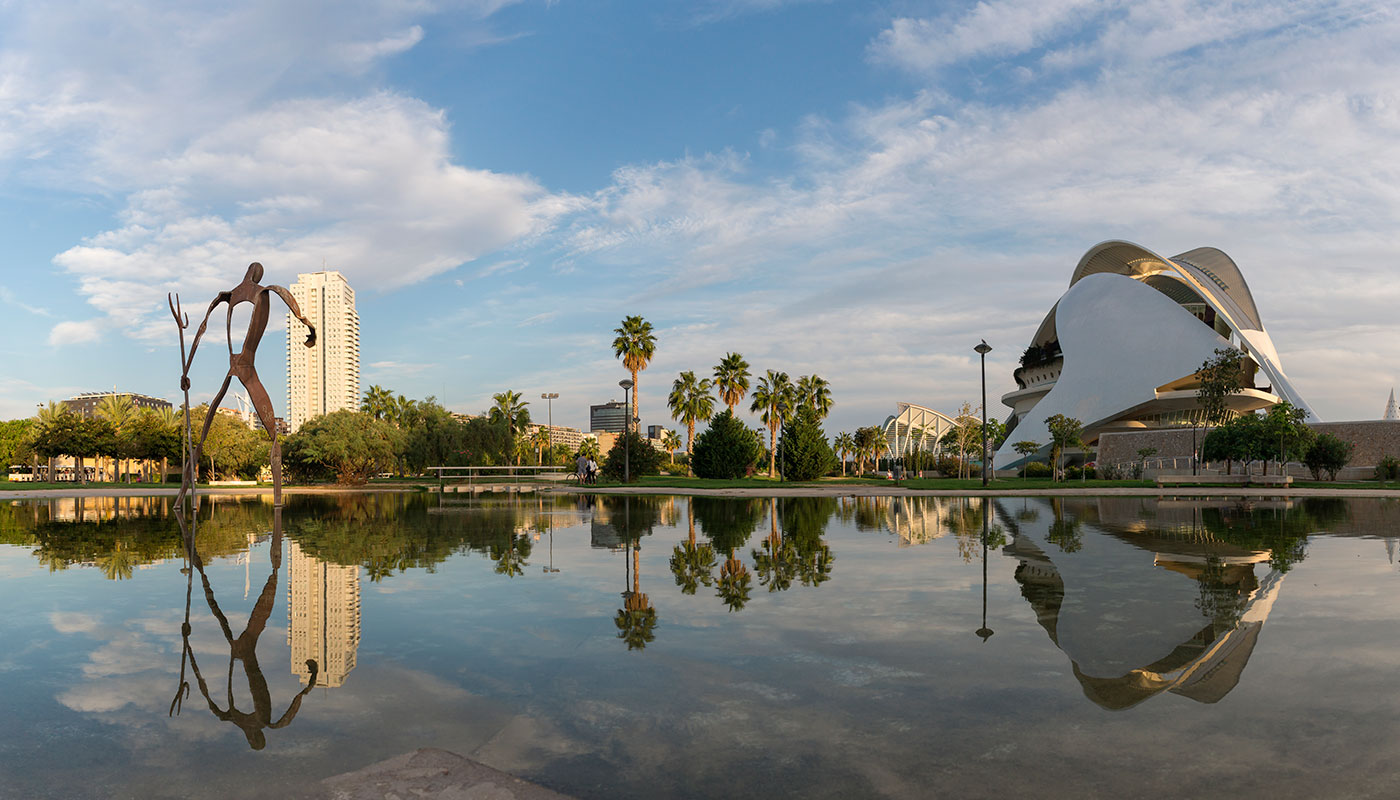


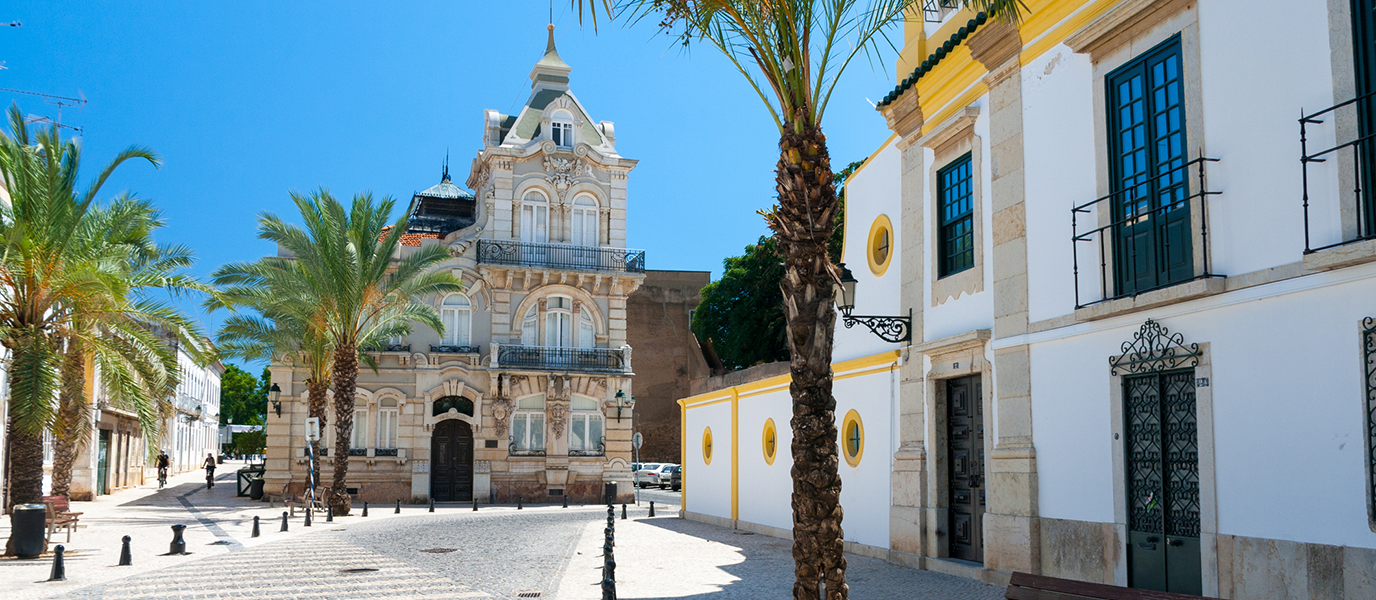
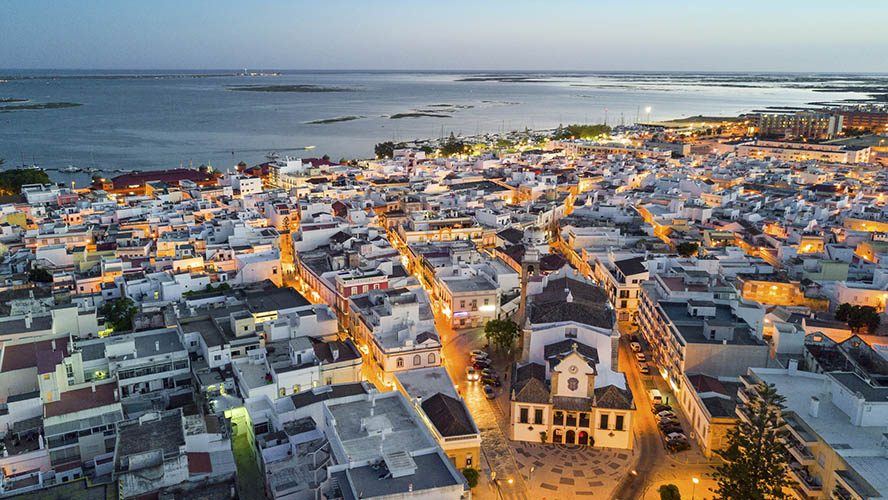
First impressions of Faro are not startling. Its charm resides in the detail: in the stretches of Arab walls that still surround the Vila Adentro, in the Roman stones re-used in building the walls of its churches, in the monasteries converted into museums, and in the rooftops where, for centuries, storks have built their nests. Located at Portugal’s southernmost point (barely ten kilometres from the international airport, and close to the Ría Formosa nature reserve), Faro has been a stopping-off point for Phoenicians, Romans, Arabs and Christians. Unlike other cities in the Algarve, its urban profile is not defined by great beaches, but by centuries of history. Since its origins as the ancient town of Ossonoba — a fairly important trading town in Roman times — to its rebuilding following the 1755 earthquake, Faro has been destroyed and rebuilt more than once, but never permanently eradicated. The traveller who stays here will find a historic quarter that has survived earthquakes, invasions and conflagrations, and in which every stone has a story to tell. Here, time has not stopped, but it has learnt to co-exist with its convulsive history.
- The history of Faro: from Roman ‘Ossonoba’ to the plundering and earthquakes that have fixed its identity
- The essential attractions of Faro: a map of open secrets
- Faro Marina: the Algarve’s seafaring soul
- Arco da Vila: a gateway to the past
- The Old Quarter: Vila Adentro, walking towards the origins of Faro
- Faro Cathedral: a convergence of influences with views of the Ría Formosa
- The Igreja do Carmo and the Capela dos Ossos: the Baroque looking towards death
- Faro’s museums: small treasures for a leisurely visit
- Places to visit near Faro: islands, villages, and salt flats that gleam in the sun
- Recommended restaurants in Faro: traditional and signature taverns to relish in the Algarve
The history of Faro: from Roman ‘Ossonoba’ to the plundering and earthquakes that have fixed its identity
Probably founded in pre-Roman times under the name of Ossonoba, Faro was a hugely important port-city under Roman rule, thanks to its strategic position facing the Ría Formosa lagoon. Archaeological excavations have brought to light mosaics, coins and the remains of villas that bear testimony to this period of commercial and maritime splendour. It would be under Muslim domination, however, between the eighth and thirteenth centuries that the city would acquire its most lasting legacy: its defensive walls, the labyrinthine streets of its historic quarter and part of the hydraulic infrastructure all date from this period, when it was known as Santa María Ibn Harun.
Conquered by the Christians in 1249, Faro became part of the Kingdom of Portugal, and saw new prosperity thanks to its port, which enabled trade with north Africa and the Mediterranean region. At the end of the fifteenth century, it was plundered by the English corsair Robert Devereux, the Count of Essex, who destroyed much of its heritage, including its valuable episcopal library. Later, in 1755, the Lisbon earthquake caused severe damage, although the devastation here was not as grave as in other nearby cities.
In spite of these historic wounds, Faro has succeeded in preserving superimposed layers of its past. The medieval city wall is dotted with Baroque mansions, its cathedral (the Sé de Faro) stands on Roman and Visigoth foundations, and today, fragments of the Arab gateway can still be seen in the Arco de la Villa. Faro’s history is not linear, but rather a series of reconstructions, of silences and reappropriations that give the city its particular tone: that of a serene beauty, weathered by time.
The essential attractions of Faro: a map of open secrets
Faro Marina: the Algarve’s seafaring soul
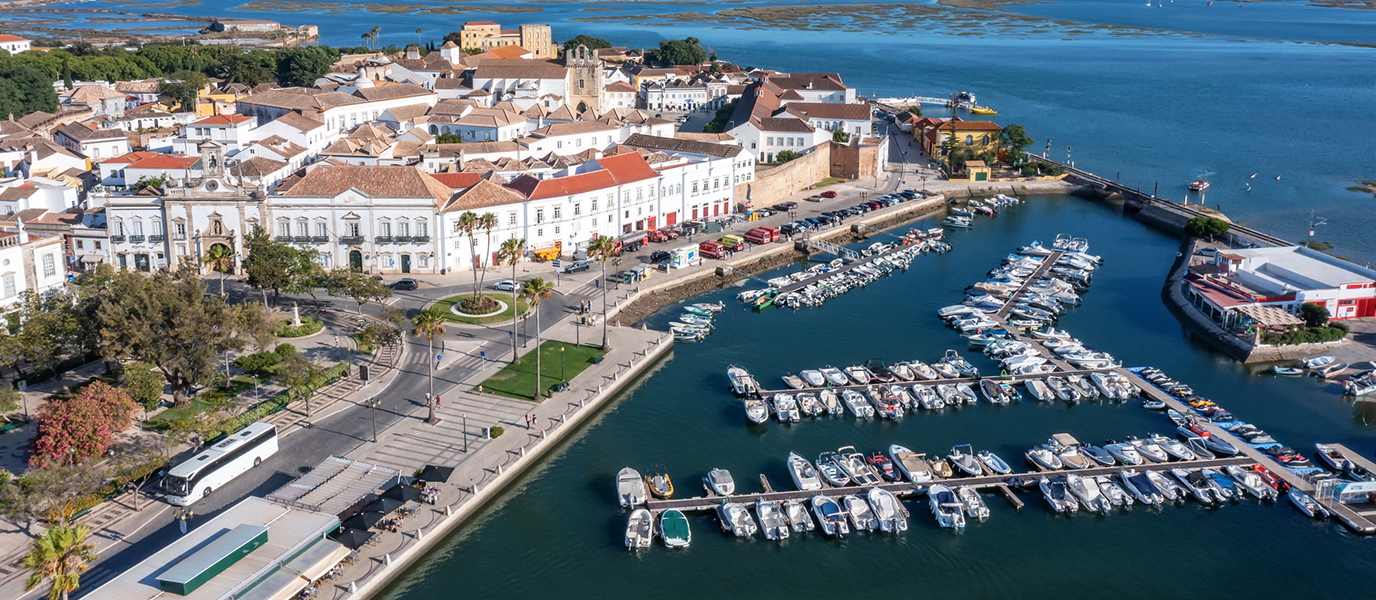
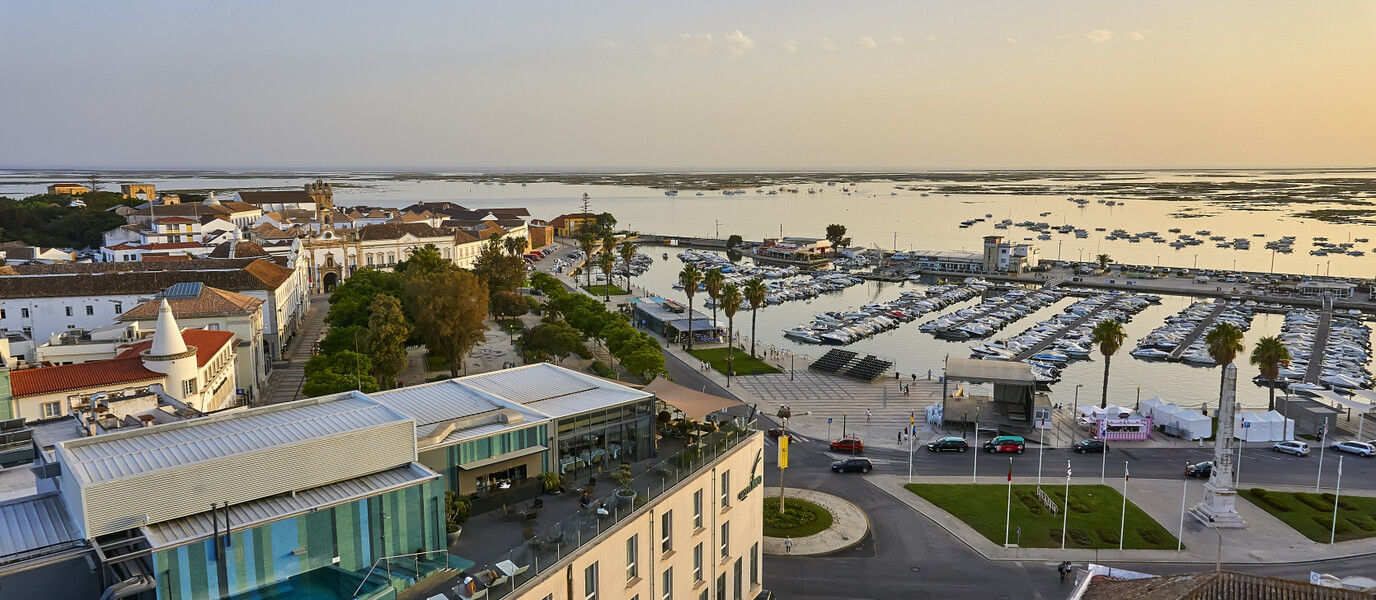
Located just a stone’s throw from the historic quarter, Faro Marina is much more than a leisure marina: it is the place where the city breathes in the sea air. Its modern developments co-exist harmoniously with the area’s traditional architecture, in an enclave that extends alongside the Avenida da República and serves as an ante-room to the seafaring life of the Algarve. The masts of vessels are perfectly reflected in the marina’s calm waters, and it is not unusual to see small fishing boats moored next to private yachts, as if tradition and tourism have agreed to share the quayside.
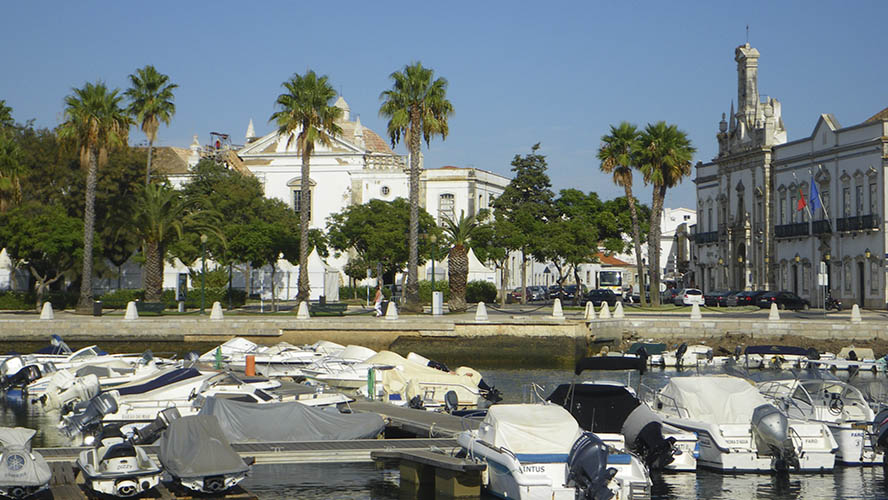
Taking a stroll along the marina shore at sunset is almost a ritual: the colours of the sky blend with those of the water, and the terraces fill with travellers and locals enjoying coffee while watching the boats come and go. Lots of excursions depart from here for the Ría Formosa, especially catamarans and vessels offering visits to nearby islands. The marina is also an informal cultural focal point: it is not unusual to find impromptu music performances, second-hand book fairs, open-air exhibitions, and street artists making charcoal sketches of the boats.
Arco da Vila: a gateway to the past
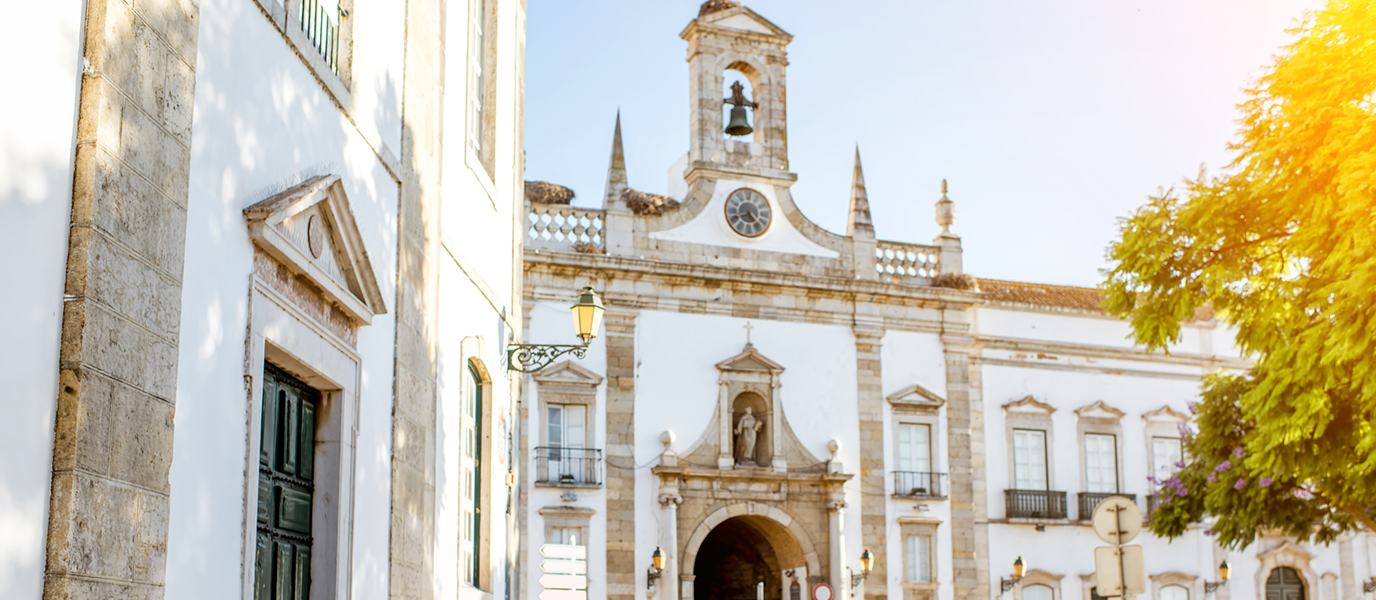
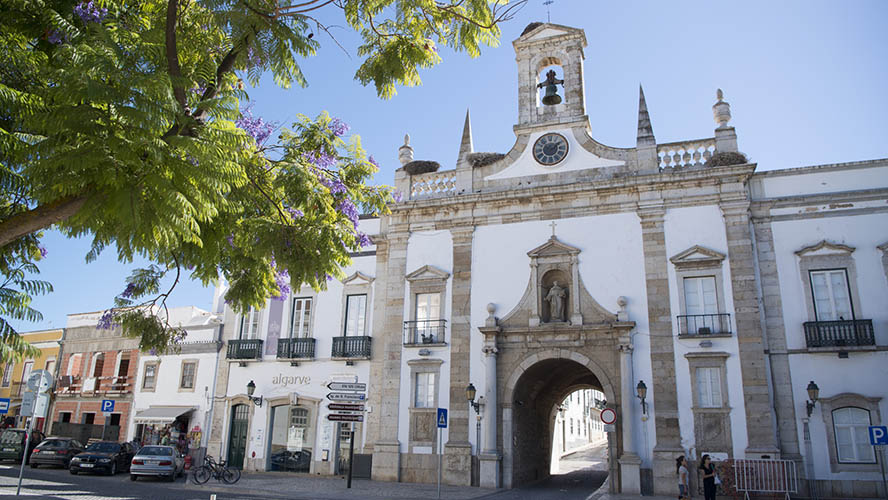
This monumental nineteenth-century archway is not only one of the most photogenic ways into the historic quarter, but it is also a symbolic doorway between historical ages. It was erected in 1812 on the site of an old Arab gateway, the structure of which can still be seen on the inside of the passage. The design is the work of the Italian architect Francisco Xavier Fabri, who was also involved in designing other neo-classical buildings in southern Portugal. The façade, crowned with a statue of Saint Thomas Aquinas, combines elegance and austerity, leading into a world where the pace changes and there is a sense of history dating back over many centuries.
Going through the Arco da Vila is more than simply a tourist ritual: it is a passage into a Faro of narrow streets, old city walls and quiet echoes. The gateway formed part of the medieval defensive wall that protected the city, and has been declared a National Monument. Right next to it is the Town Hall, housed in the former Episcopal Palace, something that adds to the institutional and symbolic nature of this gateway. The noise is muted as you enter, as if the stones themselves are showing respect for the history that still permeates them.
The Old Quarter: Vila Adentro, walking towards the origins of Faro
After passing through the Arco da Vila, you find yourself in the Vila Adentro, the walled nucleus of Faro. Its origins date back to Roman times, to a time when the city of Ossonoba, a significant port, stood here. The twisting, cobbled streets conform to a medieval layout, and many of the façades retain wrought iron grilles and noble shields. The remains of the old Arab wall can still be seen on several corners, and the whole district has been carefully preserved, having managed to avoid succumbing to the rush of modern tourism.
Little squares such as the Largo da Sé offer shady oases beneath age-old orange trees, while storks nest on the rooftops of historic edifices. Here you will find some of Faro’s most iconic monuments, including the Cathedral, the Episcopal Palace, the Church of São Francisco, and the Municipal Museum. But aside from the list of places to see, what sets this place apart is its atmosphere, an ancient silence as if even the stones were breathing more slowly. The Vila Adentro is not just Faro’s historic centre, it is also its living memory.
Faro Cathedral: a convergence of influences with views of the Ría Formosa
The Sé de Faro stands on the site of a former Paleo-Christian basilica which, after the Moorish invasion, was converted into a mosque. Subsequently it was reconverted into a Christian church following the Reconquest in the thirteenth century. There are many visible signs of this heterogenous past, but the cathedral’s present structure is a distillation of influences from several periods: a Gothic base, a tower with a square floor plan, Renaissance details on the main entrance, and Baroque additions to the internal chapels. This is a cathedral built over a period of centuries, and its stylistic quirks make it unique.
Inside, its outstanding features include gilded eighteenth-century altarpieces, painted wood carvings, and a Baroque pipe organ, still in working order. Some of the chapels are decorated with seventeenth-century tiles depicting religious scenes and geometric motifs. The climb up to the tower, via a narrow stairway, rewards visitors with one of the most complete panoramas of Faro: the labyrinthine historic quarter, the expanse of the Ría Formosa and, on clear days, the shapes of the islands in the background. The storks that nest in the bell tower are undaunted by the visitors: they seem to form part of the cathedral, like winged guardians of the city.
The Igreja do Carmo and the Capela dos Ossos: the Baroque looking towards death
Located to the north of the city centre, the Igreja do Carmo has a dazzling Baroque façade, set off by twin towers and a profusion of stone detail that appears to defy gravity. Built during the eighteenth century (thanks to gold brought from Brazil), its interior is a refined example of Portuguese sacred art: heavily decorated altarpieces, gilded wooden carvings and an atmosphere highly conducive to contemplation.
But what makes a visit to this church unforgettable is the Capela dos Ossos, towards the back of the building. This little chapel is completely covered in human bones: skulls, femurs, ribs and vertebrae carefully arranged to form a macabre pattern. Built in 1816 using the bones of over a thousand Carmelite monks exhumed from the local cemetery, the chapel aims to cause not shock, but reflection. Over the entrance is a sign: “Pára aqui a considerar que a este estado hás-de chegar”. Stop here, and think: you too will reach this state.
Faro’s museums: small treasures for a leisurely visit
Faro does not boast any great museums, but those it does have offer an intimate and unhurried experience. The Municipal Museum, housed in the old Renaissance convent of Nossa Senhora da Assunção, is a gem thanks to both its content and its location. Here you can see Roman mosaics from Milreu (such as the famous Neptune mosaic), medieval sculptures, religious paintings, and works by modern Portuguese artists. The convent’s perfectly preserved cloister is, in itself, an invitation to contemplation.
Another outstanding attraction is the Centro de Ciência Viva do Algarve [Algarve Living Science Centre], ideal for anyone who is travelling with children or who wants to learn more about the Ría Formosa’s unique ecosystem. There are aquariums, simulators and interactive modules that explain everything from the water cycle to the migration of birds. Also noteworthy is Galería Trem, housed in a former military building, which hosts temporary exhibitions of modern art. All these places share a similar character: they are museums that do not dazzle, but that offer oases of knowledge in the heart of the city.
Places to visit near Faro: islands, villages, and salt flats that gleam in the sun
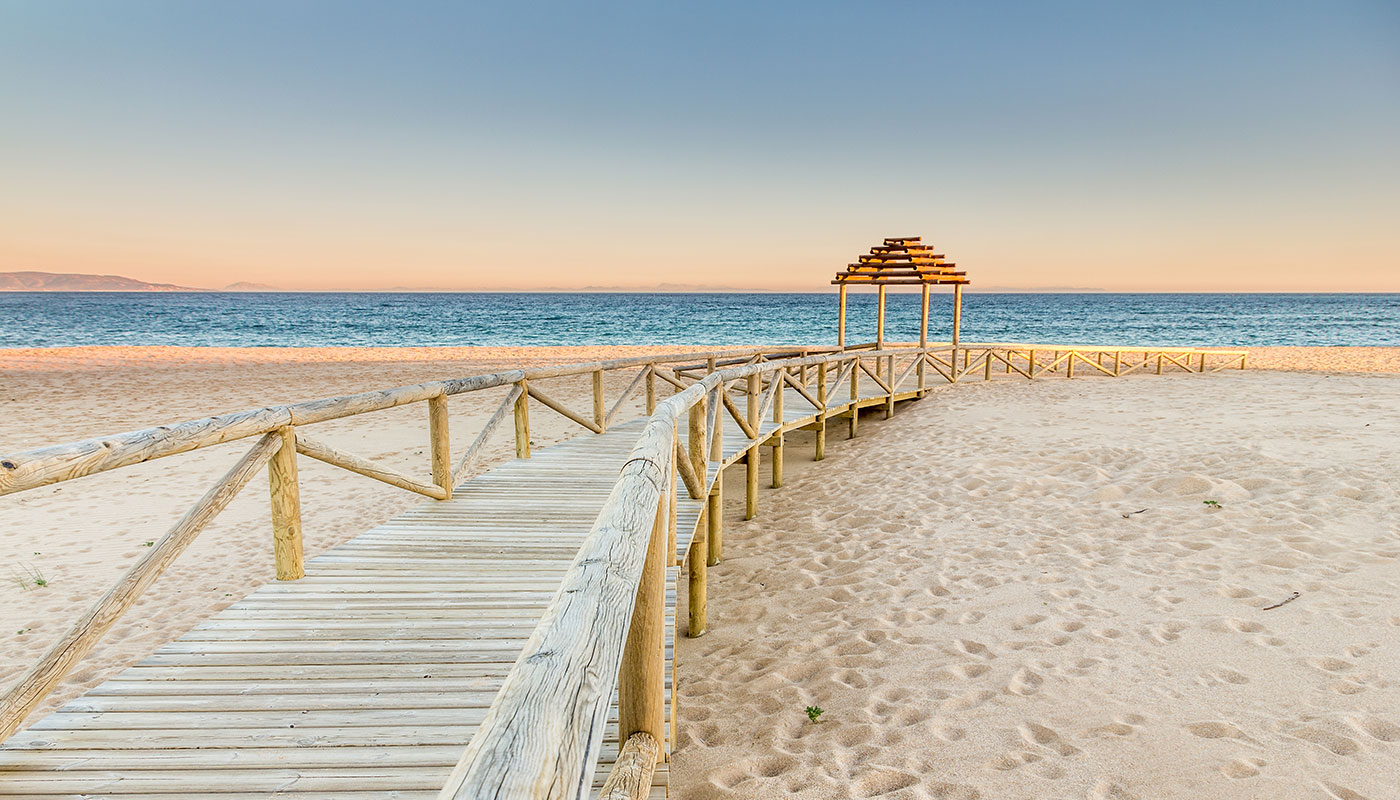
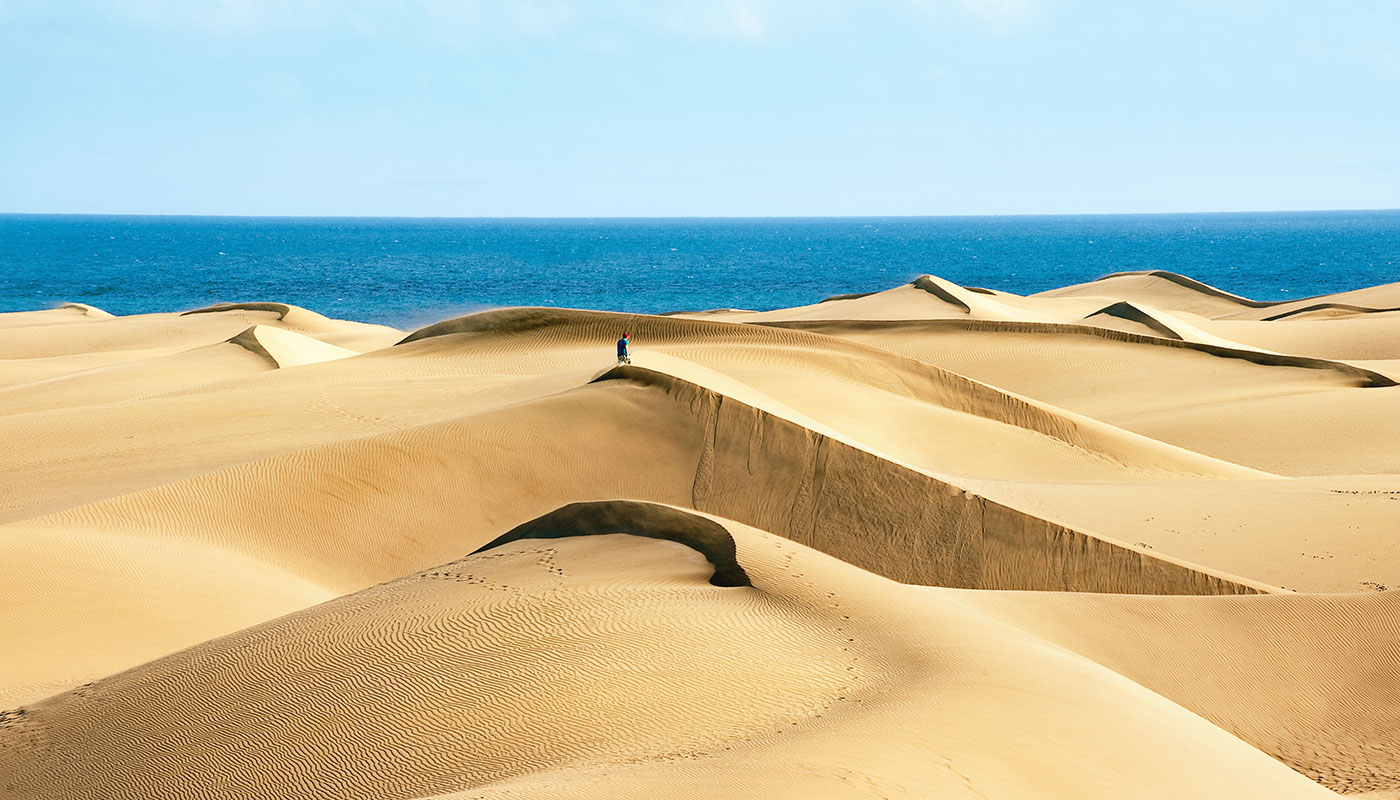
One of the great advantages of staying in Faro is its strategic location for exploring the Algarve beyond the typical tourist sights. From the Porta Nova quay, sailings depart for the Ilha Deserta, a lonely spit of sand where the dunes go on forever and the waters are a translucent blue. The only building here is the Estaminé restaurant — sustainable and powered by solar energy —, something that strengthens the sense of being on the edge of the world. You could also visit the Ilha da Culatra, with its sandy streets, colourful boats, and a community that mainly makes its living from fishing and is a stranger to mass tourism.
Less than 10 kilometres inland lies Estoi, a small town dominated by the Palace of Estoi, a neo-Rococo jewel in pink, surrounded by formal gardens with tiles, statues and staircases. Close by, the Roman ruins of Milreu retain mosaics with marine motifs and clearly marked-out thermal baths, revealing the splendour of a first-century villa. Another nearby destination is Olhão, with its wrought iron market near the estuary — particularly buzzing on Saturday mornings — and its labyrinth of white, cube-shaped houses, a legacy of its north African heritage. And if you have a little time to spare, Tavira, with its cobbled streets, its Roman bridge and ten or so Baroque churches, presents a calmer and more nostalgic picture of the Algarve.
Recommended restaurants in Faro: traditional and signature taverns to relish in the Algarve
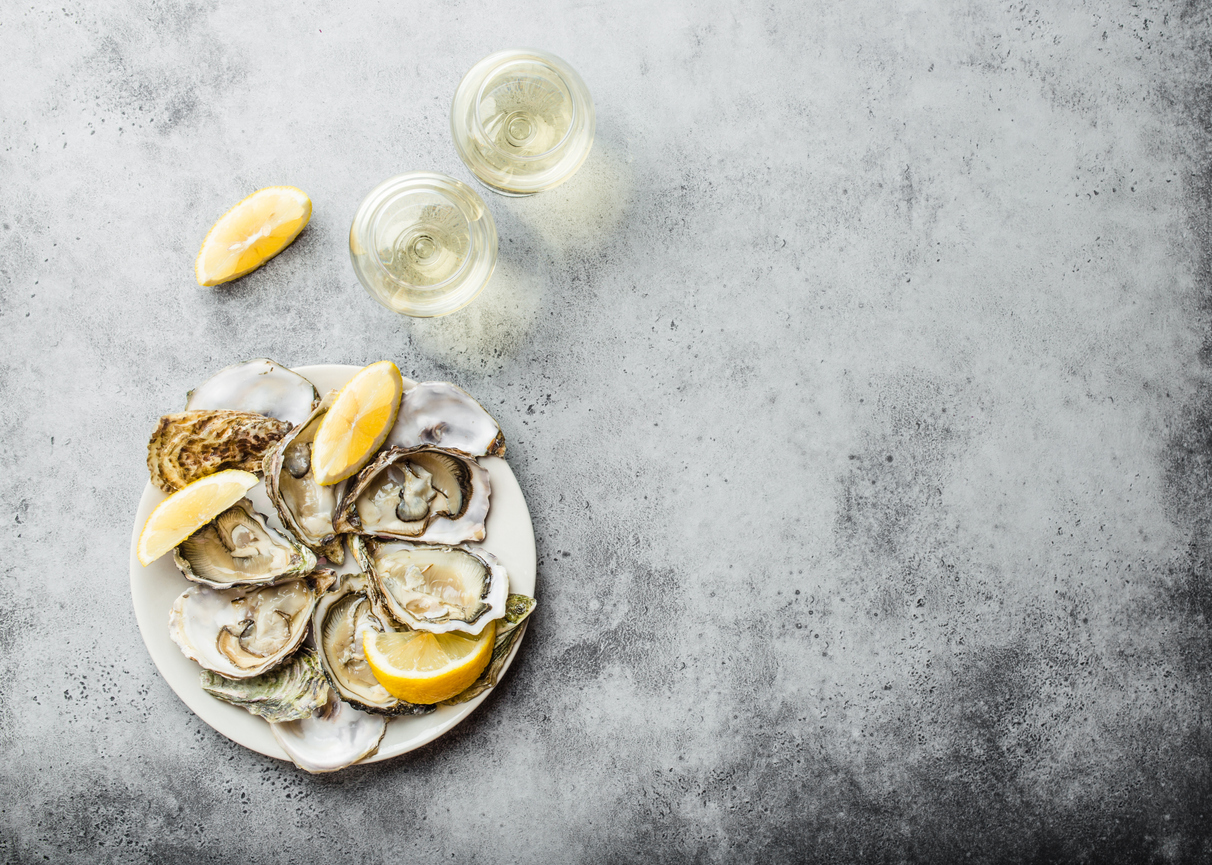
Faro is a city to be savoured at a leisurely pace. From family-run taverns to signature establishments, what is on offer here is a blend of tradition, freshness and locally-sourced ingredients. In the historic quarter, Tertúlia Algarvia serves carefully presented regional dishes such as seafood açorda [bread soup] and octopus a la lagareiro [cooked in olive oil]. A mere stone’s throw away, A Venda has become one of Faro’s most distinctive restaurants: housed in a former grocery shop, it serves dishes such as sardine tiborna [open-faced sandwich] or pork with clams, in an atmosphere that is somewhere between retro and domestic. At O Gimbras, where many of the customers are locals, the menu focuses on the catch of the day, with simple options and generous portions.
For those who prefer to be guided by the market, Faro’s Municipal Market is where it all starts: stalls stacked high with live seafood, Algarve cheeses, dried figs, almonds and local wines. Many local chefs shop here daily. In the Marina and around the Avenida da República, there are lots of terrace bars where you can have dinner with views of the boats, while on the Ilha da Culatra or the Ilha do Farol you can have a lunch chargrilled fish with your feet on the sand.