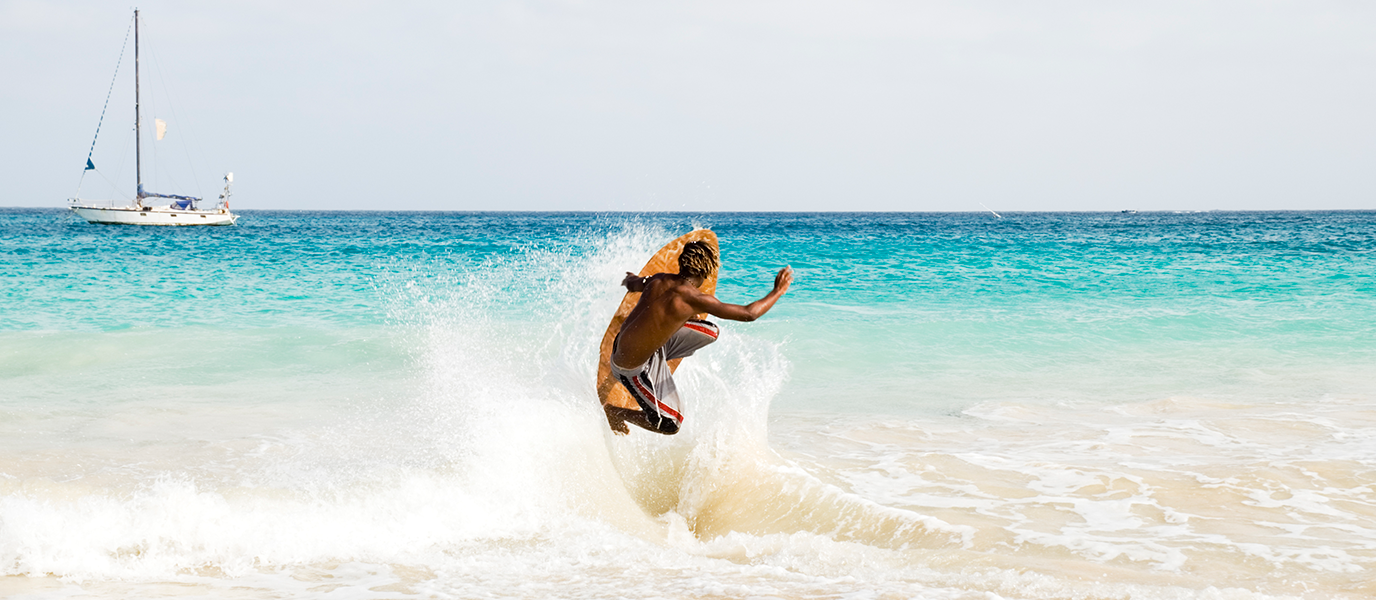
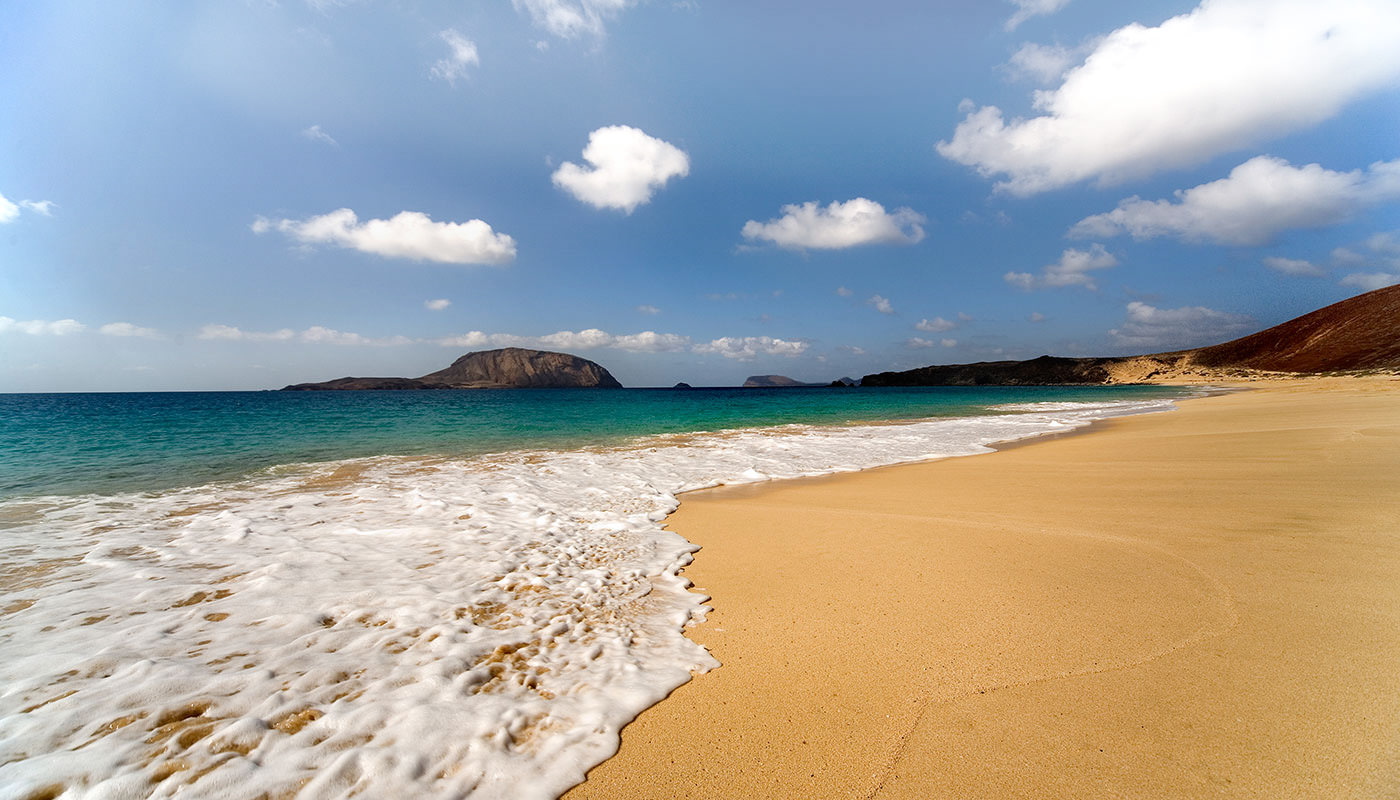

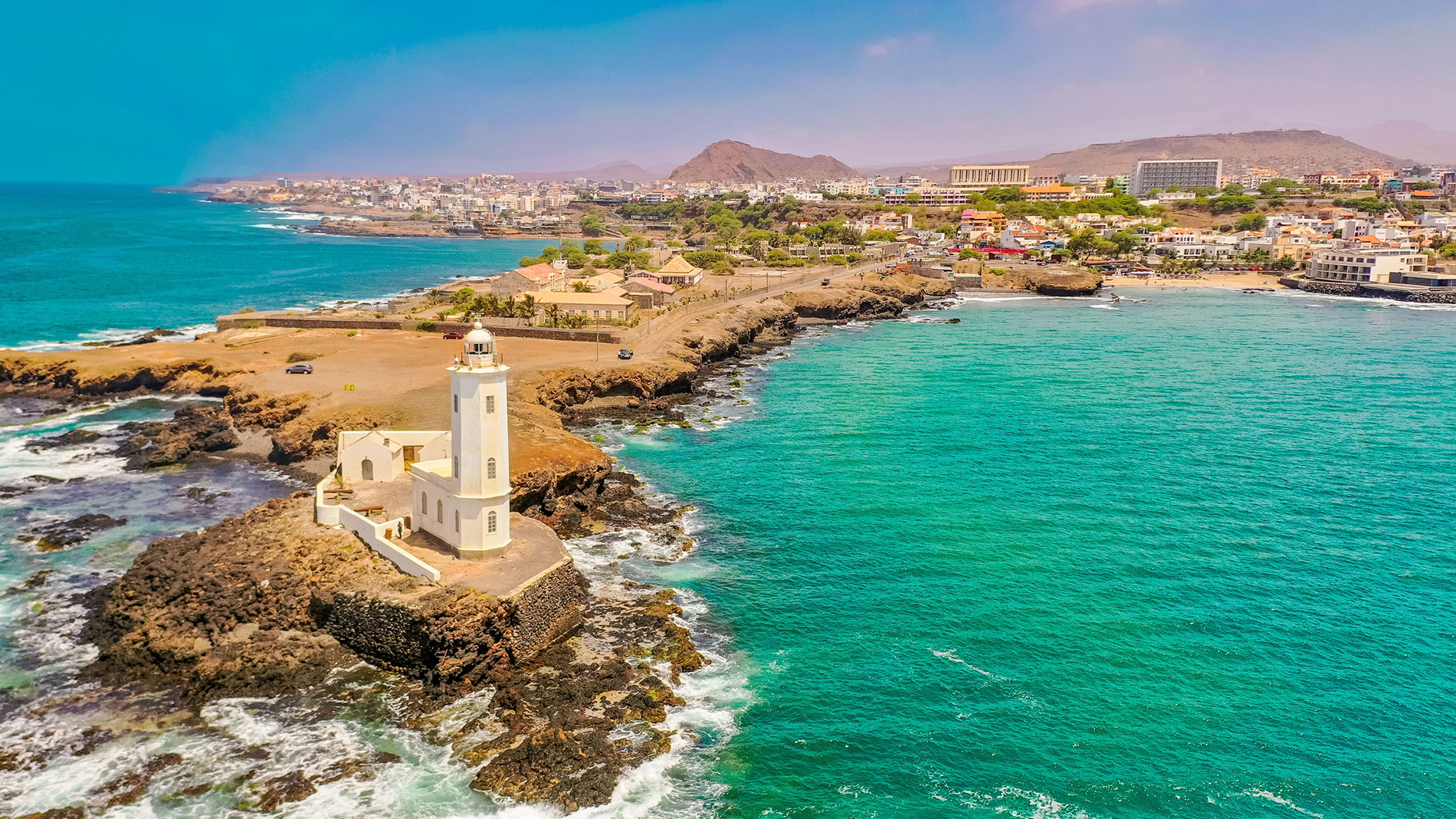
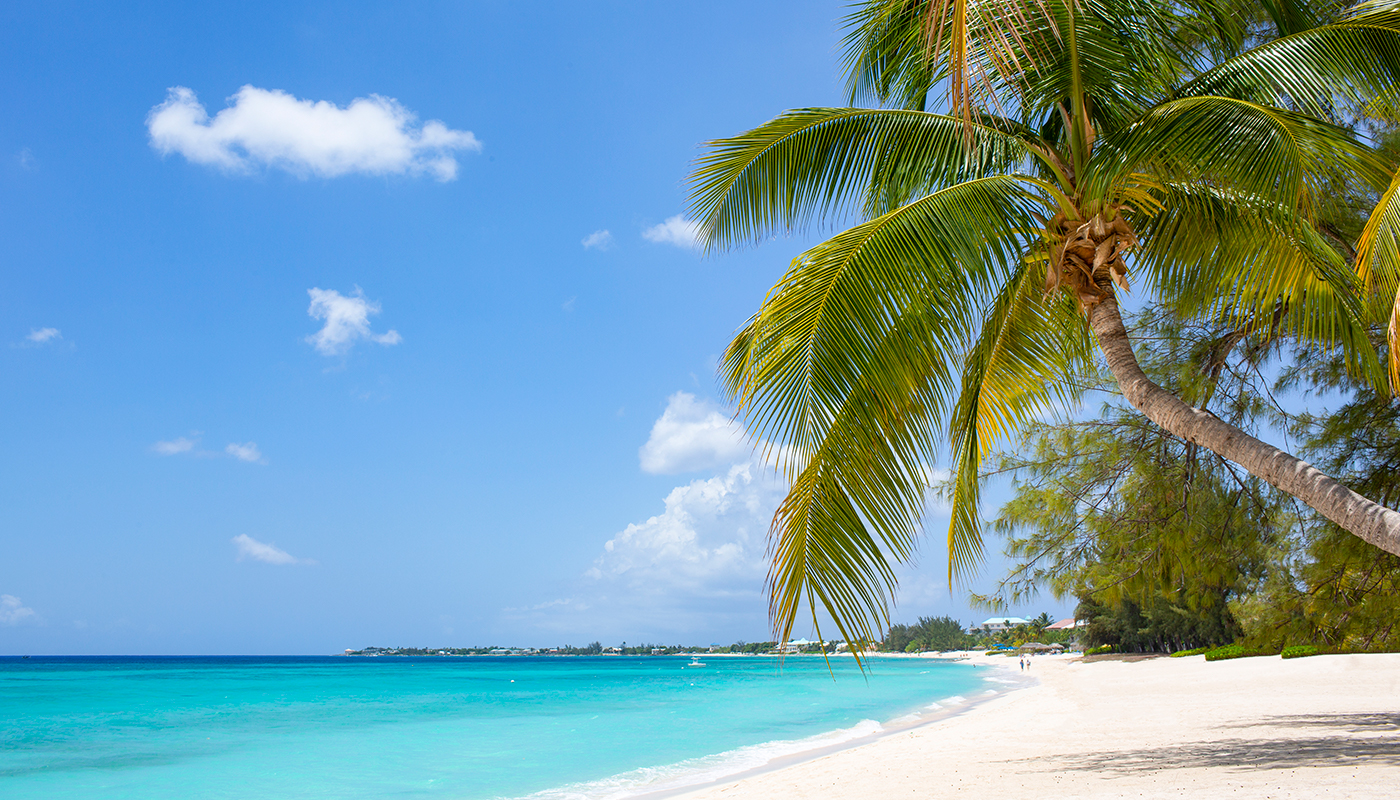





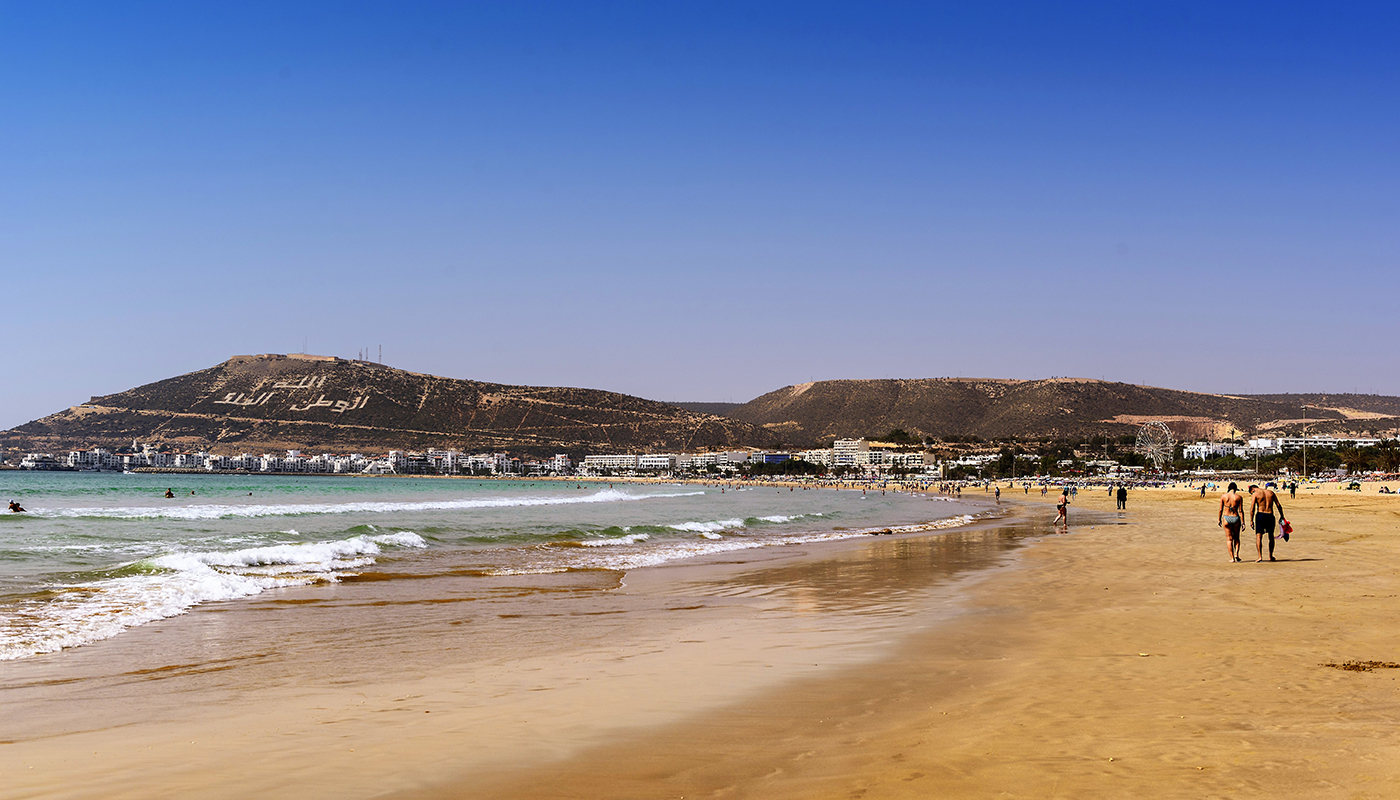


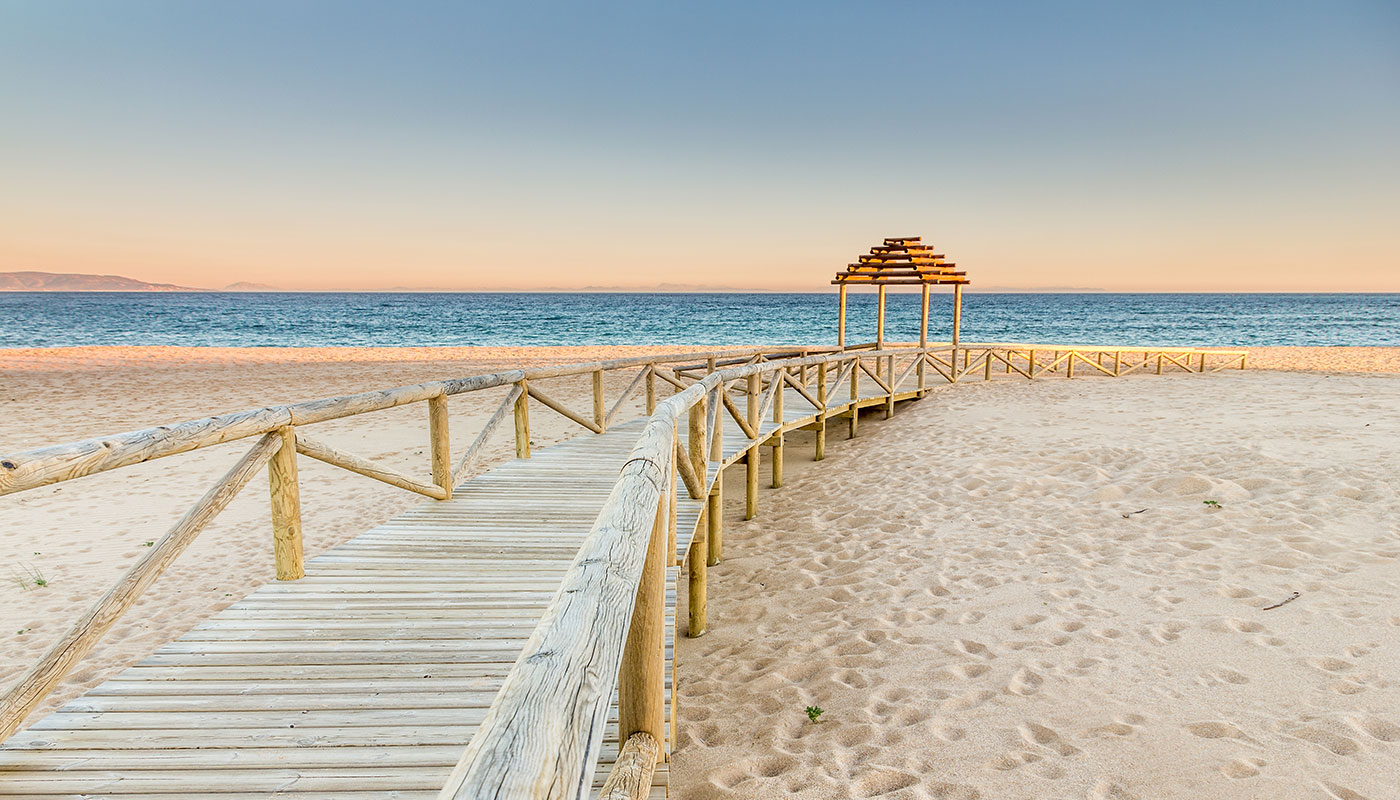
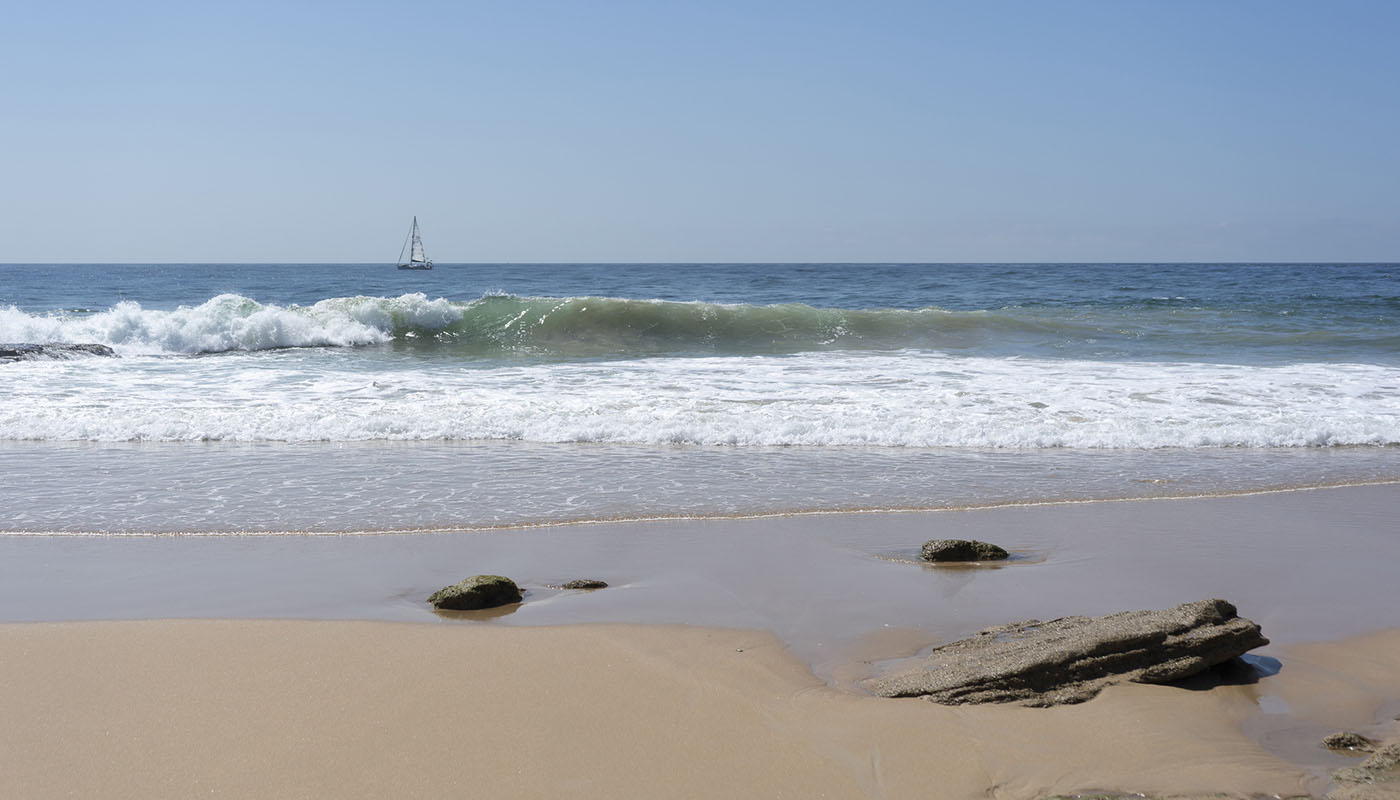
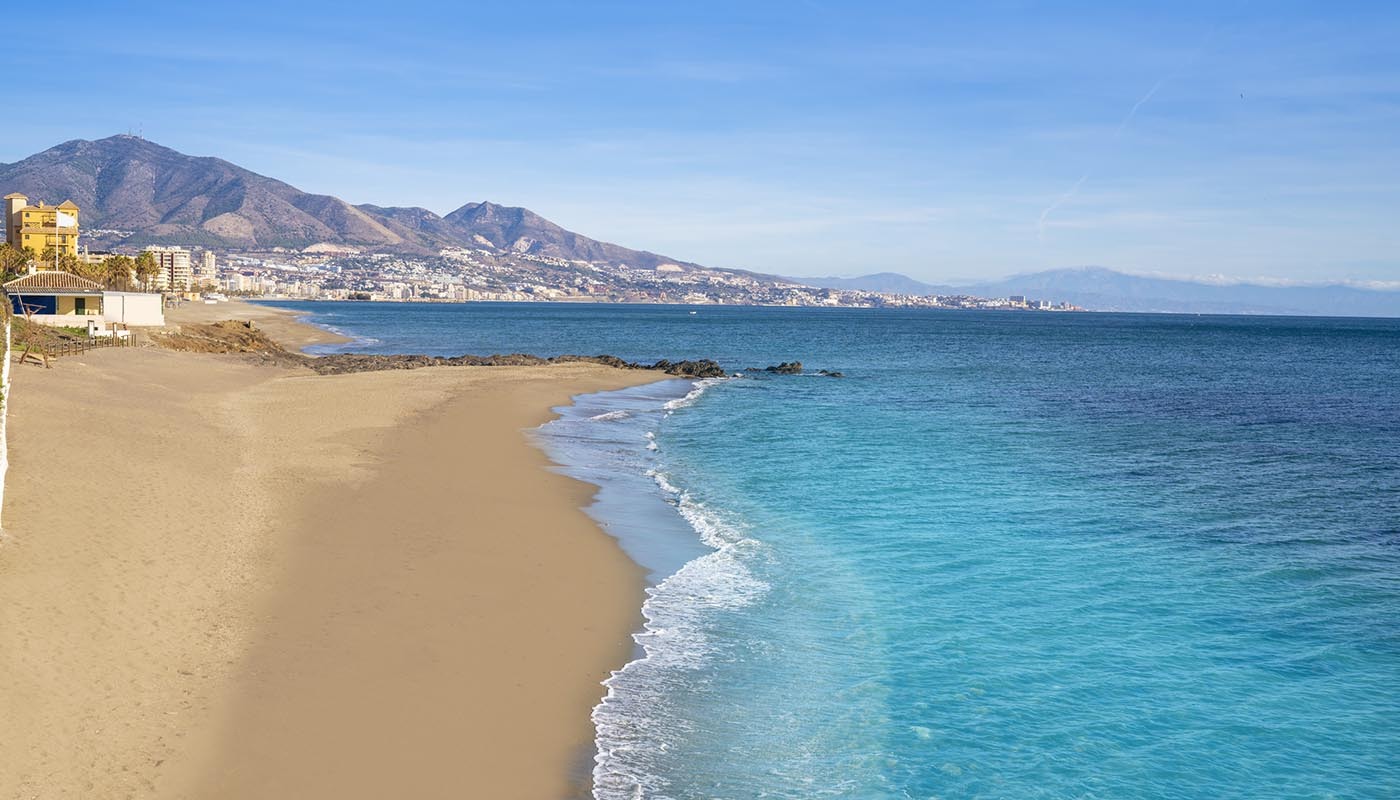

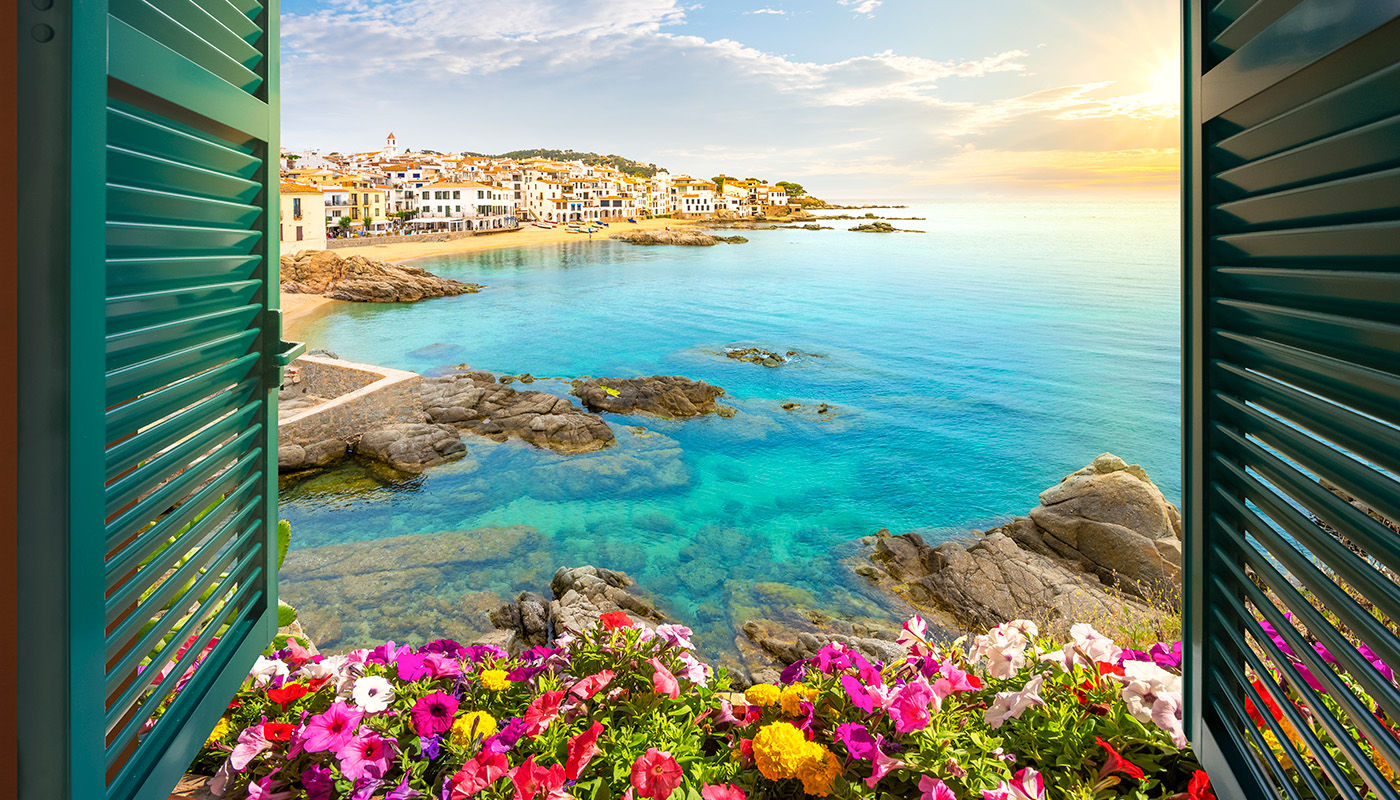
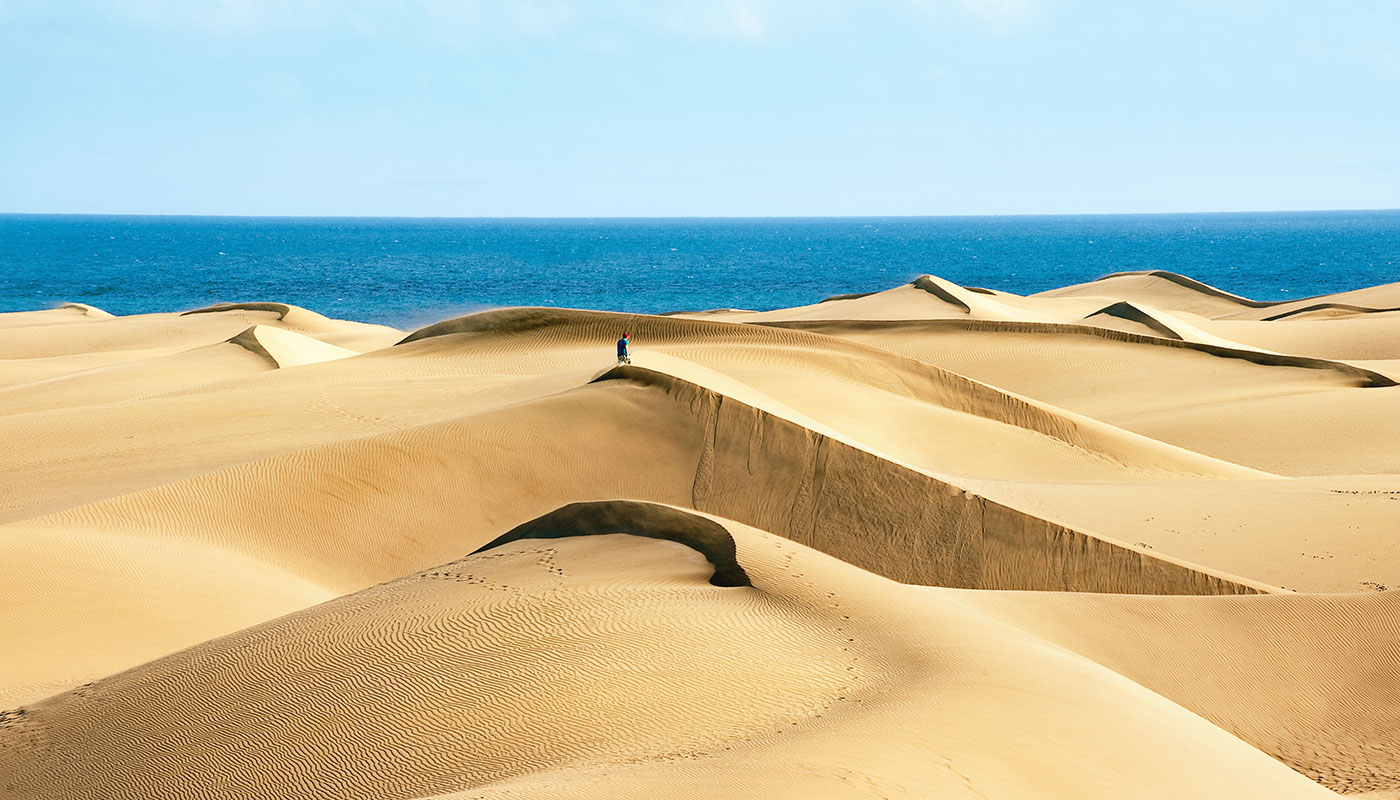






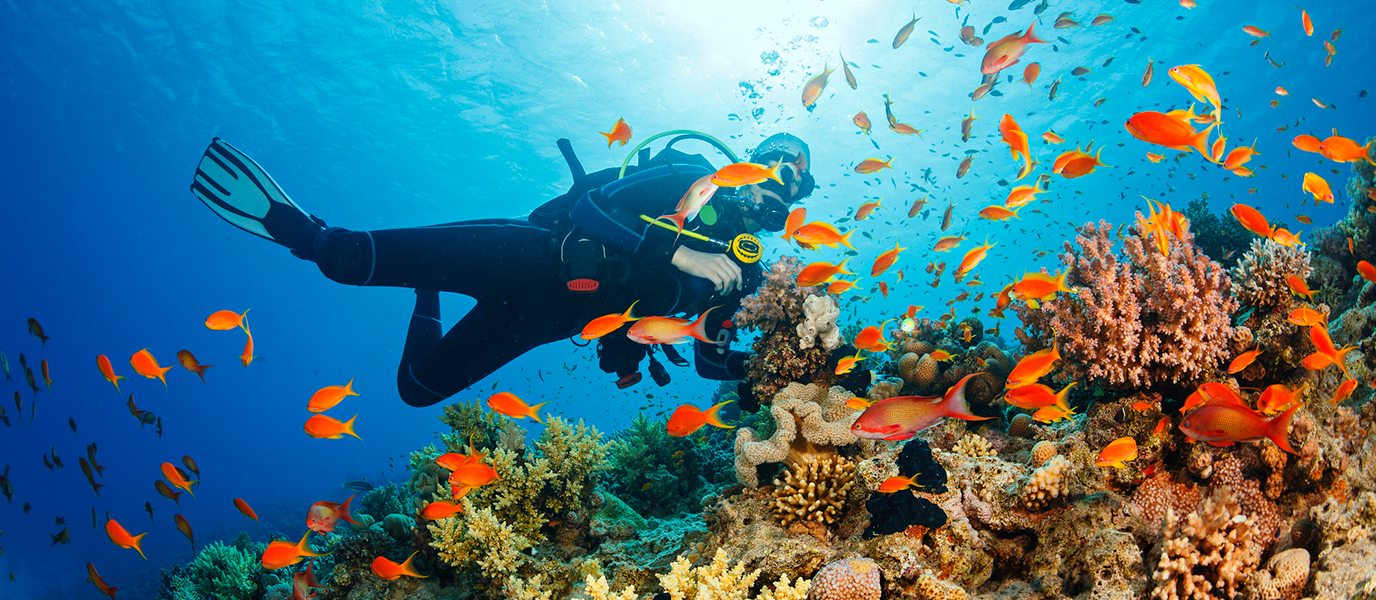
Whipped by the trade winds and shaped by the sand deposited on its shores by the Sahara, Boa Vista, the third largest island in Cape Verde, is full of fascinating contrasts. Its flat geography, dotted with extinct volcanoes and dunes that slowly advance towards the Atlantic, is only the prelude to an even more impressive spectacle beneath the surface of the water. In its depths, among colourful reefs and wrecks shrouded in mystery, lies a marine world where majestic rays, nurse sharks and schools of fish seem to choreograph their dance to the rhythm of the currents. Considered one of the three main loggerhead turtle nesting sanctuaries in the world, Boa Vista not only dazzles on the shore but also seduces those who venture to discover its submerged kingdom.
- Best places for snorkelling in Boa Vista: the hidden corners of the ocean
- Close encounters: the wildlife that inhabits the waters of Boa Vista
- Preparing your dive: top tips for diving in Boa Vista
Best places for snorkelling in Boa Vista: the hidden corners of the ocean
Boa Vista is home to a variety of dive sites catering to both beginners and experienced divers. One of the principle destinations is Baía das Gatas, located on the northeast coast of the island and known for an abundance of coral and an underwater topography that combines rock formations and white sand. The bay is named after the small nurse sharks (“gatas”, in the local language) that congregate in its waters during the summer, posing no danger to humans. The calm waters and wealth of marine life make it a perfect place for diving and snorkelling.
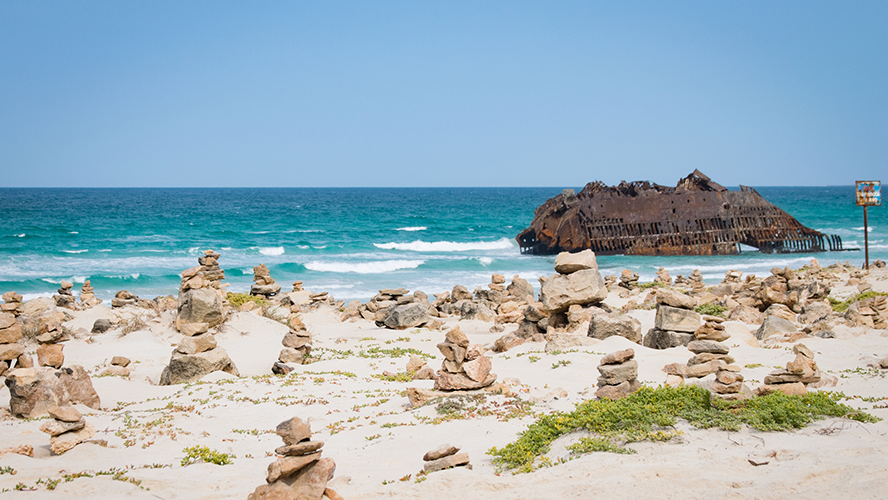
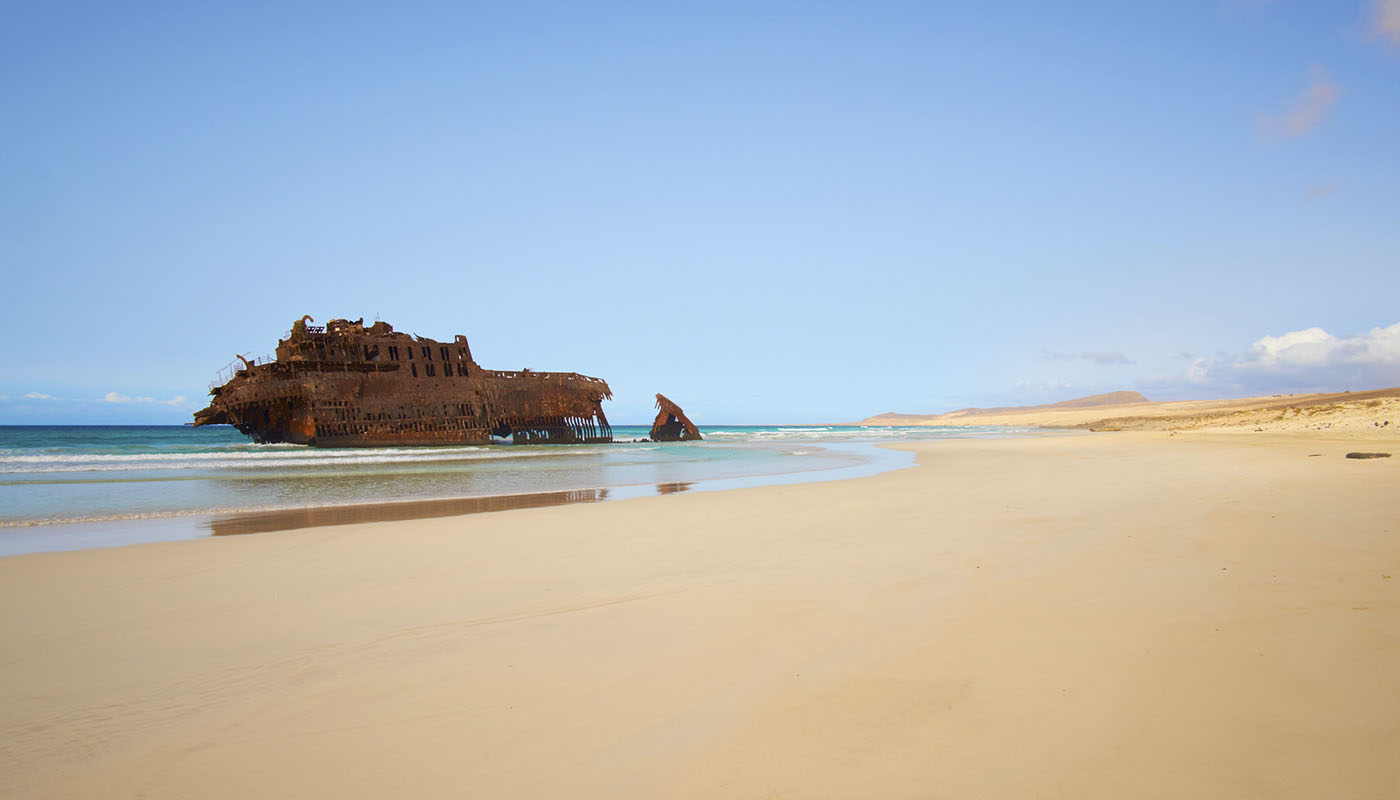
One of the most fascinating sites is Atlantida, a dive through canyons and volcanic caves that look straight out of another world. Visibility is usually excellent, allowing you to see schools of parrotfish, moray eels and rays hiding in the crevices. Another iconic site is Cabo Santa Maria, where the remains of a shipwreck dating back to 1968 lie. The beached Spanish ship has been transformed into an artificial reef, attracting a multitude of marine species, making diving here a fascinating experience that feels like travelling back in time.
If you are looking to dive with large sea creatures, Shark Bow is the place to be. Nurse sharks and blacktip sharks are commonly encountered patrolling the seabed here. Hawksbill sea turtles and loggerhead turtles can also be spotted, especially during the months when they migrate to the beaches of Boa Vista to nest. More experienced divers can venture to Buracona, a dive in an underwater cave where light creates spectacular effects through its cavities.
For those who prefer snorkelling or a more tranquil experience, the shallow waters of Chapel, near Estoril beach, are perfect for spotting tropical fish and coral without having to dive too deep. Also worth exploring is Ilhéu de Sal Rei, an islet near Boa Vista with crystal clear water and amazing marine biodiversity.
Close encounters: the wildlife that inhabits the waters of Boa Vista
The waters surrounding Boa Vista are a sanctuary for a wide variety of marine species. Among the most notable inhabitants are the sea turtles, especially the loggerhead sea turtle. During the nesting season, which runs from June to October, it is common to see these majestic creatures approaching the beaches to lay their eggs. The Tartarugas Nature Reserve in Ervatão is one of the main nesting sites, hosting approximately seventy per cent of the nests on the island.
In addition to turtles, divers may encounter bottlenose dolphins, which often swim in groups and can be very curious about humans. Manta rays are also frequent visitors, gliding gracefully through the open water. During the winter months, from February to May, it is possible to spot humpback whales migrating to these waters to breed.
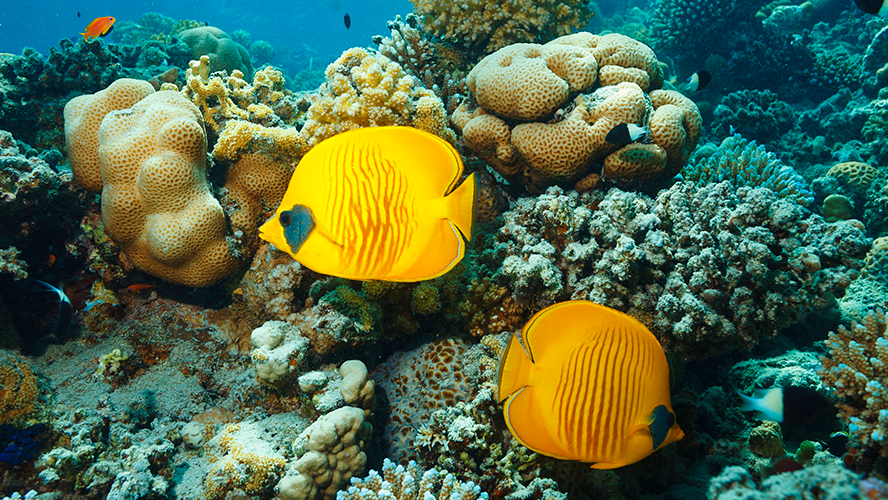
The diversity of fish is equally impressive. Species such as parrotfish, angelfish and butterflyfish add flashes of colour to the underwater landscape. Groupers and barracudas patrol the deeper waters, while seahorses hide among the algae and coral.
Preparing your dive: top tips for diving in Boa Vista
Before embarking on an underwater adventure, it is essential to consider certain aspects to guarantee a safe and pleasant experience. The best time of year to dive in Boa Vista is from April to November, when the weather conditions are more favourable and the sea has better visibility.
We recommend contacting certified dive centres operating on the island. Scubacaribe and Riamar Diving Center are two excellent options that offer professional services and high quality equipment.
The centres offer courses for all levels, from beginners to advanced PADI certifications. For those who are not certified divers, introductory programmes allow you to experience a supervised dive with qualified instructors. Snorkelling is also an affordable alternative that offers the opportunity to explore marine life in shallow waters.
Divers must respect marine environmental conservation and protection regulations. Avoiding contact with coral, not feeding wildlife and not leaving behind any rubbish are practices that contribute to the preservation of this unique ecosystem.