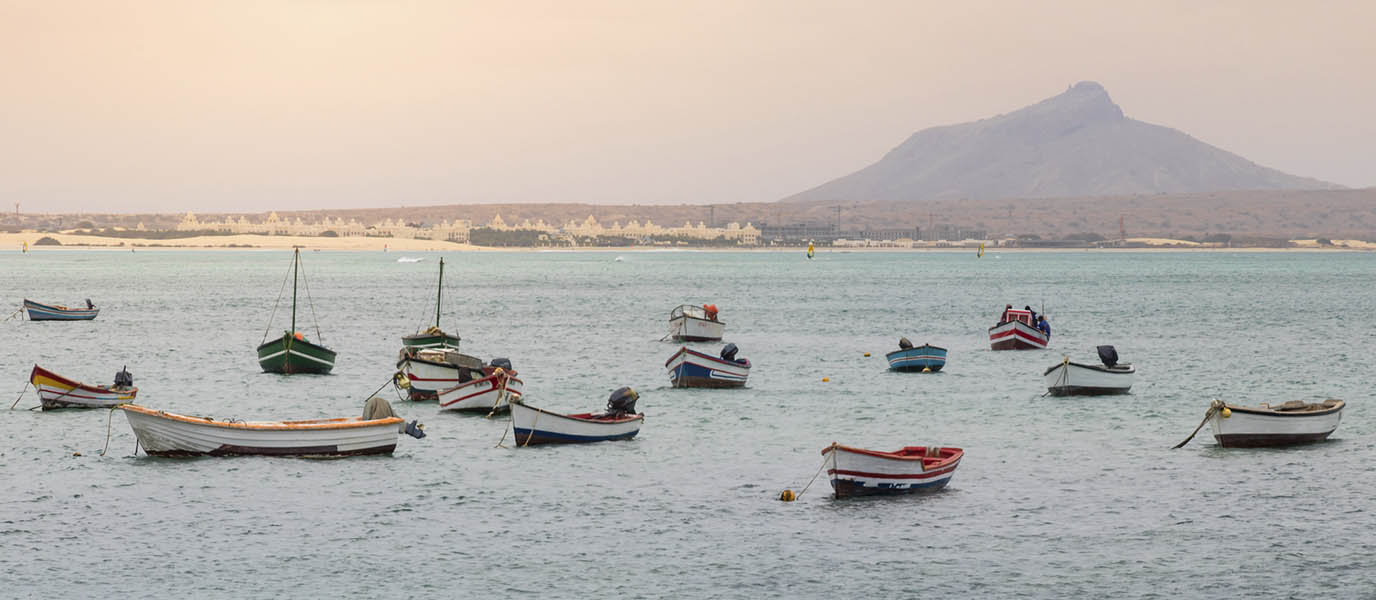












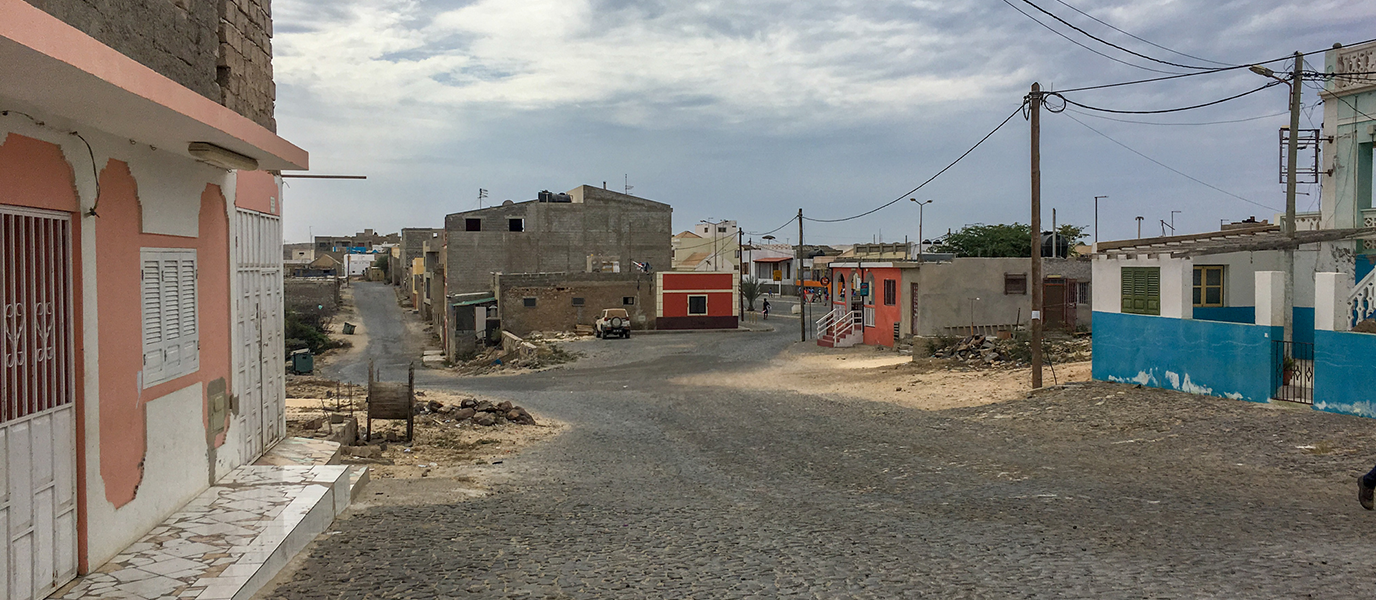
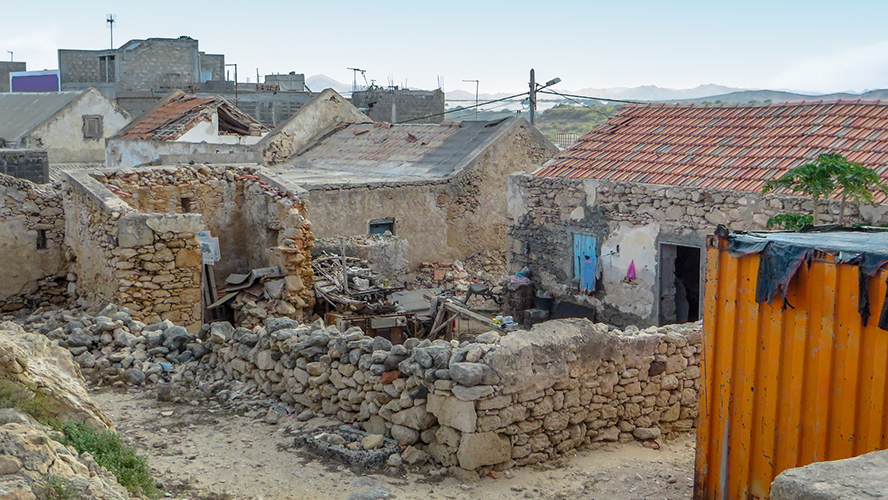
At the western tip of Boa Vista where the dunes are whipped into shape by the wind and the sun is reflected off a landscape of rocks and sand, lies Rabil, one of the island’s oldest and most characterful towns. This town, once the island’s capital, is still a key place for anyone seeking to understand Boa Vista’s identity. Rabil is the point where the arid Viana Desert meets the fertile stretch that borders the Ribeira do Rabil, a seasonal watercourse that has played a role in the lives of the inhabitants for centuries. A walk along the town’s streets will bring you to ceramics workshops where clay is modelled by the expert hands of craftsmen using the same techniques that they learnt from their ancestors, creating pieces that reflect the heritage of an area that was once the epicentre of Cape Verde’s pottery industry. Beyond its urban centre, Rabil marks the gateway to some of the island’s most impressive scenery, from the undulating dunes of the Viana Desert to Praia de Chaves, where the ruins of an old ceramics factory are slowly crumbling away beneath the weight of time and the sand.
- The history of the town: Rabil, the old but still-beating heart of Boa Vista
- What you should see on your trip: ceramics, desert landscapes and virgin beaches
- Local gastronomy: flavours of land and sea
- Places to visit nearby: beyond Rabil, see historic towns and legendary shipwrecks
The history of the town: Rabil, the old but still-beating heart of Boa Vista
Founded in the seventeenth century, Rabil was Boa Vista’s first capital, but it lost its status to Sal Rei when maritime trade became concentrated in that north-western bay. However, Rabil’s history was not consigned to oblivion. Located on the banks of the Ribeira do Rabil, one of the island’s few watercourses, the area became a very significant hub for agriculture, growing crops that depended on the rains, and developed a pottery industry that would eventually become the most prestigious in the archipelago.
For centuries, the clay ovens of Rabil produced traditional pottery that was exported to other islands and to the coast of Africa. Hand-made pots, jugs and kitchen utensils were part of an industry that, together with subsistence agriculture, sustained the local population. As times changed and demand fell, the pottery industry lost its economic importance, but not its cultural value: the descendants of those craftsmen continued to model the clay, keeping alive a trade that is a symbol of Cape Verdean identity.
One of the oldest witnesses of Rabil’s history is São Roque Church, built in 1802. With its white façade and simple lines, this colonial church is one of Boa Vista’s oldest, and is a place of reference for the local community. Its walls have witnessed the passage of generations of inhabitants, and reflect the blend of Christian tradition and popular beliefs that characterise Cape Verde’s spirituality.
In recent decades, Rabil has been given a boost by tourism. The town’s proximity to the airport and to some of the island’s finest beaches has made it a strategic point for travellers looking to explore Boa Vista.
What you should see on your trip: ceramics, desert landscapes and virgin beaches
If there is one place that reflects the soul of Rabil, it is the Escola de Olaria do Rabil, a craft centre where local ceramicists work using techniques which have been passed down from generation to generation. Here, the ceramicists can be seen shaping pots, figures and utensils — a unique opportunity to appreciate the island’s craft heritage.
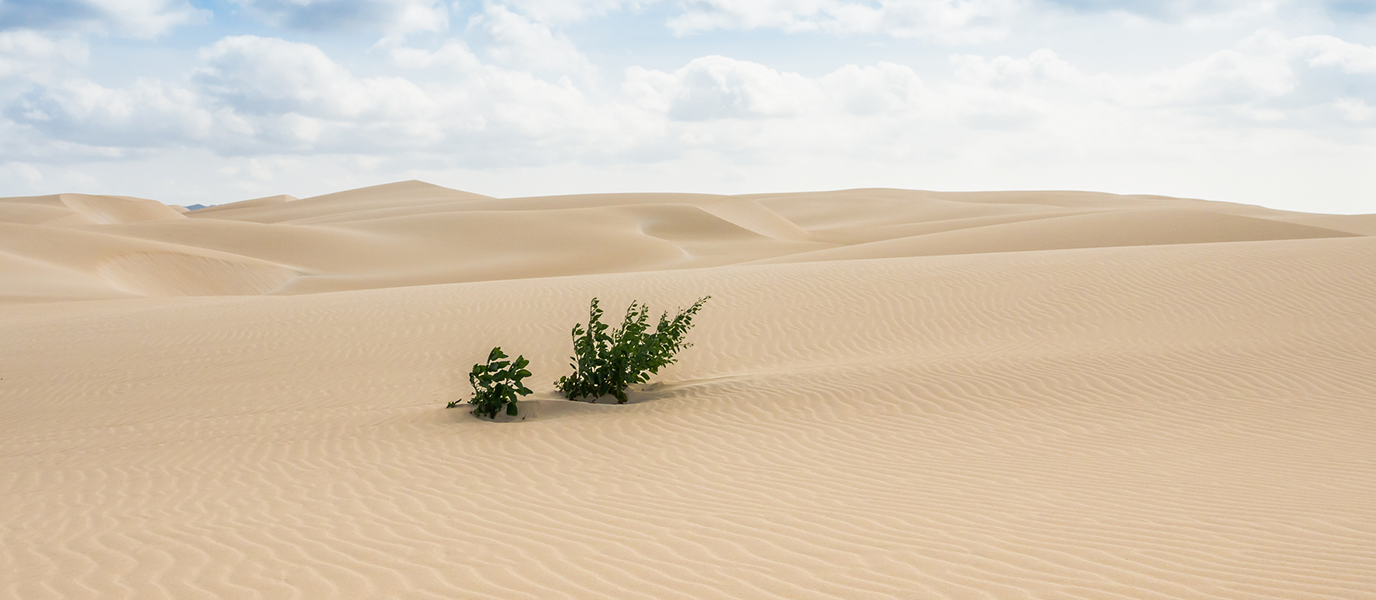
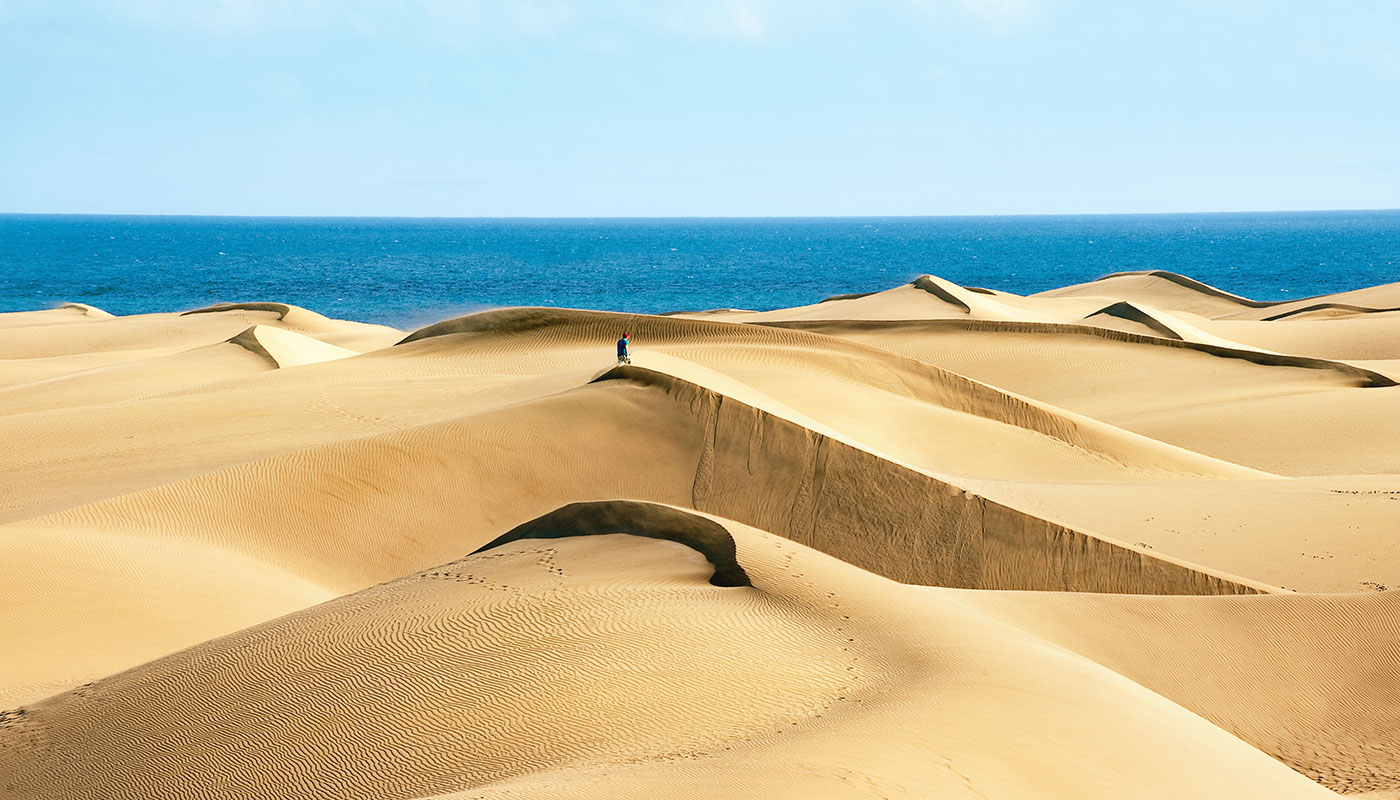
On the outskirts of the town is where the Viana Desert begins, a sea of white dunes formed by sand dragged by the trade winds from the Sahara. This hypnotic landscape stretches for several kilometres, and changes constantly with the wind, offering one of Boa Vista’s most impressive sights.
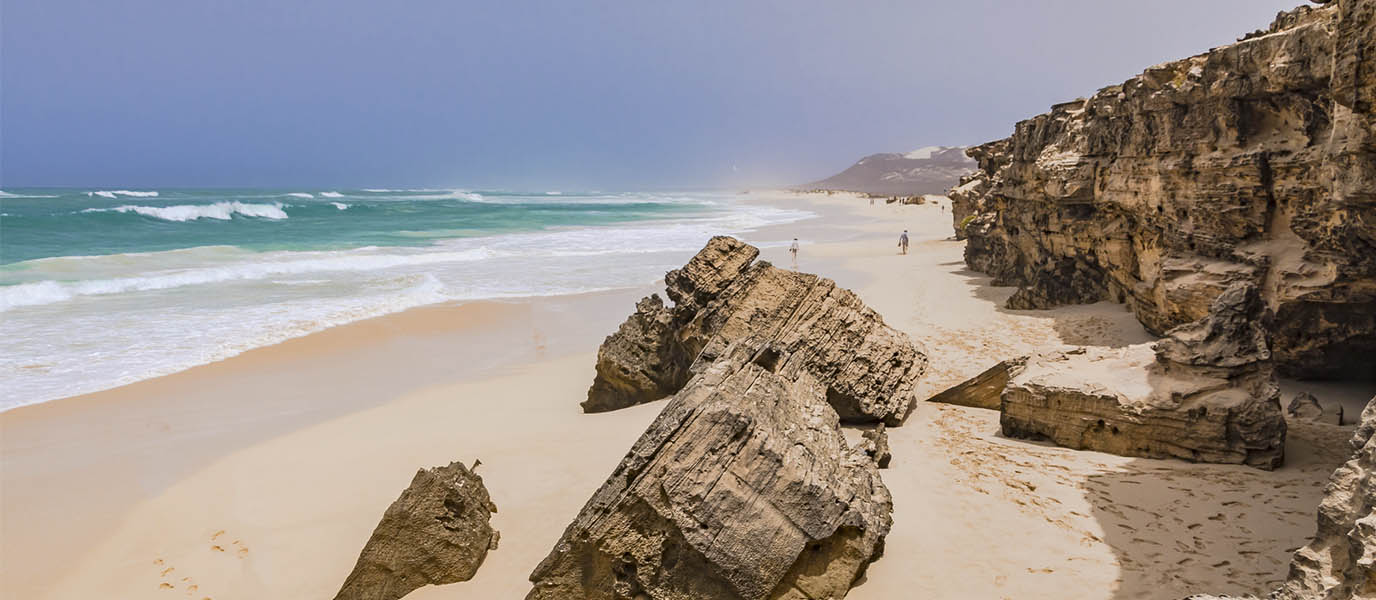
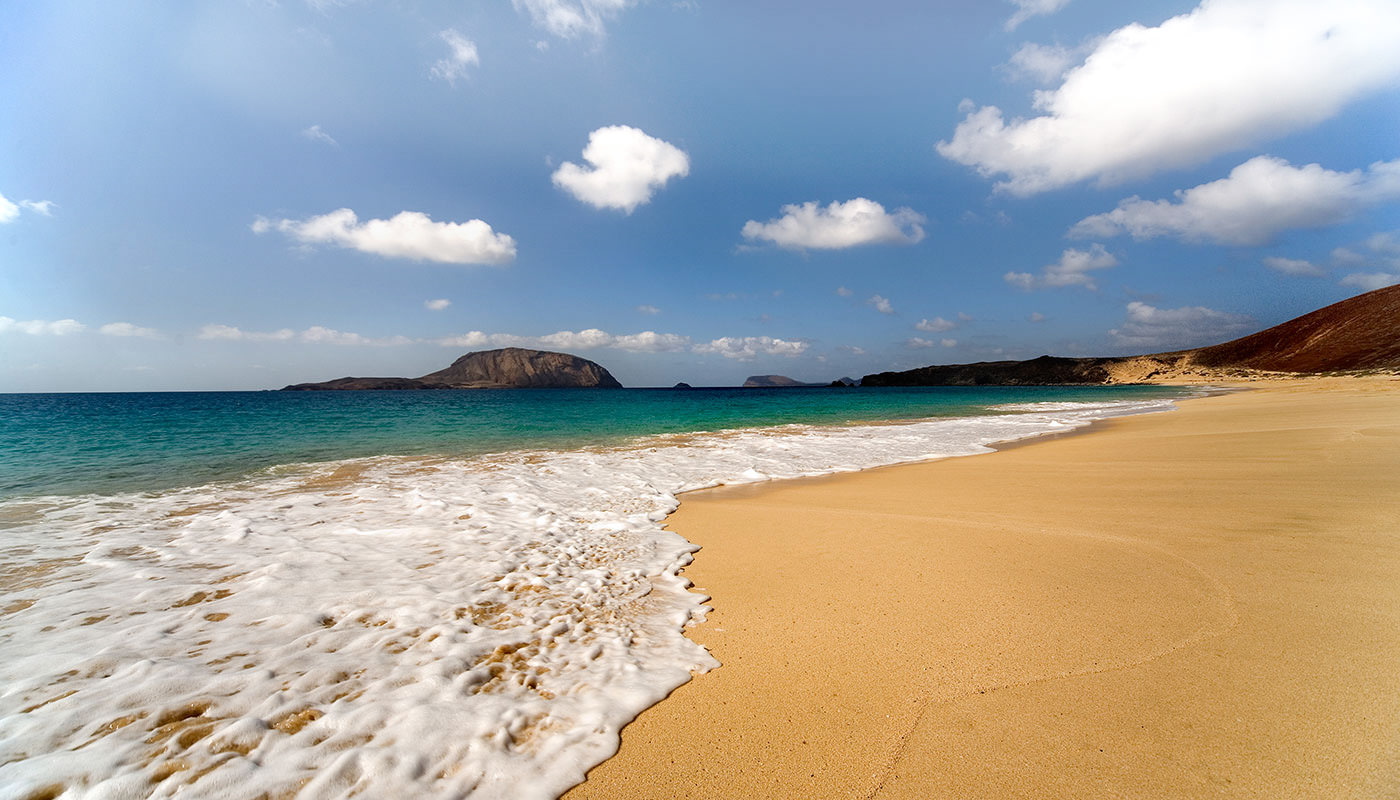
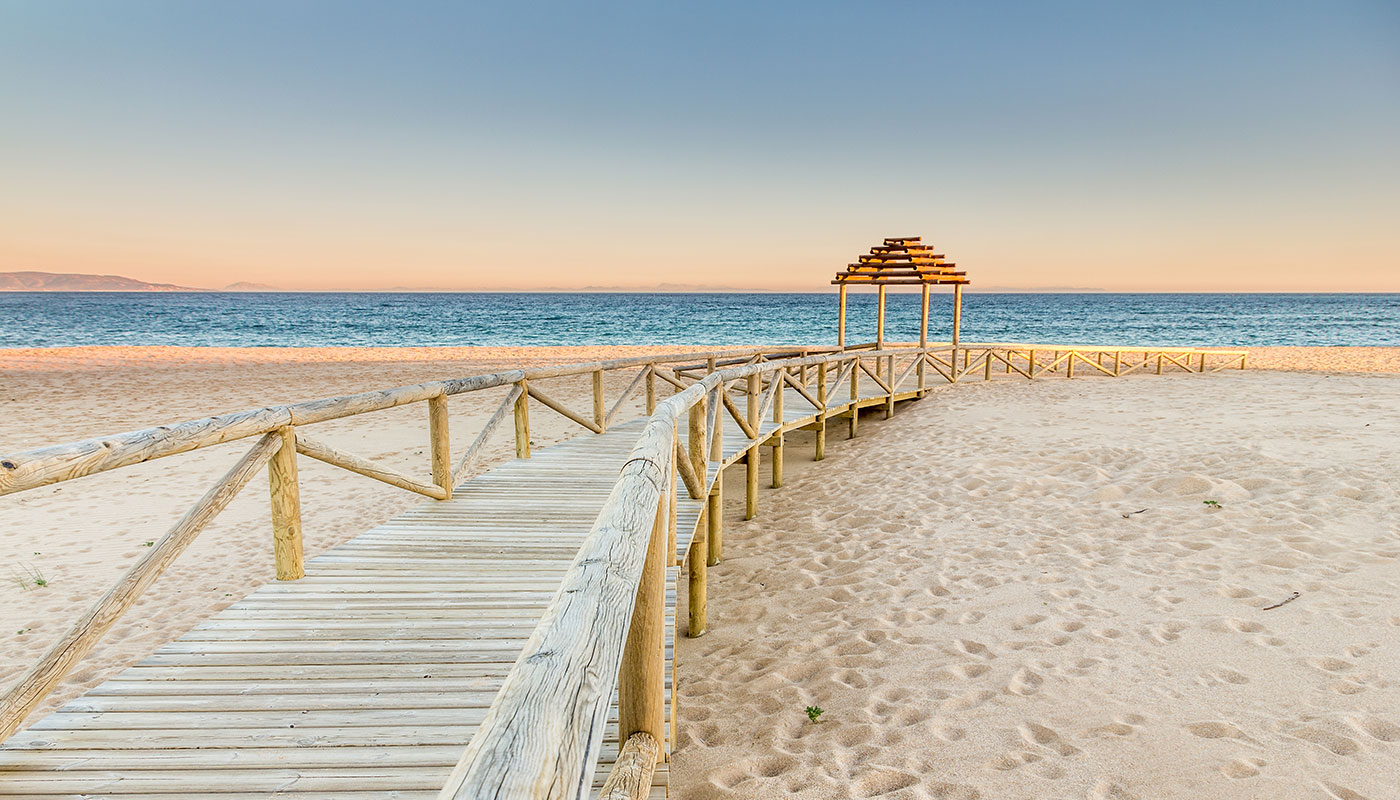
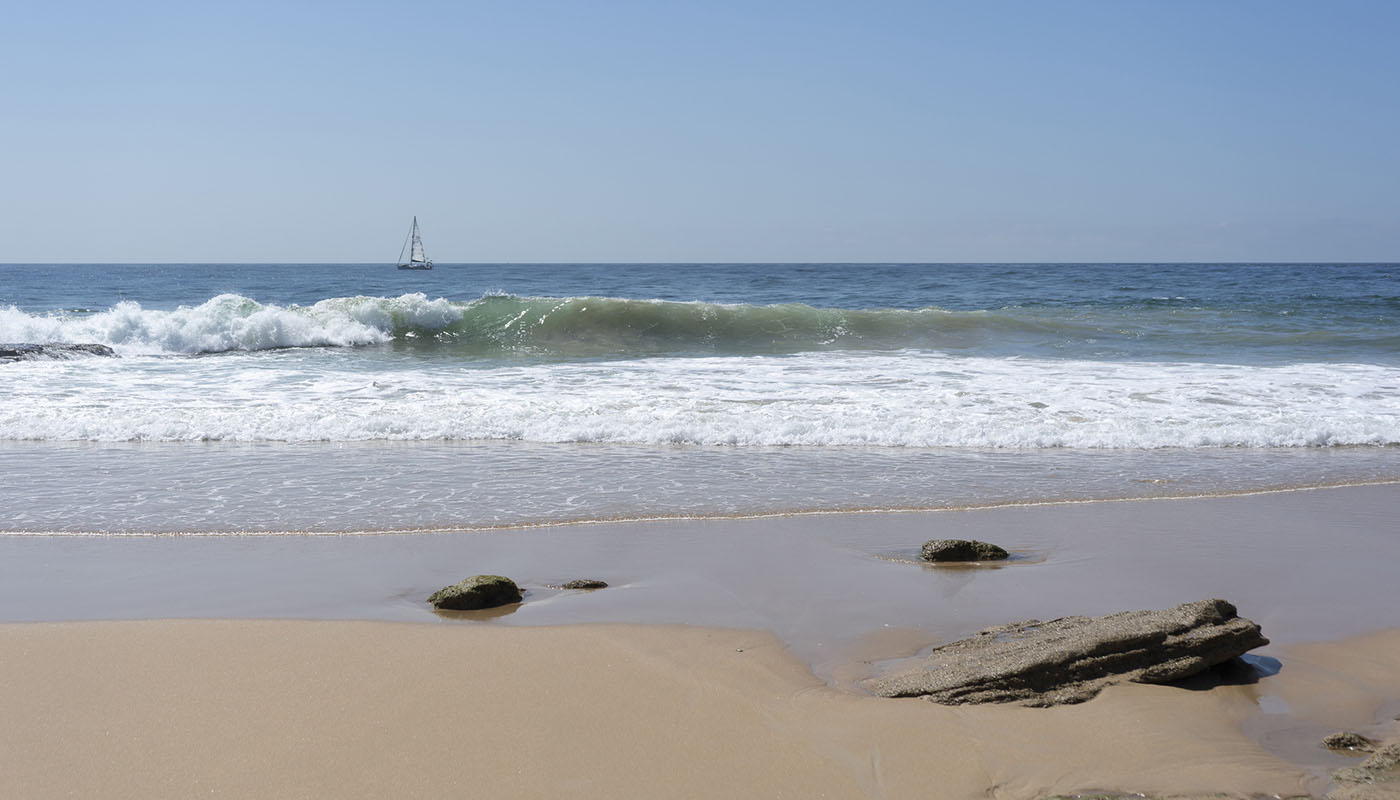
From Rabil, you can also reach Praia de Chaves, one of the island’s most breathtaking beaches. Here, the old ruins of a ceramics factory, half-buried in the sand, recall Boa Vista’s industrial past. The beach is perfect for long walks along the shore of the Atlantic, where the dunes converge with the ocean in scenery that appears almost unreal.
Local gastronomy: flavours of land and sea
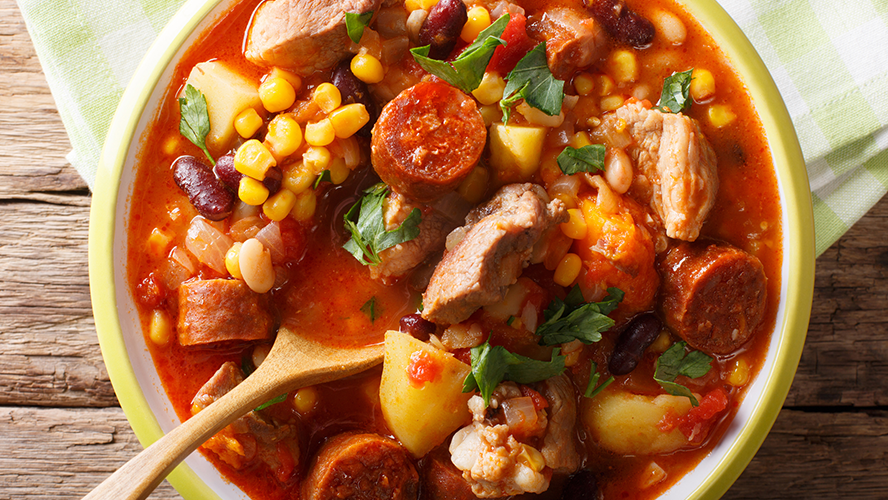
Though a small town, Rabil retains the spirit of Cape Verdean gastronomy in its small restaurants and local bars. Dishes such as cachupa, the national stew based on maize and beans with fish or meat, still embody the soul of the local cuisine.
Fresh fish and seafood also have a special place on the menu. In some establishments, visitors may find traditional recipes such as caldo de peixe, a thick soup with fish, vegetables and spices, or lagosta grelhada, which in Boa Vista is chargrilled with a touch of butter and lime.
The desserts also deserve attention. In Rabil, you can try specialities such as doce de papaya or bolhinos de mandioca, small fritters made using yucca.
Places to visit nearby: beyond Rabil, see historic towns and legendary shipwrecks
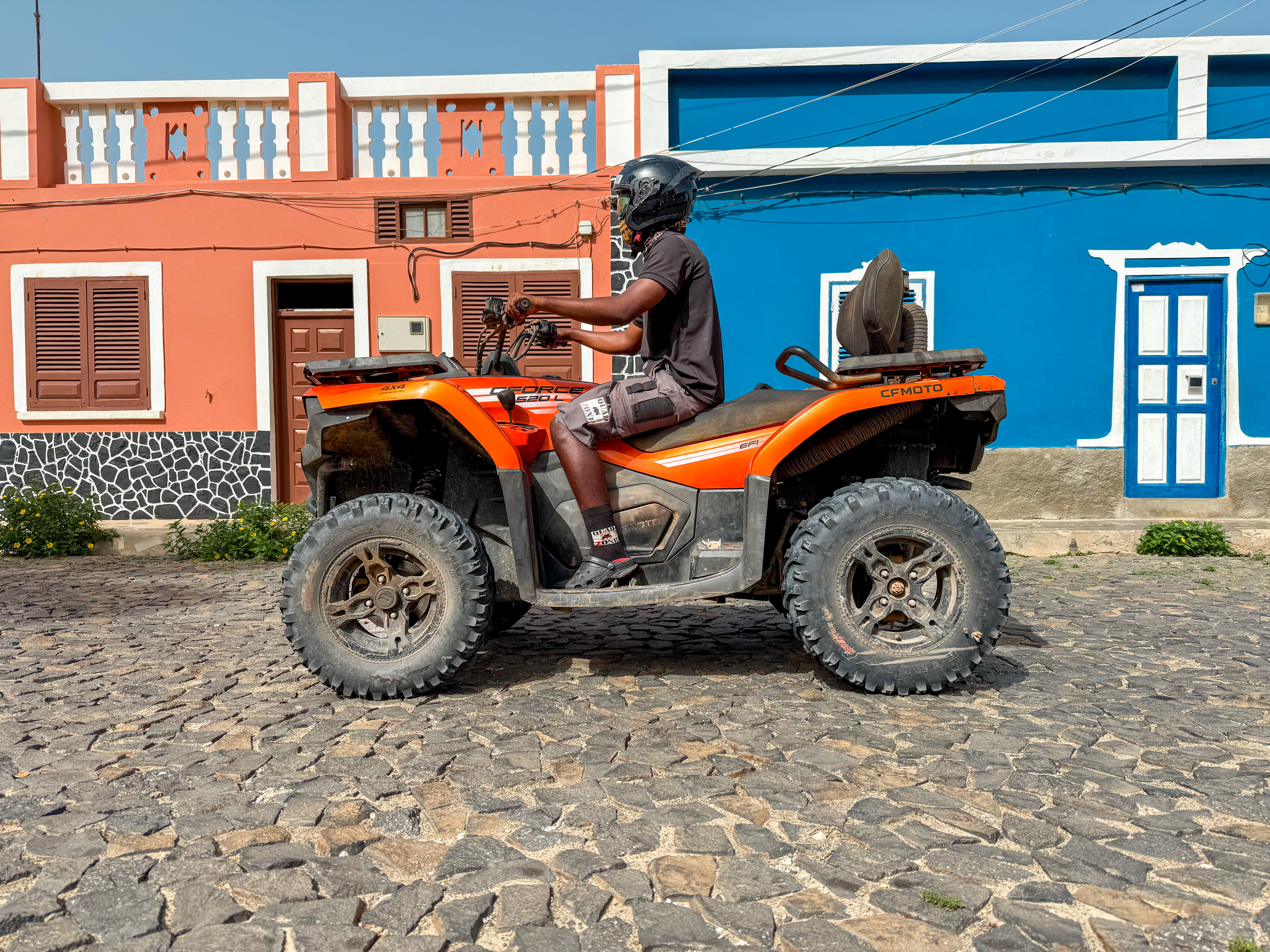
Just a few minutes away from Rabil lies Povoação Velha, Boa Vista’s oldest settlement. This small town of colourful houses and dirt roads recalls a more leisurely Boa Vista, where time seems to have stood still.
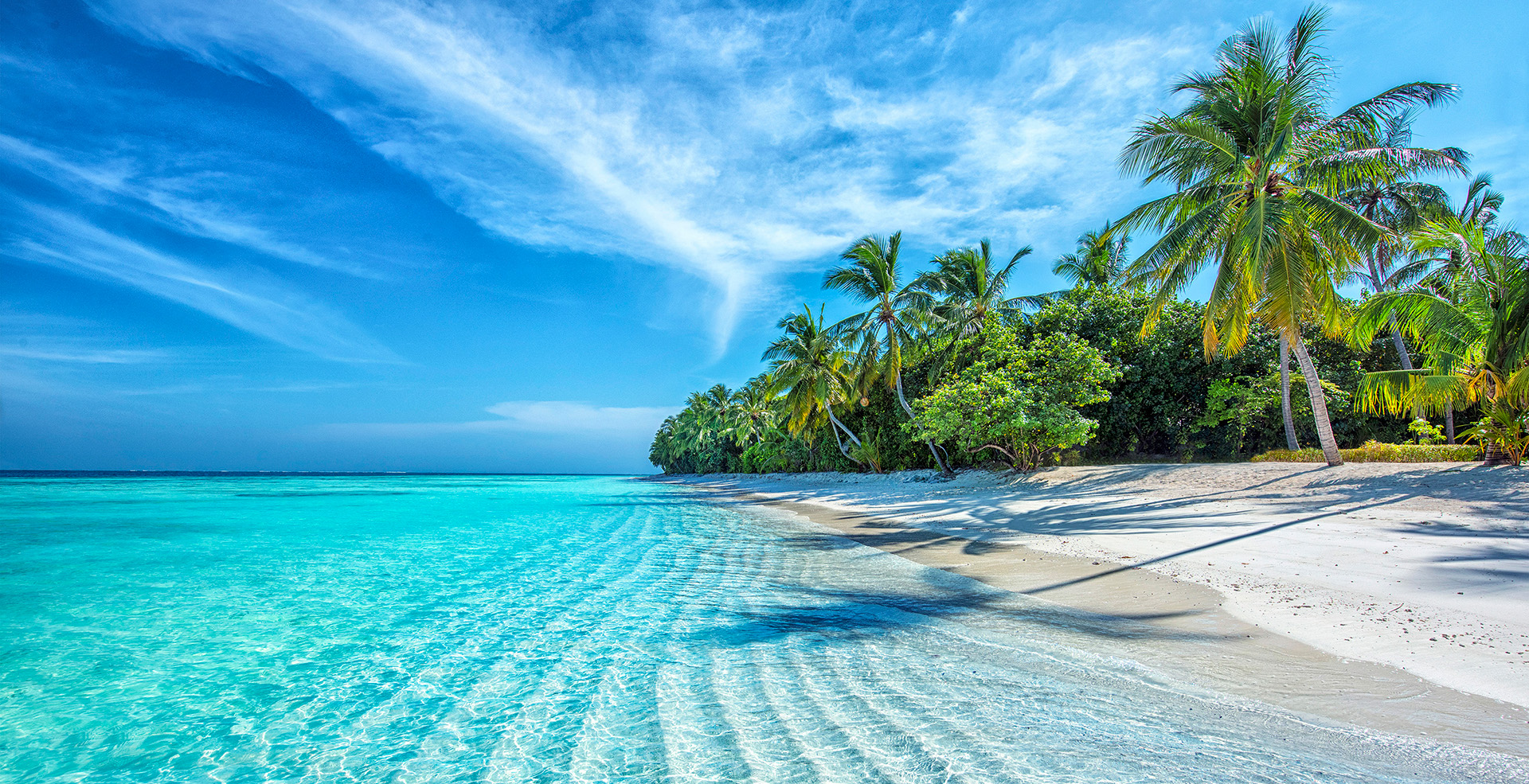
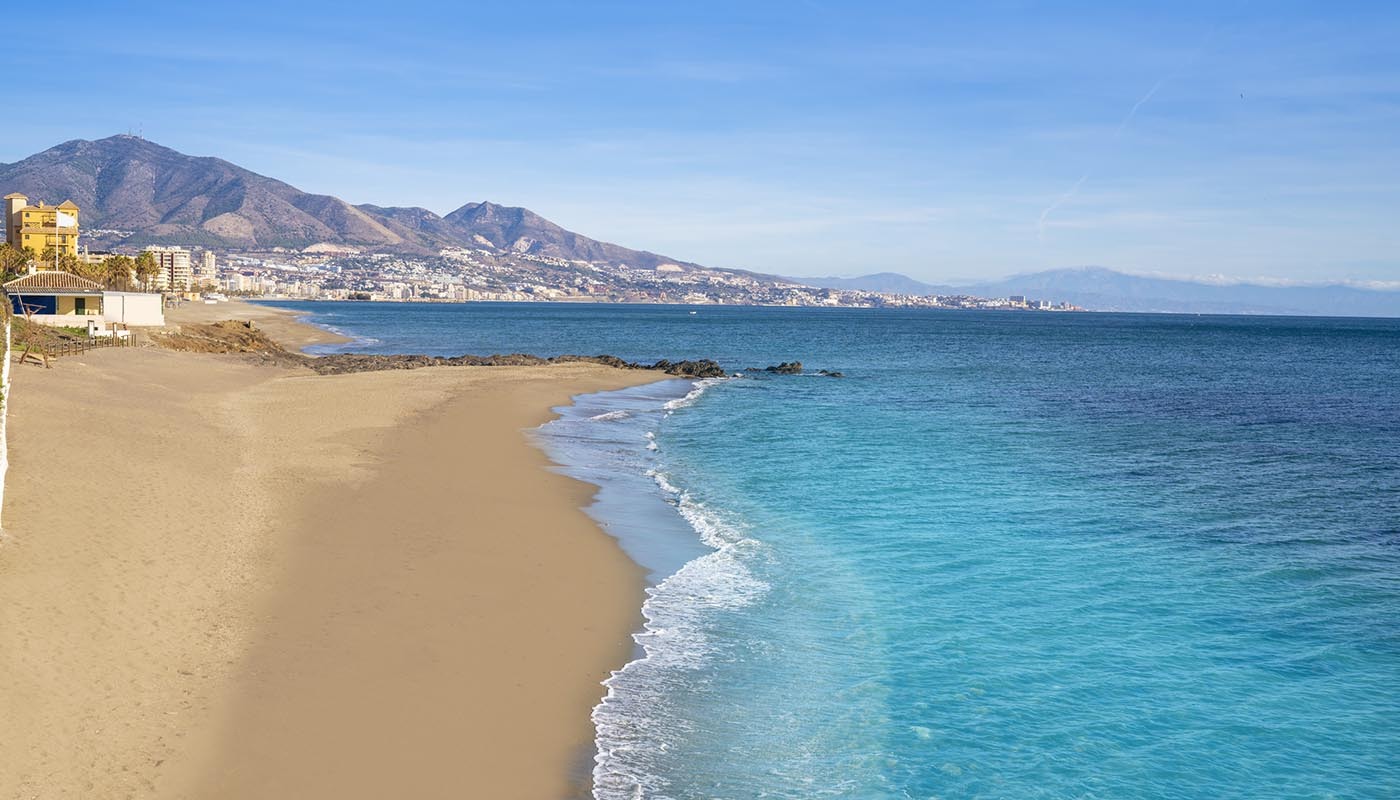
Another interesting excursion is to Santa Mónica, Boa Vista’s longest and wildest beach. Stretching to over 20 kilometres of golden sand and turquoise waters, it is heaven on Earth for those seeking tranquility and nature in its purest state.
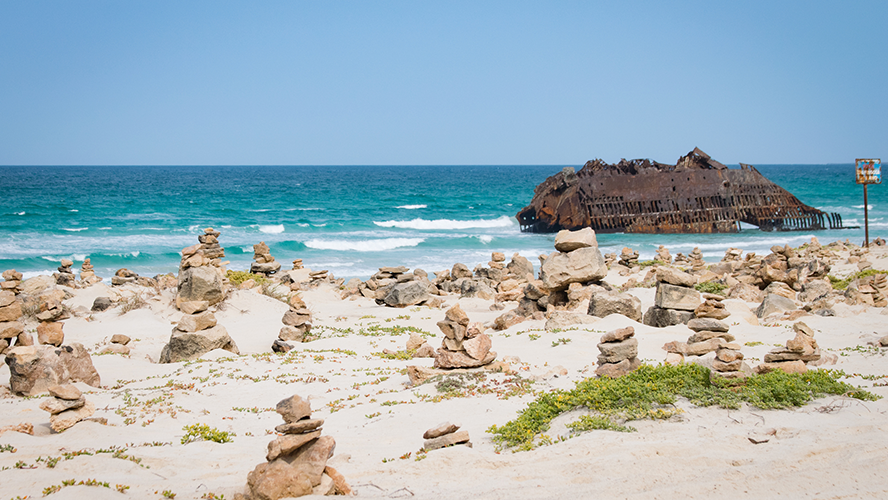
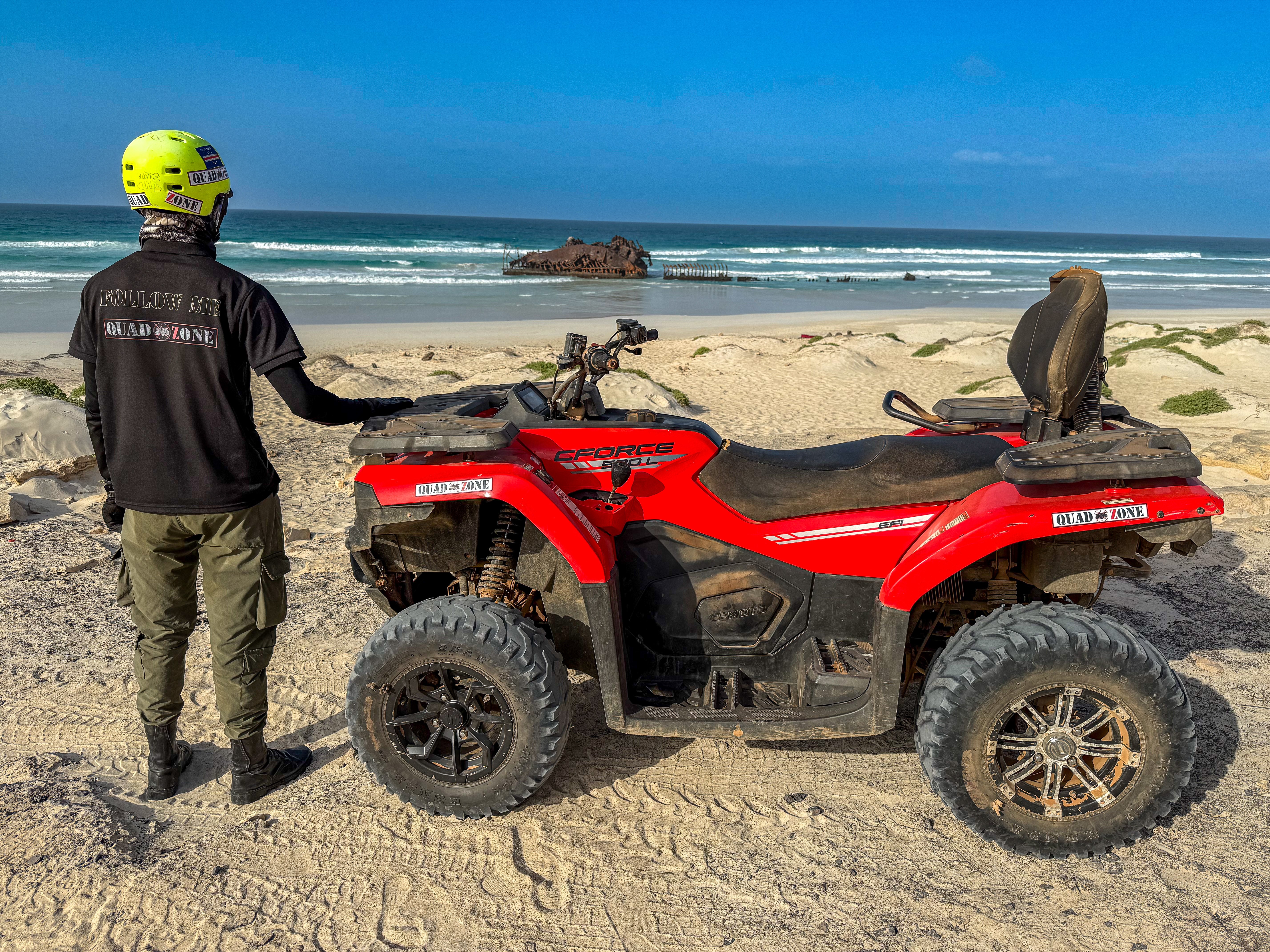
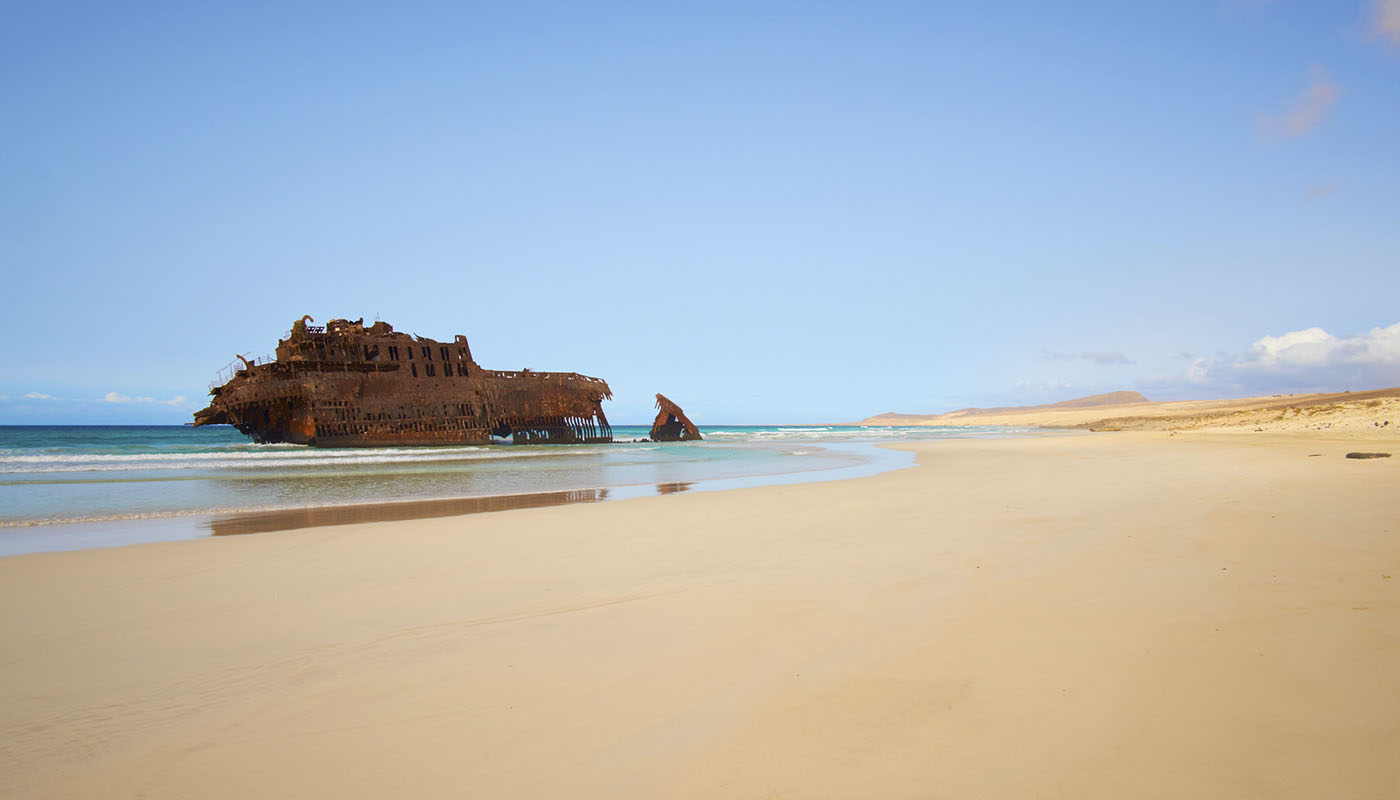
Lovers of history and seafaring legends will not want to miss a visit to the shipwreck of the Cabo Santa María. On the shore of the island’s northern coast, the remains of this Spanish vessel, which ran aground in 1968, have become a symbol of Boa Vista and one of its most emblematic sights.