









Georgia is one of those countries where the landscape can change dramatically in just a few hours’ drive. From the subtropical beaches of the Black Sea to the glaciers of the Greater Caucasus, Georgia boasts a geographical diversity rarely found in such a relatively small country. Throughout its history, the region situated between Eastern Europe and Western Asia has been a crossroads for traders, armies and pilgrims. Persians, Greeks, Romans, Arabs, Mongols and Russians have all left their mark on the cities, monasteries and fortresses that still form part of the country’s cultural landscape today. Exploring Georgia means discovering medieval churches perched on hills, cities carved out of rock, mountain villages protected by defensive towers and valleys covered in vineyards where wine has been produced for over 8,000 years.
- Main cities to see in Georgia: historical capitals of the Caucasus and Black Sea ports
- Must-see regions and landscapes in Georgia
- Historical and cultural sites in Georgia: ancient monasteries and towns and villages carved out of the rock
- Tips for visiting Georgia and how to get around: roads in the Caucasus and Georgian hospitality
Main cities to see in Georgia: historical capitals of the Caucasus and Black Sea ports
The cities of Georgia reflect the country’s various historical periods. Some were the political centres of ancient medieval kingdoms, whilst others were developed during the Russian Empire or the Soviet era. Visiting them provides insight into how Georgia’s cultural identity has taken shape.
-
Tbilisi: wooden balconies, ancient churches and contemporary architecture
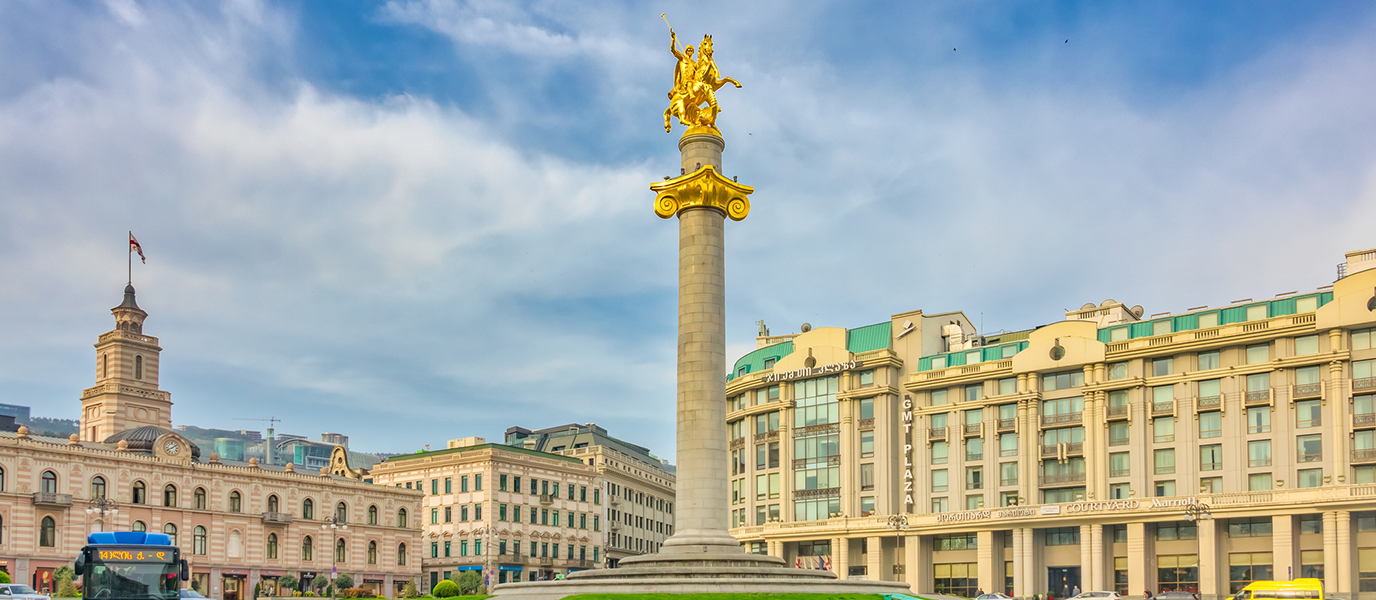
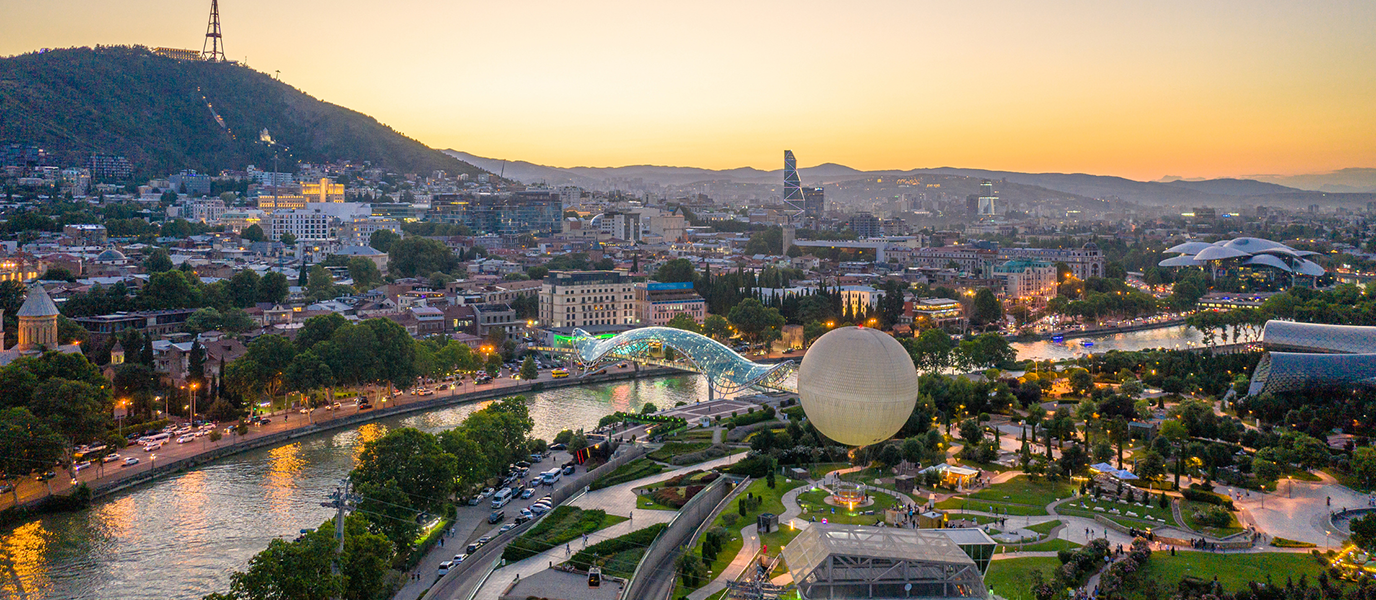
Tbilisi, the capital of Georgia, stretches along the Kura river valley, surrounded by hills that have served as a natural defence for centuries. Founded in the fifth century, the city quickly became an important trading centre, located on the routes between the Black Sea and Persia.
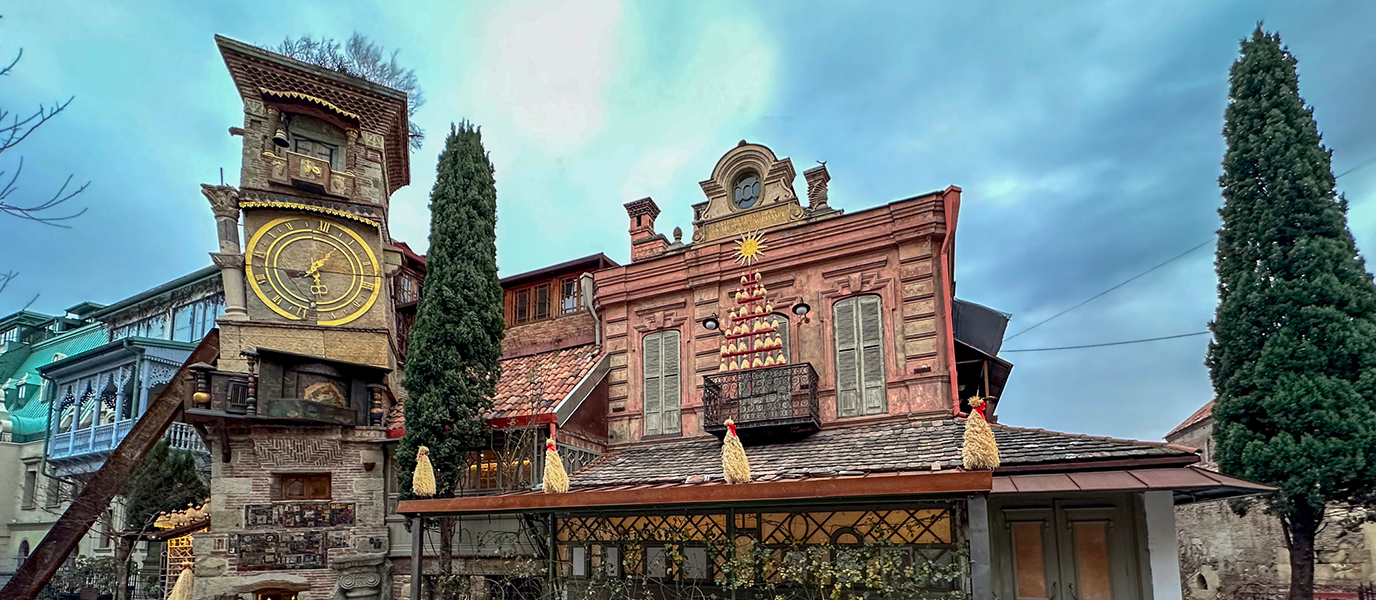
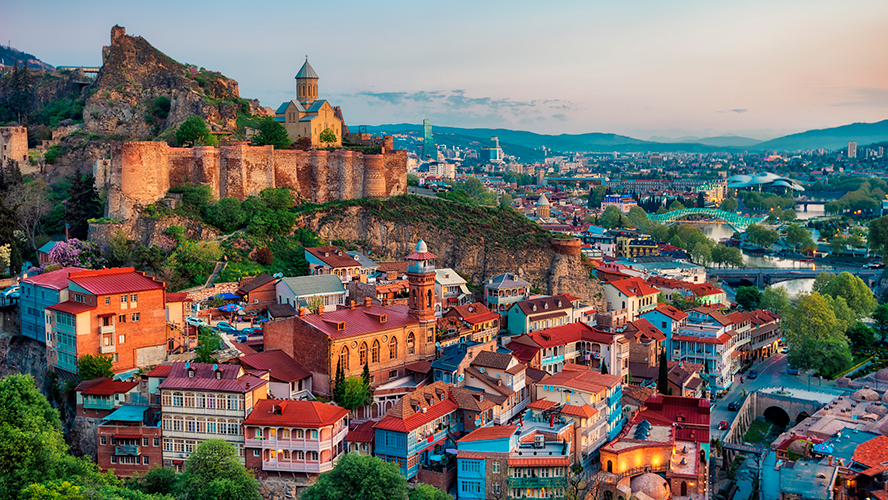
The old town still boasts narrow alleyways, inner courtyards and traditional houses with carved wooden balconies. The area is home to some of the city’s most iconic landmarks, such as Sioni cathedral, the Abanotubani sulphur baths and Narikala fortress, which overlooks the valley from the top of a hill.
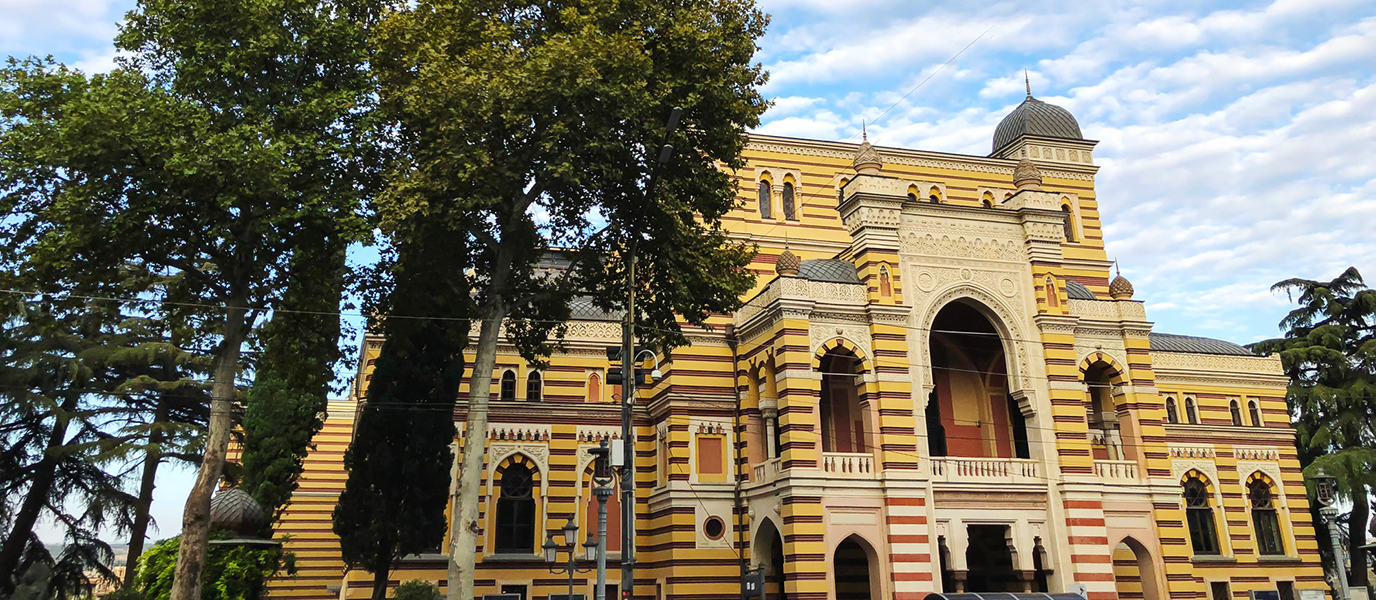
In recent decades, Tbilisi has also embraced contemporary architecture, which contrasts with its historical heritage. The Bridge of Peace, which has a glass structure that is lit up night, and the modern Rike park symbolise this urban transformation.
-
Batumi: futuristic skyscrapers on the Black Sea
Batumi, on the shores of the Black Sea, is the largest city in the Adjara region and one of the most vibrant tourist destinations in Georgia. During the nineteenth century, it developed into a strategic port for the Russian Empire, serving as a hub for exporting oil from the Caucasus.
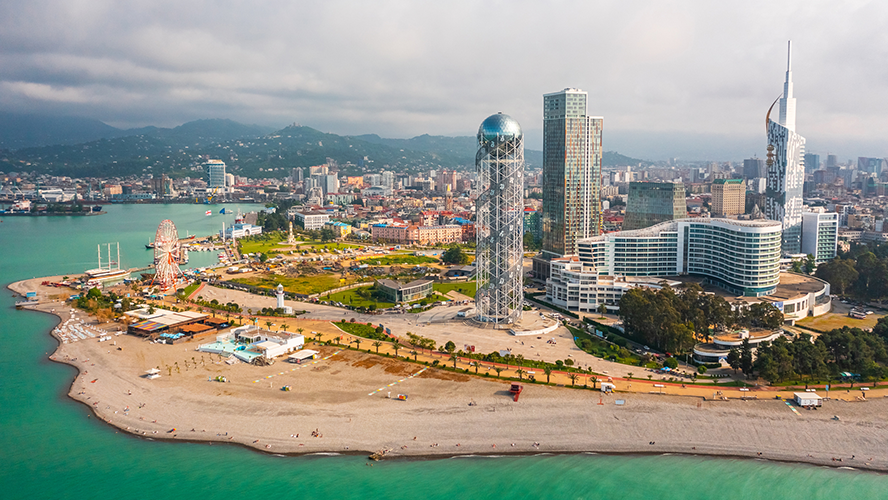
Today, Batumi is known for its seaside promenade, which stretches for several kilometres and is lined with palm trees, contemporary sculptures and futuristic towers. One of its most recognisable buildings is the Alphabet Tower, a spiral structure that pays homage to the unique Georgian alphabet.
Despite its modernity, the city still boasts historic neighbourhoods with nineteenth-century houses, landscaped squares and cafés, which recall its cosmopolitan past as a Black Sea trading port.
-
Kutaisi: the former capital of the medieval Kingdom of Georgia
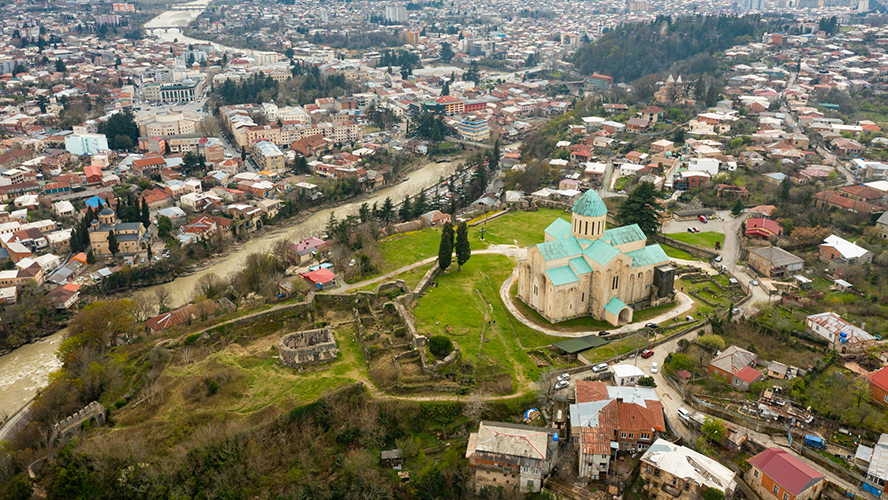
Kutaisi is one of the oldest cities in the country and was once the capital of the Georgian kingdom during the Middle Ages. Situated on the banks of the Rioni river, the city’s history dates back more than 3,000 years and it is even mentioned in Greek mythology as the setting for the legend of the Golden Fleece.
Some of its most important monuments include Bagrati cathedral and Gelati monastery, both of which have been designated UNESCO World Heritage Sites. Founded in the twelfth century by King David the Builder, the monastery was one of the main cultural centres of the Caucasus for centuries.
Kutaisi also makes a perfect base for exploring some of the most spectacular natural landscapes in western Georgia, such as the Martvili canyon and the Prometheus caves.
-
Gori: Stalin’s birthplace, nestled amid medieval fortresses
Gori is internationally renowned as the birthplace of Joseph Stalin. The town centre has a museum dedicated to the Soviet leader, built in the 1950s, next to the house where he was born in 1878.
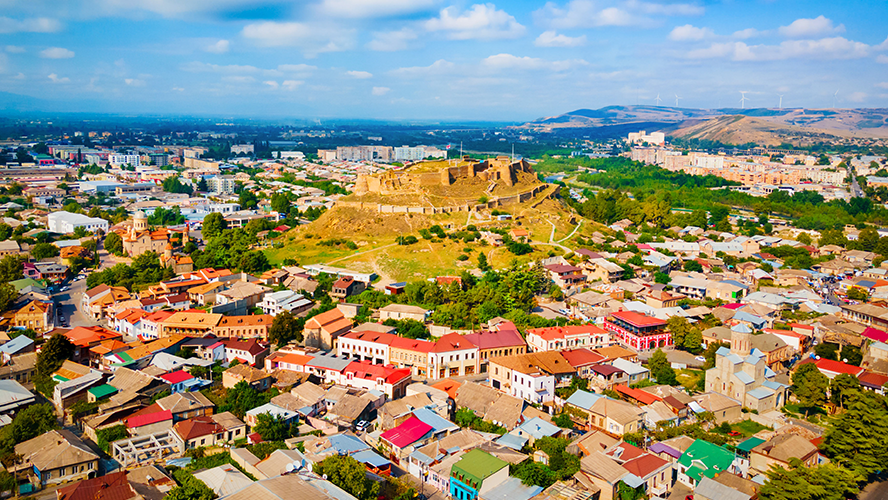
Gori’s history, however, goes back much further. The ruins of a medieval fortress that once controlled ancient trade routes between the east and west of the country stand on a hill overlooking the town. From the fortress’ walls, you can enjoy sweeping views of the Kura river valley and the surrounding mountains.
Must-see regions and landscapes in Georgia: snow-capped peaks, rolling vineyards and canyons with turquoise water
Georgia has a highly-diverse array of landscapes. In just a few hundred kilometres, you can go from valleys covered in vineyards to mountains that stand over 5,000 metres high.
-
Kazbegi: solitary churches against the backdrop of the glaciers of the Greater Caucasus
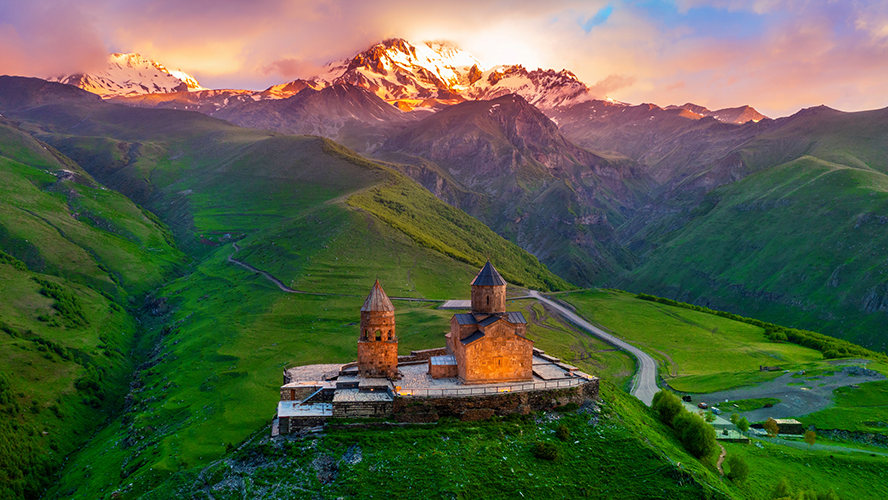
Known officially as Stepantsminda, the Kazbegi region is situated in the northern part of the country, close to the Russian border. The region is home to Mount Kazbek, an inactive volcano over 5,000 metres high, which dominates the landscape of the Greater Caucasus.
The area’s most famous landmark is Gergeti church, which stands on a hill at an altitude of over 2,000 metres. From this vantage point, you can enjoy one of Georgia’s most famous panoramic views: the silhouette of the church against the backdrop of snow-capped mountains.
-
Svaneti: medieval towers in the most remote valleys of the Caucasus
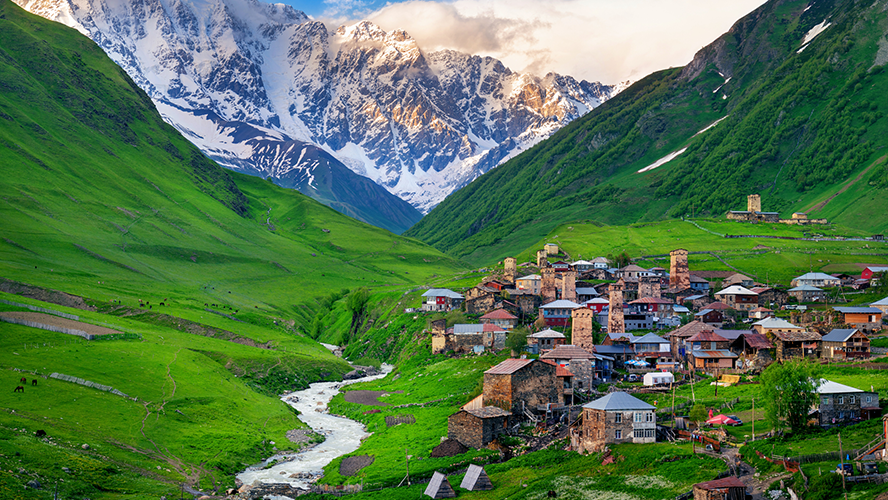
Svaneti is one of the most remote and spectacular regions in Georgia. For centuries, its geographical isolation allowed its inhabitants to develop a distinct culture, characterised by ancient traditions.
The region’s villages, particularly Mestia and Ushguli, are renowned for their medieval defensive towers, built between the ninth and thirteenth centuries. These stone structures served as refuges during conflicts between clans and external invasions.
-
Kajetia: the cradle of Georgian wine amid hills and monasteries
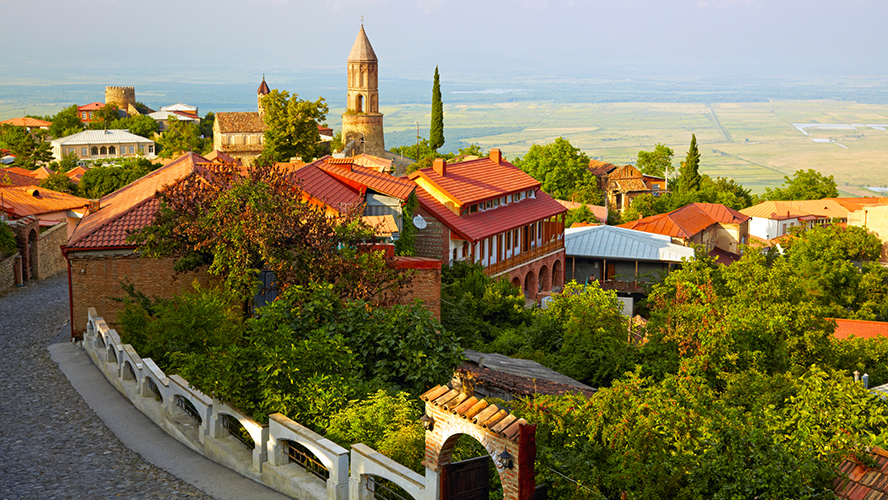
Kakheti, the country’s main wine-producing region, in eastern Georgia, has one of Georgia’s most distinctive cultural landscapes, with gentle, vineyard-covered hills surrounding towns such as Telavi and Sighnaghi. Wine has been produced here for millennia, establishing the region as the heart of the country’s winemaking tradition.
Georgia adopted Christianity in the fourth century, and evidence of this religious heritage can also be found in Kakheti. Monasteries such as Alaverdi and the David Gareja desert complexes are dotted amongst the vineyards and hills, serving as a reminder of how the Orthodox faith and wine culture have played an important part in Georgian identity for centuries.
-
Borjomi-Kharagauli National Park: dense forests in the mountainous heart of Georgia
Borjomi-Kharagauli National Park is one of the largest protected natural areas in Eastern Europe. Its forested mountains boast trails that wind through alpine meadows, mountain streams and dense coniferous forests that change colour with the seasons.
The area is also known for Borjomi mineral water, which has been bottled since the nineteenth century and is renowned throughout the former Soviet Union. The spa town of Borjomi is home to parks, promenades and historic pavilions where visitors can sample the water straight from the region’s springs.
-
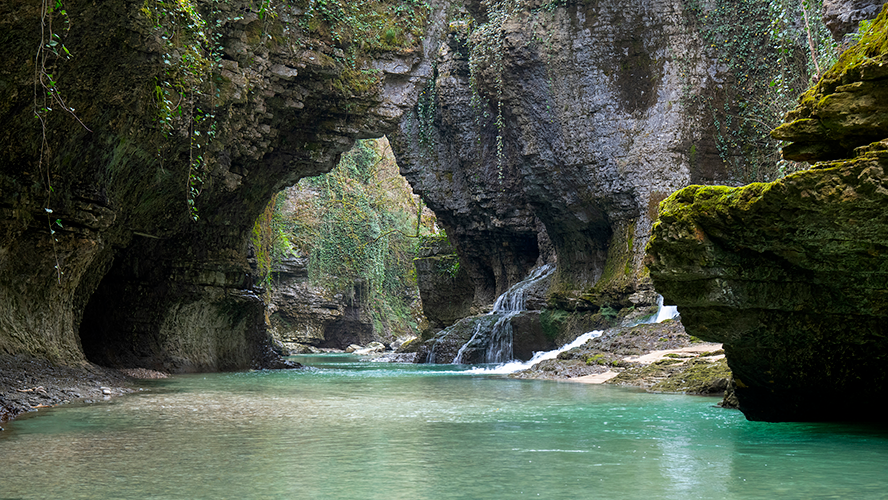
Martvili canyon: turquoise waters surrounded by walls covered in lush greenery
Martvili canyon, in the western region of Samegrelo, has one of Georgia’s most striking natural landscapes. Over thousands of years, the Abasha river has carved out this narrow gorge whose walls are covered in moss, ferns and subtropical vegetation.
Wooden walkways allow visitors to explore the edge of the canyon whilst stopping at various viewing points to admire small waterfalls and turquoise-coloured natural pools. On some of the river’s calmer stretches, you can also take a leisurely boat ride, gliding slowly between the canyon walls.
-
Black Sea beaches: the subtropical coast where Georgia looks out to the sea
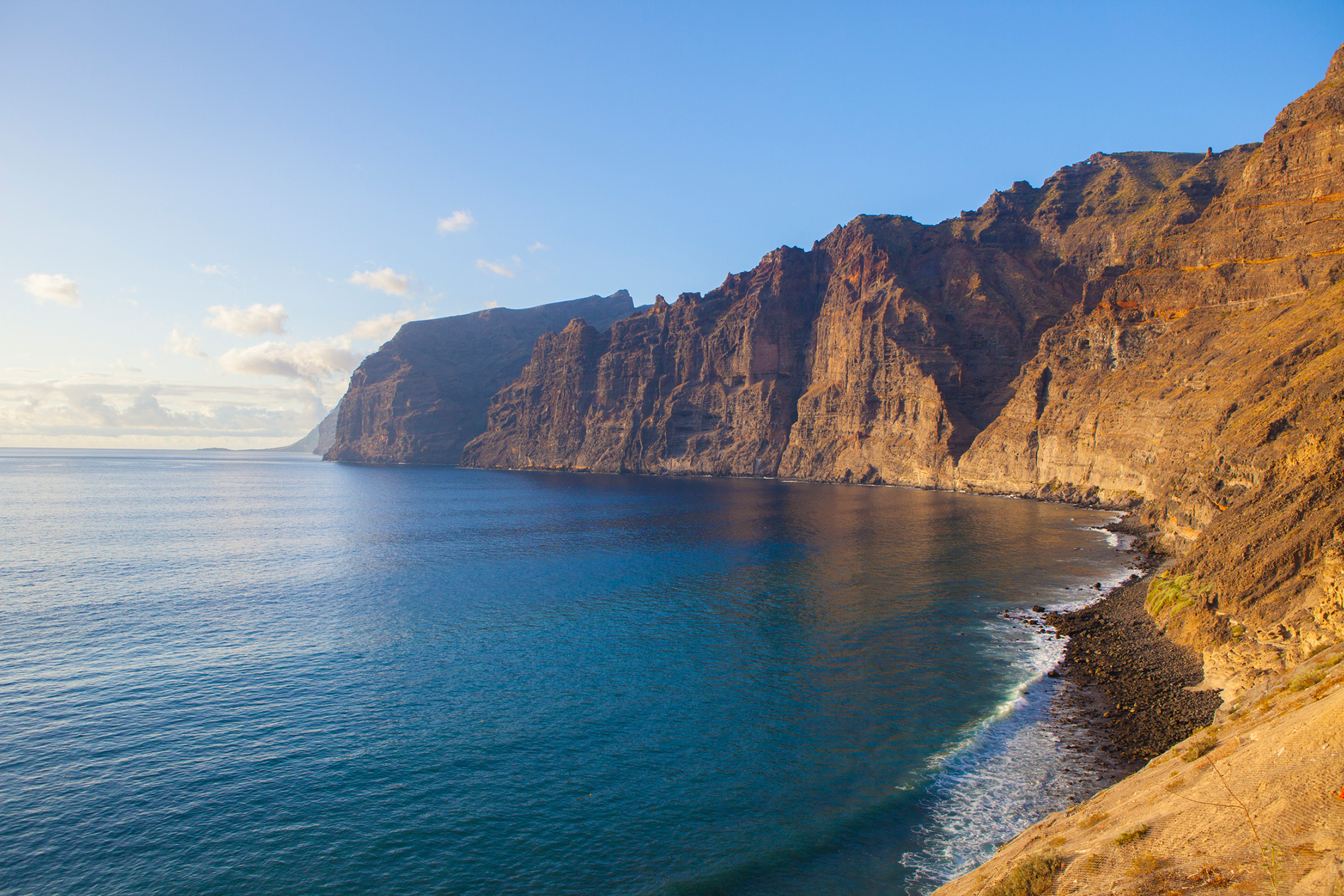
The Georgian coastline of the Black Sea boasts a landscape that is a world away from the mountainous terrain of the country’s interior. The climate here is warmer and more humid, allowing subtropical vegetation to thrive and creating a summery atmosphere for much of the year.
Batumi, the main tourist resort along this stretch of coastline, boasts a long promenade, parks and pebble beaches that fill up in the summer. Further north, towns such as Kobuleti offer a more peaceful atmosphere, with extensive beaches and landscapes where the Caucasus mountains seem to almost reach the sea.
Historical and cultural sites in Georgia: ancient monasteries and towns and villages carved out of the rock
Georgia boasts some of the most unique historical heritage in the Caucasus region. Following the official adoption of Christianity in the fourth century, the country became one of the world’s first Christian kingdoms. Since then, monasteries, churches and religious centres have played a vital role in preserving the Georgian language and culture.
Ancient capitals, towns and villages carved into the rock and monastic complexes built in strategic locations across the country’s landscape have been preserved. These sites recount not only the country’s political history but also the deep connection between religion, national identity and the land.
-
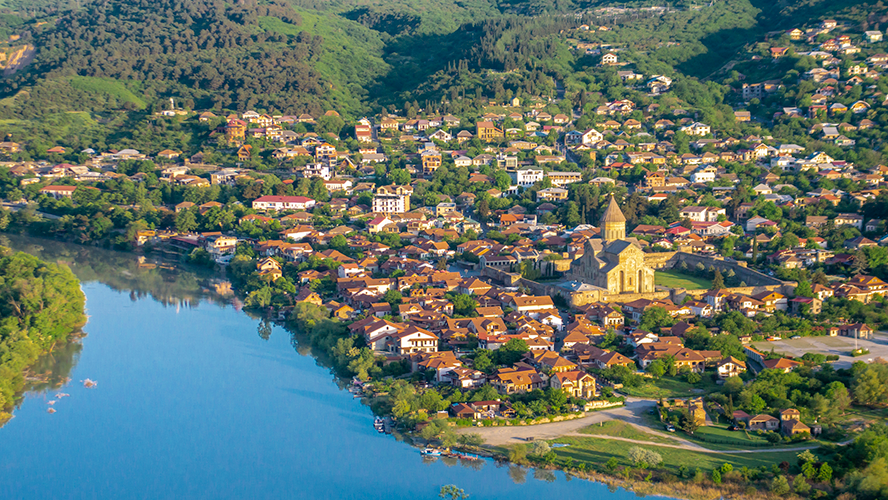
Mtskheta: the former capital and spiritual heart of Georgia
About 20 kilometres from Tbilisi lies Mtskheta, one of the country’s oldest cities and the former capital of the Georgian Kingdom of Iberia. Its historical significance is linked to its early adoption of Christianity, which made it a key religious centre for Georgia’s spiritual development.
The city’s most notable monument is the eleventh-century Svetitskhoveli cathedral, considered one of the holiest churches of the Georgian Orthodox Church. Nearby is Jvari monastery, which is perched on a hill overlooking the confluence of the Aragvi and Kura rivers, one of the country’s most iconic views.
-
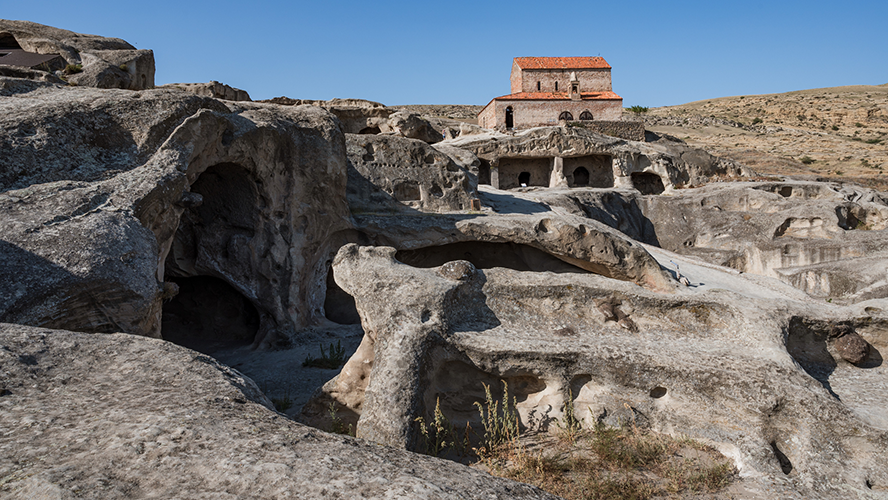
Uplistsikhe: the town carved out of rock in the Kura river valley
Uplistsikhe is one of Georgia’s most remarkable archaeological sites. Situated on a rocky promontory close to Gori, this ancient town was carved into the rock and once housed temples, wine cellars, dwellings and public spaces connected by tunnels and passageways.
Dating back to several centuries before Christ, it originally served as an important pagan religious centre. Following the spread of Christianity, many of its temples were abandoned or converted, although the settlement remained inhabited for much of the Middle Ages.
-
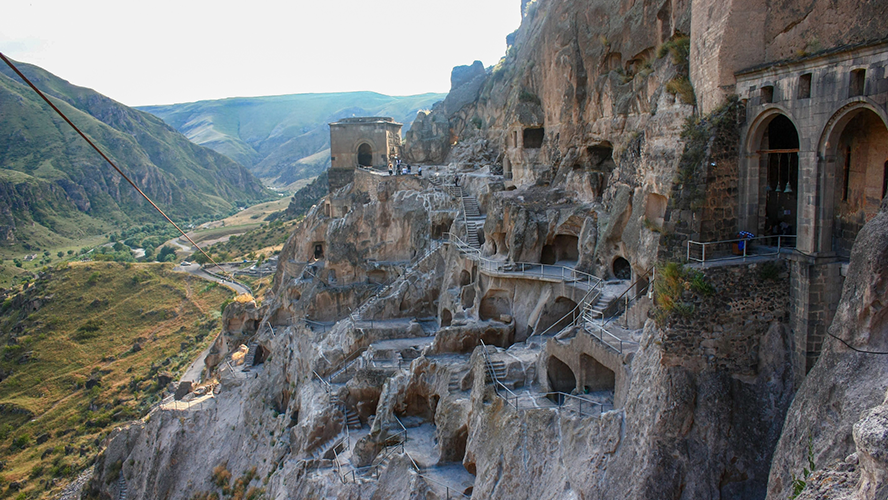
Vardzia: the cave monastery carved into a cliff face
In the south of the country, near the Turkish border, lies Vardzia, one of the most impressive monastic complexes in the Caucasus. Built in the twelfth century during the reign of Queen Tamar, it is carved into a massive cliff overlooking the Kura river valley.
The monastery originally comprised hundreds of rooms spread across the mountain’s different levels. These included chapels, wine cellars, libraries and living quarters for the monks. The main church still retains medieval frescoes depicting biblical scenes and portraits of Queen Tamar.
Tips for visiting Georgia and how to get around: roads in the Caucasus and Georgian hospitality
Although many of its most spectacular regions are located in mountainous areas, Georgia is a relatively easy country to get around. The main cities are connected by train and bus, whilst shared minibuses known as marshrutkas are a common way to get to places such as Kazbegi and Svaneti.
Many visitors also choose to hire a car to explore the country with greater freedom, especially if they wish to explore the wine-growing regions or mountain villages. Aside from transport, one thing that most surprises visitors to the country is the hospitality of its people, a deeply rooted tradition that often manifests in long meals accompanied by wine and toasts.