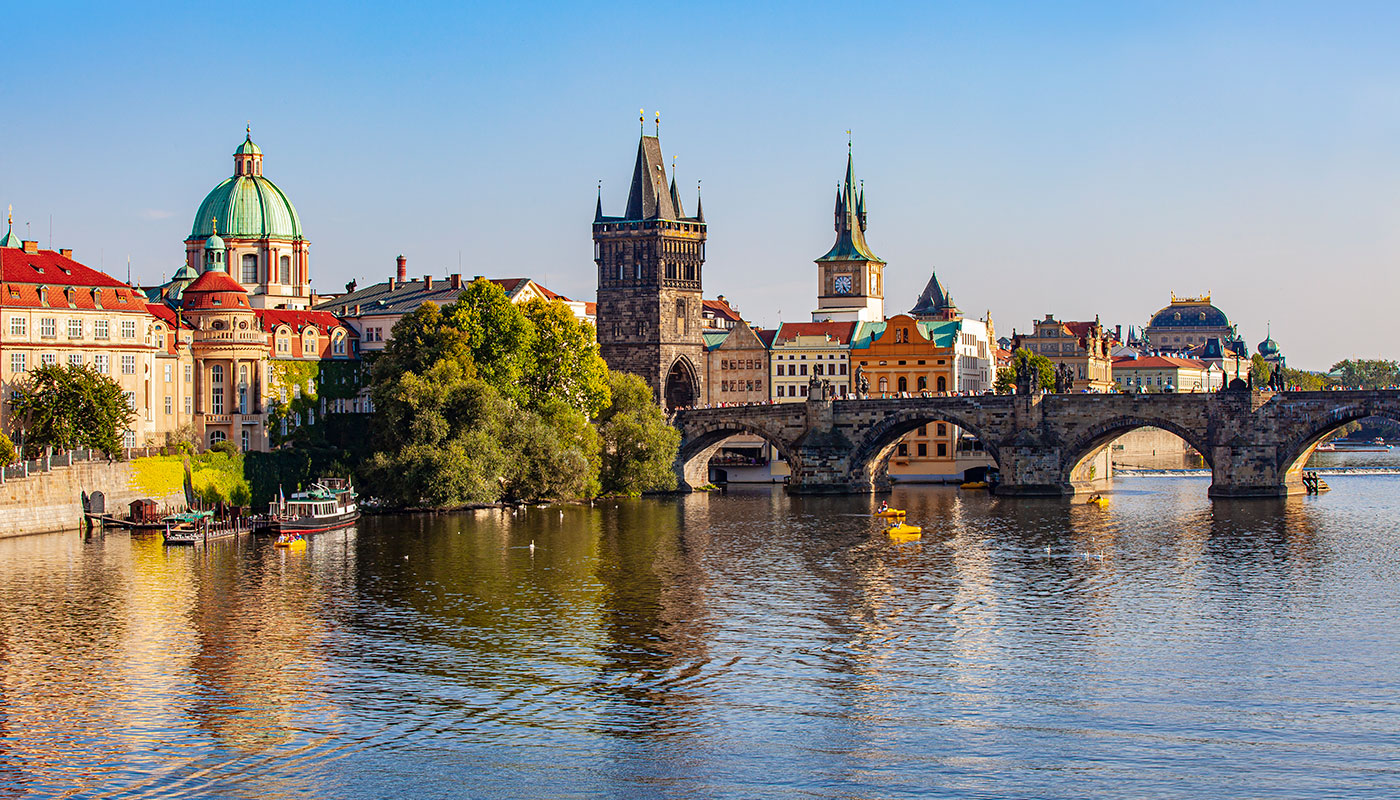






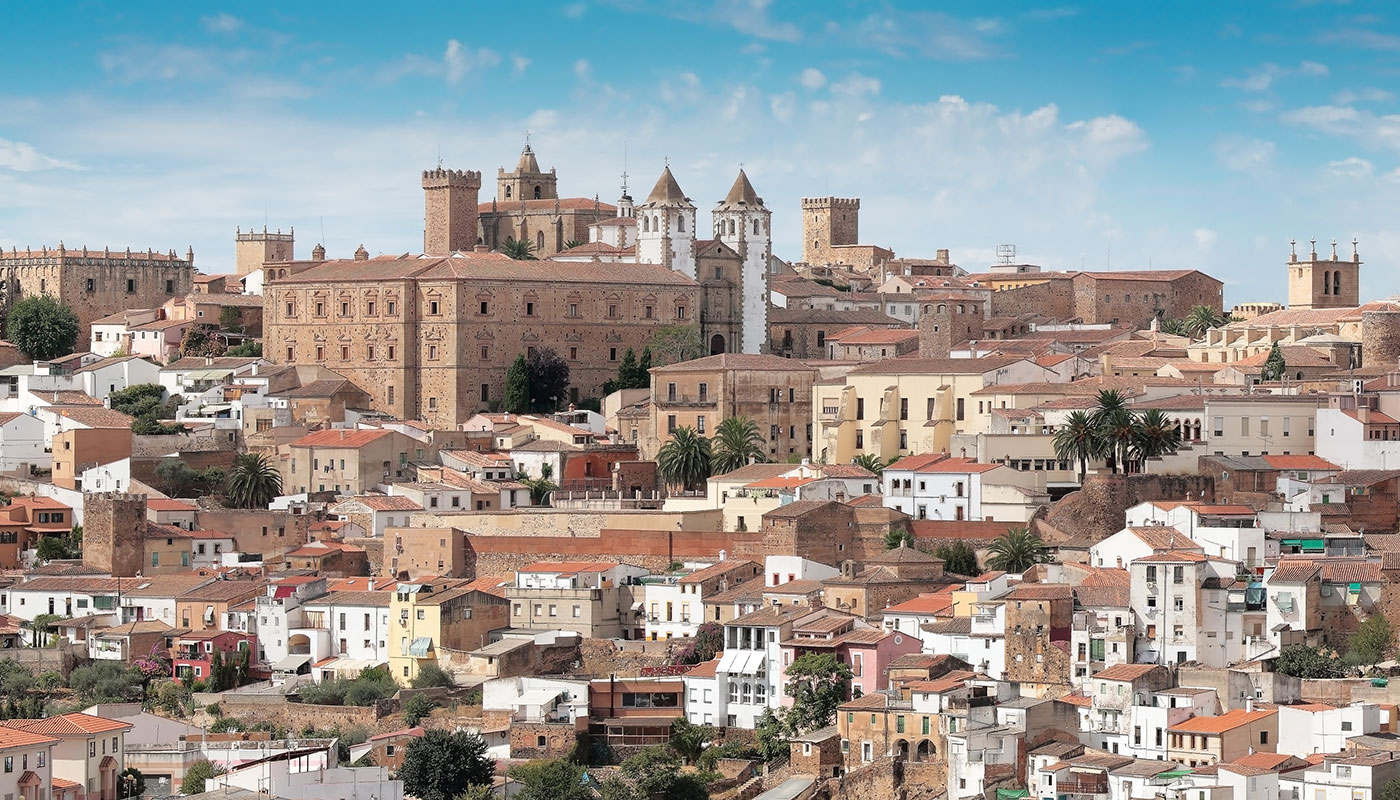






The small town of Szentendre is one of the most obvious and closest places for an excursion from Budapest. A place with great charm, interesting monuments, cultural, gastronomic and leisure attractions, and a great historical legacy.
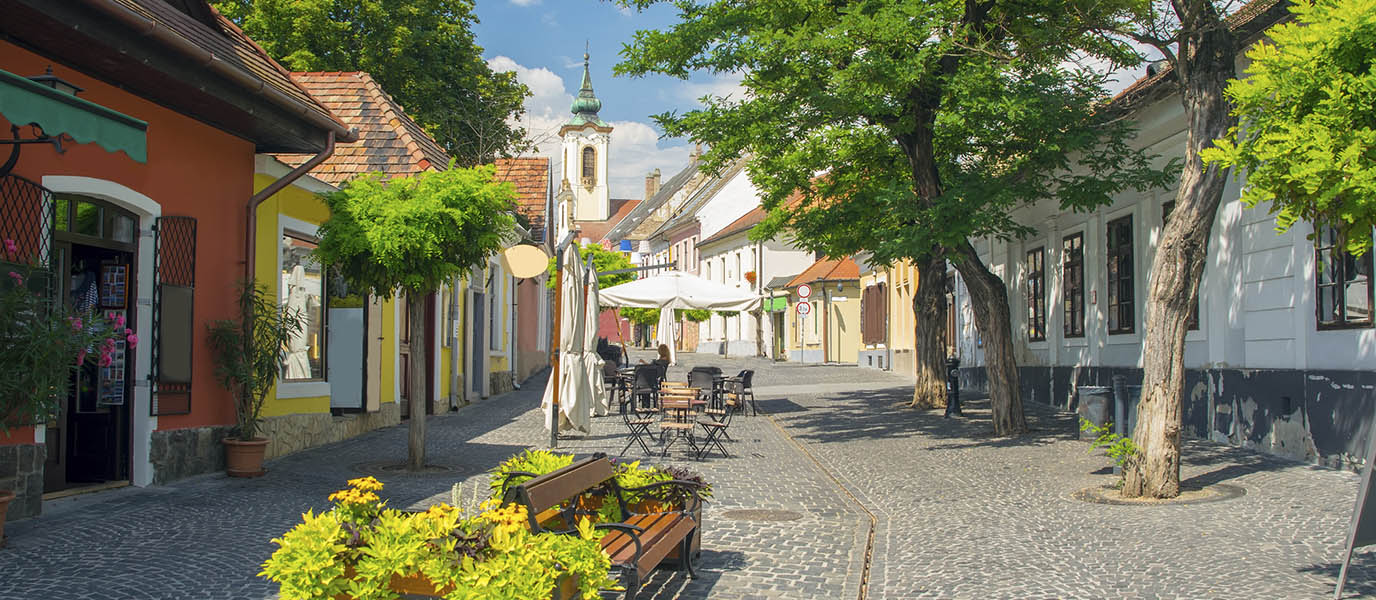
A visit to this town will also enable you to discover more about the Hungarian way of life and style away from the big cities. As soon as you step into Szentendre, you will be seduced by its cobbled streets, its brightly painted houses and its pleasant atmosphere.
The gastronomy here is also very interesting: there are lots of restaurants, cafés and alehouses where you can enjoy the luscious local and Central European cuisine.
The history of Szentendre
The history of Szentendre goes back at least as far as the time of the Roman Empire. It enjoyed a period of glory at the end of the Middle Ages (fourteenth century), and then another in the late seventeenth century when, thanks to its location on the frontier, it became a refuge for many Serbs. These people (many of them aristocrats and intellectuals) had fled from their country during the Great Turkish War (1683-1699), bringing with them their culture and traditions and establishing in Szentendre a genuine capital in exile. Along with them arrived many people from elsewhere in the Balkans and from Greece, in the face of the threat from their common enemy.
During this period, different cultures, ethnic and religious groups and nationalities lived in harmony, creating an atmosphere of liberty and and a hotbed for artistic creativity. Many works from the time, in the form of monuments or exhibits in Szentendre’s museums, have been passed down so that locals and visitors alike can enjoy seeing them.
The fires that afflicted Szentendre during the nineteenth century, in addition to a phylloxera outbreak, caused a decline from which the town has emerged, particularly since the Fall of the Berlin Wall (1989), and Hungary’s entry into the European Union (2004).
What to see in Szentendre
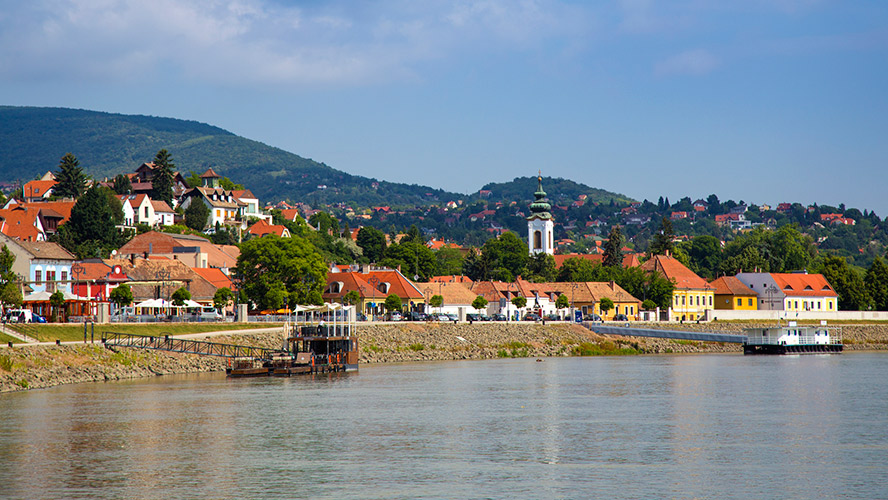
The most interesting aspect of Szentendre is the historic quarter, which spreads out around the Main Square. This triangular area is dominated by a typical Kalmar Plague Cross opposite Blagovestenska Church and its striking bell tower. This area has several shops that have been passed down to the descendants of the Serbs and Greeks who settled here in the late seventeenth century.
It is well worth visiting the so-called Cathedral of the Transfiguration of Our Lord, a church that was effectively the seat of this town’s bishopric and of the Serbian Orthodox Church in exile. It dates from the eighteenth century, and is painted in red and white. Inside, note the division into two areas, usual in this type of church.
Close to the historic quarter is the Templom fortified hill, reached by a narrow street leading out of the Main Square. The name of this area is a reference to the Church of St John the Baptist, which is in fact older than the town itself. On this plateau can be found the small museum dedicated to the artist Béla Czóbel.
It is worth going for a stroll along Dumtsa Jenő utca, which is the town’s main shopping street, dedicated to its popular mayor and lined with shops and cafés.
If you are visiting Szentendre on a Wednesday or Saturday morning, you should go to the market that is set up on the bank of the Bükkös stream, selling fruit, vegetables, honey, cheese, eggs and other ingredients prepared or grown by people from the town and the surrounding area.
The best views of Szentendre are from Szamár hill, and in particular from Preobrazhensky church and its Tanners’ Cross. The Rococo-style Cross is built from blocks of stone and wrought iron.
The Danube Walk
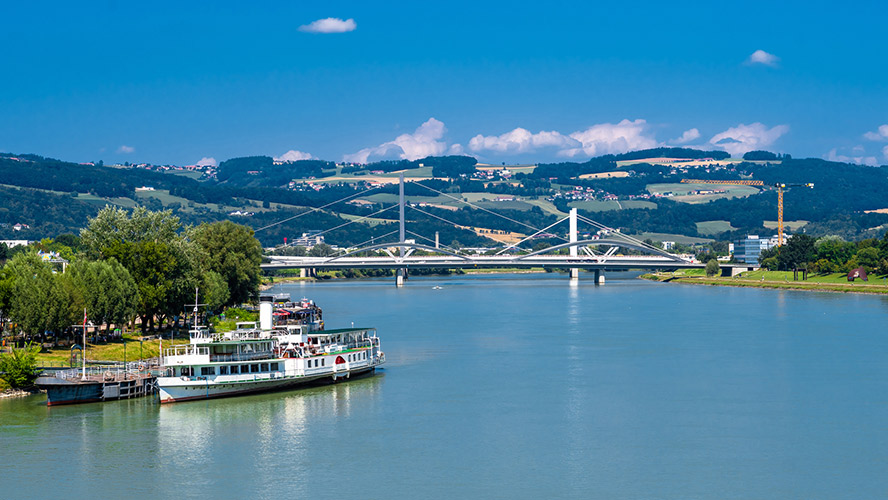
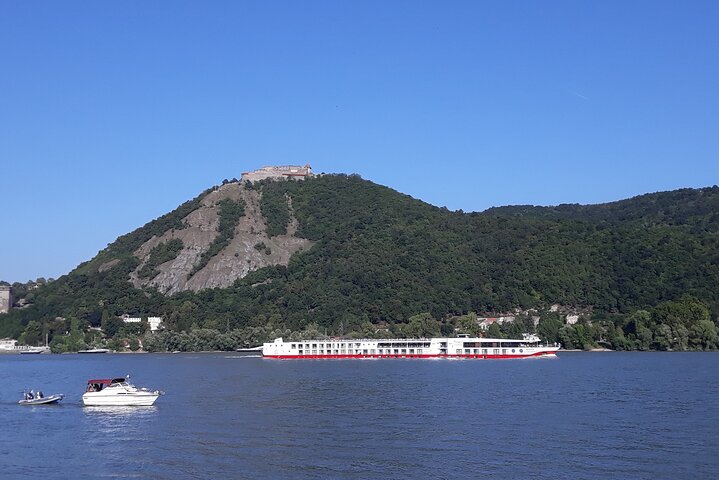
Szentendre marks the start of what is known as the Danube Curve. The name refers to the way in which the river has been forced to find its way through the hills of Visegrád, PIlis, Cserhát and Börzsöny that stand along its course. Along this curve are several historic towns and villages, including Szentendre itself.
In this town, the banks of the Danube are the perfect spot for a stroll, with its Mediterranean-style mansions (built by Serbian, Croat and Greek refugees) and several species of trees. In summer, there is a river beach here, Postás which through the rest of the year is a pleasant park with lush plant life.