









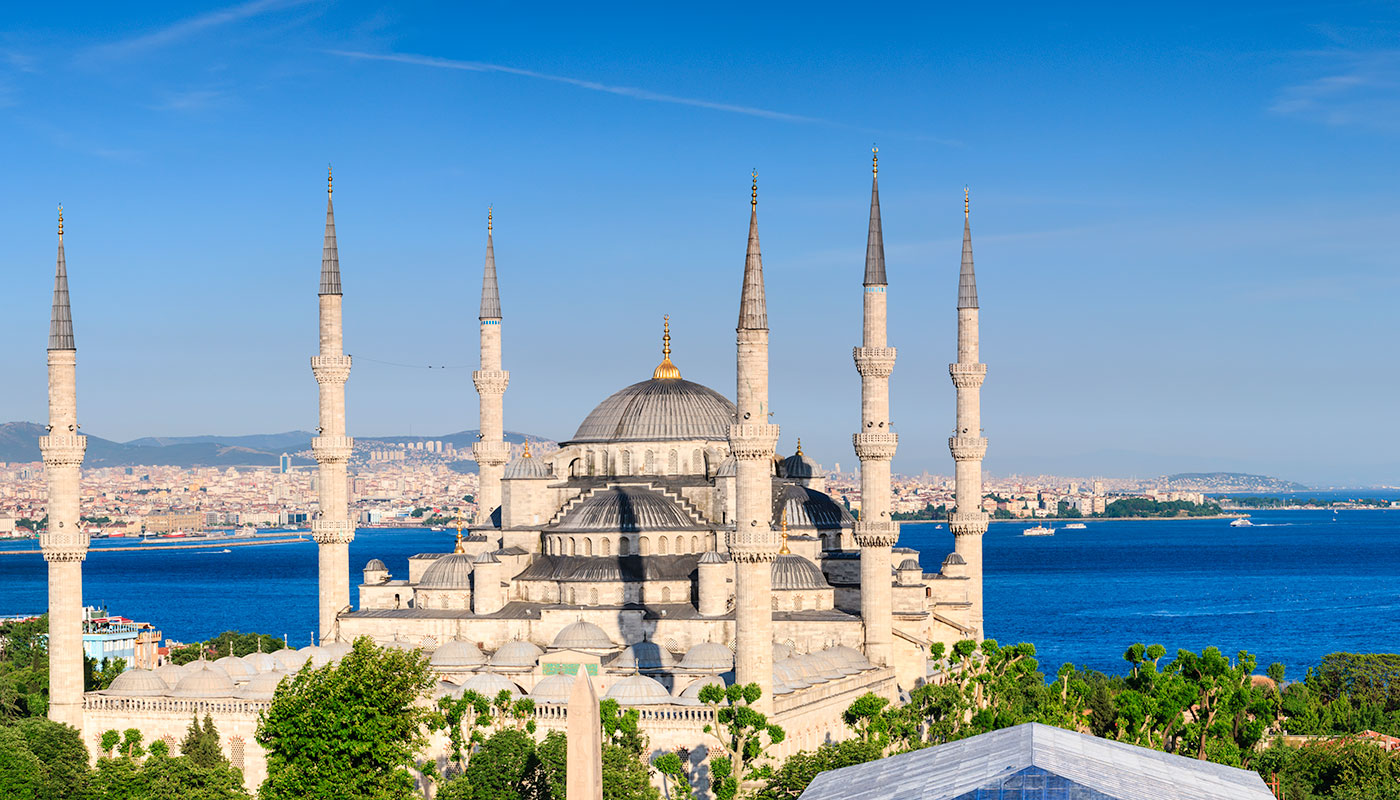
What to see in Warsaw in 1 day
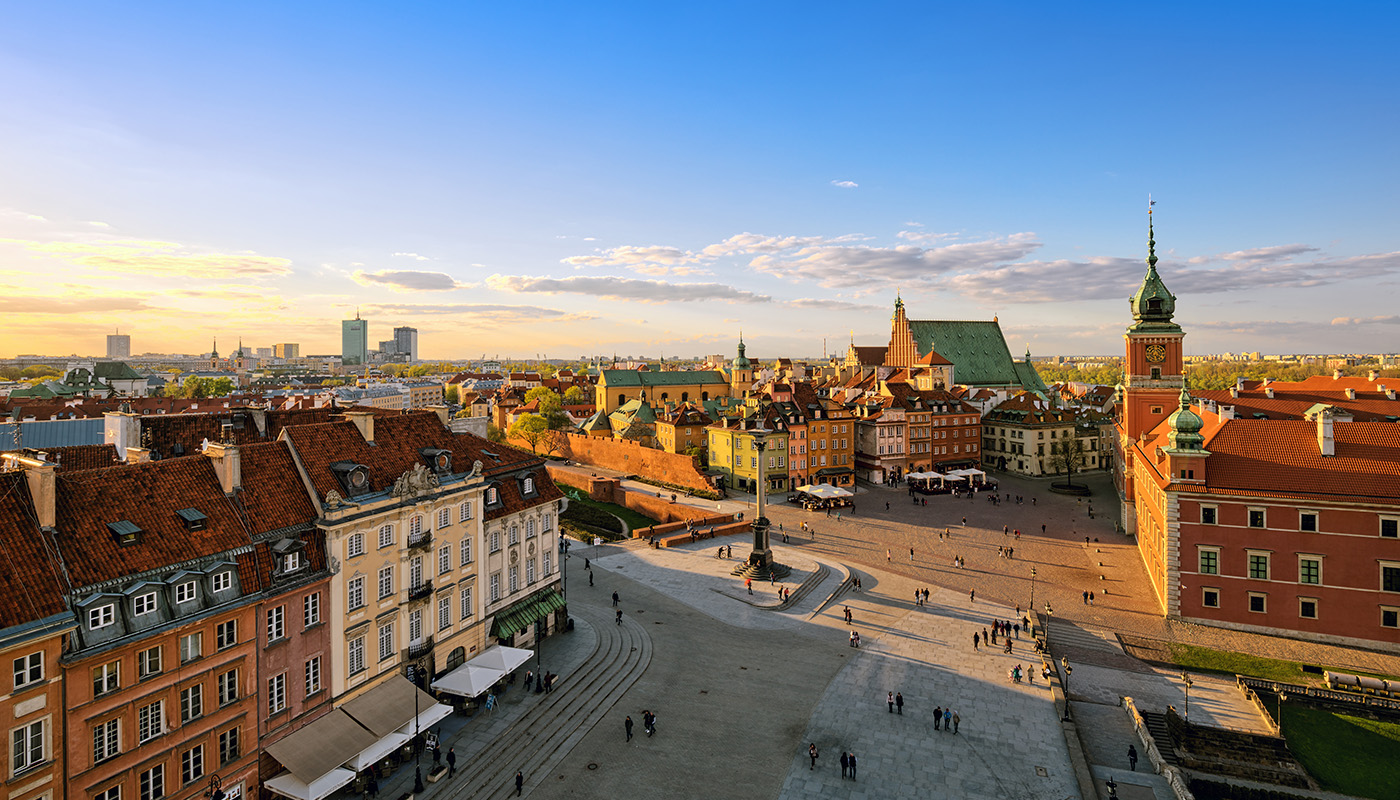
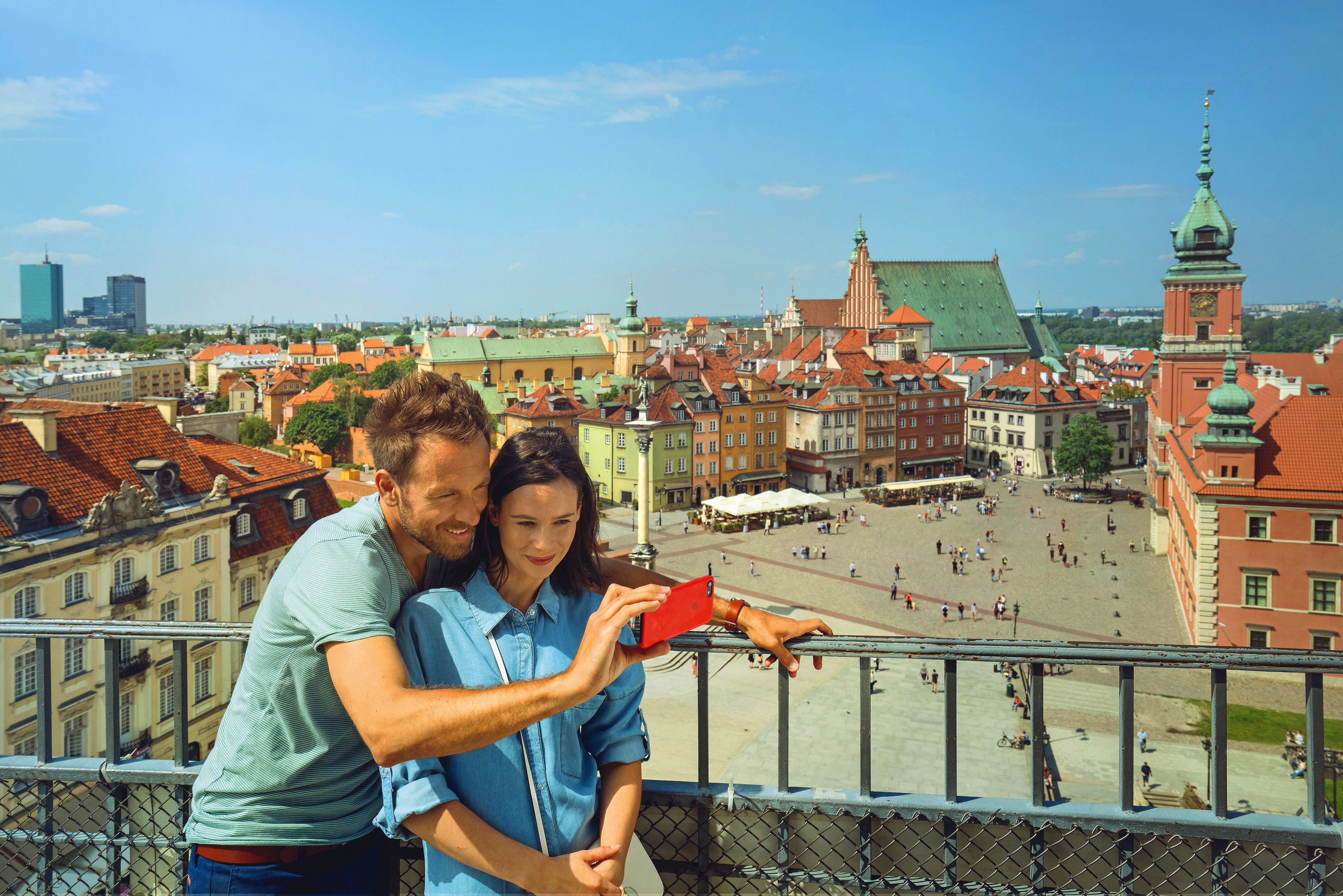
Poland’s capital is one of the most charming cities, particularly in the way it has managed to preserve the essence of its old quarter, combining it with green spaces and elegant palaces. The centre, Stare Miasto, has been declared a World Heritage Site by UNESCO thanks to its colourful cottages that were faithfully rebuilt after what is known as the Warsaw Uprising in 1944.
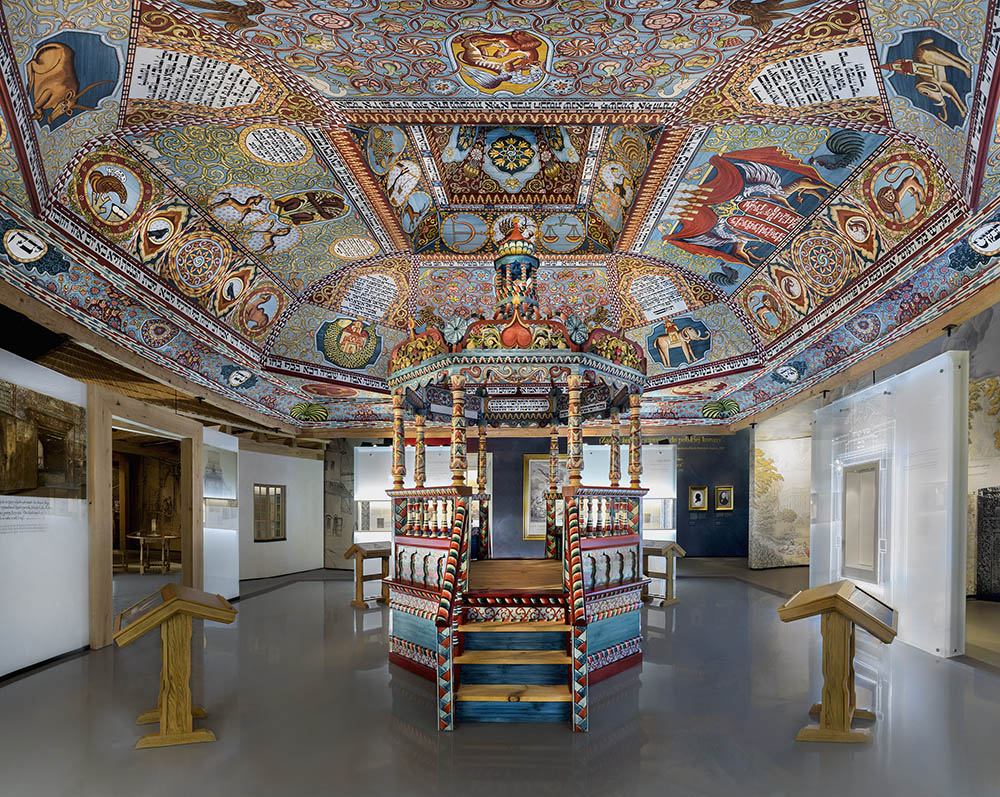
At that time, the city was home to Europe’s largest Jewish ghetto, crammed with around 400,000 people, and of which traces still remain in the form of walls, synagogues, cemeteries and museums.
But apart from the walls, castles and historic areas, visitors should not forget to enjoy the Vistula, the river that lends form and personality to Warsaw, and on whose banks stands the emblem of the entire city and the leading character in a magical legend: the Mermaid, who also appears in the centre of the Polish capital’s shield.
The Vistula promenade has become an enormous recreation area for cyclists and pedestrians alike; it has special lights and a very popular terrace cum viewing point.
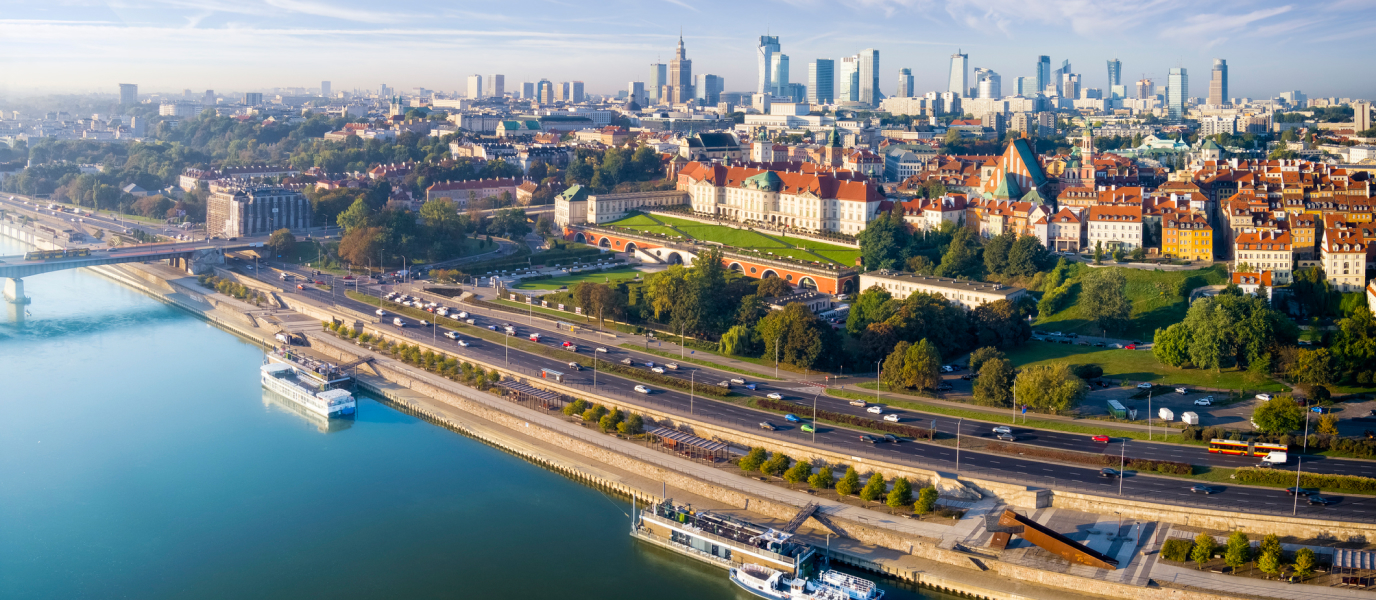
What to see in Warsaw, Poland’s modern and historic capital that was rebuilt after World War II
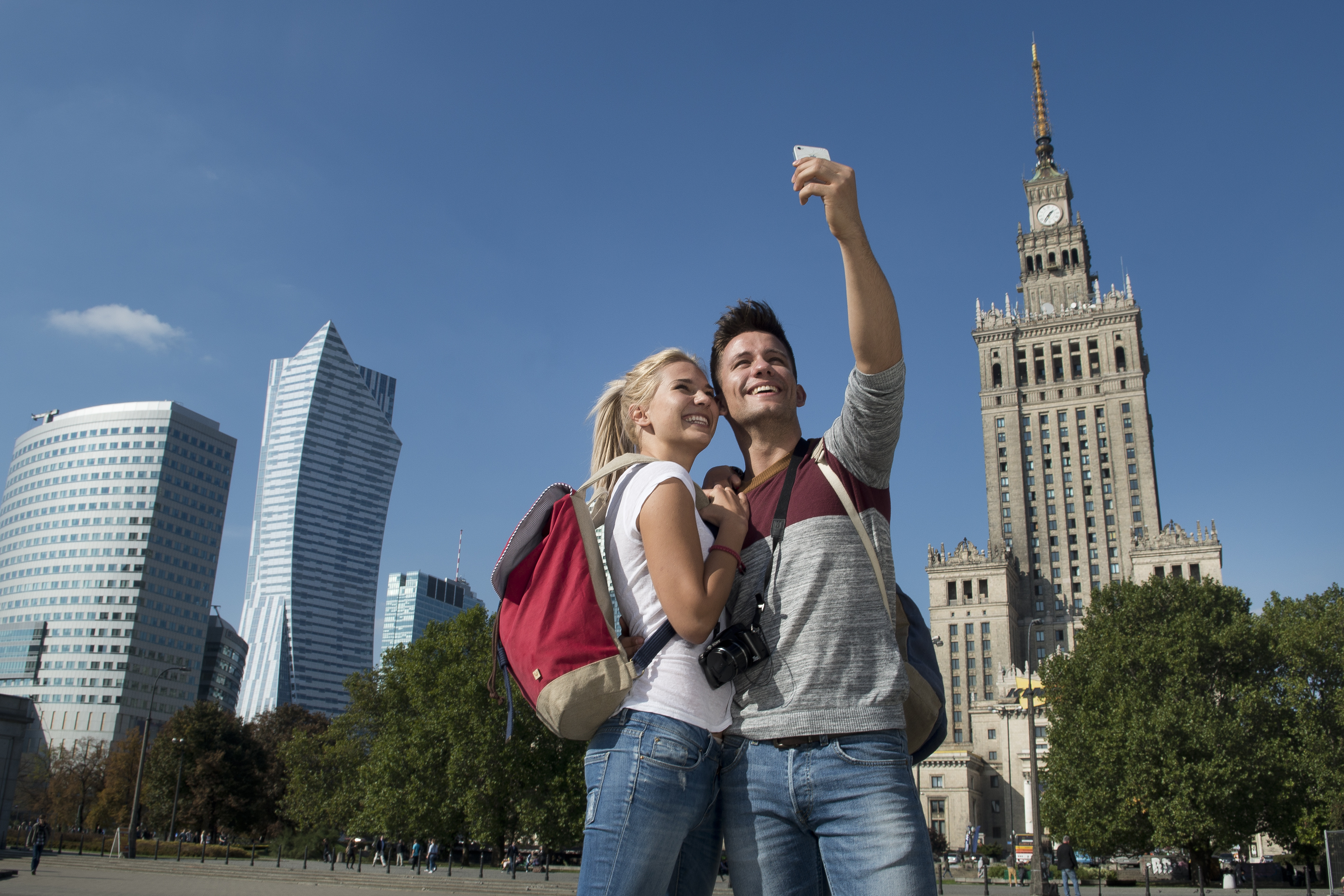
Warsaw in Poland appears modern to visitors because it was rebuilt after World War II, but its historic centre and most emblematic buildings were reconstructed to look exactly like the originals.
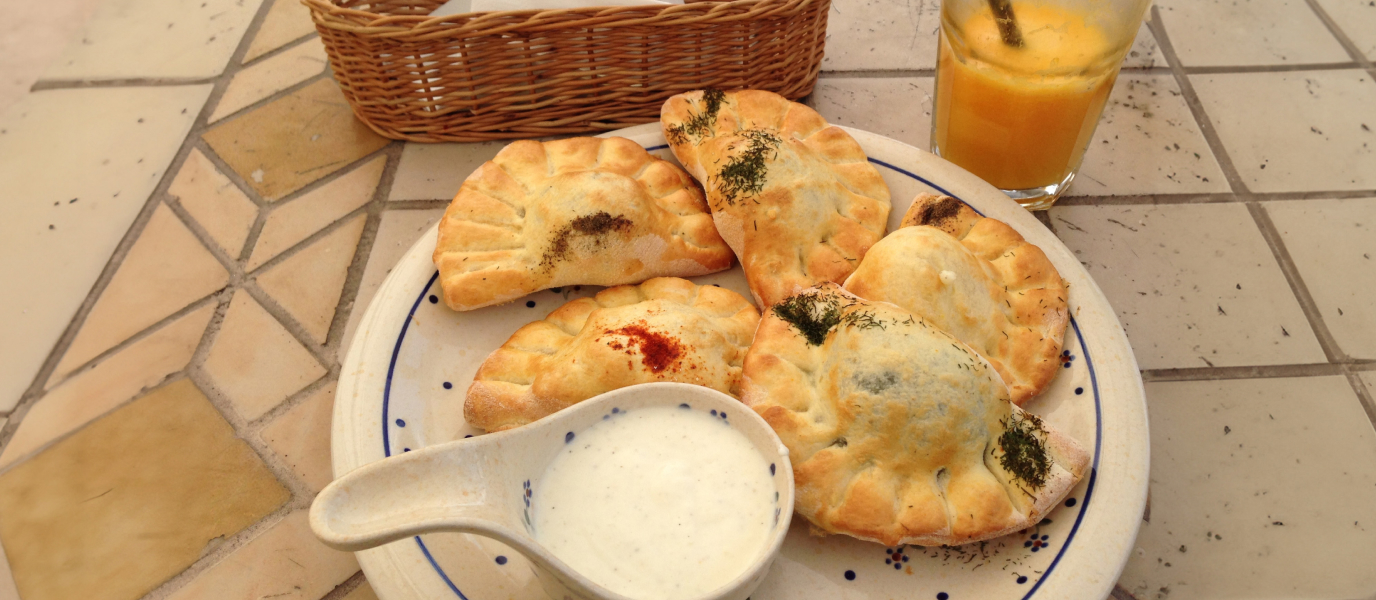
Typical Polish food: hearty, spiced, and meaty
Winters in Poland are extremely cold and these chilly temperatures have shaped a cuisine where soups, stews, and roasts feature heavily on restaurant menus and in traditional dishes.
Auschwitz: a journey to Nazi hell
Auschwitz was the largest Nazi extermination camp and is a journey to the very worst of humanity, while acting as a reminder of what should never happen again.
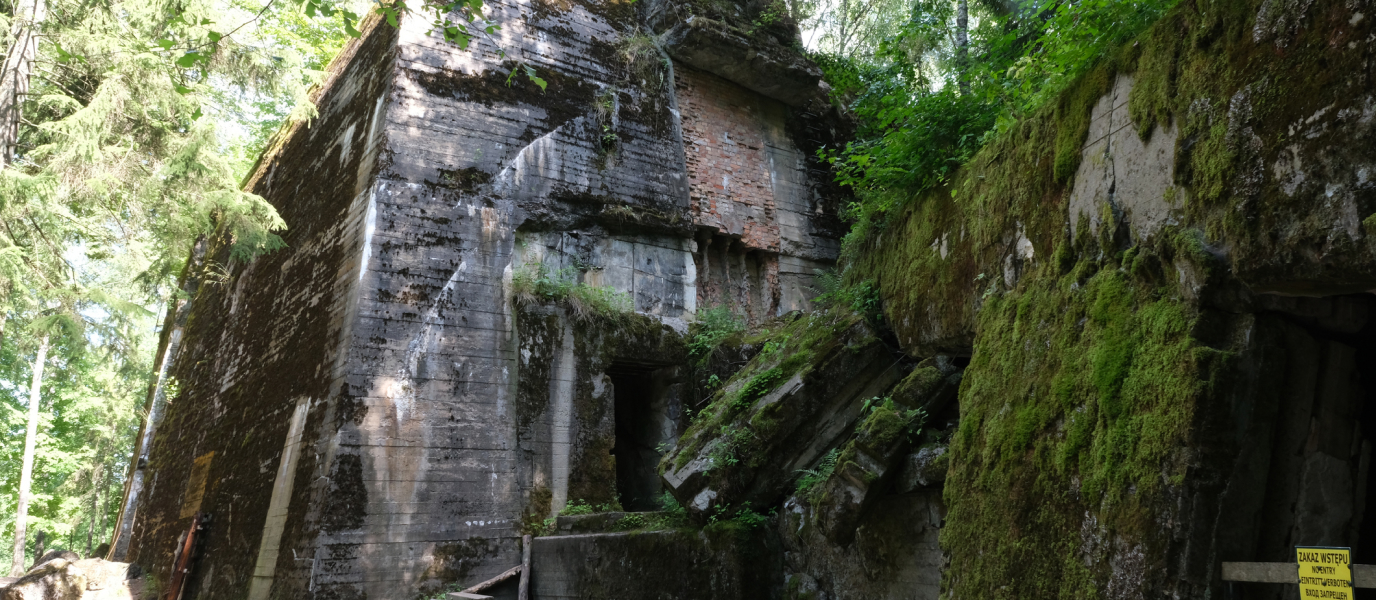
The Wolf's Lair, the place that could have changed the history of Europe
The Wolf's Lair was the secret headquarters where Hitler led his army for much of World War II and where he could have died.
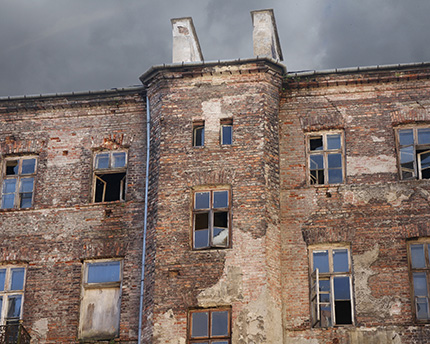
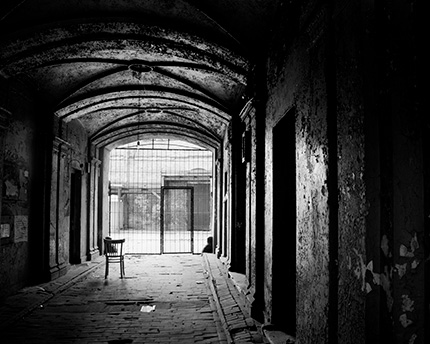
Warsaw Ghetto, the largest ghetto in Nazi-occupied Europe
Warsaw’s Jewish ghetto was destroyed by the German army at the end of World War II. Today, it’s remembered through museums, monuments, and the remains of buildings and the wall.
Typical Polish food: hearty, spiced, and meaty
Winters in Poland are extremely cold and these chilly temperatures have shaped a cuisine where soups, stews, and roasts feature heavily on restaurant menus and in traditional dishes.
Top experiences

Find your ideal itinerary
We help you design the best itineraries for your stay in Warsaw.
Select the area you are staying in and the duration of your trip.
What area will you be in?
How many days?