









What to see in Warsaw in 3 days
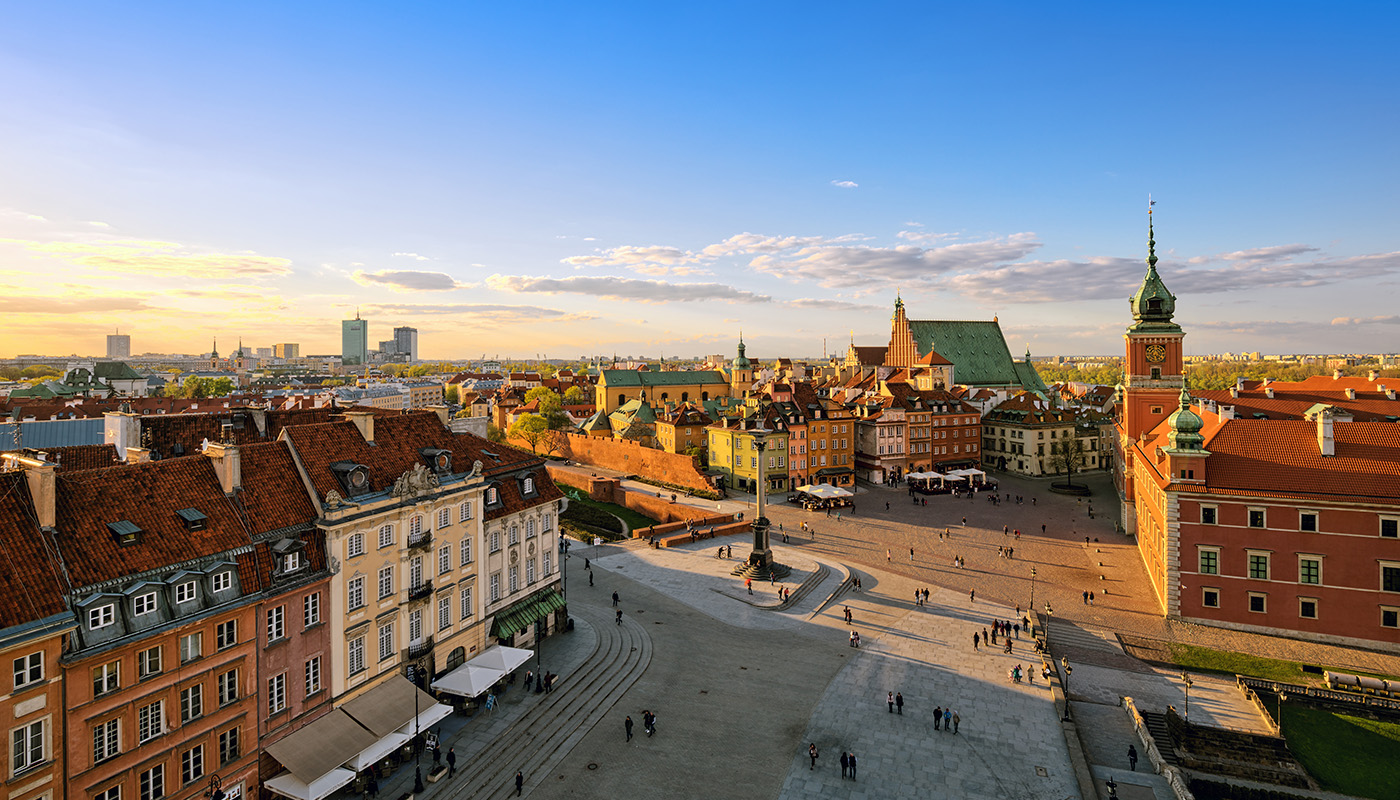
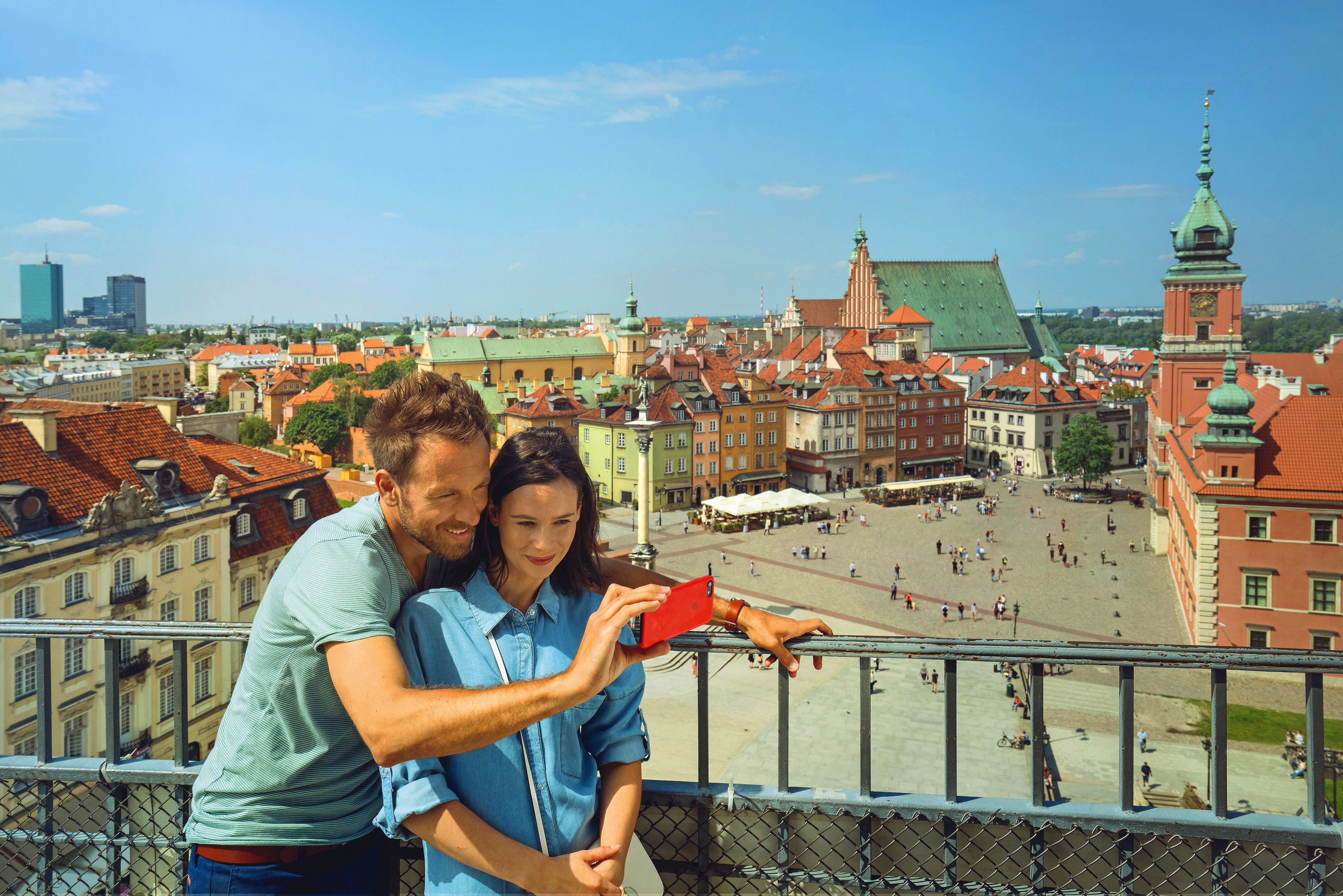
Eighty-five percent of Warsaw was destroyed during the Second World War, but the Poles worked hard to rebuild it so that it rose again, and its hundreds of historic monuments were returned to their former glory. That is why it is so wonderful to see the Royal Castle, the Barbican, the city’s squares and its colourful, stately mansions.
Moreover, Warsaw has extensive green areas where you can admire the fantastic nineteenth-century palaces, fountains, lakes and huge promenades.
On your tour, don’t forget to visit contrasting areas such as the Jewish Ghetto, the largest in Europe, and the Praga district, the city’s most alternative and bohemian neighbourhood.
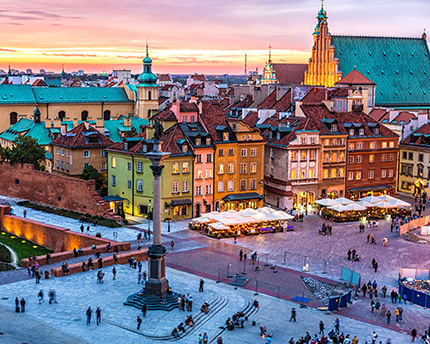
Starówka, Warsaw's charming Old Town
The heart of the Polish capital is an enchanting place and, above all, strongly marked by history. It is clearly a must.

The Royal Castle, a symbol of Poland’s independence
This historic edifice, which dates back to the fourteenth century, was destroyed by the Nazis and later rebuilt with money donated by the public.
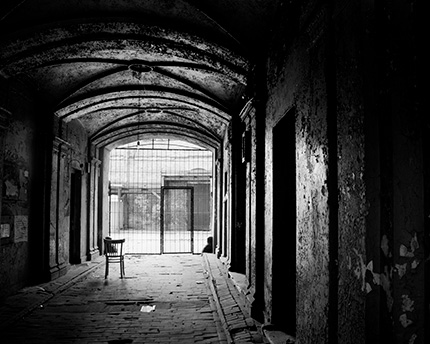
Auschwitz: a journey to Nazi hell
Auschwitz was the largest Nazi extermination camp and is a journey to the very worst of humanity, while acting as a reminder of what should never happen again.
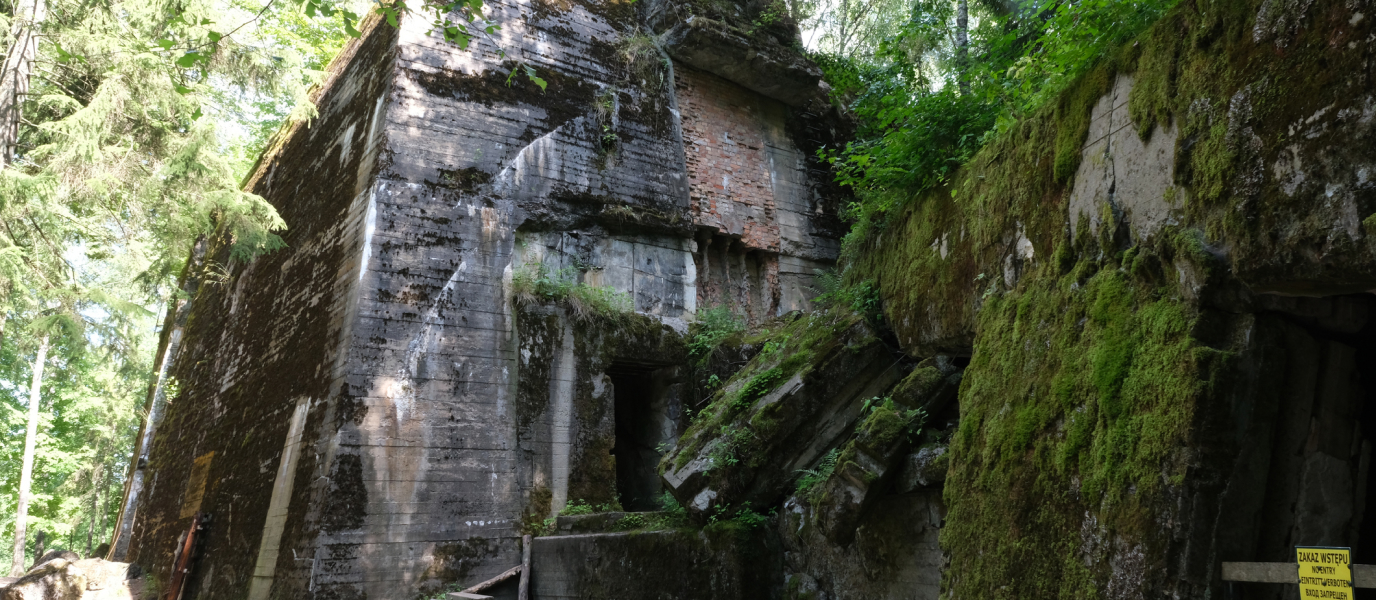
The Wolf's Lair, the place that could have changed the history of Europe
The Wolf's Lair was the secret headquarters where Hitler led his army for much of World War II and where he could have died.
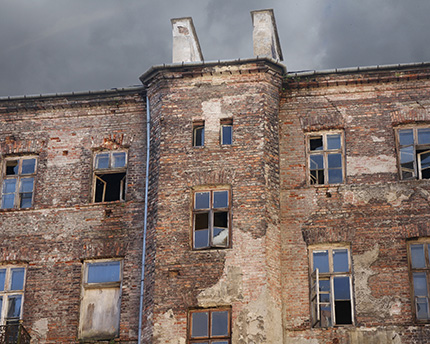
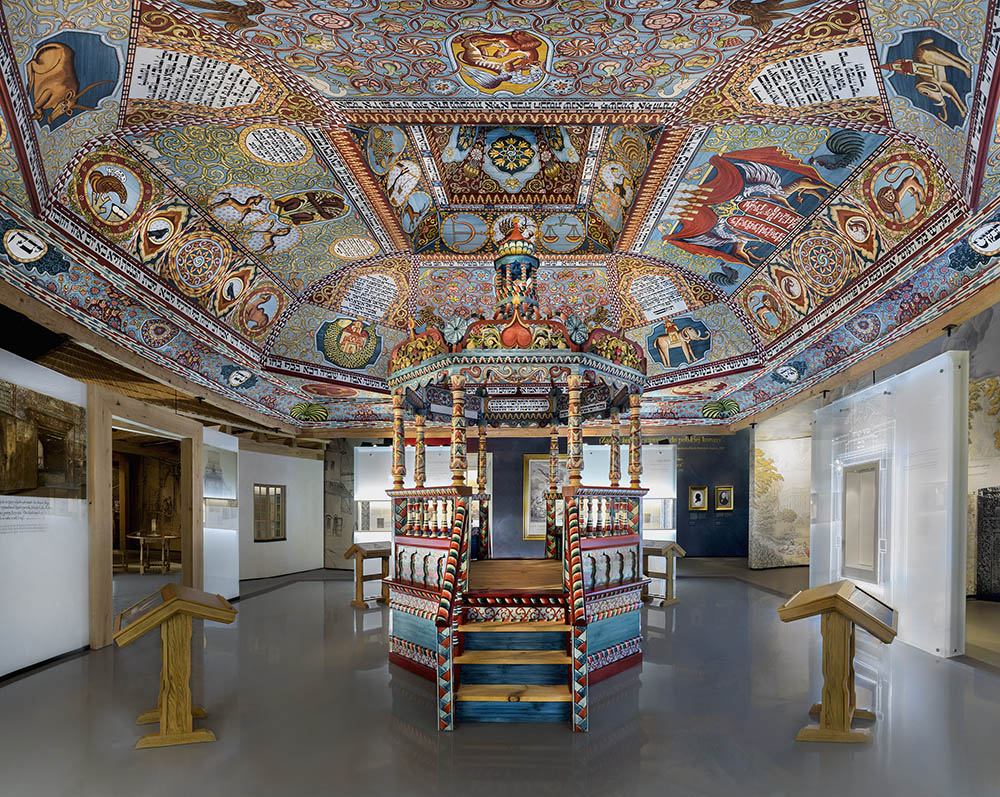
Warsaw Ghetto, the largest ghetto in Nazi-occupied Europe
Warsaw’s Jewish ghetto was destroyed by the German army at the end of World War II. Today, it’s remembered through museums, monuments, and the remains of buildings and the wall.
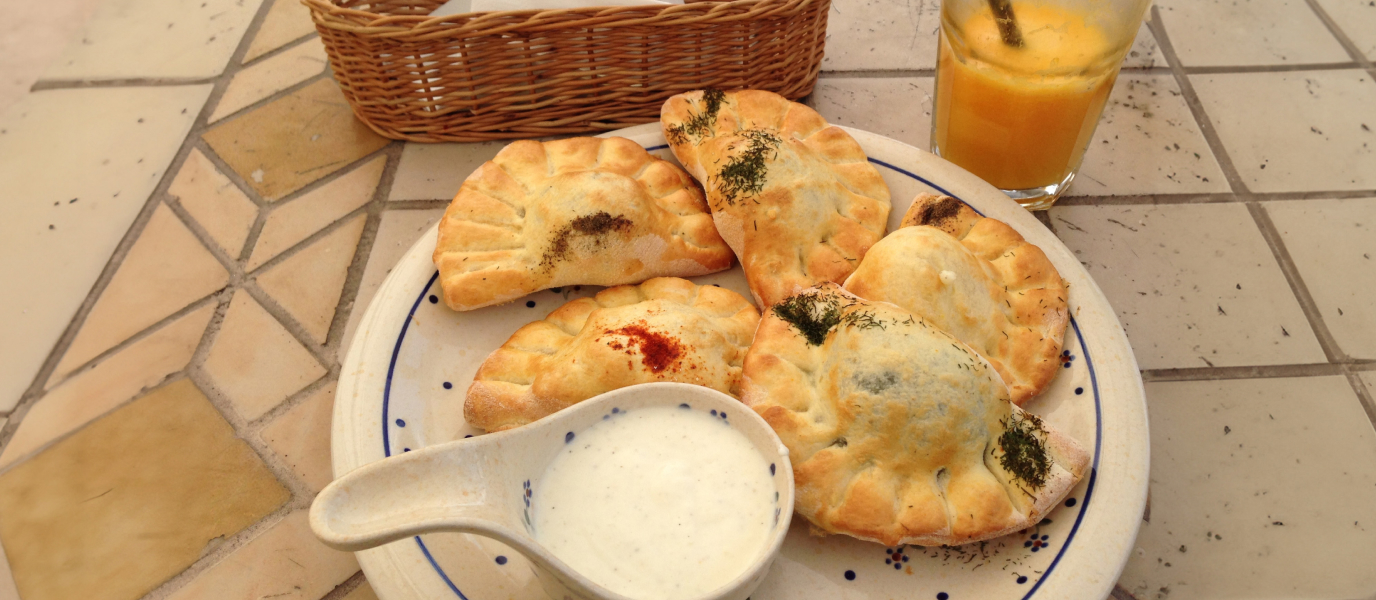
Typical Polish food: hearty, spiced, and meaty
Winters in Poland are extremely cold and these chilly temperatures have shaped a cuisine where soups, stews, and roasts feature heavily on restaurant menus and in traditional dishes.
Top experiences
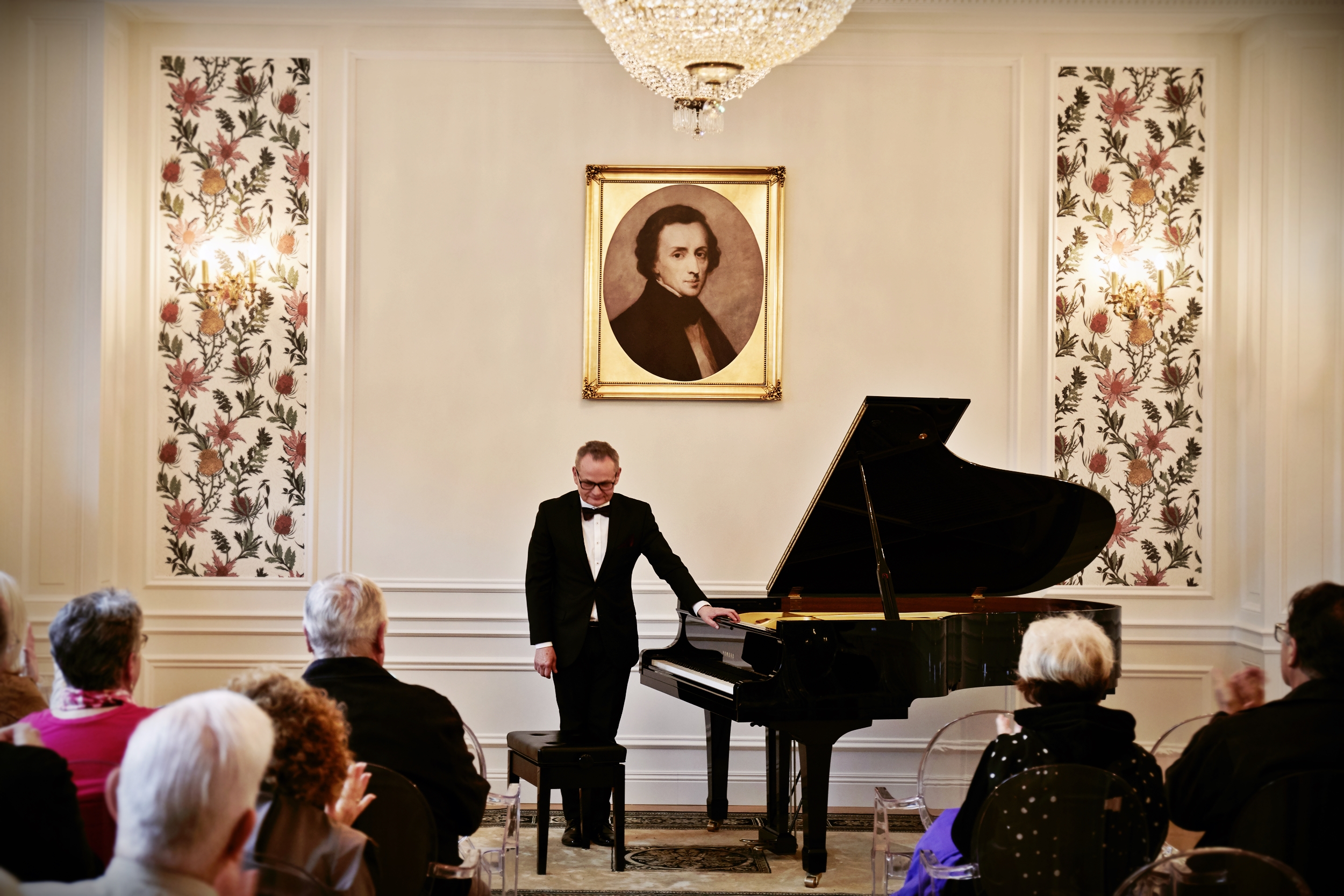

Find your ideal itinerary
We help you design the best itineraries for your stay in Warsaw.
Select the area you are staying in and the duration of your trip.
What area will you be in?
How many days?