


_435x320?&)

Discover everything to know about traditional Mediterranean cuisine
Traditional Mediterranean cuisine has gained a reputation for its healthy, tasty dishes, but how well do you know the Mediterranean diet?
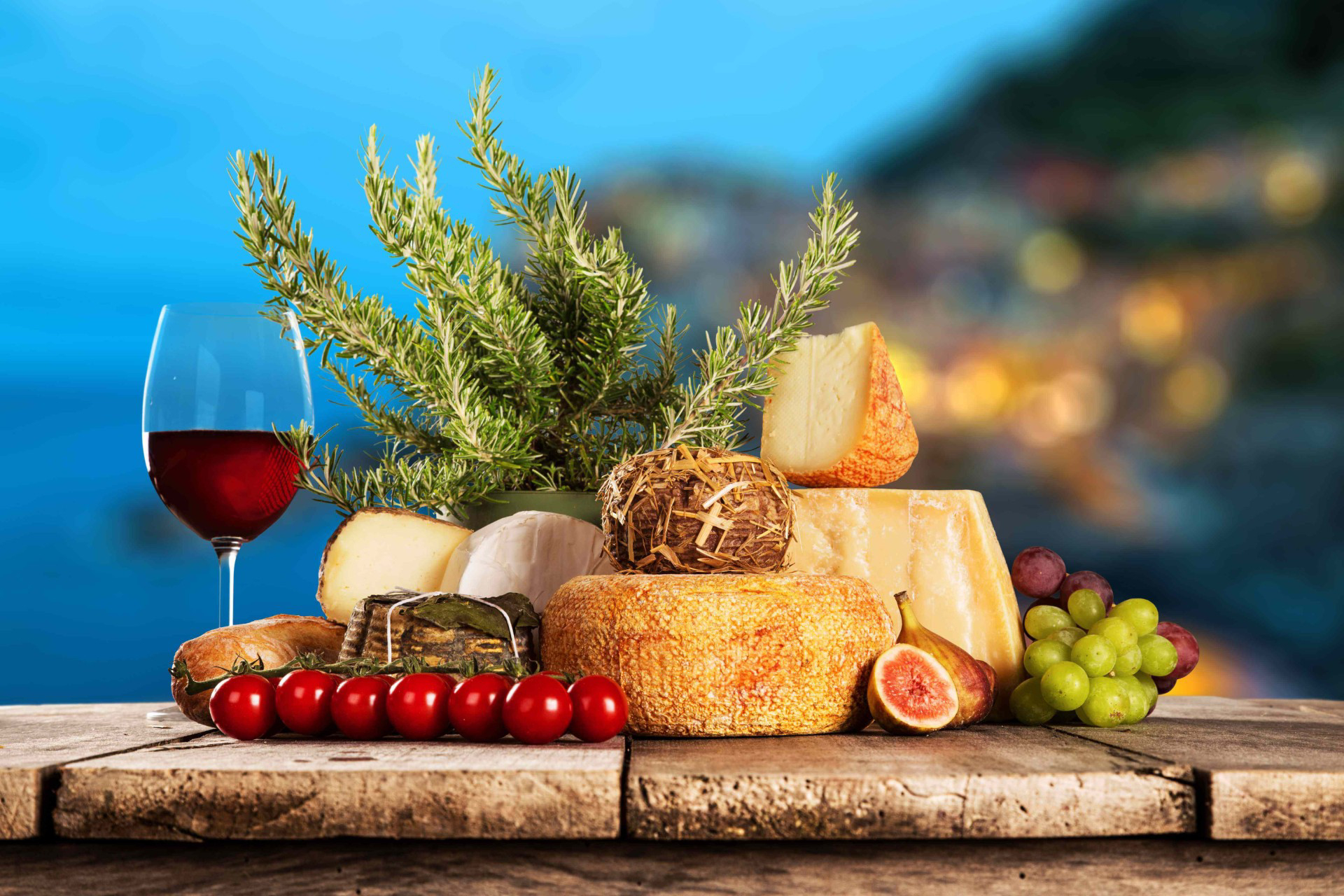
Olive oil, fresh fish and sun-dried tomatoes. These are the first things that spring to mind when it comes to Mediterranean cuisine. Whether you have enjoyed a long, leisurely lunch at your local Italian restaurant, tucked into the tapas in Spain or recreated dishes from a Greek cookbook, everyone has some idea about Mediterranean food. Aside from its delicious taste, it also has a reputation for being one of the healthiest cuisines in the world. But is there a single Mediterranean cuisine? While each Mediterranean country serves up their take on this concept, it's possible to try traditional Mediterranean cuisine in many places on your travels.
Mediterranean cuisine: the concept
So, where did the idea of Mediterranean cuisine come from? In fact, it is a relatively new concept. The first mention of the term dates back to 1950 when British cookbook author, Elizabeth David, published A Book of Mediterranean Food, in which she brought the cuisines of all the Mediterranean countries together. Yet, as with all innovative terms, the idea was not without its controversy. Many experts believe that the differences between the individual countries are far too great to speak of a unified Mediterranean cuisine. For example, Egyptian cuisine has little in common with French cuisine. However, the common basis by which Mediterranean cuisine is generally defined is also very general: it consists of the three most important crops of the Mediterranean region: olives, wheat, and grapes.
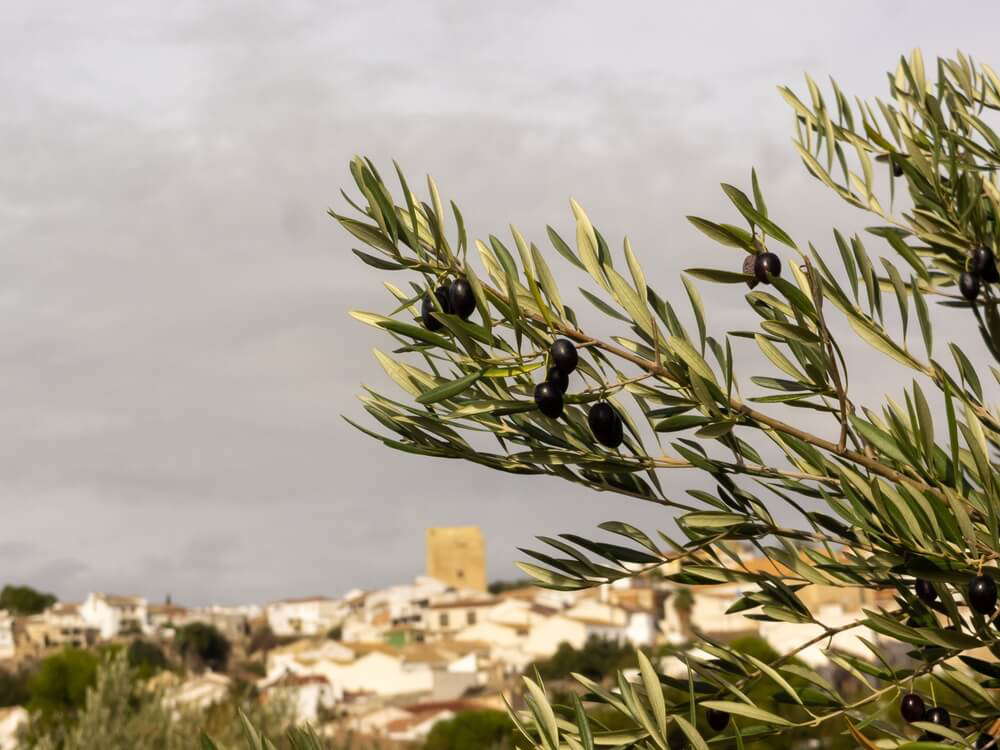
Olive trees in Andalusia
If it has olives, wheat and grapes, it's the Mediterranean diet
Since olives, grapes and wheat have been cultivated across the Mediterranean region for thousands of years, it makes perfect sense that they are the cornerstone of the cuisine. Olive oil is made from olives, bread (generally white bread) and pasta from wheat and of course wine from grapes. The significance of olive oil in Mediterranean cuisine is so profound that the very boundaries of the region’s culinary identity often mirror those of the olive tree’s natural habitat. Put simply: where the olive tree flourishes, so too does Mediterranean fare. When it comes to wine, however, a cultural distinction must be made.
When it comes to wine, however, a cultural distinction must be made
Much of North Africa is predominantly Islamic, where the consumption of alcohol is religiously prohibited. This, perhaps, explains why the term Mediterranean cuisine tends to evoke the flavours of southern Europe: Italy, Greece, Spain, more readily than those of the Maghreb or Mashreq. Despite sharing a coastline and countless historical ties, these regions are often placed under the broader umbrella of Arab cuisine, lacking, as they do, one of Mediterranean traditional food’s pillars: the wine.

Wine is an integral part of Mediterranean cuisine
Mediterranean cuisine is one of the healthiest: true or false?
The reputation of Mediterranean cuisine as a beacon of healthy eating rests largely on three enduring culinary habits: a generous use of olive oil, an abundance of fresh fruit and vegetables, and a steady intake of fish, thanks, of course, to the region’s intimate relationship with the sea. These elements have become a ritual of daily life along the Mediterranean coast. Yet, it is important not to confuse Mediterranean cuisine with the Mediterranean diet. One defines the style of cooking and the other refers to a modern dietary model that tends to cherry-pick the lighter elements of the region’s gastronomy, favouring dishes brimming with grilled fish, verdant salads and drizzles of golden oil, while quietly omitting the more indulgent mainstays of the local table.
Let’s not forget: true Mediterranean cuisine embraces the full spectrum of flavour. Think rich salami from the Italian countryside, paper-thin slices of Iberian jamón melting on the tongue, or the charred perfection of a Greek gyros. However the beauty of Mediterranean cuisine is its versatility. It welcomes the health-conscious and the hedonists, the vegetarians and the carnivores. There’s room at the table for every kind of appetite.
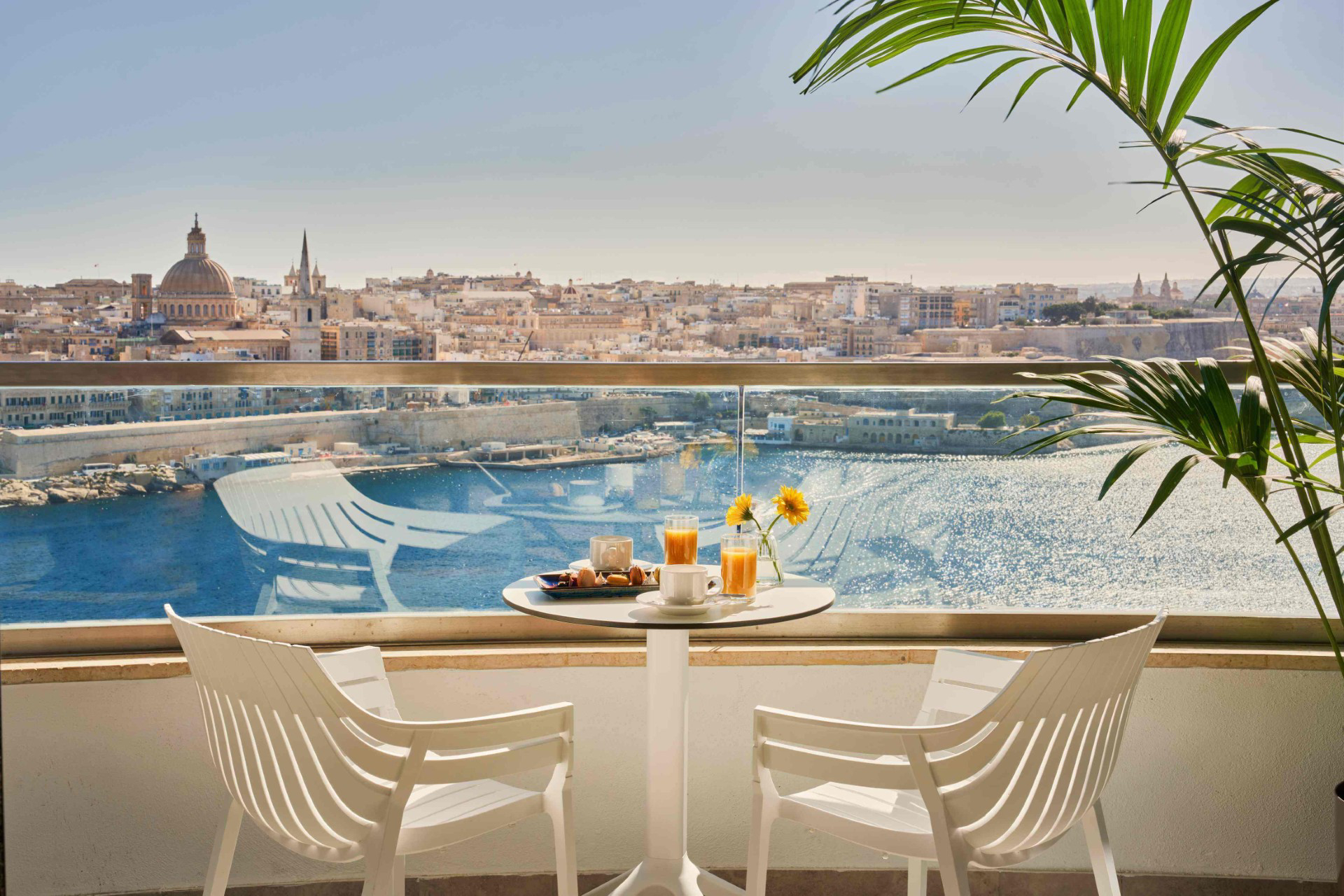
Enjoy Mediterranean cuisine at the Barcelo Fortina Malta
Inspired to enjoy some foodie travel? We have you covered!
Rest assured, wherever you choose to holiday, the Mediterranean knows how to dish up delicious dishes bursting with flavour. Since each region is different, it is important to understand the nuances between each style and pick the area that tickles your taste buds the most. So, if you are looking for authentic Mediterranean dishes, these are the destinations to add to your travel list.
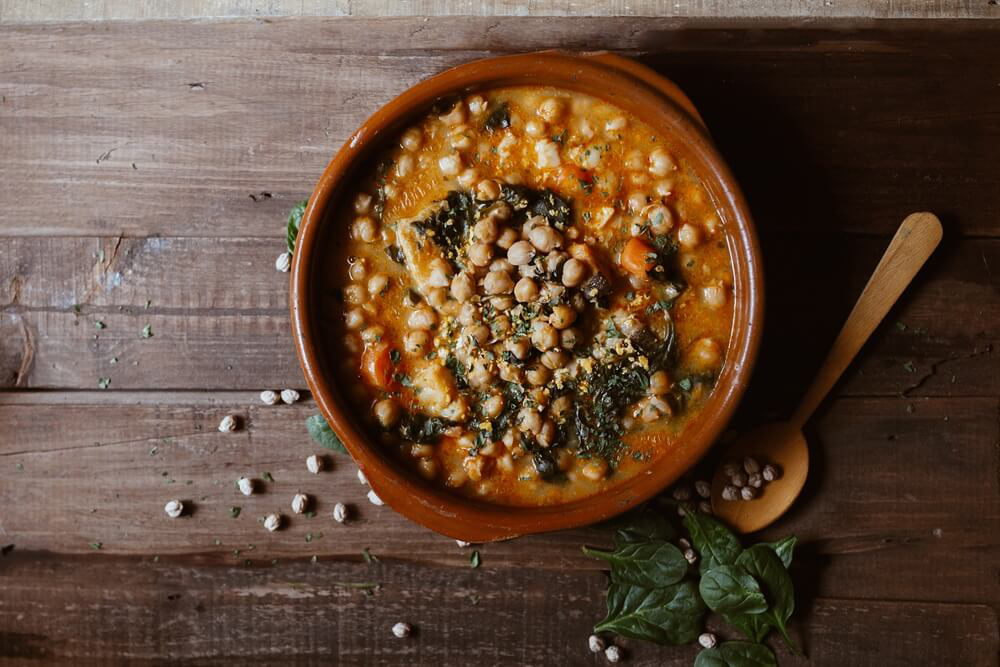
Garbanzos con acelgas, a typical Andalusian dish
Andalusian cuisine
Spanish cuisine is definitely a crowd pleaser but Andalusian cuisine is still relatively unknown. That’s why it may come as a surprise to travellers on holiday in Andalusia to see traditional dishes on the menu such as the typical dogfish fried in olive oil, which is particularly popular in the regions of Cádiz and Málaga. Stews are also a top choice in Anfalusian kitchens, especially dishes such as the popular chickpea stew with chard or puchero andaluz, a hearty soup with chickpeas, vegetables and various types of meat, a staple in winter. Don’t forget stars of Spanish cuisine such as gazpacho and salmorejo also originate from the Andalusia region and are great cold Mediterranean dishes to beat the heat.
Fish holds a place of honour in Andalusian cuisine, with tuna taking centre stage
Fish holds a place of honour in Andalusian cuisine, with tuna taking centre stage, especially in the Cádiz region, where it’s still caught using the ancient almadraba method. During the season, this prized bluefin tuna can be savoured at exclusive addresses such as Atunante, the signature restaurant at the Hotel Royal Hideaway Sancti Petri, where the menu is a love letter to the sea’s most luxurious catch.
In the Málaga and Granada region, fish is famously served the traditional way, known as espetos. These long, thin reed skewers of sardines are roasted with firewood in the sand on the beach. It is the perfect post-beach day snack, if you are in the region.
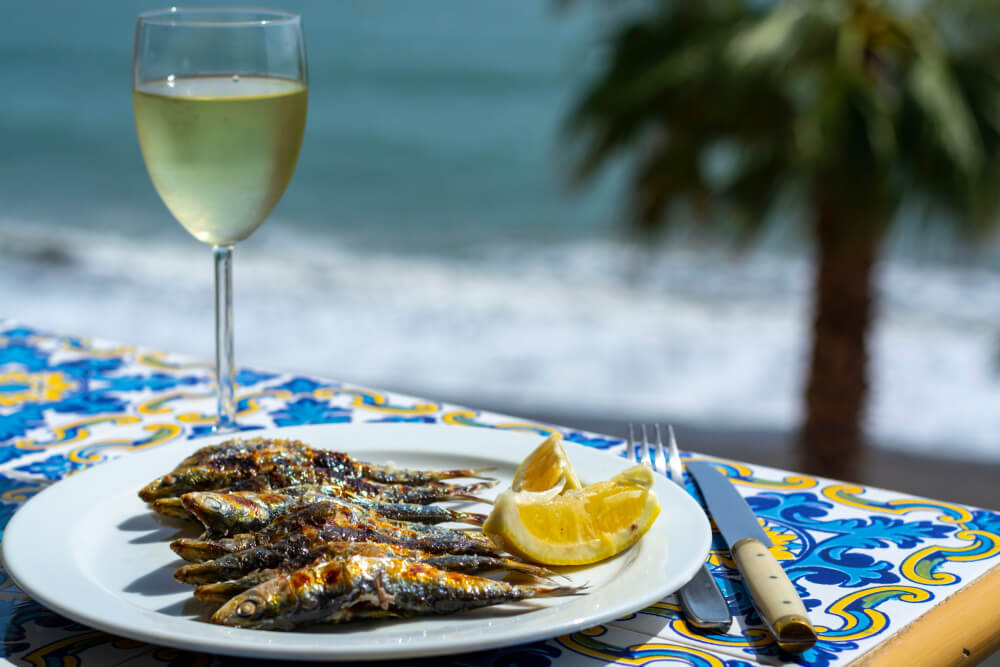
Espetos, a typical beach snack in Andalusia
Italian cuisine
Italy, with its long Mediterranean coastline and richly layered history, offers one of the most diverse and nuanced cuisines in the region. If you travel from north to south, you will discover that each region tells its own story through food. While Sicily stands as a prime example of culinary fusion, with influences from Arab, Spanish, and Greek cultures in dishes like Frutta Martorana, Sfincione, and arancini, the rest of the country is no less rich in gastronomic heritage.
For example, those staying in Rome will discover that Roman cuisine is robust and deeply rooted in tradition
For example, those staying in Rome will discover that Roman cuisine is robust and deeply rooted in tradition. Classic dishes like cacio e pepe, amatriciana, and carciofi alla giudia reflect the city’s ancient roots and humble, rustic ingredients. Venture further throughout the peninsula and desserts and pastries are often made following time-honoured recipes passed down through generations of Nonnas and nuns. No matter where you are, the true spirit of Italian Mediterranean cuisine lies in its regionalism. By tasting your way through Italy, you will discover a culture passionate about food, heritage and gastronomic traditions.
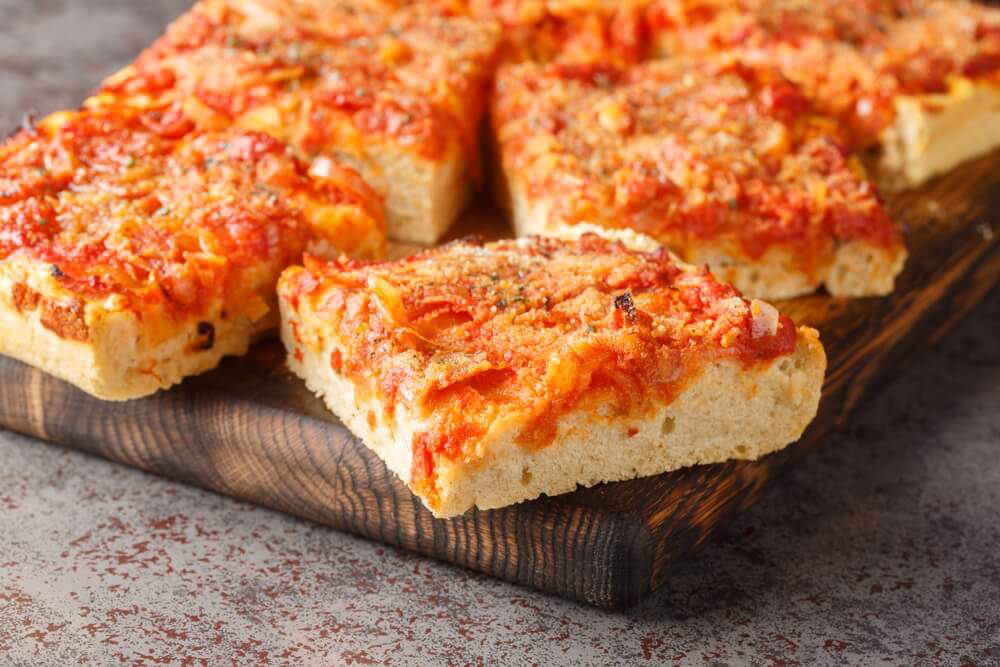
Sfincione, a Sicilian pizza
Mallorcan cuisine
Contrary to popular belief, Mallorcan cuisine is a hearty and fatty affair, not corresponding to the traditional ideals of the Mediterranean diet. The prime examples are the Mallorcan sobrasada (an air-dried, highly spiced cured sausage) or the famous dish, frit mallorquí, made with meat, offal, liver, and blood. Even desserts like the delicious ensaimadas, one of the most popular souvenirs from Mallorca, contain lard and a lot of sugar. However, when on holiday in Mallorca, you will soon realise, not all Mallorcan food is this heavy. Just look at the typical dish trempó, a salad made with onions, Mallorcan peppers, and Mediterranean tomatoes. And along the coast, where the sea is as much a pantry as a panorama, you’ll find delicate preparations of freshly caught fish, served with local olive oil, citrus, and herbs. In the interior villages, family-run cellars serve deeply local Mediterranean food and wine in cool stone-walled taverns, while coastal restaurants reinterpret island staples with modern flair.
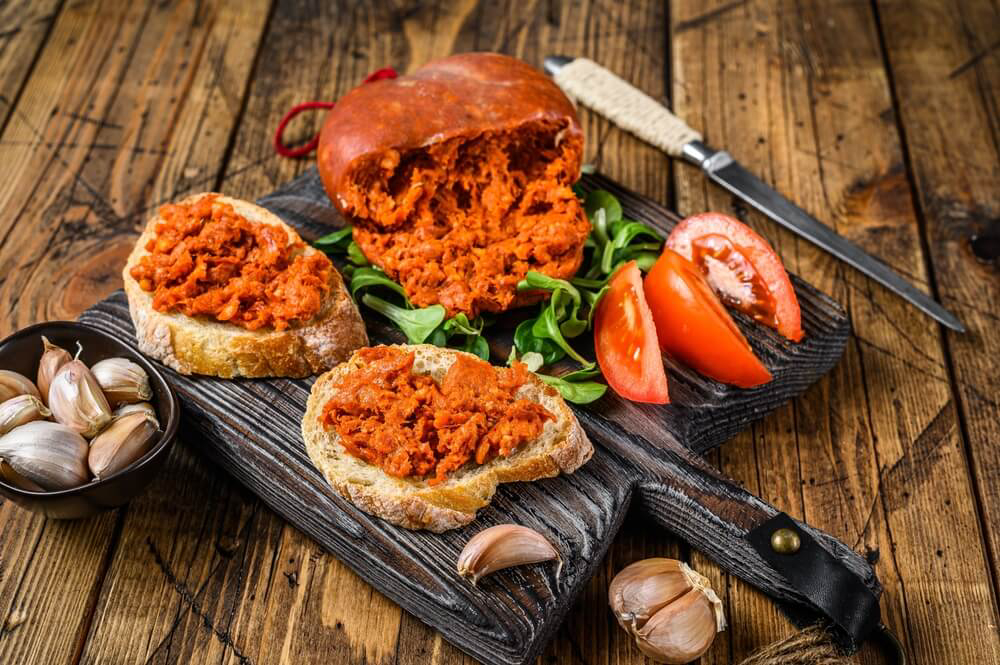
Sobrasada, a Mallorcan famous side dish
The Algarve, where the Mediterranean meets the Atlantic
The Algarve, Portugal’s sun-drenched southern coast, offers a distinctly Atlantic take on Mediterranean cuisine. When on holiday in Portugal, you will notice that the food is simple, seasonal, and deeply soulful. Grilled sardines, freshly caught and seared over open flames, are a staple of summer, best enjoyed with a squeeze of lemon and a sea view.
You will notice that the food is simple, seasonal, and deeply soulful
Octopus is stewed slowly in terracotta pots, clams are cooked à Bulhão Pato with garlic, coriander and olive oil and seafood rice arrives rich and fragrant, somewhere between risotto and paella. To experience a real taste of local food culture, head to a municipal market. Here you can find stalls brimming with figs, oranges, almonds, and olives. It is these ingredients that find their way into both savoury dishes and traditional sweets like doce fino, the Algarve’s own marzipan confections.
Maltese cuisine
Maltese cuisine is a captivating reflection of the island’s layered history. Malta is a Mediterranean melting pot with Sicilian, North African, British, and even Provençal influences simmering beneath the surface. At its heart, Maltese cuisine is rustic and deeply rooted in seasonality. During your holiday in Malta, expect hearty stews like stuffat tal-fenek, a slow-cooked rabbit dish and aljotta, a fragrant fish soup served during Lent, redolent with garlic, tomatoes, and rice. Freshly baked fira, a ring-shaped bread filled with sardines, tuna, potatoes, fresh tomatoes, onions, and olives, is part of UNESCO's Intangible Cultural Heritage. You also shouldn't miss out on Arabic-influenced dishes such as bigilla, the Maltese version of hummus, which is made with broad beans. Despite its robust nature, Maltese cuisine has a Mediterranean soul: vibrant vegetables, just-caught seafood, and generous use of olive oil and herbs anchor its dishes in sunlit simplicity. Whether dining in a seaside village or a Valletta wine bar, each meal feels like a celebration of Malta’s storied, seafaring spirit.
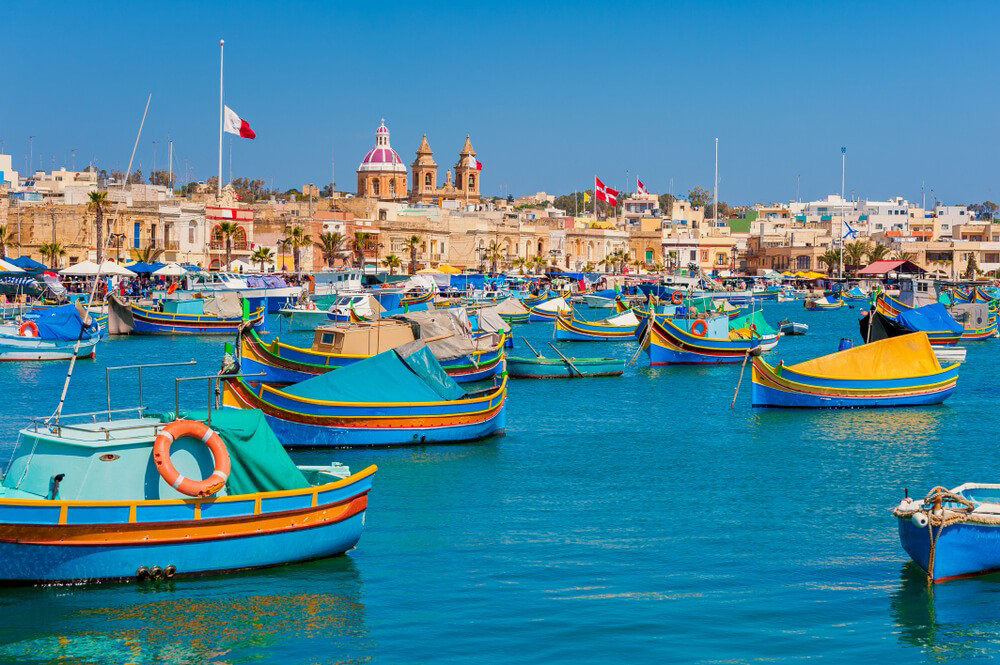
Traditional fishing boats in Malta