











The area near Aranjuez should not be viewed as a group of isolated towns but as a historical network that has developed since the 16th century around the royal court, trade routes and military orders. When Philip II of Spain established Aranjuez as a Royal Site, he did not merely commission gardens and palaces: he also reorganised the agricultural land and transport links, improving the roads to nearby towns such as Chinchón, Ocaña and Colmenar de Oreja.
That system left its mark on the layout of those towns. The porticoed squares were not merely decorative: they served as a covered market, a meeting place and a venue for public celebrations. The castles and towers were not only symbolic: they controlled the tax collections and military routes. The churches did not only serve a religious purpose; they also reflected the economic power accumulated at specific times.
Today, exploring those towns is like reading that historical map on the ground: short distances but with very different contexts that can be seen in the stonework, the urban scale and the original use of each space.
The most beautiful towns near Aranjuez: a historic system where each town played a different role
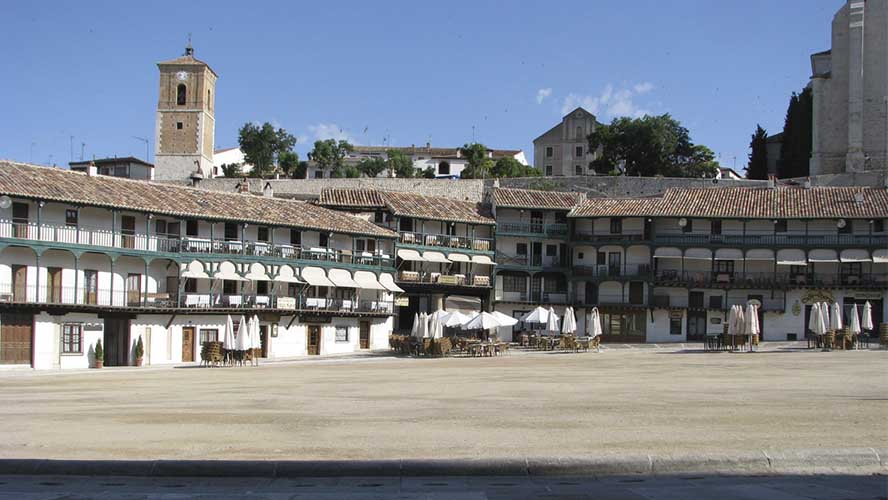
Chinchón: the irregularly shaped square where autos-da-fé, bullfights and markets have been held since the 15th century
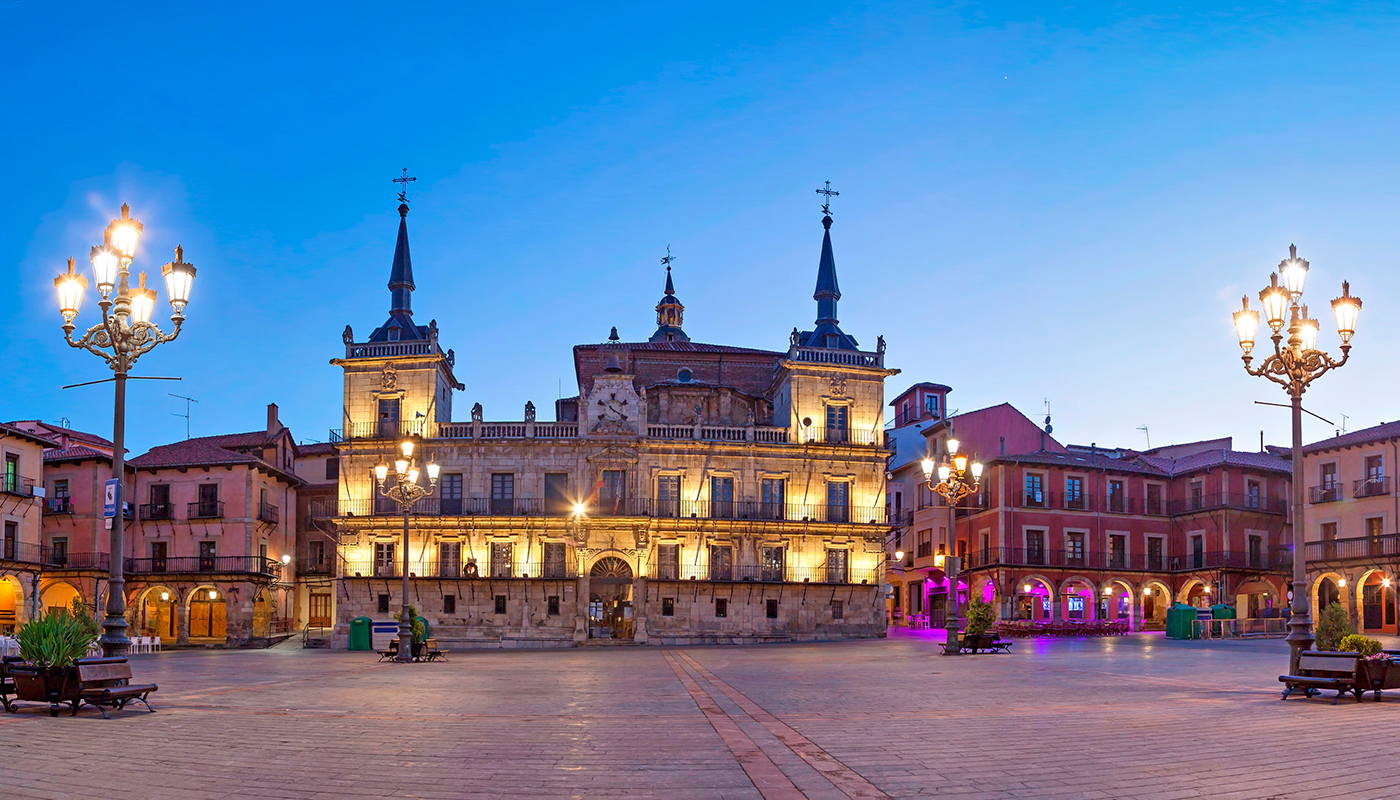
Chinchón’s Plaza Mayor is not the result of a planned design but rather its organic growth between the 15th and 17th centuries. Its 234 wooden balconies, set against three-storey houses, are not merely an aesthetic feature: they enabled residents to watch performances without occupying the central area. The town records from the 17th century already mention the use of the square for bullfights and religious celebrations.
One of the most remarkable events took place in 1683, when the square hosted celebrations to mark the coming of age of Charles II of Spain. Centuries later, during the Peninsular War, the Castle of the Counts which was built in the 15th century was occupied by French troops and partially destroyed in 1812. That overlapping of uses explains the nature of the place: festive, yet also strategic.
The church of Our Lady of the Assumption houses a canvas attributed to Goya, painted in 1812 during his stay in the town. This fact links Chinchón to a broader cultural network, connected to the royal court and the enlightened circles of the time.
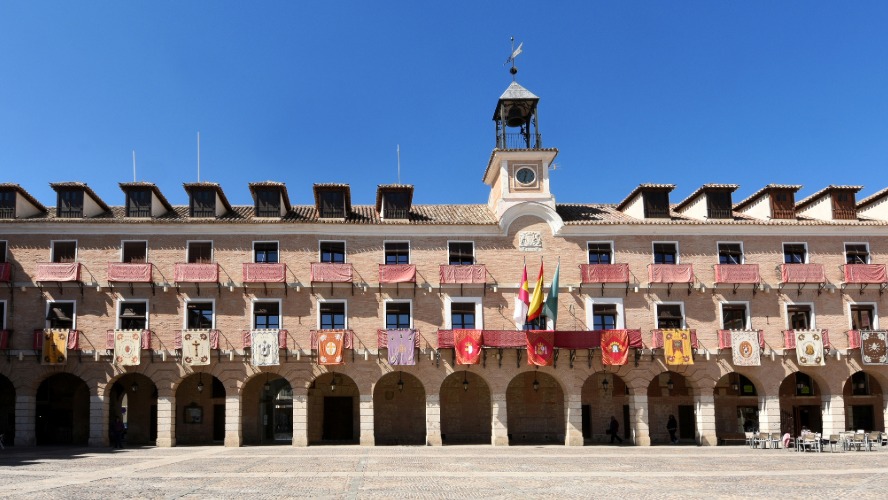
Ocaña: the Enlightenment-era square where the defeat of 1809 changed the course of the war
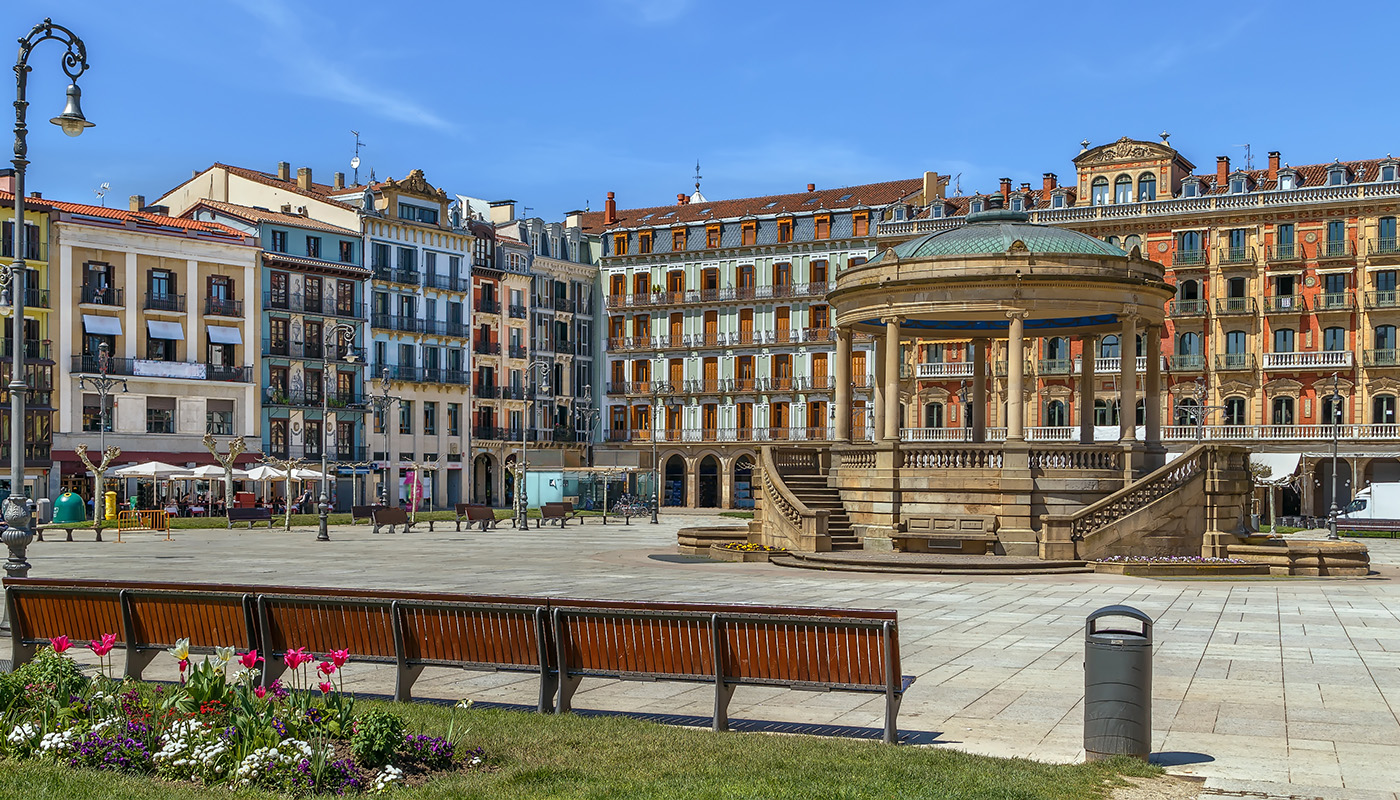
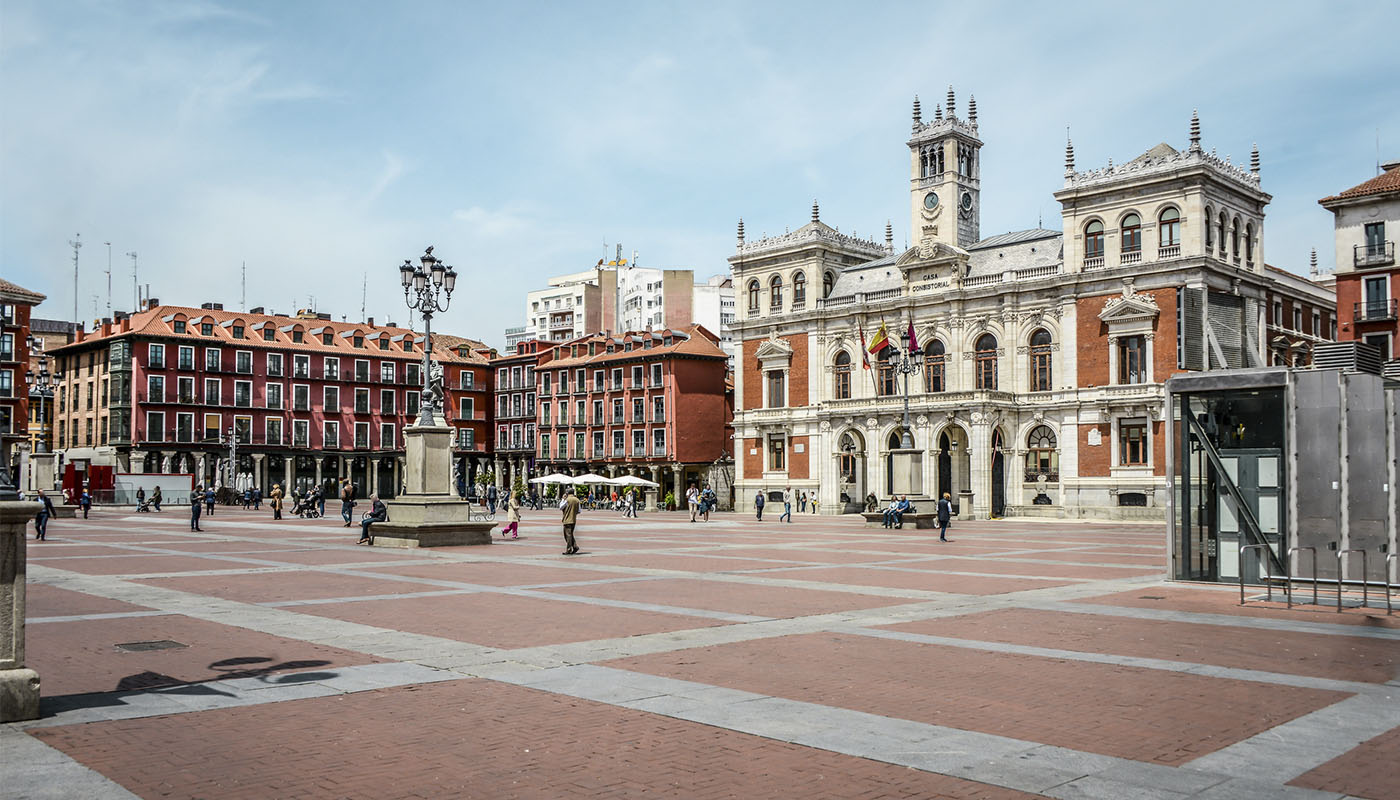
Ocaña’s Plaza Mayor, built in the 18th century, follows an Enlightenment-era design: a rectangular layout, uniform arcades and a clear emphasis on urban order. With over 50 metres on each side, its scale exceeds that of many Castilian squares and reflects the town’s importance as a key stop on the Royal Road to Andalusia.
On 19 November 1809, one of the most decisive battles of the Peninsular War took place near Ocaña. The Spanish troops, led by General Aréizaga, were crushed by Soult’s French army. That defeat opened the way for the French to advance into Andalusia, upsetting the military balance on the Peninsula.
Beyond that wartime episode, Ocaña is home to monasteries such as the 16th-century convent of Saint Dominic, thus bearing bear witness to its role as a religious and economic centre. Its urban layout, which is more regular than that of other nearby towns, reflects deliberate planning linked to its strategic importance.
Colmenar de Oreja: the limestone that defines façades, wine cellars and a two-level square
Colmenar de Oreja was literally built with its own materials. The limestone mined from its quarries, which has also been used in buildings in Madrid such as the Royal Palace, provides a visual unity to façades, arcades and public buildings. Its 17th-century Plaza Mayor adapts to the natural slope with two levels connected by stairs, creating one of the most distinctive layouts in the Madrid region.
Beneath the town centre lies a network of caves and cellars hewn out of the rock, which were historically used for storing wine. Those galleries maintain a constant temperature throughout the year, making them ideal for wine production.
The church of Saint Mary Major combines Gothic, Renaissance and Baroque elements, reflecting successive extensions dating back to the 13th century. This type of architectural development enables us to trace the town’s economic history: each extension marked a period of prosperity.
Villarejo de Salvanés: the tower of the Order of Santiago, which controlled trade routes and tithes
The keep at Villarejo de Salvanés is the most visible remnant of a fortress associated with the Order of Santiago, which controlled this area from the 13th century onwards. That military and religious order was responsible not only for defence, but also for tax collection and agricultural organisation.
From the top of the keep, which was restored in the 20th century, there is a sweeping view of the landscape, which explains its strategic purpose: to monitor roads, control the movement of goods and ensure safe passage between territories. It is no coincidence that Villarejo was the head of a commandery, i.e. an administrative centre within the order’s structure.
During the Modern Age, the town remained a major centre for tax collection, as evidenced by the manor houses and administrative buildings that are now part of the urban landscape.
Toledo: Visigothic capital, imperial city and an urban melting pot of three cultures
Toledo encapsulates more than 1,000 years of documented history within just a few square kilometres. It was the capital of the Visigothic Kingdom in the 6th century, a political centre during the Middle Ages, and a key city following the Christian conquest in 1085. Its urban layout is not the result of a single plan, but the interplay of different cultures: Islamic, Jewish and Christian.
The cathedral, whose construction began in 1226, is one of the finest examples of Gothic architecture in Spain. The Alcazar, which has been rebuilt on several occasions, serves both military and symbolic purposes. The monastery of Saint John of the Monarchs, founded by the Catholic Monarchs, bears witness to the determination to consolidate their power following the War of the Castilian Succession.
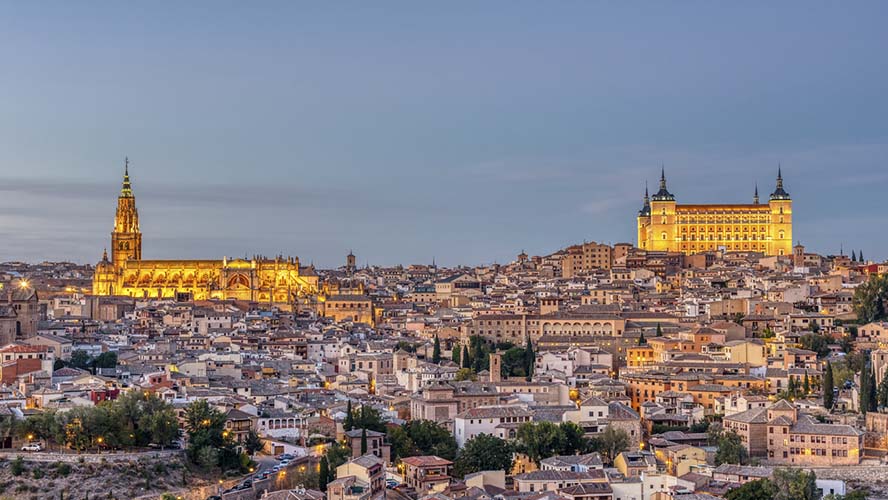
Nevertheless, beyond its major monuments, Toledo is best explored on foot: narrow streets, steep slopes and viewpoints such as Valle, from where you can see the river Tagus winding its way around the city.
The rural landscape around Aranjuez: the historic vegetable gardens that supplied produce for the royal table
The agricultural landscape surrounding Aranjuez is not a natural one. From the 16th century onwards, the Crown organised the land to supply the court, introducing irrigation systems, land parcelling and roads that are still in use today. The Twelve Streets, for example, are not merely a crossroads but a hub designed to organise the territory.
Produce destined directly for the royal table was grown there: asparagus, strawberries and artichokes. Documents from the period record regular shipments to Madrid, making those vegetable gardens a precursor to modern food logistics.
Tips for visiting the villages near Aranjuez: travel times, distances and how to interpret the terrain
The distances between these towns make it possible to plan one- or two-day routes but you should set realistic expectations. You can see all of Chinchón in about three hours, including a visit to the church and the castle. Colmenar de Oreja takes a little longer to explore if you want to visit its wine cellars and the surrounding area. On the other hand, Toledo requires at least a full day to appreciate its complex nature. Trying to see it all in just a few hours reduces your experience to a succession of monuments without any context.
Driving allows you to explore the side roads where you can really appreciate the landscape, particularly around Aranjuez. You should also plan your route around opening hours: many churches and historic buildings close at midday.
Lastly, checking the local calendar can make all the difference. Festivals such as those held in Chinchón in mid-August transform the square into a vibrant space, reviving customs documented for centuries such as the traditional Almoneda (a public auction of offerings such as baked goods and objects) that local residents present to the town’s patron saints (Our Lady of Grace and Saint Roch).