











What to see in Aranjuez
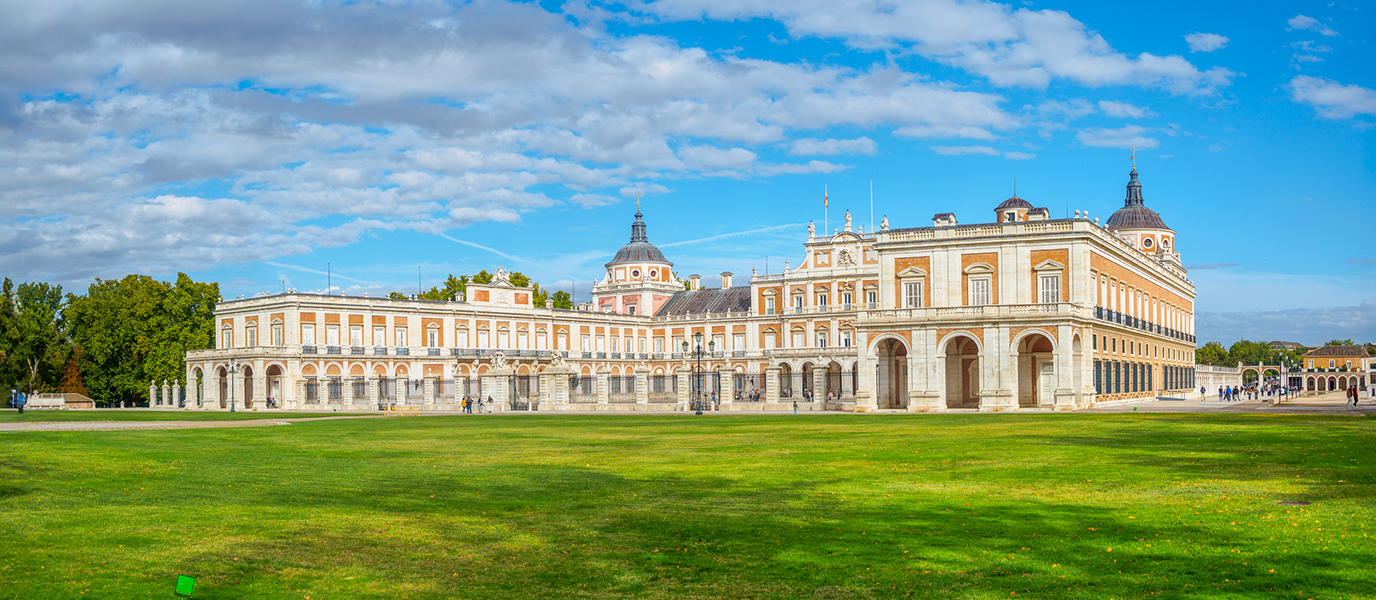
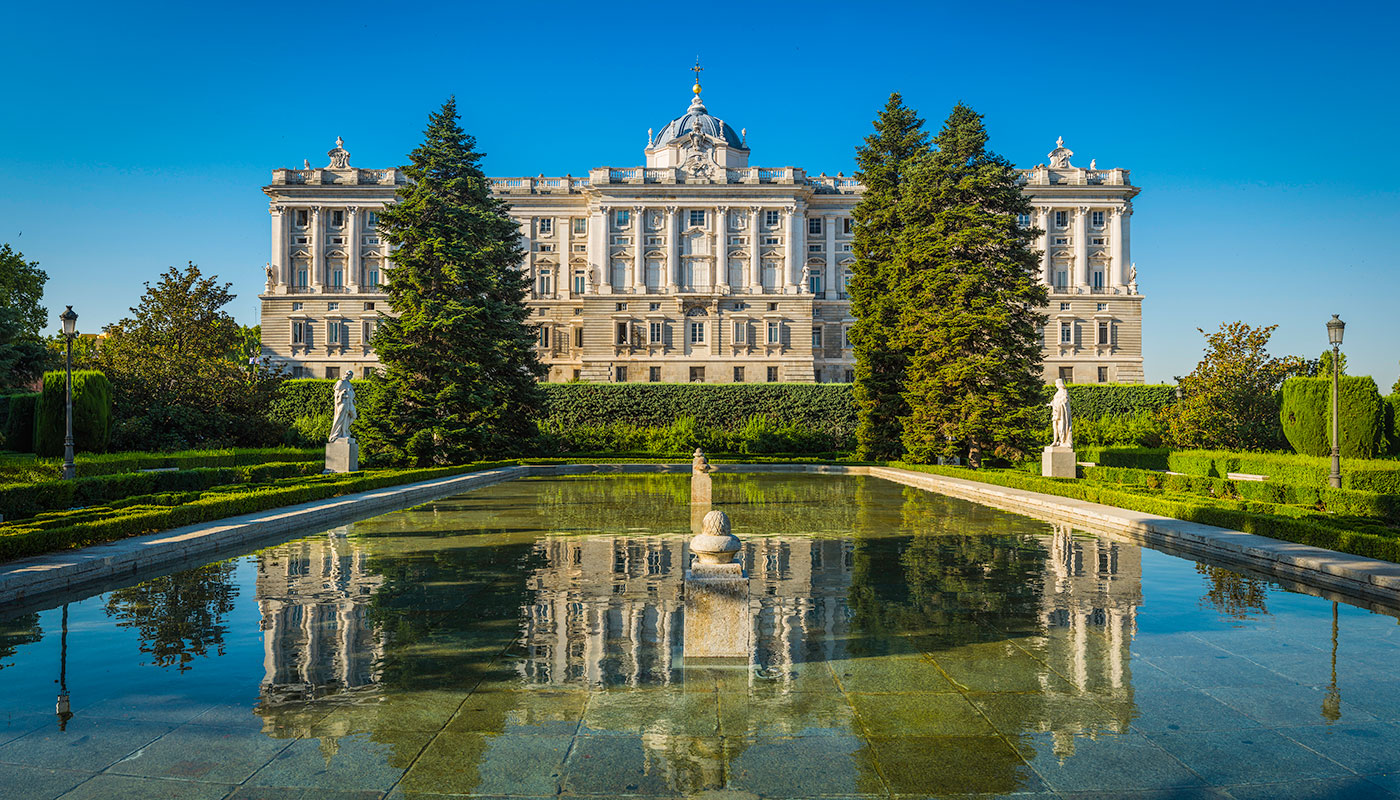
Royal Palace of Aranjuez: the seasonal court where the Bourbons tamed the Tagus
Located on the banks of the Tagus, Aranjuez was where the 18th-century Spanish monarchy decided to make time stand still every spring.
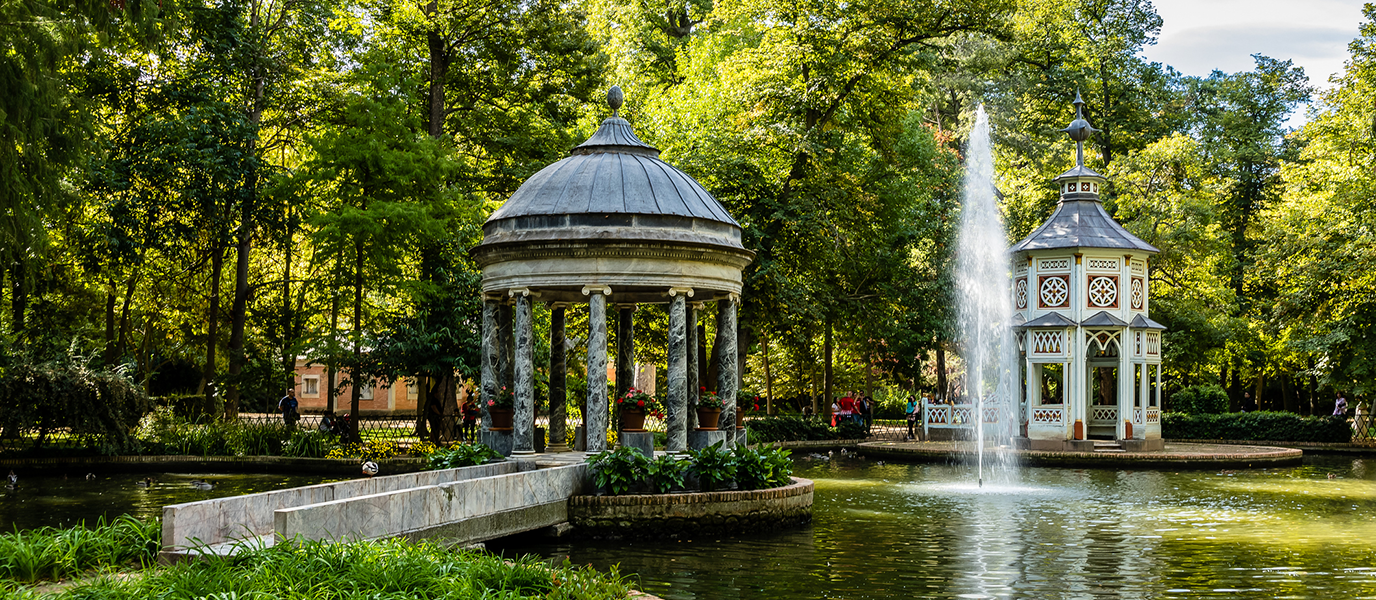
The Jardín del Príncipe: the Enlightenment-influenced gardens where Aranjuez tested the idea of controlled nature
Aranjuez’s largest garden, designed in the late eighteenth century, occupies over 150 hectares of Enlightenment-influenced landscaping near the river Tagus where nature, botany and artistic design intermingle, with no dominant axis.
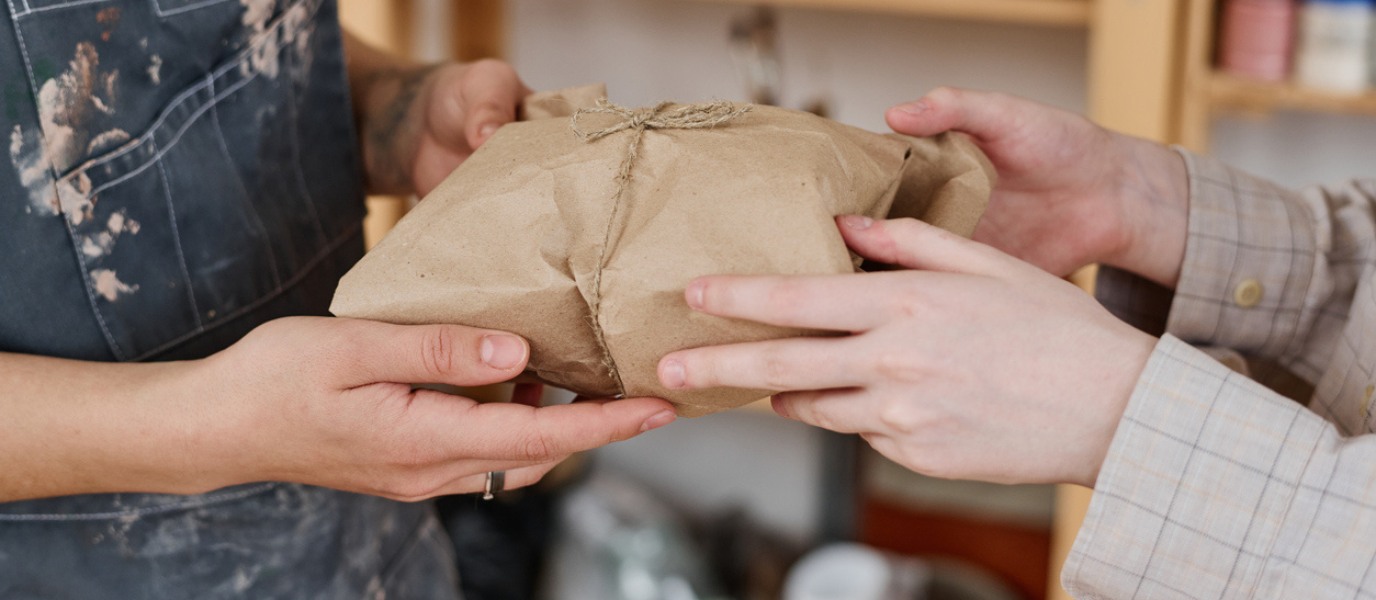
Aranjuez’s street market, one of the best flea markets in Madrid
Aranjuez Street Market is held every Saturday and draws large crowds of people in search of little treasures among its 150 or more stalls.
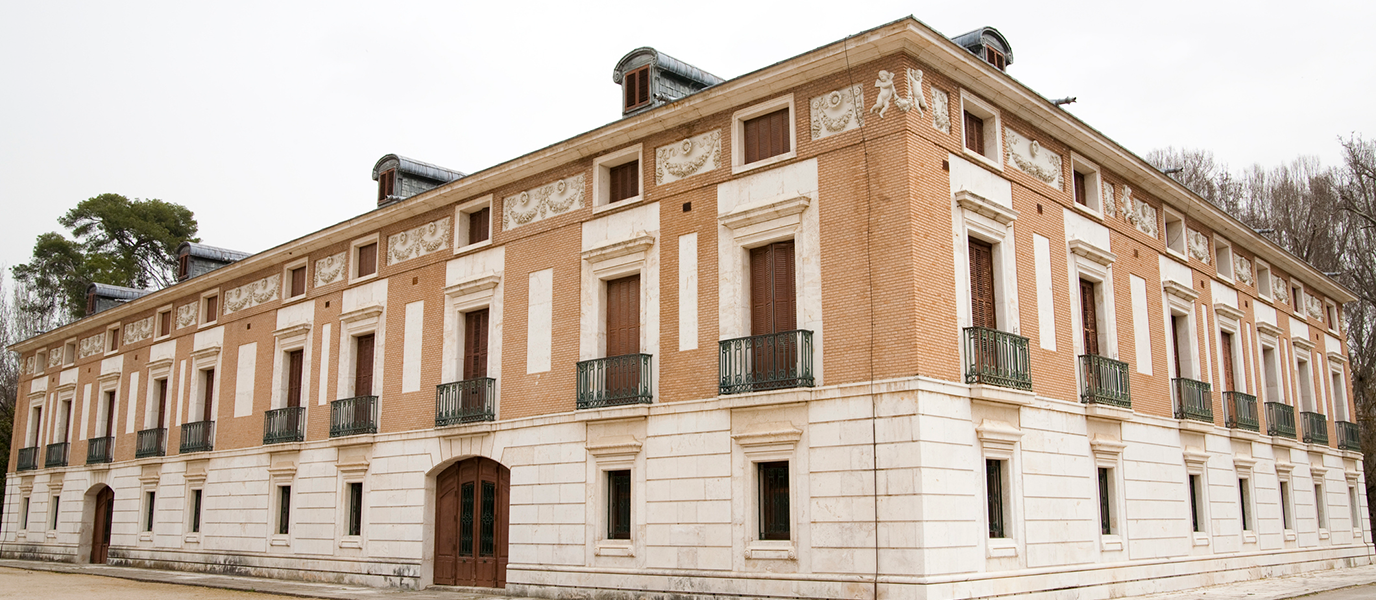
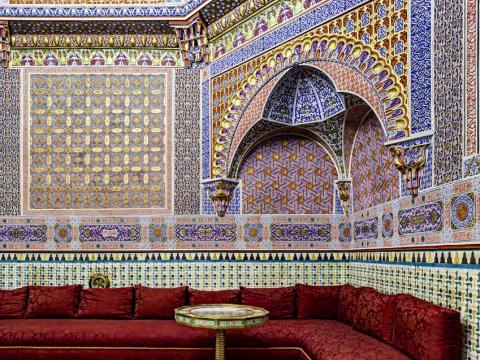
Real Casa del Labrador: the neoclassical retreat where Charles IV of Spain indulged in secret luxury during the final years of the Ancient Regime
Built between 1791 and 1803 in the Prince's Garden, the Real Casa del Labrador (Royal Farmer's House) was neither a mere house nor a minor whim but a showcase of luxury, technique and artistic taste, where Charles IV of Spain brought together some of the most refined interior decoration in Europe at the time.
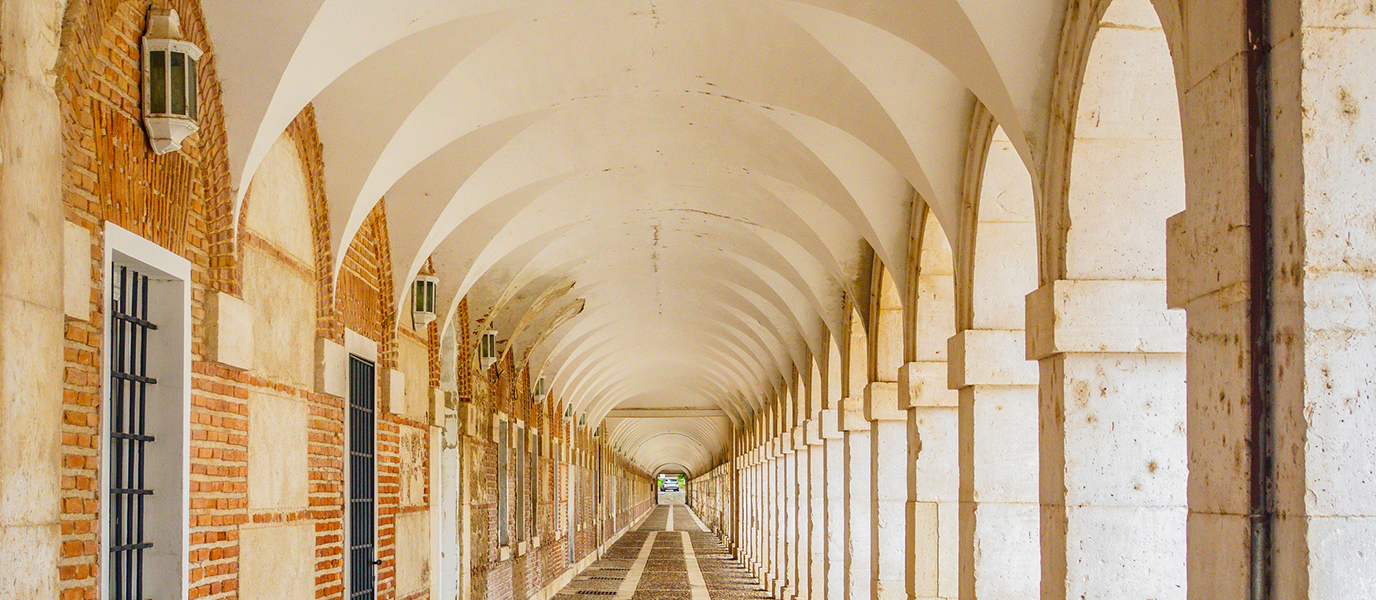
Casa de Oficios y Caballeros: the other side of the Palace of Aranjuez, which made daily life possible
Located opposite the Royal Palace, this unassuming building reveals how the court’s complex system actually operated.
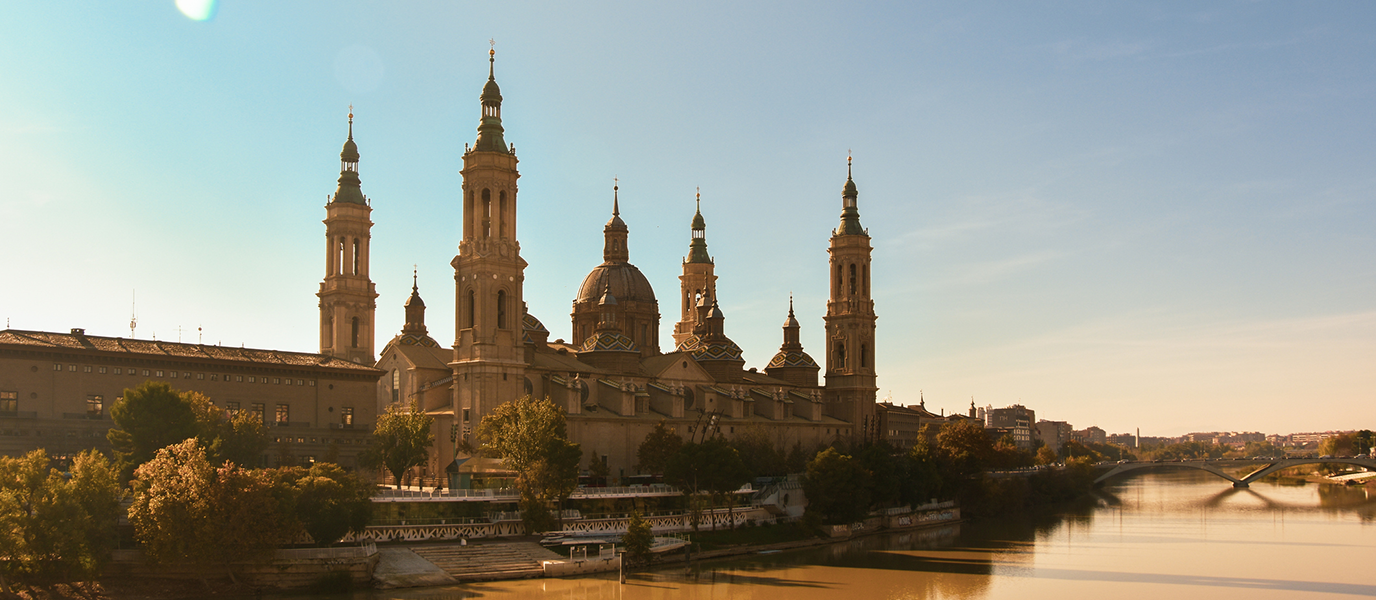
Beautiful towns near Aranjuez: routes among arcaded squares, sites of Napoleonic battles, ancient military orders and fertile plains that supplied the royal court
Less than one hour from Aranjuez, towns such as Chinchón, Ocaña, Colmenar de Oreja and Villarejo de Salvanés are home to memorable chapters in the history of Castile.
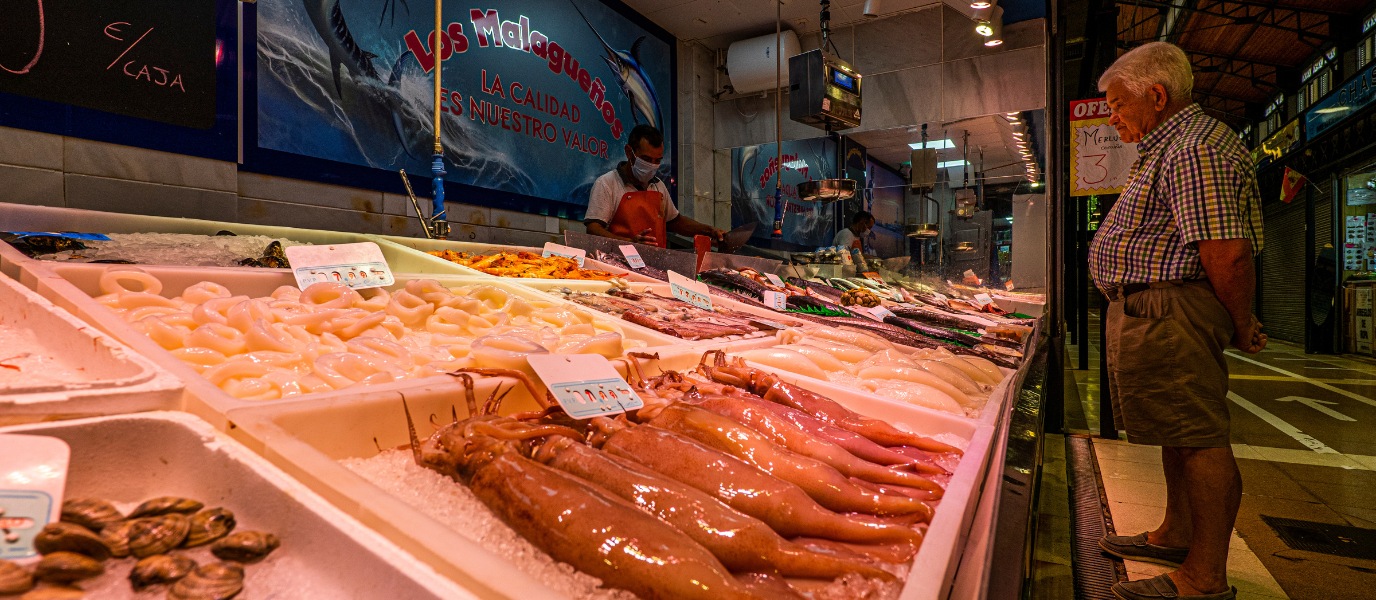
Aranjuez’s Market Hall: an example of architecture in wrought iron
Aranjuez’s Market Hall is a jewel of the famous ironwork branch of architecture. White stone from Colmenar was also used in its construction.
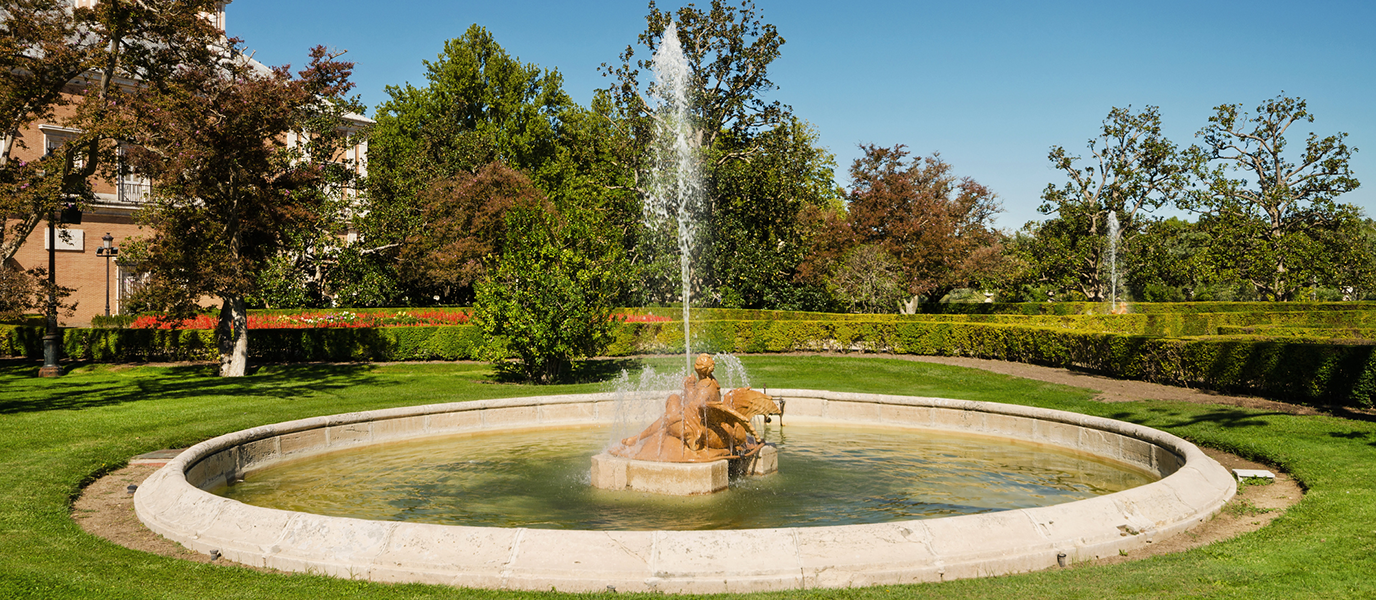
The Jardín del Parterre: importing the Versailles model near the river Tagus
Facing Aranjuez’s Royal Palace, the Jardín del Parterre is more than just a garden: it is a political scenic composition in which the Bourbon monarchy transformed nature into a symbol of order and dominion.
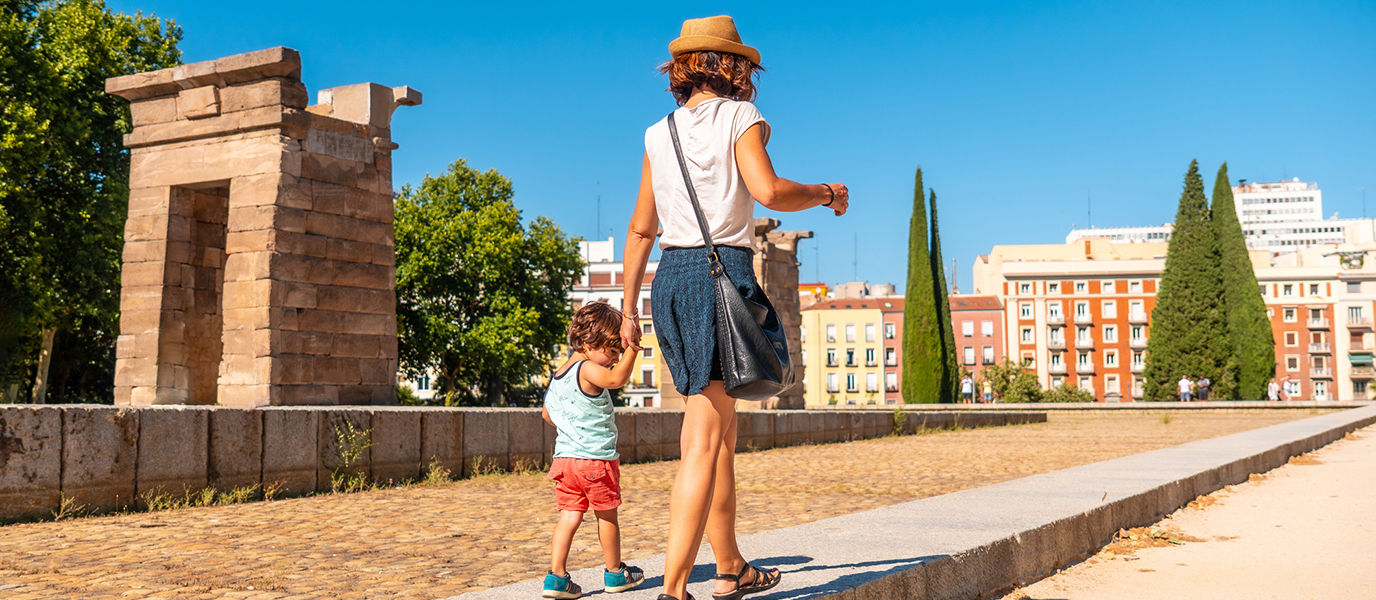
Visiting Aranjuez with children: a trip by train and boat
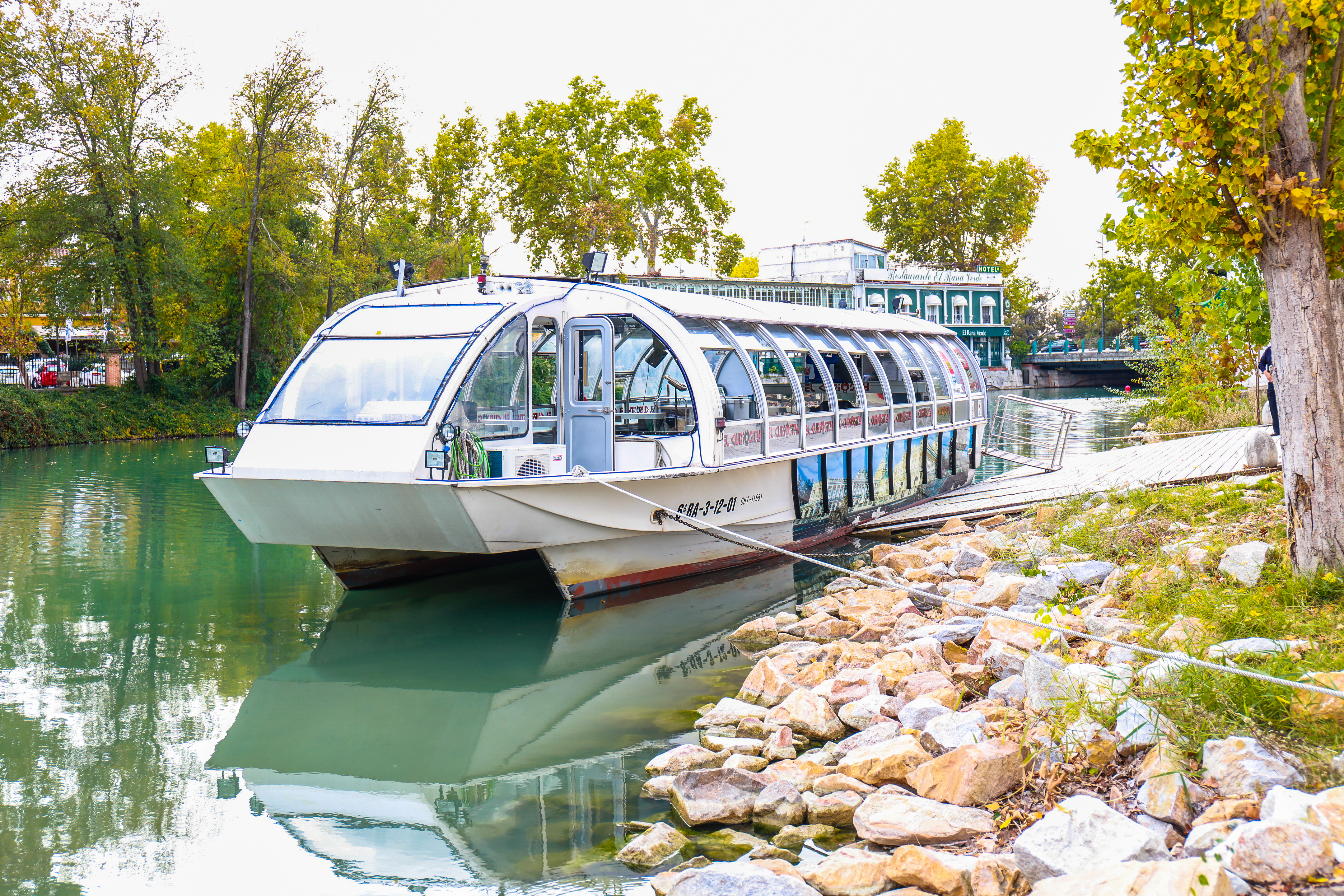
A visit to Aranjuez with children is an excellent idea — to see the town’s historic monuments and to enjoy special organised activities, such as the Strawberry Train.
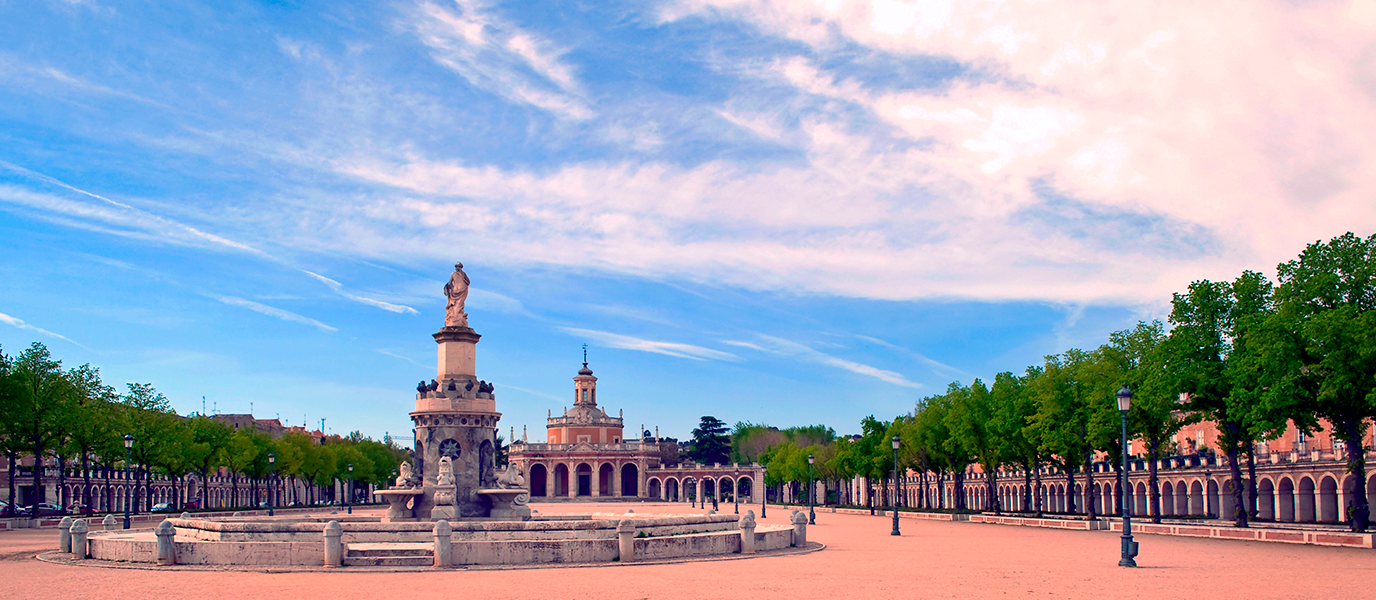
The church and square of San Antonio de Padua: the Bourbon vision that transformed Aranjuez into a town symbolising power
Designed in the mid eighteenth century as a key element of the Royal Site, San Antonio square is much more than just an open space facing the palace: it functions as a carefully planned urban mechanism to organise the town, provide a focal point and symbolise the power of the Bourbon monarchy.
Find your ideal itinerary
We help you design the best itineraries for your stay in Aranjuez.
Select the area you are staying in and the duration of your trip.
What area will you be in?
How many days?
Top experiences

Discover Aranjuez with our hotels