































Every Saturday, Aranjuez welcomes over 150 stalls at its weekly street market, one of the best in the Autonomous Community of Madrid, if we exclude the capital city itself. It is held every Saturday and draws huge crowds searching for vintage accessories, new fashion items or the freshest produce in the agricultural section.
- The history of Aranjuez’s street market: a historic selling site
- Where is Aranjuez’s street market held?
- Information and advice for enjoying your visit
- Qué podrás comprar en el mercadillo de Aranjuez, moda y productos frescos
- Qué ver cerca del mercadillo de Aranjuez
The history of Aranjuez’s street market: a historic selling site
Aranjuez has always been a business hub for neighbouring towns, and especially after it became a Royal Site as the court would move there for a temporary sojourn. The majority of these transactions related to the area’s rich agriculture, as people bought and sold produce from the land. But they also traded in basic goods required by farmers, and then textiles, craft items and anything else you can think of.
It was during the twentieth century that the town grew to a point where this travelling street market, controlled by the town council, was established in the area around Avenida de Loyola. Many years later, it is considered to be one of the biggest flea markets in the south of the Autonomous Community of Madrid, with over 150 stalls selling an enormous variety of products.
Where is Aranjuez’s street market held?
This weekly street market has secured a permanent site around Avenida de Loyola, part of which is kept free of traffic every Saturday so that 150 or more stalls can set up to welcome their customers.
The market is open from 9.00 a.m. until 2.00 p.m., although there may well be stalls already set up and ready to start trading as early as 8.00 a.m. Normally, on weekends when Saturday falls on a public holiday, the street market switches to Friday — something you need to be aware of if you are planning to visit.
Information and advice for enjoying your visit
The best advice, if you want to stroll around calmly and find that coveted little treasure in this market, is to arrive early as it starts at dead on 9.00 a.m. You will also find it easier to park and to browse the most popular stalls with a degree of calm.
If travelling by car is a problem because parking is more difficult at that time of day, you could opt to use public transport from the station and nearby bus stops.
Aranjuez’s street market is adapted for people with limited mobility, as it has flat passages and its main aisles are of a good width.
Visitors should bear in mind that it is recommended to spend between 35 and 55 minutes at the market in order to browse all the stalls at leisure, but if you intend to buy clothing or fresh produce, you could easily stay for the whole morning.
What you can buy at Aranjuez’s street market: clothing and fresh produce
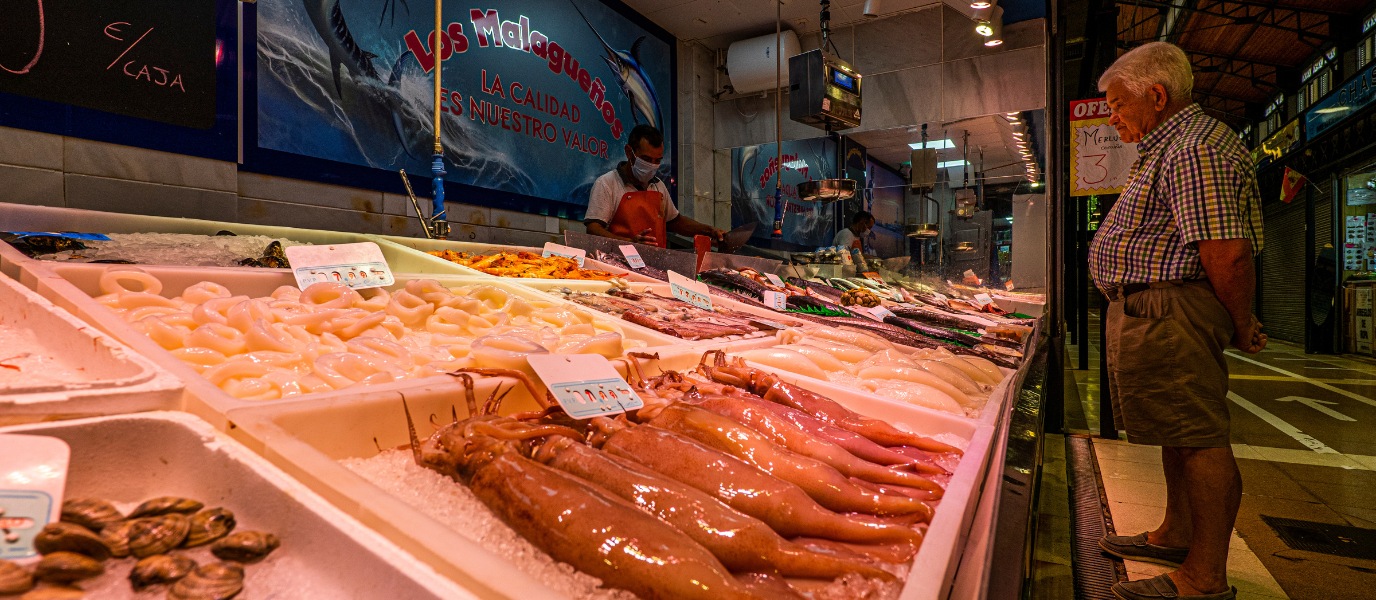
You can find just about anything in the weekly street market in Avenida de Loyola. Along with fruit, vegetables and other fresh produce from the surrounding farmland, there are also stalls selling clothes, footwear, blankets, and soft furnishings.
You will also find stalls selling accessories, leather goods, decorative items, and goods for the home such as kitchenware, along with flowers and plants.
Collectors and antiques enthusiasts are advised to concentrate on the vintage market which is held every Sunday; here you can find any second-hand article you can think of.
What you can see near Aranjuez’s street market
From the site of the street market in Avenida de Loyola, it is easy to make your way to Aranjuez’s historical area and not miss any of the town’s important monuments.
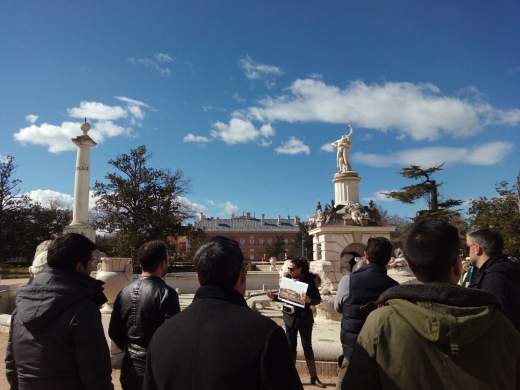
For example, you can visit the Royal Palace, the Parterre Gardens or another garden, the Jardín de la Isla if you feel like walking and getting some exercise.
You could also head to the Plaza de la Constitución and visit the Mercado de Abastos [Market Hall] to complete your shopping experience in an architectural monument dating from the nineteenth century. Another possibility is to walk or cycle along Calle de la Reina and the banks of the river Tagus.