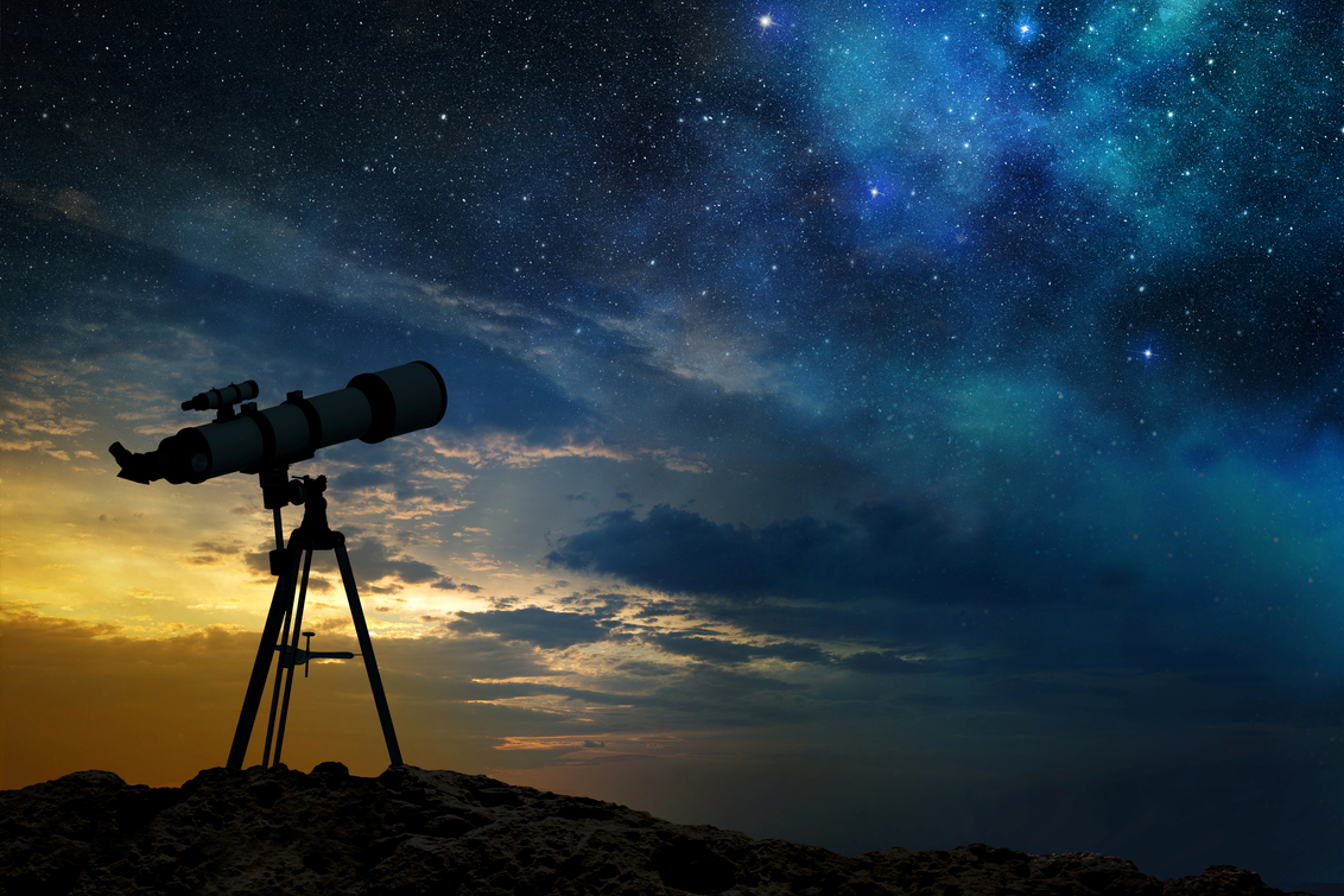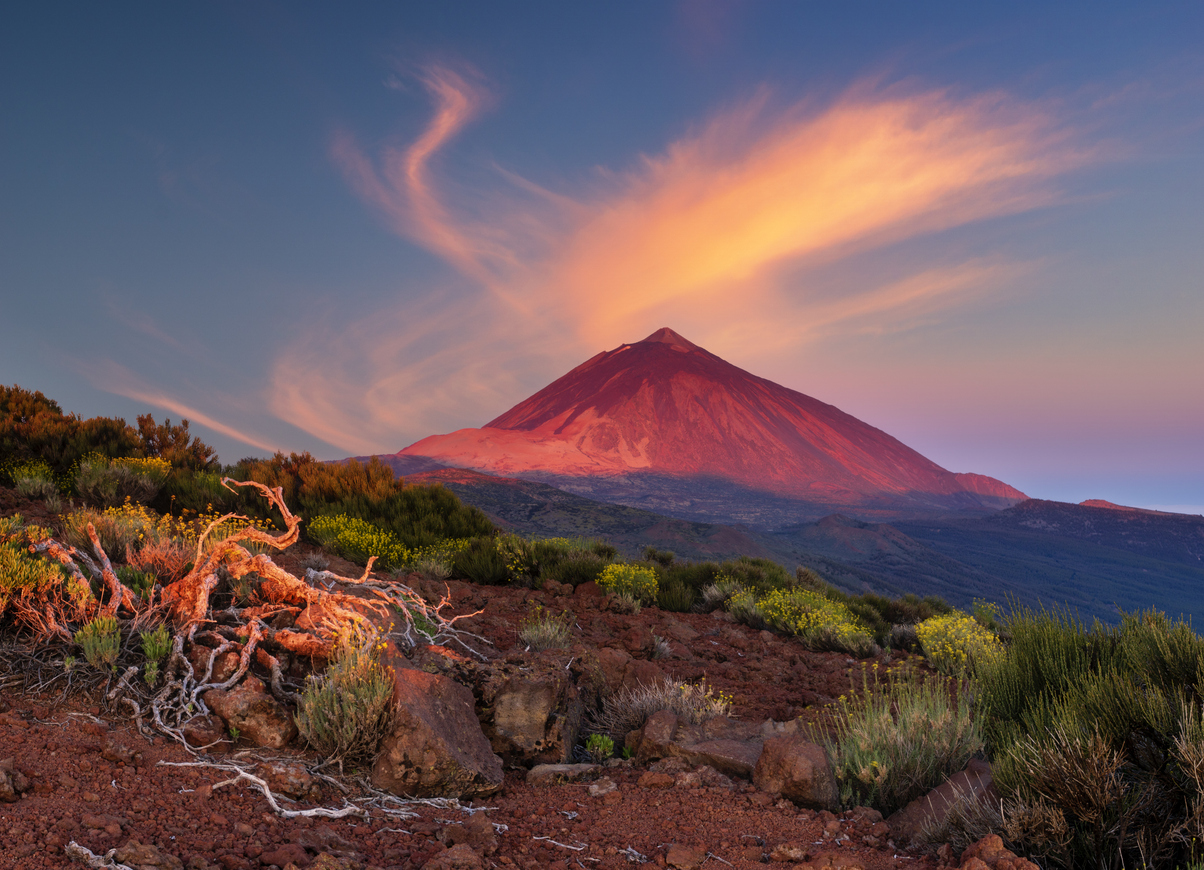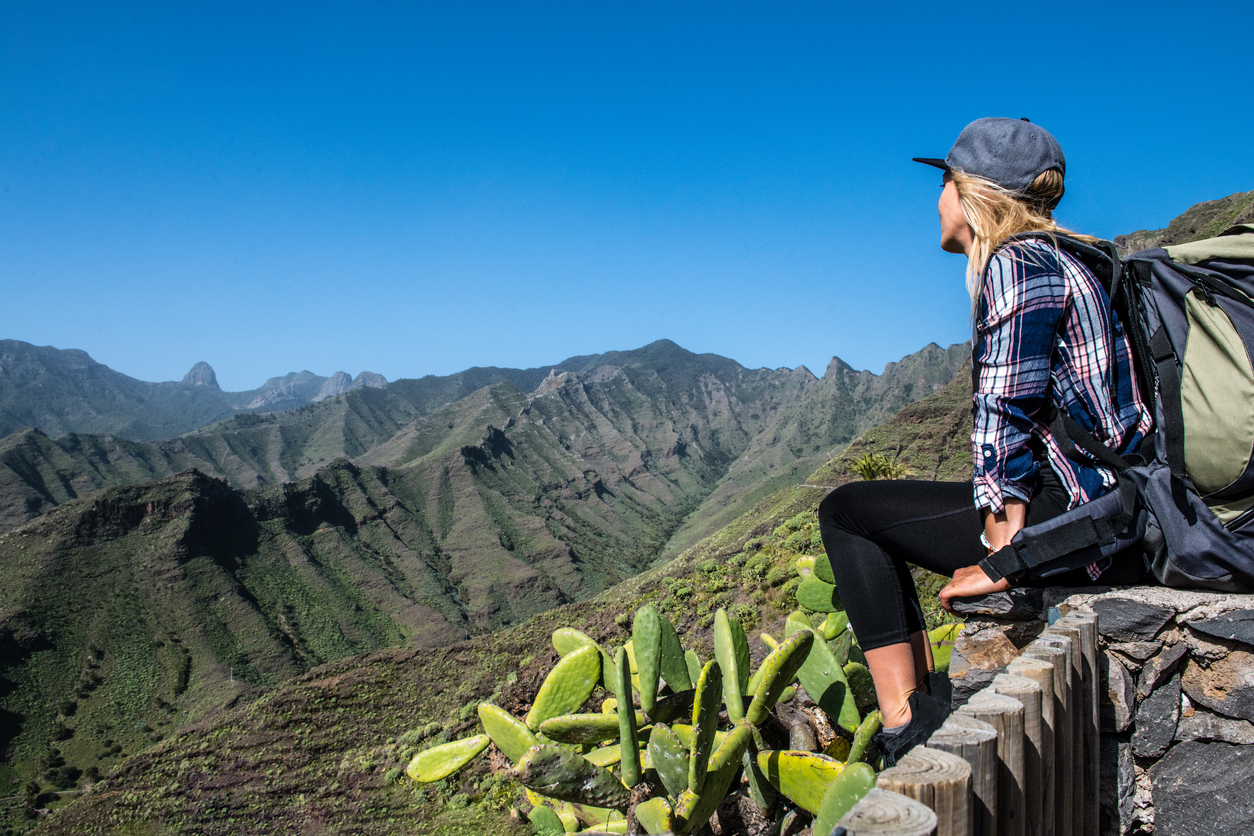
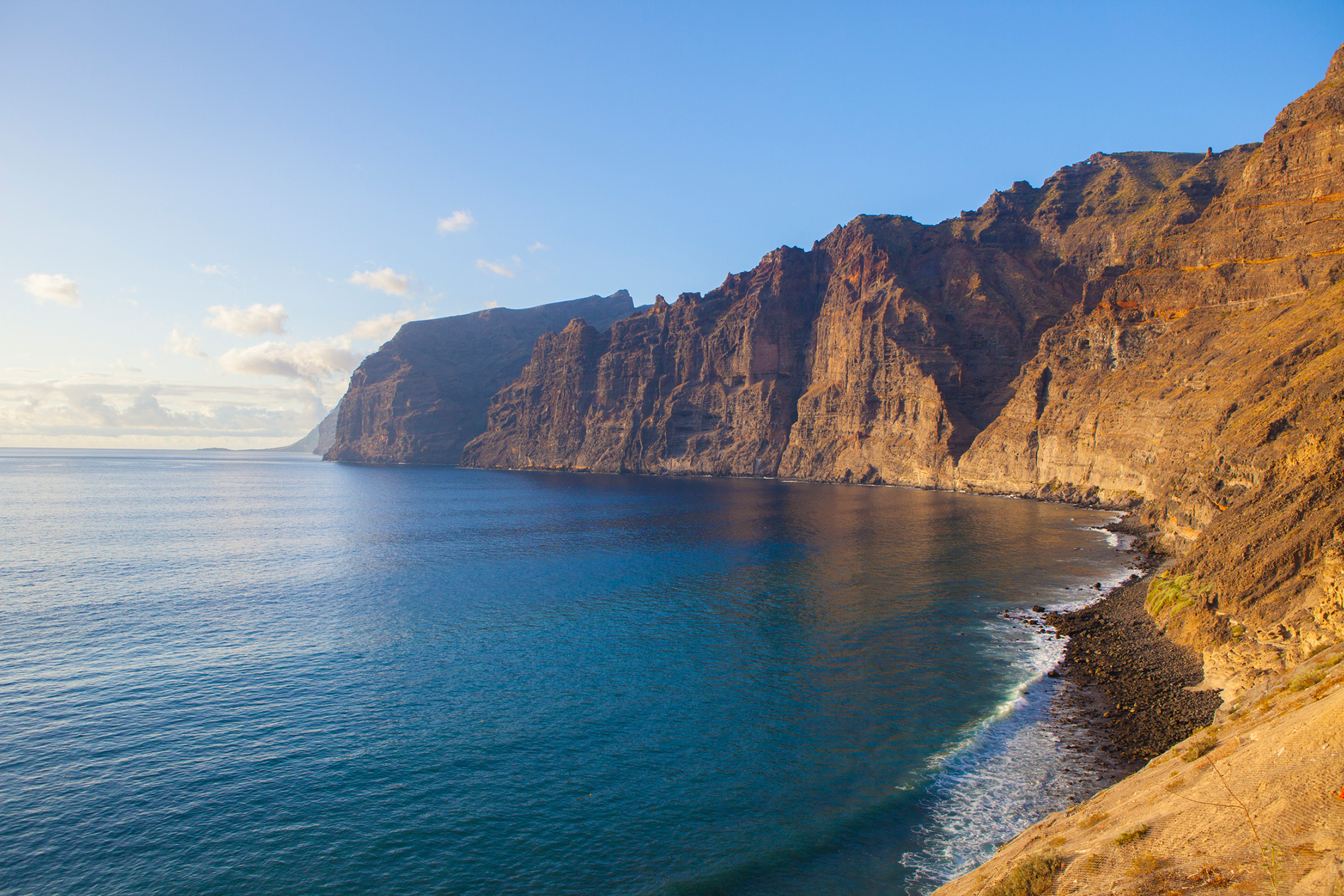













































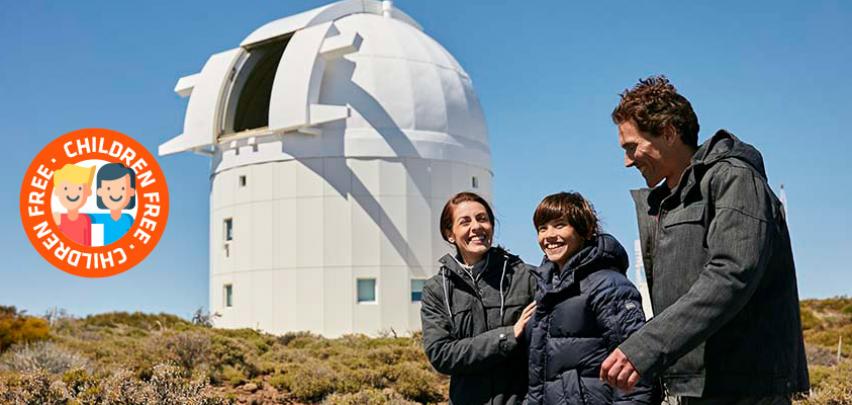
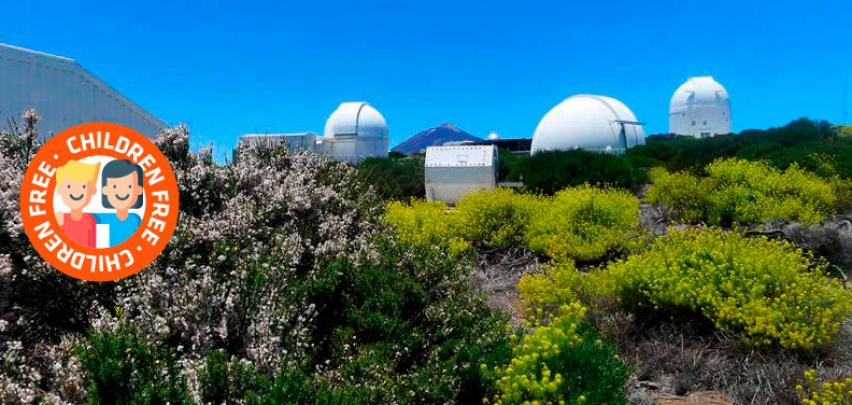
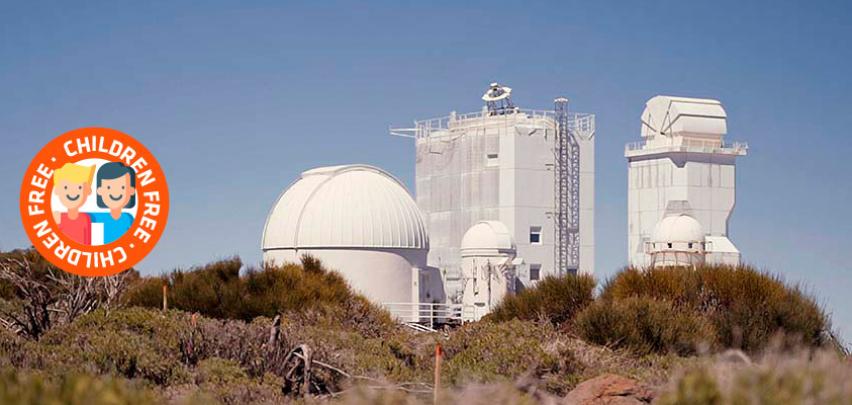

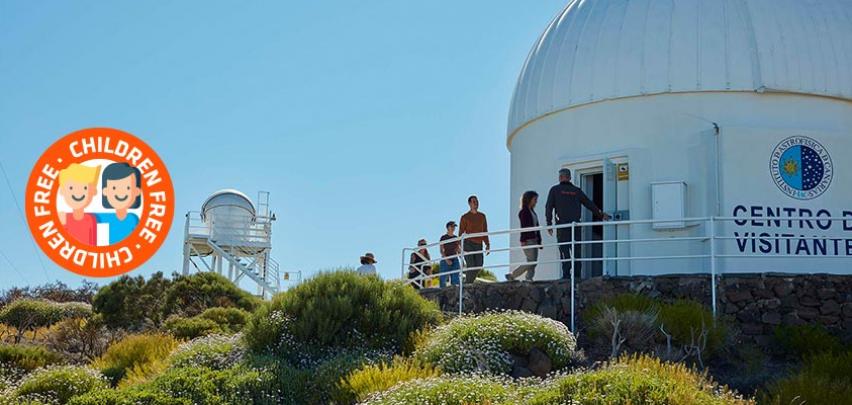
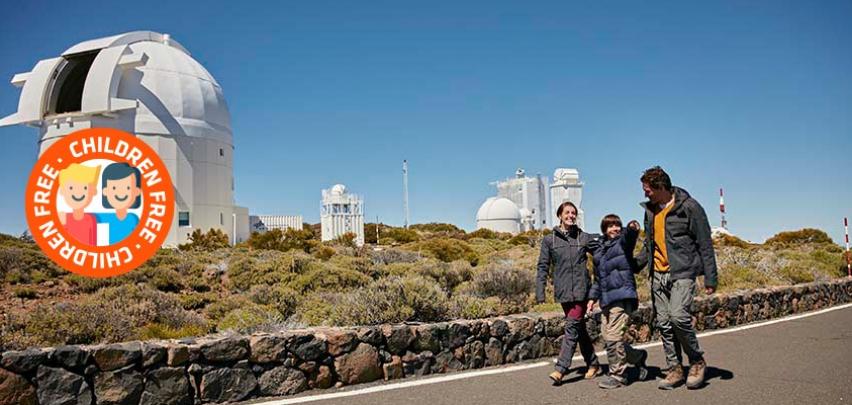
Tenerife is famous for its volcanic landscapes and pleasant climate, but the island is also an important centre for scientific research. High in the Teide National Park lies the Teide Observatory, one of the most important solar observatories in the world.
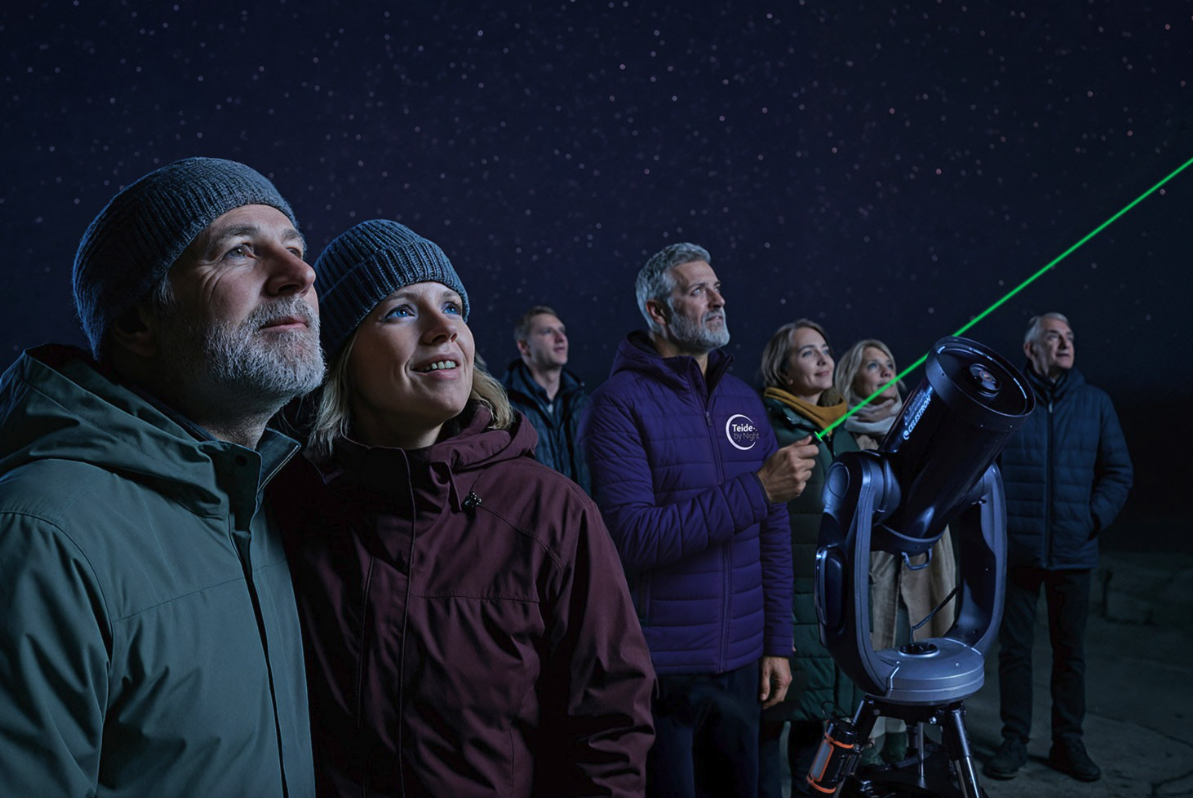
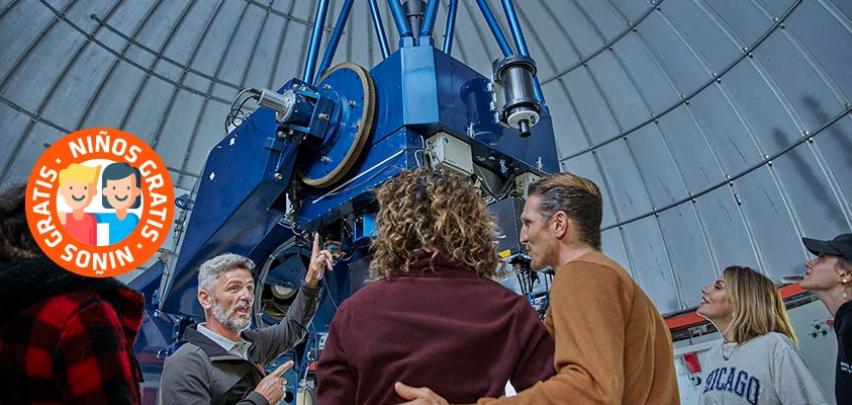
During this guided visit you will have the opportunity to explore the observatory’s facilities and learn how scientists study the Sun and space from this unique location. Thanks to its altitude, clear skies and low light pollution, Tenerife is considered one of the best places on Earth for astronomical observation, alongside Chile and Hawaii.
Throughout the visit you will discover how solar telescopes work, the type of research carried out at the observatory and why this scientific centre plays such an important role in the international scientific community.
This experience is ideal for travellers who want to discover the scientific side of Tenerife and learn more about one of the world’s leading solar observatories.